
Why Everyone Is LEAVING Omaha: What Buyers and Sellers Need To Know

David Matney • September 10, 2026

Omaha's metro keeps growing, but people are still leaving. That contradiction tells you something important about what it actually costs to live here, not just what the house costs. I talk to buyers relocating from both coasts who see our prices and think they've found a deal, and I talk to longtime residents who are calculating whether they can afford to stay. Both groups need the same information: the trade-offs that don't show up on Zillow.

This isn't a list of complaints. It's a realistic look at five reasons people move away from Omaha, even when they like the city. Some of these are fixable with the right planning. Some aren't. If you're thinking about moving here or selling to leave, you need to know what you're walking into and what it actually costs once you own the house.

I'm going to cover property taxes, cost of living, Nebraska weather, homeowners insurance, and the challenges around schools and public transportation. Then we'll talk about what these mean if you're buying or selling right now, and whether Omaha is still affordable compared to where you're coming from.

Table of Contents

Property Taxes and Cost of Living 

Property taxes in Nebraska are high, and they surprise people. You'll hear agents say Omaha is affordable, and the purchase price usually is. But the annual tax bill is where that affordability gets complicated. Nebraska funds schools and local services heavily through property taxes, which means your bill doesn't just cover city services. It covers a lot of what income tax covers in other states.

I've had buyers from Texas and Florida, states with no income tax, still get sticker shock when they see the property tax rate here. And buyers from California or New York assume the trade-off will feel like a win, but the math doesn't always work that way when you factor in what you're paying annually. A house that costs less upfront can cost more over ten years if the taxes are high enough.

This is something you need to calculate before you make an offer. Look at the actual tax bill for the property, not just the rate. And if you're buying new construction, understand that your taxes will likely go up significantly after the first year when the assessment catches up to the sale price. That's not unique to Omaha, but it's a bigger jump here than in a lot of markets.

Cost of Living

Cost of living in Omaha is rising, and it's not just housing. Groceries, utilities, and everyday expenses are higher than they were five years ago, and wages haven't kept pace for everyone. If you're relocating here with a remote job or a significant pay bump, you'll probably feel like you're getting a deal. If you're moving here for a local job, the math gets tighter.

The challenge is that Omaha markets itself as affordable, and it is compared to Denver or Minneapolis. But it's not cheap, and the gap between what people earn here and what it costs to live here is narrowing. That's pushing some people out, especially younger professionals who can work remotely and are choosing cities with either lower costs or higher wages.

Utilities are another piece of this. Heating costs in winter and cooling costs in summer are real line items in your budget. If you're coming from a mild climate, that's a new expense. And if you're buying an older home, those costs can be significantly higher than in a newer, better-insulated house.

Nebraska Weather: Four Seasons, One Unpredictable

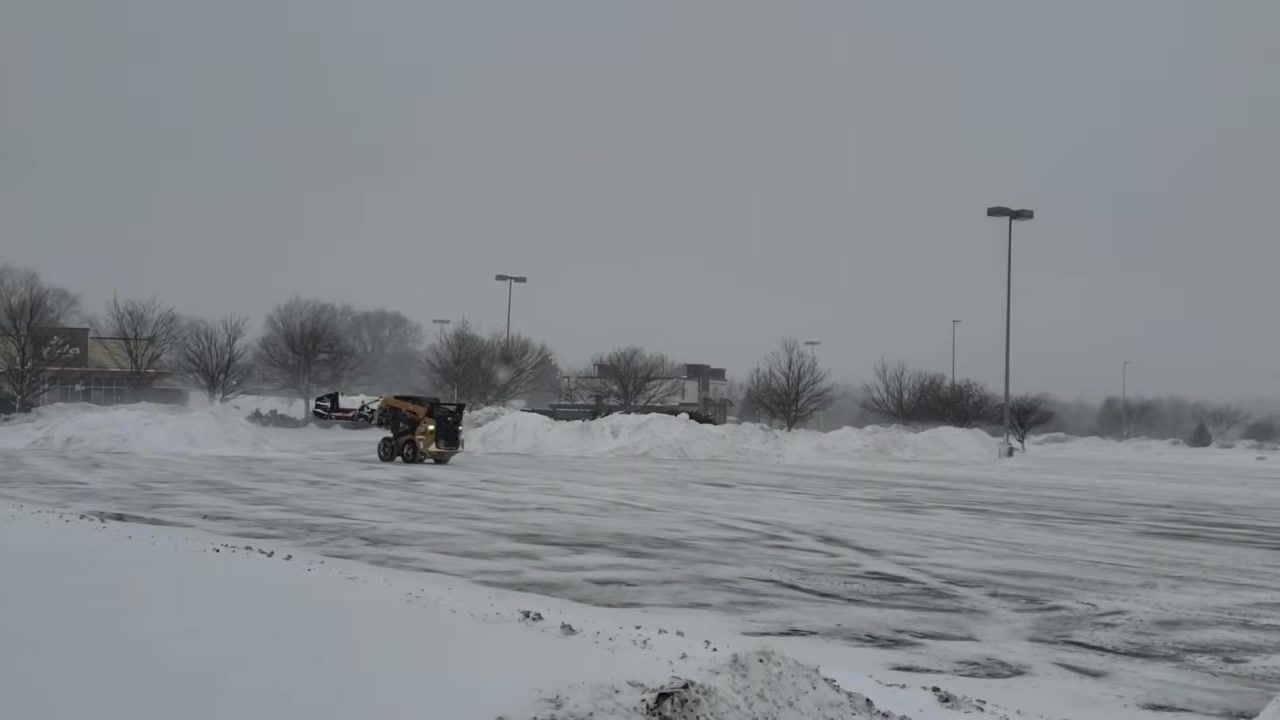
Nebraska weather is a reason people leave, and I'm not going to sugarcoat it. We get all four seasons, and none of them are subtle. Winters are cold, sometimes brutally cold, with snow and ice that can last for months. Summers are hot and humid, with stretches in the 90s and occasional severe storms. Spring brings tornado warnings. Fall is the one season that consistently delivers, but it's short.

If you've never lived in a place with real winter, it's a bigger adjustment than you think. It's not just the cold. It's the gray skies from November through March, the wind, the ice on your driveway, and the fact that you can't just walk outside without planning for it. Some people adapt. Some people don't, and they leave after a year or two.

The weather also affects your home. You need a good furnace, a good AC unit, and you need to maintain both. Roofs take a beating from hail. Basements can flood in heavy rain. These aren't deal-breakers, but they're ongoing costs and ongoing maintenance that you don't have in every climate.

Homeowners Insurance: Rising Costs Across the Metro

Homeowners insurance costs are going up across Omaha, and it's hitting people hard. Severe weather, especially hail and wind damage, has driven claims up, and insurers are responding by raising premiums or pulling out of the market entirely. If you're buying a home here, you need to get an insurance quote before you close, not after.

I've seen buyers get surprised by insurance costs that are double or triple what they were paying in their previous state. And if you're buying an older home, or a home in an area that's seen a lot of claims, your premium can be even higher. Some buyers are finding that the insurance cost alone changes the affordability equation.

This is also affecting sellers. If your buyer can't get affordable insurance, or if their lender requires a policy that's too expensive, deals can fall apart. It's not as common as an appraisal issue, but it's becoming more frequent, and it's something both sides need to plan for.

Schools and Transportation: Gaps That Push Families Out

School districts and public transportation are two areas where Omaha has gaps, and those gaps push some families out. The metro has multiple school districts, and quality varies. Some districts are strong, some are struggling, and if you're relocating with children, you need to research the specific district and school, not just assume that Omaha schools are good across the board.

Public transportation is limited. Omaha is a car city. If you don't drive, or if you're trying to live without a car, your options are extremely limited. There's a bus system, but it doesn't cover the whole metro, and it's not frequent or reliable enough for most people to use as their primary transportation. If you're coming from a city with real public transit, that's a significant lifestyle change.

These two issues overlap for some families. If you want walkability, local schools, and access to transit, Omaha doesn't offer that combination in most neighborhoods. You can find local schools in the suburbs, but you'll need a car. You can find walkability in a few urban pockets, but the school options there are more limited. It's a trade-off, and for some families, it's a trade-off they're not willing to make long-term.

Nebraska's Brain Drain Problem

Nebraska has a brain drain problem, and it's affecting Omaha. Young professionals, especially college graduates, are leaving the state for cities with more job opportunities, higher wages, or a lifestyle they can't find here. Some of them come back later, but a lot don't. That creates a cycle where the talent pool shrinks, which makes it harder for companies to grow here, which makes it harder to attract and retain young professionals.

This isn't unique to Nebraska, but it's more pronounced here than in some neighboring states. If you're relocating here for work, you'll probably be fine. If you're relocating here and hoping to find work, especially in a specialized field, you need to research the job market carefully. Omaha has strong industries, but it's not a deep market in every sector.

Is Omaha Still Affordable?

Omaha is still affordable compared to a lot of markets, but it's not the screaming deal it was five years ago. Home prices have gone up, interest rates have gone up, and the carrying costs, taxes, insurance, utilities, have all gone up. If you're coming from a high-cost market, you'll probably still feel like you're getting value. If you're coming from a lower-cost market, or if you're a first-time buyer trying to break in, it's a tighter squeeze.

The question isn't whether Omaha is affordable in absolute terms. It's whether it's affordable for you, based on your income, your down payment, and what you're willing to trade off. A $300,000 house here might cost you $500 a month more in taxes and insurance than a $300,000 house in another state. That's real money, and it changes what you can afford.

New Construction vs. Older Homes: What Buyers Are Choosing

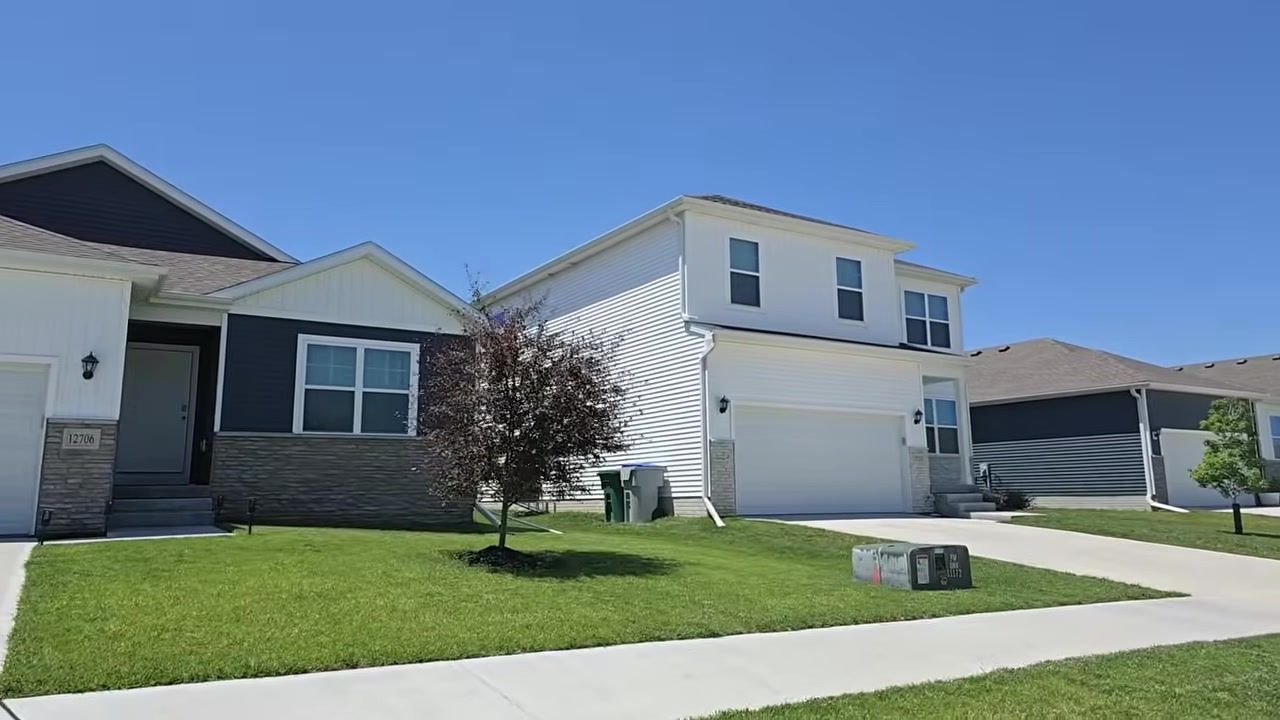
Buyers are split between new construction and older homes, and the decision often comes down to trade-offs around cost, location, and maintenance. New construction is popular because it's move-in ready, energy-efficient, and you don't inherit someone else's deferred maintenance. But it's more expensive upfront, and a lot of new construction is in the suburbs, which means a longer commute if you work in central Omaha.

Older homes are more affordable and often in more established neighborhoods closer to the city. But they come with higher utility costs, more maintenance, and the risk of big-ticket repairs like a roof or furnace. If you're handy or you have a budget for repairs, an older home can be a great value. If you want predictability and low maintenance, new construction makes more sense, even if it costs more.

The other factor is taxes. New construction often has lower taxes in the first year, but they go up. Older homes have more predictable taxes, but they're often higher as a percentage of the purchase price. You need to run the numbers on both before you decide.

What Omaha Home Sellers Need to Know

If you're selling in Omaha right now, you need to understand that buyers are more cautious than they were two years ago. They're asking about taxes, insurance, utility costs, and condition. If your home has deferred maintenance, or if your taxes are high relative to the neighborhood, that's going to come up in negotiations.

Pricing is critical. Overpricing in this market means you sit, and sitting means you end up taking less than if you'd priced it right from the start. Buyers have options, and they're comparing your home to everything else available. If your home isn't competitive on price, condition, or cost of ownership, they'll move on.

The other thing sellers need to know is that the buyers who are leaving Omaha aren't your market. Your market is the people moving here, the people upsizing, and the people who are staying. Focus on what makes your home appealing to those buyers, not on trying to justify a price based on what you paid or what you think it should be worth.

The Real Cost of Buying a Home in Omaha

The real cost of buying a home in Omaha is more than the purchase price. It's the taxes, the insurance, the utilities, the maintenance, and the lifestyle trade-offs. If you're relocating here, you need to calculate all of that before you make an offer. And if you're selling, you need to understand that buyers are doing that math, and it's affecting what they're willing to pay.

Omaha is still a good place to live for a lot of people. But it's not the right place for everyone, and the people who are leaving have legitimate reasons. If you're thinking about moving here, or if you're thinking about leaving, the key is to be honest about what you need and what you're willing to trade off. That's the only way to make a decision you won't regret.

If you want to talk through your specific situation, whether you're buying, selling, or just exploring your options, let's get on a call. I'll walk you through the numbers, the neighborhoods, and the trade-offs so you can make a decision based on your actual priorities, not just what the market is doing. 

FAQ

Why are property taxes so high in Omaha?

Nebraska funds schools and local services primarily through property taxes rather than income tax. That means your annual tax bill covers more than just city services, and it's a bigger percentage of your housing cost than in many other states. Always review the actual tax bill for a property before making an offer.

Is Omaha still affordable compared to other cities?

Omaha is more affordable than many coastal and large metro markets, but it's not as cheap as it was five years ago. Home prices, taxes, insurance, and utilities have all increased. Whether it's affordable for you depends on your income, where you're moving from, and what you're willing to spend on total housing costs, not just the mortgage.

How bad is the weather in Omaha really?

Winters are cold, often below freezing for extended periods, with snow and ice. Summers are hot and humid, regularly in the 90s. Spring brings severe storms and tornado warnings. Fall is mild and pleasant but short. If you've never lived in a four-season climate with real winter, it's a bigger adjustment than most people expect.

Can I live in Omaha without a car?

Public transportation in Omaha is limited. The bus system exists but doesn't cover the entire metro and isn't frequent or reliable enough for most people to use as primary transportation. Omaha is a car city, and if you don't drive, your housing and lifestyle options will be significantly restricted.

Are homeowners insurance costs really going up?

Yes. Severe weather, especially hail and wind damage, has driven claims up across the metro, and insurers are responding with higher premiums. Some are pulling out of the market entirely. Get an insurance quote before you close on a home, because the cost can be significantly higher than you expect, especially for older homes.

What should I know about Omaha schools before moving here?

The metro has multiple school districts, and quality varies significantly. Research the specific district and school your children would attend, not just the city or neighborhood. Do not assume all Omaha-area schools are strong. Contact the district directly to verify current information and programs.

DAVID MATNEY

David Matney is a trusted Realtor® and local expert with over 20 years of experience in Omaha’s real estate market. 

OMAHA RELOCATION GUIDE

img

WATCH OMAHA VIDEOS

Why Foreclosures Are Rising in 2026 video still
By David Matney September 7, 2026
Foreclosure activity is climbing in 2026, but is Omaha heading for a crash? I break down what's really happening and why today's market is nothing like 2008.

Two people beside a red “FOR SALE” sign, with bold text reading “YES! YOU MUST DISCLOSE! LIVE.”
By David Matney September 2, 2026
Learn what’s changing in Omaha real estate seller disclosures, including sewer lines, lead-safe renovations, smart devices, and estate-sale exemptions.
Zillow-style banner over aerial homes and a man’s portrait with text: “They Hate It Here!”
By David Matney August 27, 2026
Explore key tradeoffs of Omaha neighborhoods including school quality, property taxes, construction impacts, and commute. Learn how to compare before you buy.

Man grimacing beside faucet pouring rusty water, with city skyline and text “DON’T DRINK THIS!”
By David Matney August 26, 2026
Explore where Omaha water comes from, how hard water impacts plumbing, and which tests and treatments (softeners, carbon filters, reverse osmosis) help most homes.
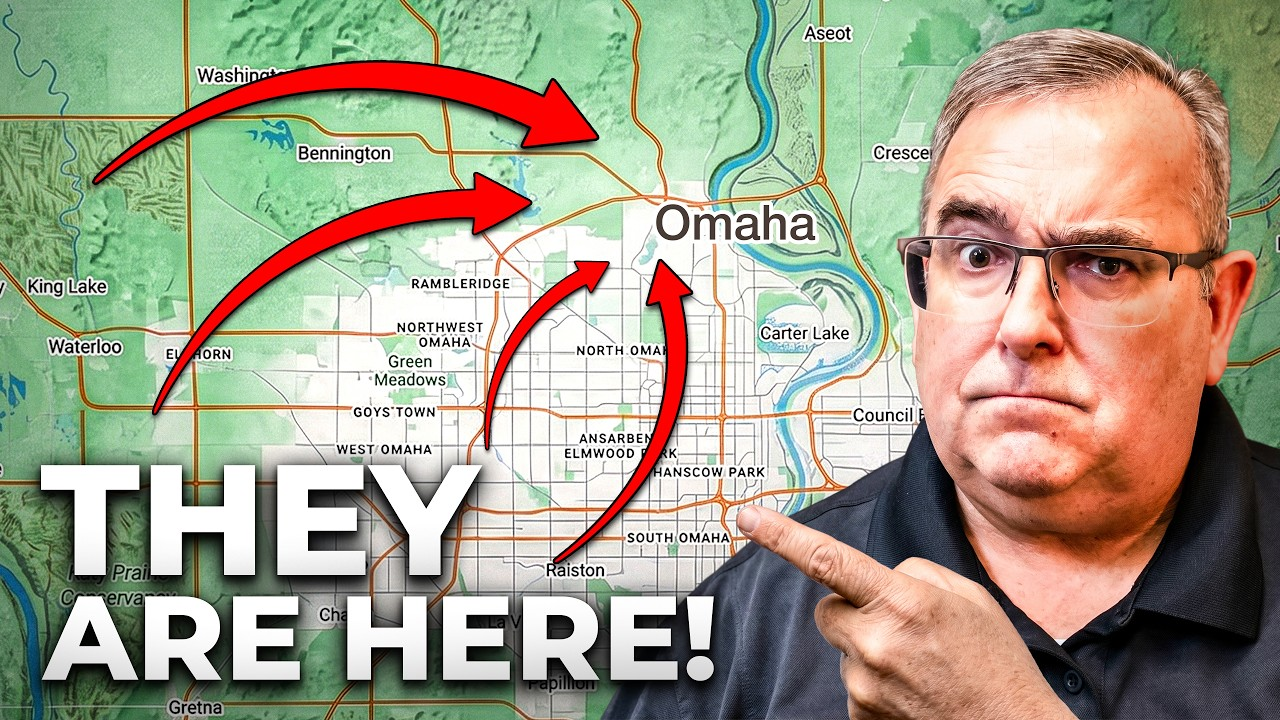
Man pointing at map of Nebraska with Omaha labeled, red arrows, and bold text “THEY ARE HERE!”
By David Matney August 20, 2026
Explore Omaha luxury real estate in Valley, Waterloo, Bennington, Gretna, Elkhorn, and beyond, from lake living and acreage to waterfront homes.

Two men in a live tax assessor thumbnail, one pointing at bold “TAX ASSESSOR” text over a city skyline
By David Matney August 12, 2026
Learn how Douglas County assesses property values, how they affect taxes, what to check each June, and how to protest your assessed value.
Man covering mouth beside bold text “Keep out of Omaha” over a city skyline and river.
By David Matney August 6, 2026
Discover what it’s really like living in Omaha, NE, including neighborhoods, growth, transportation, housing costs, taxes, schools, and everyday life.
Hard-hat man pointing at a house with a red LIVE label in the corner
By David Matney August 5, 2026
Explore how Charleston Homes makes new construction homes in Omaha easier with clear timelines, floor plans, upgrade choices, lots, basements, garage, and financing.
Split-screen neighborhood comparison with
By David Matney August 3, 2026
A practical guide to ranking Omaha suburbs from one to five starsplus the real factors that matter for moving: budget, commute, housing options and long-term fit.
LIVE graphic with U.S. map and man’s face, text reads “FROZEN HOME SALES!”
By David Matney July 31, 2026
Omaha real estate market analysis: Higher mortgage rates are slowing sales, inventory is rising, and home prices remain relatively stable.
Show More