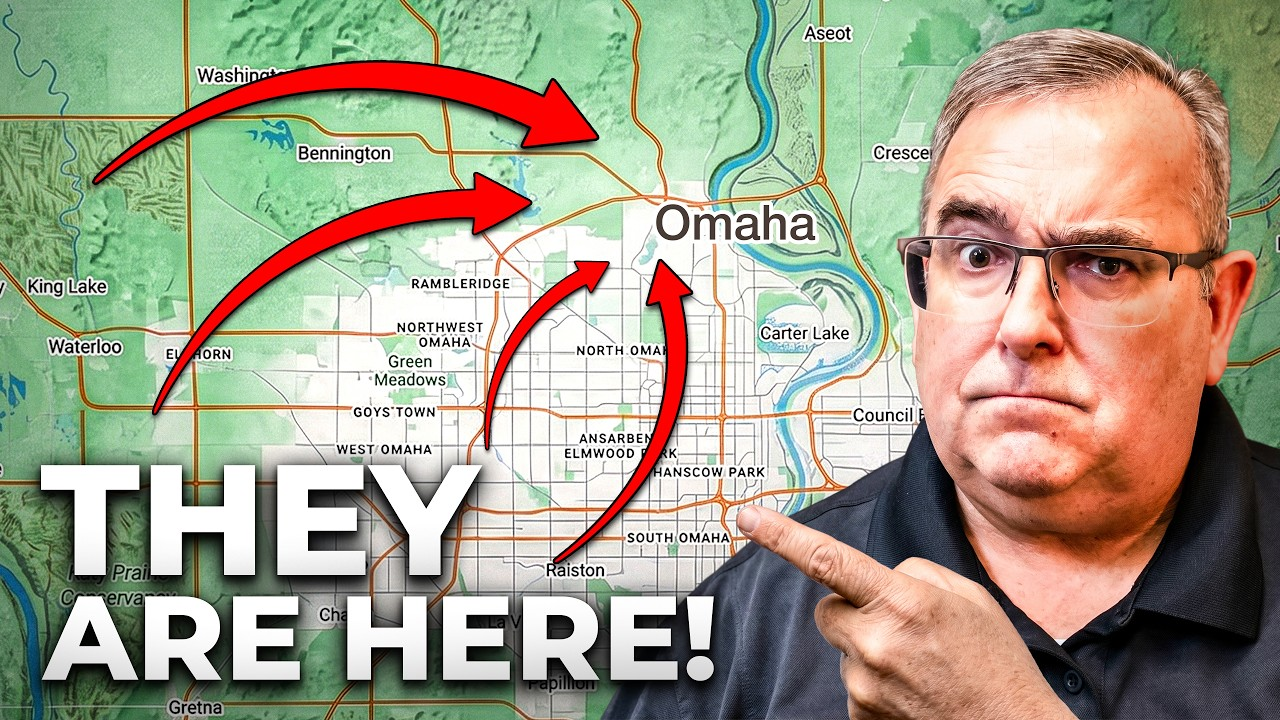
Where the Old Money Actually Lives in Omaha: 6 Historic Neighborhoods
Everyone assumes Omaha's old money starts and ends with Warren Buffett, the guy who still lives in the same house he bought in 1958. But he's not even close. Long before the phrase Oracle of Omaha ever existed, this city was already creating enormous fortunes through cattle, railroads, banking, and industry. In 1863, Congress authorized the Union Pacific Railroad to build westward from the Missouri River, and Omaha was selected as the eastern terminus of the Transcontinental Railroad. Think about what that meant for a city of maybe 2,000 people. Almost overnight, Omaha became strategically important.
Fortunes were made very quickly, and with those fortunes came a question that shaped nearly every American city: where do the wealthy choose to live? The answer in Omaha wasn't one neighborhood. It was a progression, a westward march that tells the story of how this city grew and where its wealthiest families chose to put down roots.
In this blog, I'm breaking down six Omaha neighborhoods that tell that story, where the old money lived, where it moved, and what those neighborhoods are like for buyers today. We'll start with Field Club surrounding Hanscom Park and move west through the Gold Coast's grand mansions, the intentional prestige of Country Club, the walkable character of Dundee and Happy Hollow, the automobile-era design of Fairacres, and finally the secluded privacy of Old Loveland. Each neighborhood represents a different era of Omaha wealth, and each one comes with trade-offs you need to understand before you buy.
Table of Contents
- Field Club: Omaha's Early Wealthy Neighborhood
- Gold Coast: Mansions, Railroads, and Old Money
- Country Club: The "Showplace of Omaha"
- Dundee and Happy Hollow: Walkable Character and Wartime History
- Fairacres: Wealth Moves West for the Automobile Era
- Old Loveland: Privacy, Large Lots, and Luxury Homes
- Which Historic Omaha Neighborhood Fits Your Priorities?
- Conclusion
Field Club: Omaha's Early Wealthy Neighborhood
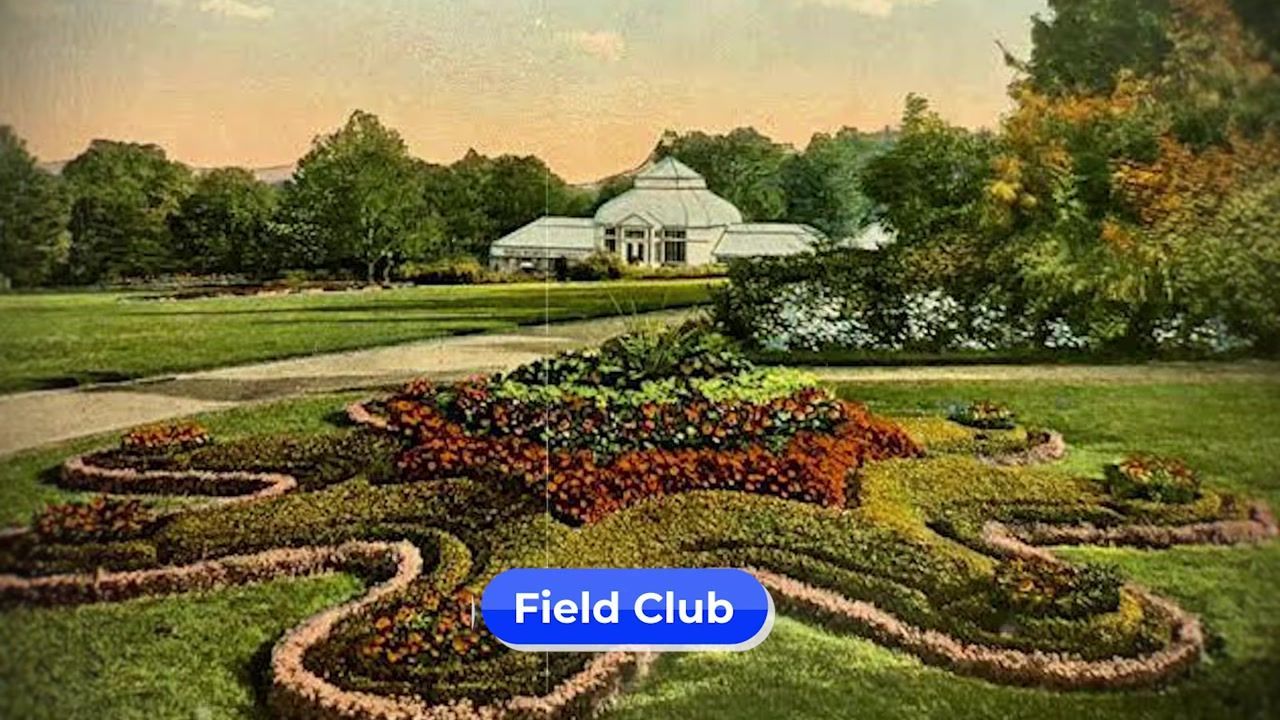
In the late 1800s, downtown Omaha was becoming crowded, noisy, and increasingly industrial. For businessmen who had made their fortunes downtown, the answer was pretty simple: move out. And the streetcar made that possible. New streetcar lines allowed wealthy Omaha families to live farther from downtown while still commuting back and forth to the city for work. Some began building substantial homes on the hills surrounding Hanscom Park in an area that would eventually become known as Field Club .
But the neighborhood's real building boom came around 1910, and this is where Field Club connects directly to one of the biggest sources of wealth in Omaha history: the South Omaha Stockyards. As the livestock and meatpacking industries exploded, executives and businessmen connected to the stockyards started looking for homes that were close enough to South Omaha for work but far enough away to feel private. Field Club became one of those places.
Today, the heart of the neighborhood is Woolworth Avenue. You've got the wide grassy median, mature trees, and historic homes ranging from Queen Anne and American Foursquare to Craftsman and Colonial Revival architecture. The neighborhood is surprisingly small, the historic district covers only about 16 blocks tucked between Hanscom Park on one side and the Field Club of Omaha on the other. It also has some remarkable history. Gerald Ford, the 38th President of the United States, was born right here on Woolworth Avenue.
Why Wealth Didn't Stay in Field Club
Here's why Field Club is the beginning of our story and not the end. The wealth didn't stay here. As Omaha continued growing west, many of the city's wealthiest families moved right along with it. Field Club remained a beautiful historic neighborhood, but newer neighborhoods eventually became the preferred addresses for Omaha's elite. The architectural character is still there, but the prestige moved on.
Gold Coast: Mansions, Railroads, and Old Money
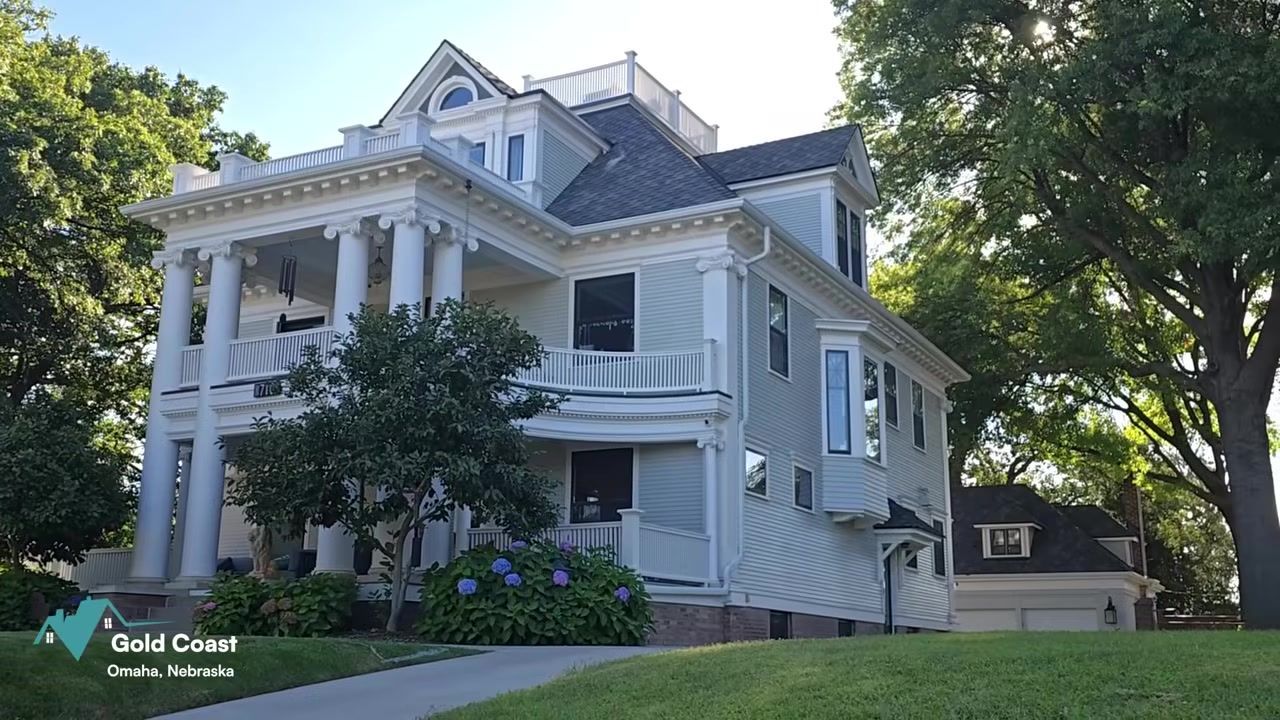
As Omaha's businessmen became even wealthier, one neighborhood eventually surpassed Field Club, and this is probably the neighborhood most people picture when they think old money mansions in Omaha: the Gold Coast . Starting in the 1880s and continuing through the 1920s, the Gold Coast became one of Omaha's premier addresses, and this is where some of the names behind Omaha's early fortunes really started showing up on the map. The Koons brothers, who built a banking empire. George Joslyn, who made his fortune in newspaper syndication. And families whose wealth was tied directly to the stockyards and the railroad.
We're not talking about nice homes. We're talking about 20- and 30-room mansions, three and four stories tall, imported woods, hand-carved woodwork, Tiffany glass fixtures, and stained glass windows that might look more at home in a cathedral. Interestingly, the area took its name from an earlier version of Gold Coast along South 10th Street, but as Omaha grew, the truly wealthy moved west and this newer neighborhood took over as the prestige address.
Today, the district runs roughly from Cumming Street to Jones between 36th and 40th Streets. It includes areas around Blackstone Cathedral and Joslyn Castle, which still stands today as probably the most visible monument to that era.
What Buyers Need to Know About the Gold Coast Today
There's something else interesting about the Gold Coast. Unlike some old money neighborhoods that were built almost exclusively for wealthy families, this area wasn't completely isolated. Middle income families built smaller and more modest homes right alongside some of these enormous mansions. So even at its peak, this wasn't simply a bubble of wealth separated from the rest of Omaha. It was part of the fabric of the city.
Today, many of those historic mansions and estates have been converted into apartments, and some were torn down over the years to make way for new development. If you're looking at a property in this part of Omaha, you need to pay close attention to parking. And there's another consideration: lead. Parts of eastern Omaha fall within the Lead Superfund site, where historic industrial emissions contaminated residential soil. The city maintains a property-by-property lead registry where you can see information about soil testing, cleanup, and exterior paint.
The Gold Coast gives us the first really dramatic picture of Omaha wealth. But it also gives us our first reminder that even mansions aren't permanent, because the westward march was only getting started.
Country Club: The "Showplace of Omaha"
In 1899, several prominent Omaha leaders purchased a large portion of John A. Creighton's land to establish the Omaha Country Club. And at the time, this was considered deep in the country. For nearly 35 years it served as one of Omaha's premier golf courses. Eventually the property was sold for $150,000, that would be approximately $2.9 million in 2026 dollars when adjusted for inflation.
Then in the 1920s, the Metcalf Company began buying up the former Omaha Country Club property. They laid out a six-block stretch of Midtown and marketed it with a pretty bold slogan: the "Showplace of Omaha." This wasn't an ordinary development. This was intentional high-end prestige.
Architecture and Deed Restrictions
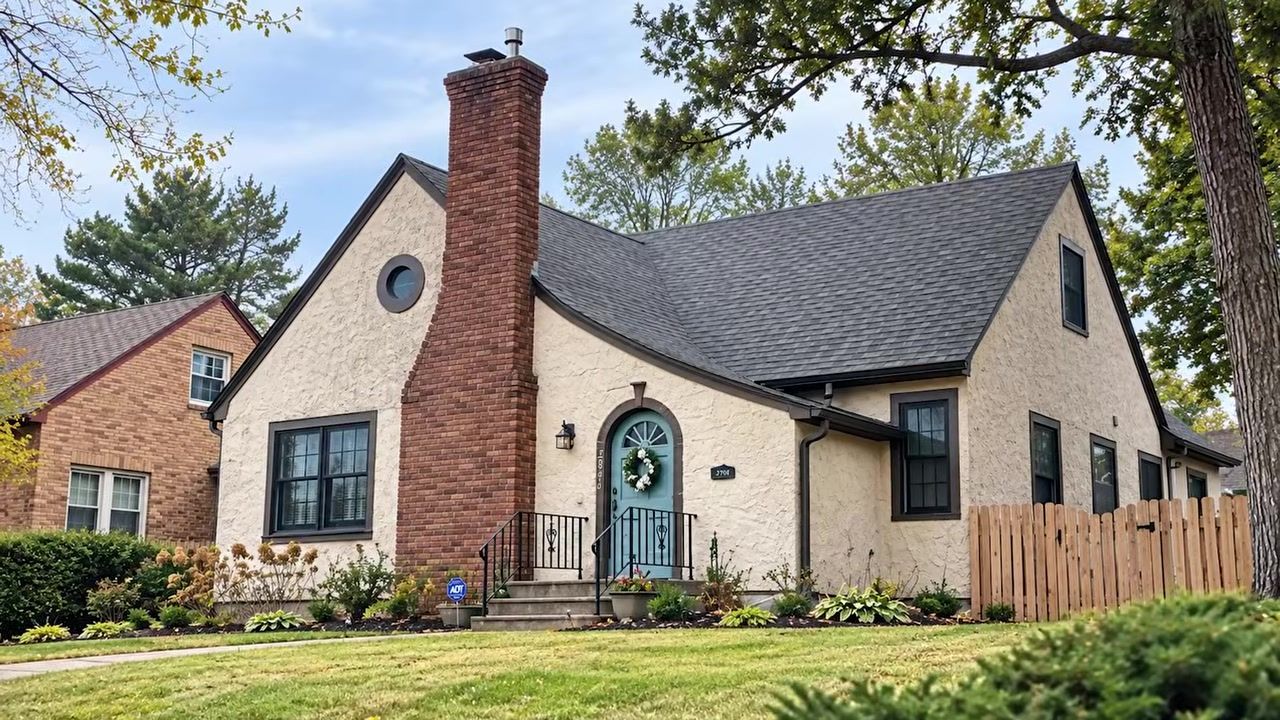
Metcalf had a very specific vision. Deed restrictions required high construction standards and discouraged mass-produced cookie-cutter designs. Instead, local builders and architects created custom homes, especially Tudor Revivals and large colonial designs: sweeping brick facades, tall stone chimneys, steep gables, slate roofs. No two homes were supposed to look exactly alike, but together they created a neighborhood with a very consistent architectural character.
Now, if you're looking to buy in Country Club , I'm not just thinking about the character and craftsmanship. I'm thinking about the maintenance that comes right along with it. I've seen buyers underestimate both costs and the level of specialized skill that can be required to work on homes like these. That makes the inspection period especially important. With homes this age, I consider a sewer scope inspection extremely important.
Nearby historic districts saw some of their prestige fade as suburban development pulled buyers further west, but Country Club never completely slipped.
Dundee and Happy Hollow: Walkable Character and Wartime History
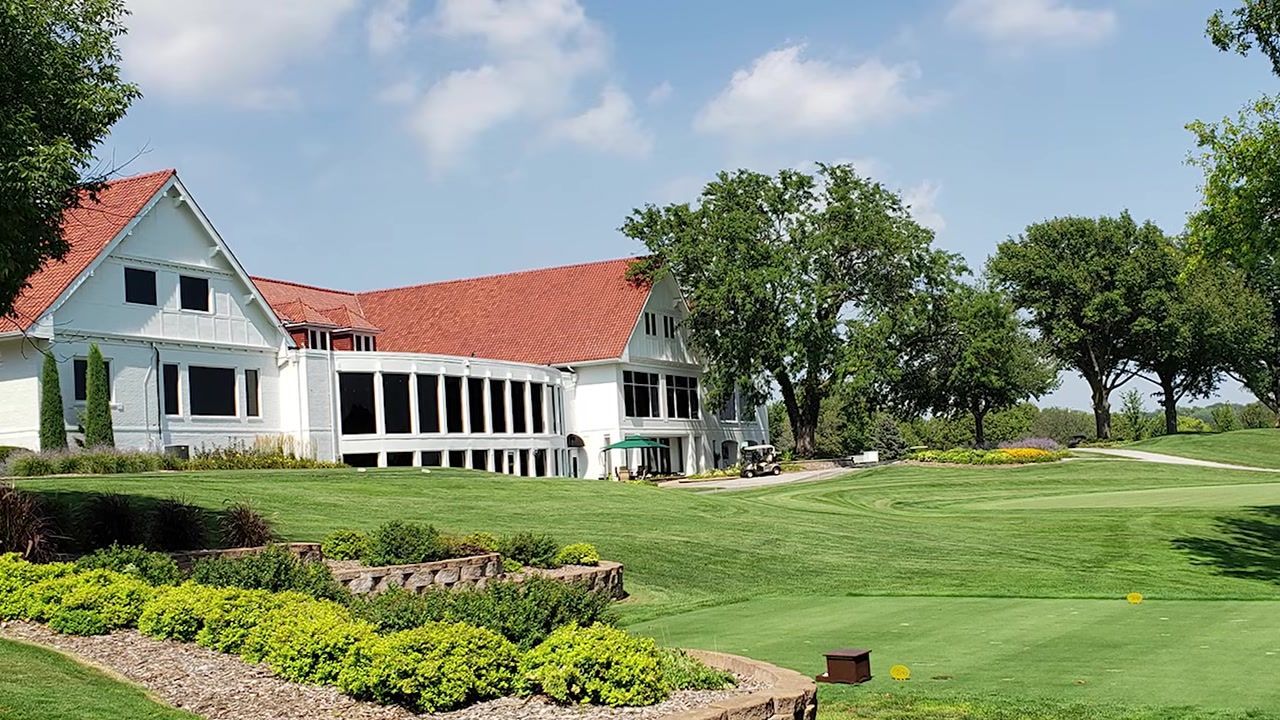
Our next stop in the westward march brings us to Dundee , one of Omaha's most recognizable historic neighborhoods. In the early 1900s, much of this area was part of a private estate owned by the Patrick family. After the family patriarch died in 1905, his mansion was actually repurposed as the clubhouse for the newly formed Happy Hollow Club. So in a very literal sense, this area grew up around one family's estate.
Location-wise, you're in a pretty incredible spot. You're near Midtown and Fairacres. You've got Memorial Park and Elmwood Park nearby, and Dundee itself gives you walkable restaurants, shops, and neighborhood businesses.
The Japanese Balloon Bomb Incident
But then there's the history. On the night of April 18, 1945, residents heard what sounded like fireworks exploding overhead. It wasn't fireworks. High in the sky near 50th and Underwood, a Japanese hydrogen balloon bomb exploded. It was one of more than 9,000 balloon bombs launched across the Pacific during the final months of World War II. Nobody was injured, but the United States government imposed an immediate news blackout because they didn't want Japan to know that the balloons had successfully reached the American heartland.
Trade-Offs with Older Homes
If you're considering buying in Dundee, you have to think realistically about the age of these homes. You might have some of the functional trade-offs that come with older homes: smaller closets, maybe a one-car garage instead of two, fewer bathrooms, older floor plans, and depending on the property, dated finishes or major systems that need updating. But in exchange, you get architectural character, walkability, mature landscaping, and history you can't recreate in a new subdivision. Dundee isn't just a place to live, it's part of Omaha history.
Happy Hollow: Estate Origins and Club Prestige
Happy Hollow shares much of its origin story with Dundee. Both neighborhoods grew up around the Patrick family estate, and when that mansion became the clubhouse for the Happy Hollow Club after 1905, the area took on a distinct identity. You're still near Midtown and Fairacres, with Memorial Park and Elmwood Park nearby, and you get the same walkable character and mature landscaping that defines Dundee.
The functional trade-offs are similar too. Smaller closets, maybe a one-car garage instead of two, fewer bathrooms, older floor plans, and potentially dated finishes or major systems that need updating depending on the property. But the architectural character, the history, and the location are things you simply can't replicate in a newer subdivision.
Happy Hollow carries a prestige that comes from its club association and its place in Omaha's westward expansion story. It's not just about the homes, it's about being part of a neighborhood that helped define where Omaha's wealthy chose to live as the city grew.
Fairacres: Wealth Moves West for the Automobile Era
As Omaha's wealthy continued moving west, they eventually reached a neighborhood designed around something earlier generations didn't have to consider: the automobile. Fairacres sits just south of Dundee and west of Midtown, directly across Dodge Street from what is now the University of Nebraska at Omaha.
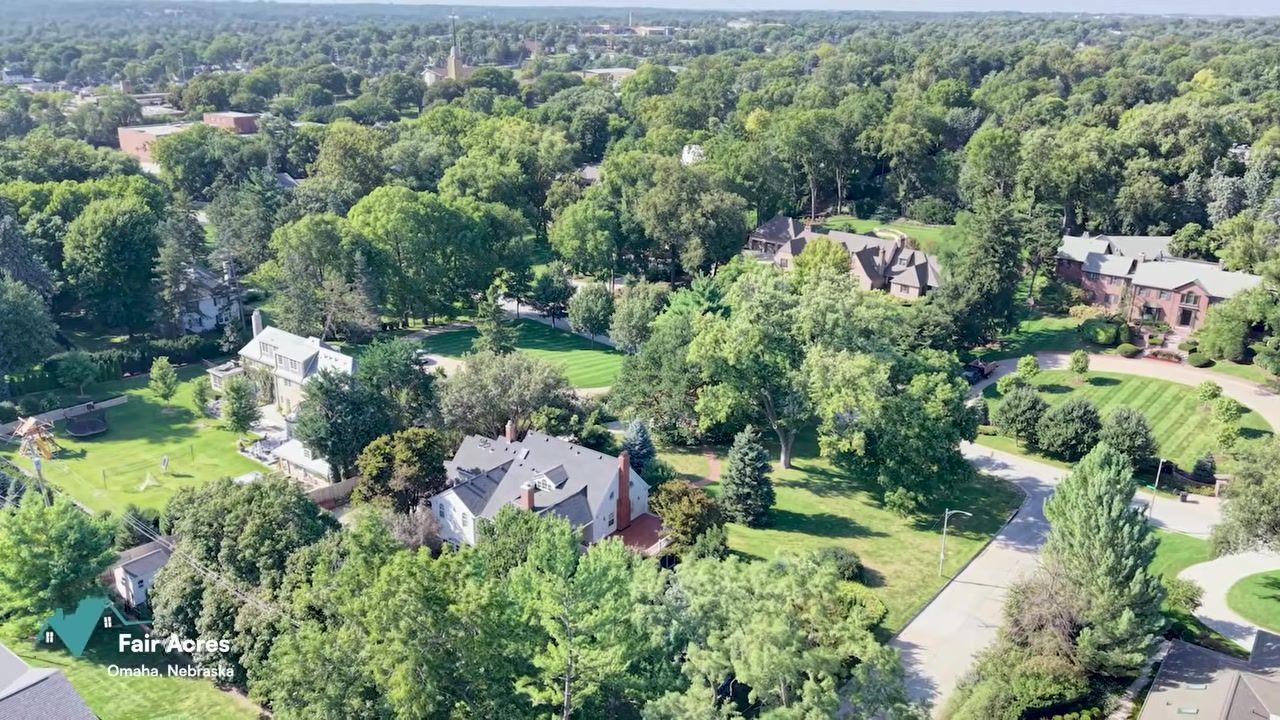
The land that eventually became Fairacres came together from several different sources: part of an old private estate, a neighboring farm, and even an unsuccessful subdivision from the 1880s that never really got off the ground. By the early 1900s, developers had consolidated much of that acreage. Eventually, a local development company took over and began building the neighborhood in earnest. They reportedly spent somewhere between $75,000 and $100,000 just on infrastructure, which was a serious amount of money at the time.
City Beautiful Design Principles
What makes Fairacres different from the neighborhoods we've already talked about is the era it was designed for. Fairacres was one of Omaha's early neighborhoods designed specifically with the automobile in mind. The neighborhood was laid out using what are often called City Beautiful principles: wide curving streets, large setbacks, generous lots, and a more spacious park-like feeling.
For the first time, wealthy families didn't necessarily need to live within walking distance of the streetcar line. They could drive. And once the automobile removed that limitation, distance from downtown mattered a whole lot less.
Competition for Turnkey Properties and Land
There's another thing buyers need to understand about Fairacres today. A lot of these homes have been extensively renovated and maintained to a very high standard. So when one comes on the market, you may be competing for something that is essentially turnkey. But even when the existing home isn't turnkey, you can still be competing for the land.
Old Loveland: Privacy, Large Lots, and Luxury Homes
Now we keep moving west to a neighborhood a lot of people drive right past without realizing it's even there: Old Loveland . Old Loveland sits roughly between 78th Street on the east and 84th Street on the west, Dodge on the north, and Pacific on the south. Instead of the traditional street grid you see across much of Omaha, the roads curve around hills and ravines. Mature trees create a dense canopy, and the neighborhood can feel almost like a secluded wooded park. Yet you're right in the middle of Omaha. Elmwood Park is nearby. Aksarben Village is just minutes away. And you're close to the commercial areas around 90th and Pacific.
From Love's Land to Old Loveland
To understand why Old Loveland looks this way, you have to go back to the 1920s. At that time, this was still largely open countryside. Much of it was a working dairy farm owned by Archibald "Archie" James Love. As Omaha continued expanding west past 72nd Street, Love began selling parcels of his land to buyers who wanted to build custom country estates away from the city center. This area became known as Love's Land. Over time, that evolved into Loveland.
When that neighborhood was eventually platted, developers made an important decision. Instead of leveling the terrain and forcing a traditional street grid into the property, they worked with the natural topography. Roads followed natural ridgelines, tree groves were preserved, and that decision helped create the secluded character Old Loveland still has today.
Lot Sizes and Pricing
The lots are one of Old Loveland's biggest selling points. While a typical Central Omaha lot might be a quarter acre or less, Old Loveland properties can range around 0.35 acres to well over an acre. You'll get deep front setbacks, long private driveways, huge backyards, and mature trees everywhere. That combination of space and privacy creates a lot of demand, but there's very little supply.
Old Loveland has only about 185 single-family homes, and in a typical year, very few of them ever come on the market. That scarcity is reflected in the pricing. More original ranches and traditional homes can fall into the mid $400,000s to $600,000s, while existing renovated homes and newer custom luxury properties can reach $1 million, $2 million, and beyond.
Which Historic Omaha Neighborhood Fits Your Priorities?
Omaha's old money story really isn't about one neighborhood. It's about movement. As Omaha grew west, its wealth moved right with it, from Field Club to the Gold Coast to Country Club, through Dundee and Happy Hollow into Fairacres, and eventually further west into places like Old Loveland. And Omaha's wealthy didn't stop there, Regency, Linden Estates, and newer luxury communities would continue the same westward march.
If you're trying to decide which of these neighborhoods fits your priorities, here's how I think about the trade-offs:
- Choose Field Club if you want historic architecture and proximity to Hanscom Park, and you're comfortable with the fact that this neighborhood's prestige peak has passed.
- Choose the Gold Coast if you want to live among Omaha's most dramatic historic mansions, but verify parking and check the city's lead registry for your specific property.
- Choose Country Club if you want intentional architectural grandeur and you're prepared for the maintenance costs and specialized repair needs that come with Tudor Revivals and custom colonial designs.
- Choose Dundee if walkability, restaurants, shops, and parks matter more to you than modern floor plans and two-car garages.
- Choose Happy Hollow if you want the same walkable character as Dundee with the added prestige of the club association.
- Choose Fairacres if you want City Beautiful design principles, wide curving streets, and generous lots, and you're prepared to compete for turnkey properties or land value.
- Choose Old Loveland if privacy, large lots, mature trees, and a secluded wooded feel are your top priorities, and you're comfortable with limited inventory and pricing that reflects scarcity.
Each of these neighborhoods tells a different chapter of Omaha's wealth story, and each one comes with a different set of trade-offs for buyers today.
Conclusion
Omaha's old money didn't stay in one place. It moved west as the city grew, from the streetcar-era estates of Field Club to the grand mansions of the Gold Coast, through the intentional prestige of Country Club, the walkable character of Dundee and Happy Hollow, the automobile-era design of Fairacres, and finally the secluded privacy of Old Loveland. Each neighborhood represents a different era of Omaha wealth, and each one offers something different for buyers today.
If you're planning a move to Omaha and want to understand which neighborhood fits your priorities, let's talk. I help people relocate to Omaha without costly mistakes, and I can walk you through the trade-offs that matter most to you. Book a free consultation call, and we'll go over your results from the Living in Omaha quiz so you can make a decision based on real information, not guesswork.
FAQ: Historic Old Money Neighborhoods in Omaha
Which Omaha neighborhood is considered the most historic for old money families?
The Gold Coast is probably the most iconic old money neighborhood in Omaha, with 20- and 30-room mansions built between the 1880s and 1920s for banking, railroad, and stockyard fortunes. Field Club came earlier, around 1910, but the Gold Coast is where you see the most dramatic architectural grandeur from that era. Country Club followed in the 1920s with intentional high-end prestige and deed restrictions that required custom designs.
Are homes in these historic Omaha neighborhoods expensive to maintain?
Yes, especially in Country Club and the Gold Coast. Homes with Tudor Revival architecture, slate roofs, hand-carved woodwork, and imported materials require specialized skill and higher costs for repairs. I've seen buyers underestimate both the expense and the difficulty of finding contractors who can work on homes like these. A sewer scope inspection is extremely important with homes this age, and you should budget for major systems that may need updating.
What are the main trade-offs with buying in Dundee or Happy Hollow?
You get architectural character, walkability, mature landscaping, and proximity to Memorial Park and Elmwood Park, but you may have smaller closets, a one-car garage instead of two, fewer bathrooms, and older floor plans. Depending on the property, you might also face dated finishes or major systems that need updating. You can't recreate this character in a new subdivision, but you have to be realistic about the functional trade-offs that come with older homes.
How large are the lots in Old Loveland compared to typical Omaha properties?
Old Loveland lots range from around 0.35 acres to well over an acre, compared to a typical Central Omaha lot of a quarter acre or less. You get deep front setbacks, long private driveways, huge backyards, and mature trees everywhere. That combination of space and privacy creates a lot of demand, but Old Loveland has only about 185 single-family homes, and very few come on the market in a typical year.
Do I need to worry about lead contamination in the Gold Coast?
Parts of eastern Omaha, including portions of the Gold Coast, fall within the Lead Superfund site where historic industrial emissions contaminated residential soil. The city maintains a property-by-property lead registry where you can see information about soil testing, cleanup, and exterior paint. If you're looking at a property in this area, verify the lead status for that specific address.
Which historic Omaha neighborhood offers the best walkability?
Dundee offers the most walkable character with restaurants, shops, and neighborhood businesses, plus proximity to Memorial Park and Elmwood Park. Happy Hollow shares much of that walkability and adds the prestige of the club association. Fairacres has wide curving streets and a park-like feel, but it was designed for the automobile era, so walkability to commercial areas is more limited.
DAVID MATNEY
David Matney is a trusted Realtor® and local expert with over 20 years of experience in Omaha’s real estate market.