11 Major Projects Transforming Omaha, Nebraska
If you own a home near 192nd and Dodge or past Highway 370 in Gretna or anywhere near North Downtown, its value is about to move because of what's being built 2 miles from your front door. Right now, there's more than $10 billion in construction underway across the metro. A historic warehouse district is turning into a brand new downtown neighborhood. A children's hospital is pouring $300 million into a research and patient care expansion. And if you want to know where the next wave hits, don't just watch the buildings, watch the roads. That's the county telling you where the growth is heading next.
I'm David Matney with Nebraska Realty, and I want to walk you through the 11 projects that matter most: what they cost, who's paying, and how they're already moving prices in the neighborhoods around them. Some are almost finished, some are just getting started, and a couple of them could tell us a lot about where Omaha grows next. West Omaha is becoming increasingly self-contained with employment centers, healthcare, retail, and schools. Central Omaha is reinvesting in existing institutions. Downtown is filling in the gaps between districts. And Sarpy County is betting on future demand with infrastructure that doesn't serve today's population, it serves the one coming in the next decade.
This isn't about every project happening in Omaha. It's about the ones that signal where value gets created before anyone else notices. Let's start west and work our way back downtown, then head south to see what Sarpy County is building that most people aren't paying attention to yet.
Table of Contents
- Tranquility Park Area
- Westside Community School
- Boys Town National Research Hospital
- Avenue One
- UNO Athletics: $67.5 Million in Privately Funded Training and Competition Facilities
- Millwork Commons
- Creighton's Campus Transformation: Nearly $300 Million Fly Together Initiative
- CHI Health Convention Center
- The Mercantile
- Omaha Public Market
- Sarpy County Road Expansion
- Which Projects Will Impact Your Neighborhood Most?
- Conclusion
Tranquility Park Area
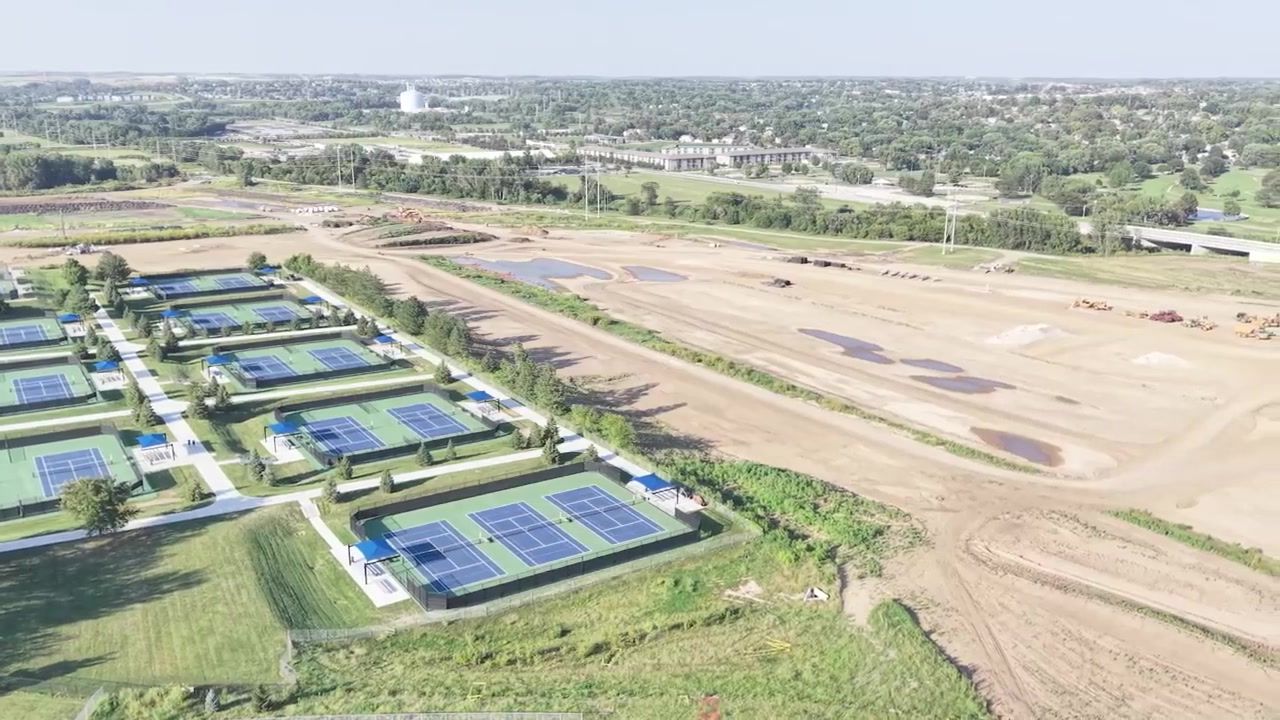
If you've driven near 120th and West Maple, you've probably already noticed something major happening at Tranquility Park. Tranquility isn't a new park, it's actually more than 50 years old, and it covers roughly 340 acres. It's extremely important to Omaha youth sports. There are currently 17 soccer fields there, along with 8 natural turf baseball fields, and roughly two-thirds of Omaha's Youth Soccer League games are played at Tranquility.
The city has much bigger ambitions for the property. The idea is to transform Tranquility into a regional tournament destination with synthetic turf fields capable of handling considerably more games. The original plan was ambitious. It called for as many as 13 to 16 synthetic multipurpose fields, along with as many as 8 to 11 synthetic baseball and softball fields. But this is also a good example of why you shouldn't assume that every development announcement happens exactly as it was originally proposed. Construction costs went up, timelines were pushed back, and the current phase was reduced.
Funding has also become a major issue. The original budget was around $54 million. More recent estimates have pushed the broader project toward the $60 to $70 million range. The city was counting on a state turnback tax program to help repay bonds, but in May of 2026, that request was denied. That leaves the city trying to fill a significant funding gap through some combination of city financing, capital improvement funds, grants, and private philanthropy.
There's another important part of this story if you use the mountain bike trails. Construction has closed significant portions of the existing trail system. The plan is ultimately to redesign much of the trail network into something more sustainable for biking, hiking, running, and walking. So I wouldn't look at this as simply Omaha replacing some soccer fields. The larger question is whether Tranquility eventually becomes a regional youth sports destination that generates another commercial node around 120th and Maple. If that happens, the neighborhoods immediately around the park could see a different kind of buyer interest, not just families looking for proximity to youth sports, but investors and developers watching for the next wave of retail and restaurant activity that follows tournament traffic.
Westside Community School
This one is interesting because we're talking about both taxpayer-approved bonds and a very large amount of private fundraising. Westside's new student life complex at the high school opened in late 2025. The centerpiece is the new Cal Bents Natatorium and competition pool. This isn't your basic high school swimming pool. The development also added a substantially larger performance and wellness center, another gym, locker rooms, training areas, a multipurpose room, and an innovation classroom. There are dedicated spaces for cheer, dance, baseball, and softball.
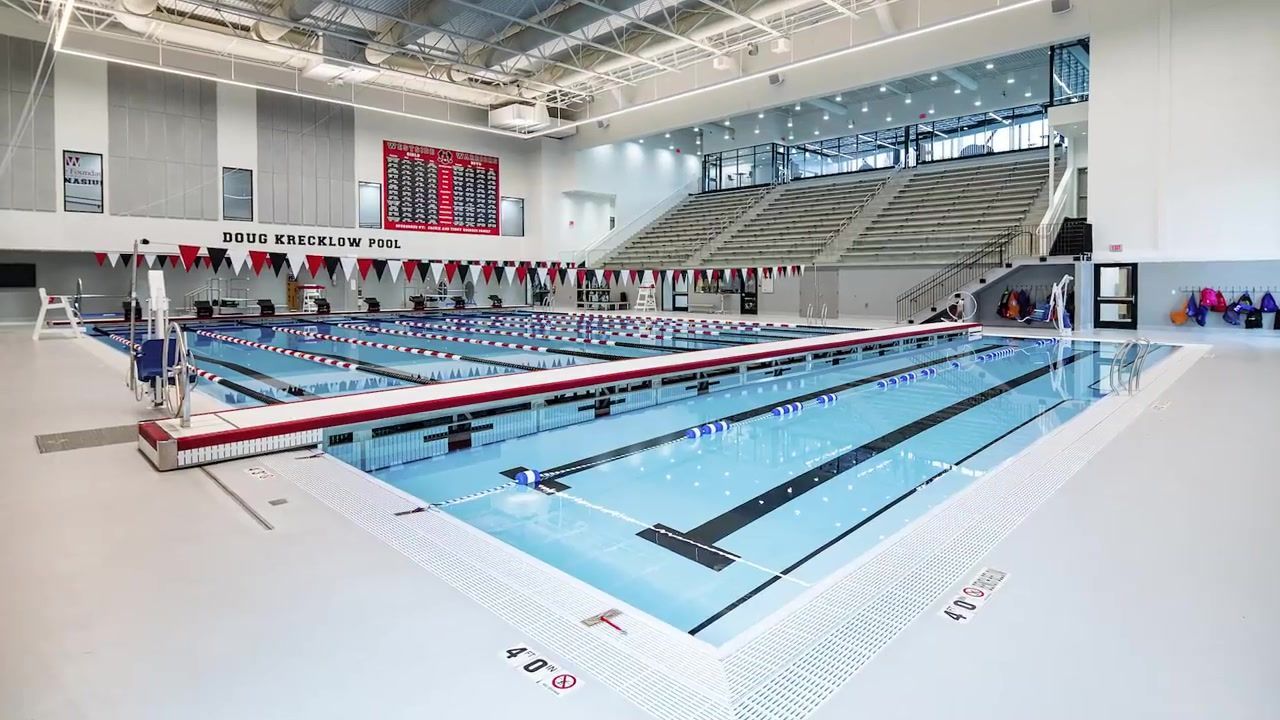
Private donations through the Westside Foundation's Impacting Excellence campaign raised approximately $34.2 million for the Student Life Complex. That's separate from Westside's $121 million Phase 2 facilities bond approved by voters in 2023. That bond is funding improvements throughout the district. Rockbrook and Paddock Road Elementary each received approximately $3.5 million additions.
Why include a school project in a video about Omaha development? Because school districts are part of the infrastructure of a community. People moving to Omaha don't evaluate neighborhoods solely based on the house. They look at the schools, the amenities, the parks, roads, and community facilities. Westside is making a deliberate investment in keeping its facilities competitive. That matters if you're trying to understand why certain West Omaha neighborhoods hold value or appreciate faster than others. Buyers pay attention to school infrastructure, and Westside is signaling that it's willing to invest, both publicly and privately, to stay ahead.
Boys Town National Research Hospital
Boys Town National Research Hospital is in the middle of a $300 million expansion near 144th and Pacific, and this is much more significant than simply adding another wing onto a hospital. We're talking about approximately 254,000 additional square feet. About 131,000 square feet will be new hospital space for things like acute care, imaging, and inpatient rooms. Another approximately 123,000 square feet will be dedicated to research laboratories and clinics.
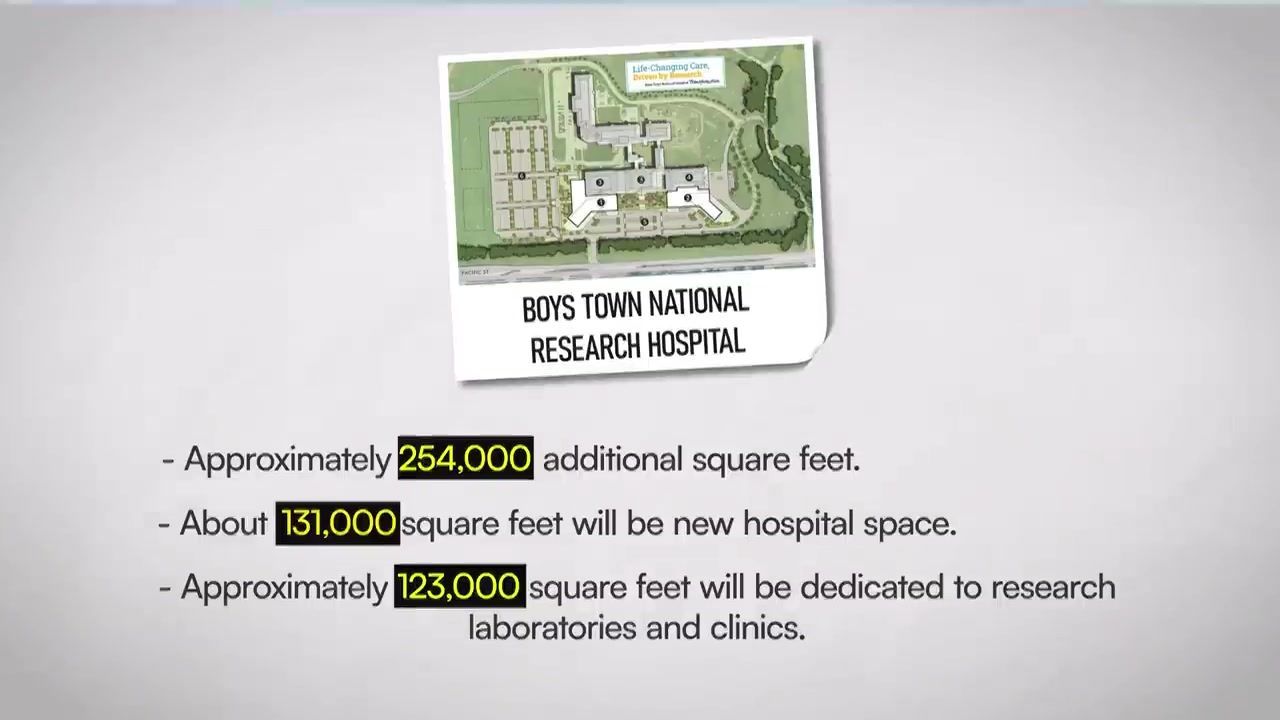
The project includes 2 new 4-story wings connected to the existing hospital, and the larger strategy is to physically bring researchers and physicians closer together. Construction began in late 2025, and the target opening is fall of 2027. From an Omaha development standpoint, there are 2 things that I think are important here. First, this is another $300 million institutional investment into the metro. That's significant itself. But second, healthcare is increasingly becoming part of West Omaha's employment infrastructure.
When you're talking about development along Pacific Street and further west, it's not simply rooftops following rooftops. You need employment centers, healthcare, retail, schools, and roads. Boys Town is adding high-paying jobs in research and specialized pediatric care. That creates demand for housing, restaurants, services, and everything else that follows employment growth. If you're trying to understand why West Omaha continues to grow while other parts of the metro flatten, projects like this are part of the answer.
Avenue One
Avenue One, located near 192nd Street and West Dodge Road, is a large-scale development that could reshape how people live, work, shop, and spend their free time in West Omaha. Spanning more than 200 acres, the project is designed around a modern main-street concept, bringing residential communities, office space, retail, restaurants, and outdoor amenities together in one destination.
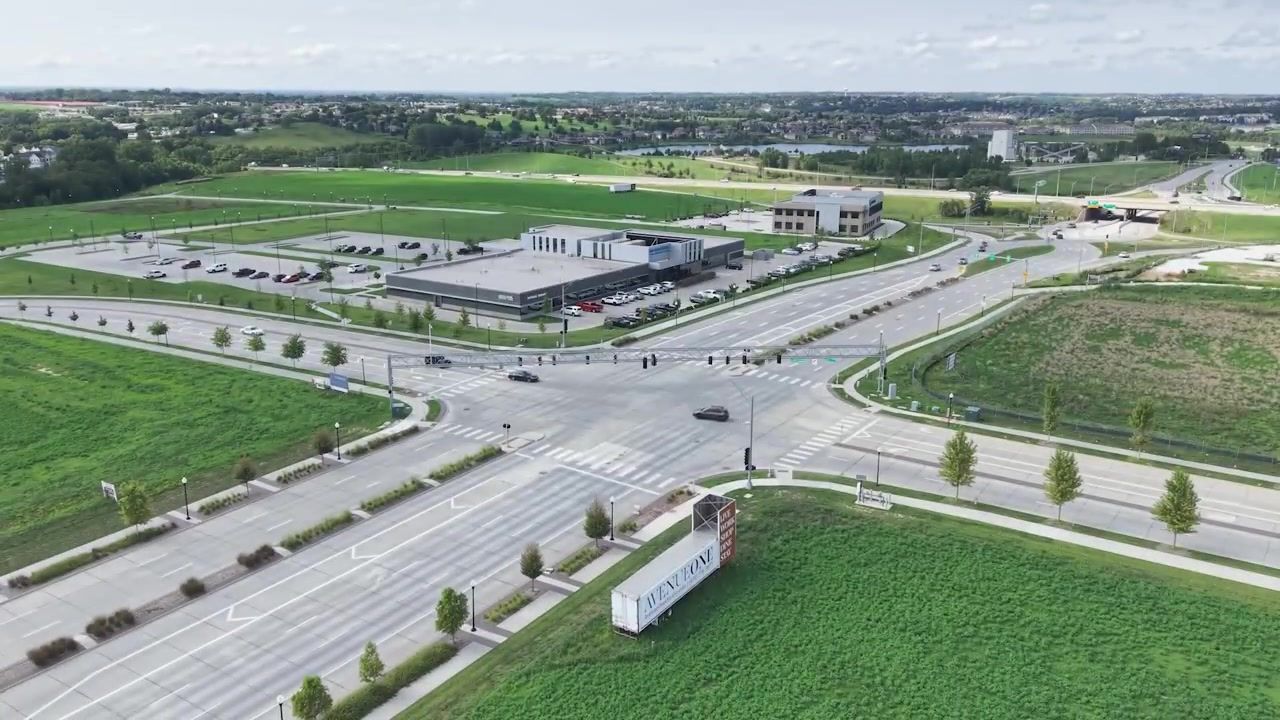
Plans call for more than 1,500 apartments and townhomes, over 785,000 square feet of Class A office space, and at least 26 acres of green space. Residents are also expected to have access to approximately six miles of trails, creating more opportunities to enjoy the outdoors close to home.
The residential side is already taking shape through Sundance Omaha, the first residential community within Avenue One, which has introduced more than 250 apartments to the development.
Retail is another major part of the plan. The first phase is expected to include approximately 233,000 square feet of retail space, with announced tenants including Ahuja's? (verify tenant name), West Elm, Williams Sonoma, Pottery Barn, Barnes & Noble, L.L.Bean, Perry's Steakhouse & Grille, and Ulta Beauty. As the project develops, these businesses could give West Omaha residents more shopping and dining options without having to travel as far for certain errands and experiences.
Location is another advantage. Avenue One sits near the Dodge Expressway and within reach of major healthcare facilities, including Methodist Women's Hospital and CHI Health Lakeside. For buyers considering a move to West Omaha, the development is worth watching as new residential, commercial, and recreational options take shape.
The big idea behind Avenue One is to create a central gathering place for far west Omaha rather than another development where homes, offices, and shopping are separated. How closely the finished project delivers on that vision will become clearer as additional phases open.
If you're exploring homes in West Omaha, keep an eye on how new developments like Avenue One could affect your daily commute, shopping options, and lifestyle. Comparing available homes and neighborhoods now can help you find the right fit for your needs.
UNO Athletics: $67.5 Million in Privately Funded Training and Competition Facilities
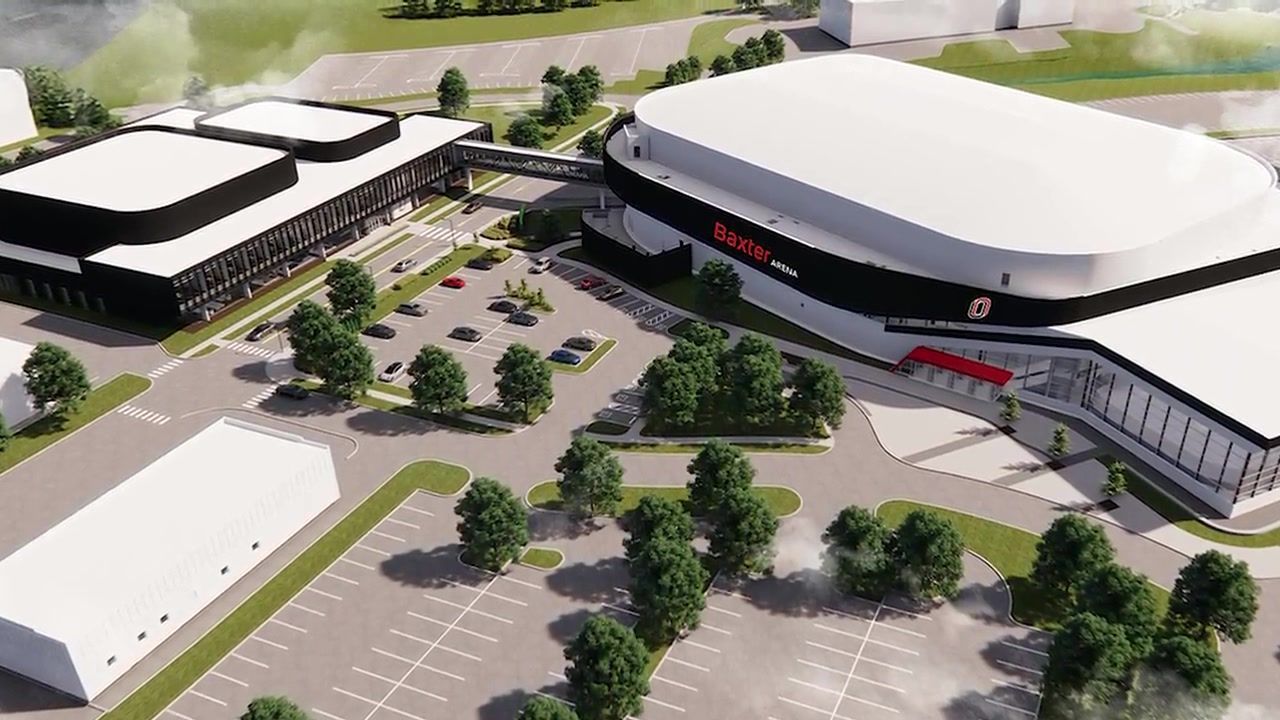
Moving back toward Central Omaha, the University of Nebraska at Omaha is making a substantial investment around Baxter Arena and Maverick Park. UNO is developing a new athletic training center costing approximately $55 million. It will be more than 75,000 square feet and sit just east of Baxter Arena. The facility will connect directly to Baxter with an elevated skywalk.
There will be 2 practice courts, including one that converts into approximately 1,300-seat competition or event space. You will also have locker rooms, sports performance facilities, strength and conditioning, recovery, nutrition, sports science, academic support, and mental health resources. And there's actually a practical business reason for this beyond recruiting athletes. Right now, Baxter Arena has to be converted between hockey, basketball, and volleyball. These conversions take time and money. Once basketball and volleyball have dedicated practice and competition space, Baxter has more availability for other events that generate revenue.
There's also a separate $12.5 million baseball and softball clubhouse coming to Maverick Park. So combined, we're talking about approximately $67.5 million in privately funded athletic investment. The training center is expected to be occupied around summer of 2028, with the baseball and softball project scheduled earlier. This matters because UNO is anchoring a part of Omaha that's seen significant residential and commercial development over the last decade. The neighborhoods around 67th and Dodge, near Aksarben Village, have transformed from aging commercial corridors into walkable mixed-use districts. UNO's continued investment signals that Central Omaha institutions aren't sitting still while growth moves west.
Millwork Commons
Now let's head downtown because I think one of the biggest stories in Omaha development isn't a single building. It's the gradual elimination of the gaps between the downtown districts. This roughly 50-acre area north of downtown was historically an industrial and manufacturing district. For decades, most Omaha residents had very little reason to go there unless they worked there. That's changing.
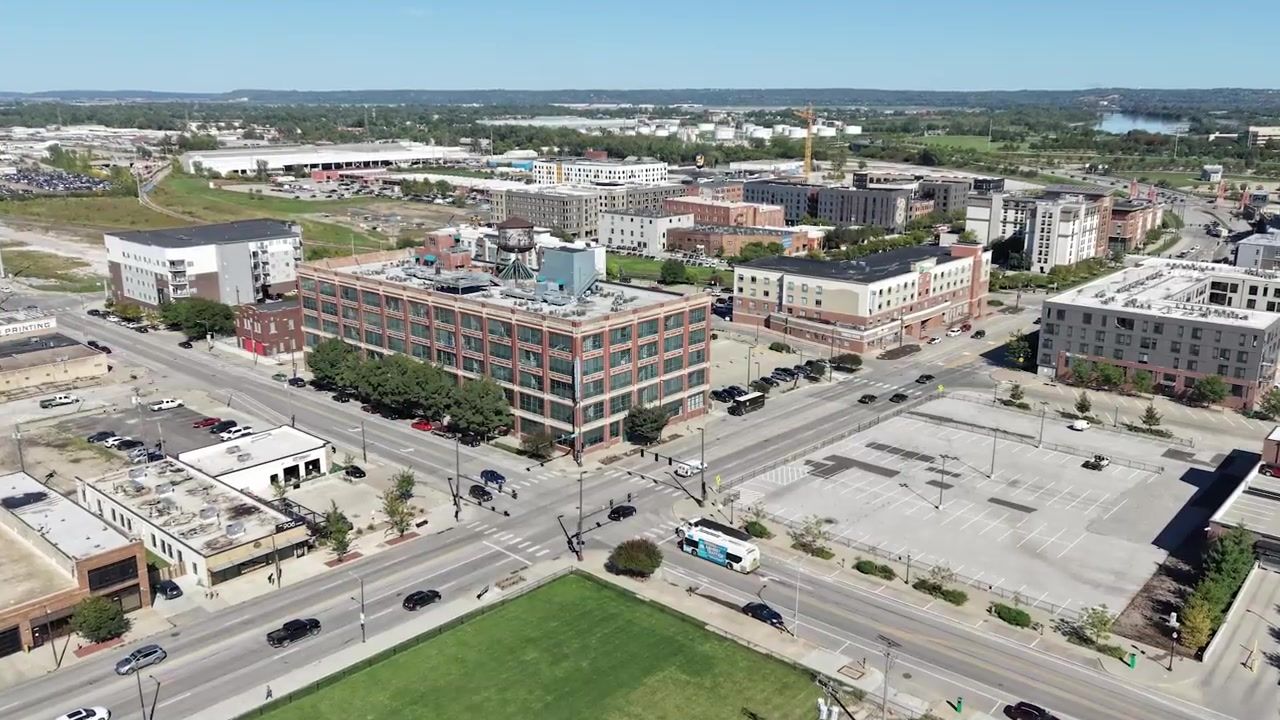
Historic manufacturing buildings are being repurposed into apartments, offices, restaurants, breweries, and retail. Hundreds of people now live and work in an area that wasn't traditionally viewed as a residential neighborhood, and more is coming. The Frame is under construction with approximately 146 apartments and around 10,000 square feet of retail. Another parking structure could bring roughly 600 to 650 parking spaces along with additional retail.
What makes Millwork particularly interesting is where it's located. Creighton is right next door. Charles Schwab Field and CHI Health Convention Center are nearby. Downtown is immediately south, and the Builders District is growing around it. So Millwork isn't isolated anymore. It's becoming one piece of a much larger north downtown neighborhood. For years, downtown Omaha has been defined by distinct pockets: the Old Market, the convention district, the riverfront parks, Creighton's campus. Millwork is filling in one of the last major gaps. That's important because walkability and density don't work when you have half-mile stretches of parking lots and vacant industrial buildings between destinations. Millwork is turning one of those gaps into a place people actually live.
Creighton's Campus Transformation: Nearly $300 Million Fly Together Initiative
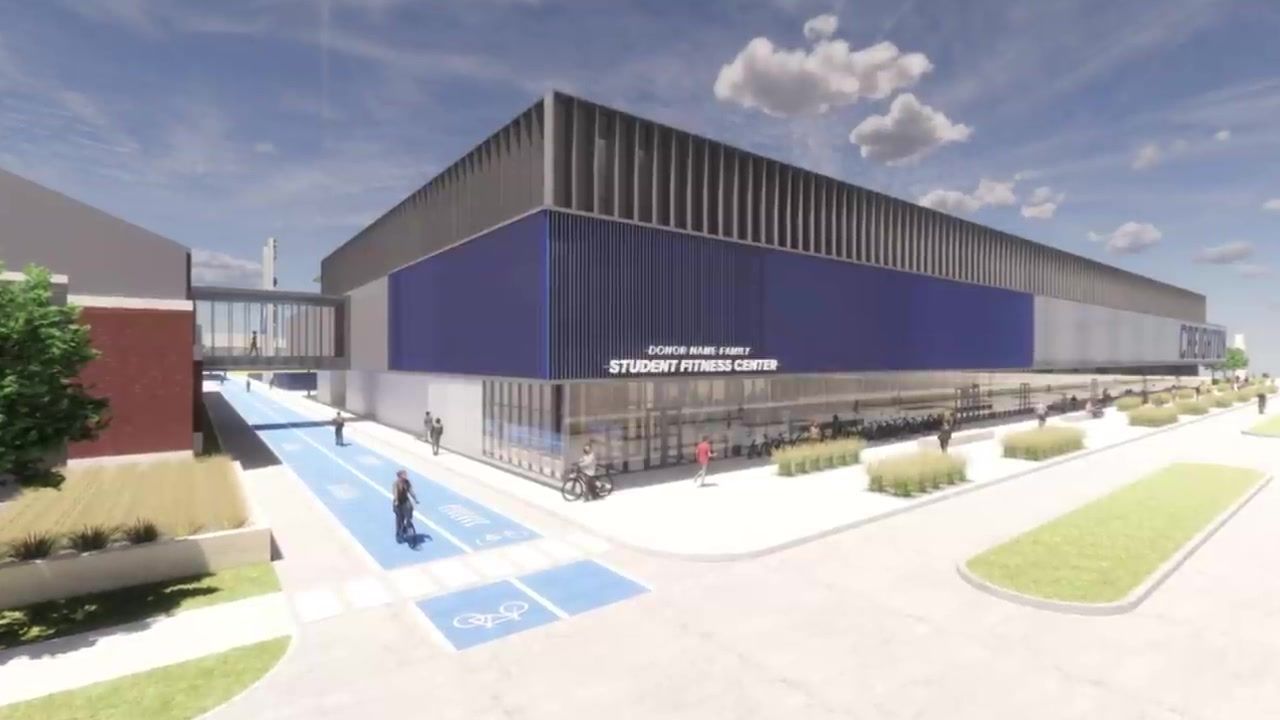
Creighton is currently going through what the university describes as one of the largest physical transformations in its history. Its Fly Together initiative represents nearly $300 million focused primarily on athletics and recreation. It was launched with a $100 million lead gift from the Heider Family Foundation, the largest single gift in Creighton's history. Altogether, the plan covers roughly 12 blocks and approximately 700,000 square feet of new or upgraded facilities and outdoor areas.
There's roughly a 38,000-square-foot baseball and softball team facility, a new performance sports center, a massive student fitness center, and upgrades to multiple existing Creighton athletic facilities. But there's another piece I actually think may be more visually transformative for the campus, and that's the Creighton Quad. This is approximately 5.7 acres of new green space around 22nd and Burt.
And then there's something called the Jaywalk. That pedestrian connection is designed to connect Creighton directly with the Builders District on the other side of 17th Street. That's important because the Builders District itself is another enormous private development with offices, apartments, restaurants, a hotel, entertainment, and public space. Creighton isn't just investing in its own campus. It's investing in the connective tissue that ties its campus to the rest of north downtown. That's the same strategy you're seeing with Millwork Commons, the convention center expansion, and the projects we're about to talk about. Downtown Omaha is betting that the whole becomes greater than the sum of its parts.
CHI Health Convention Center
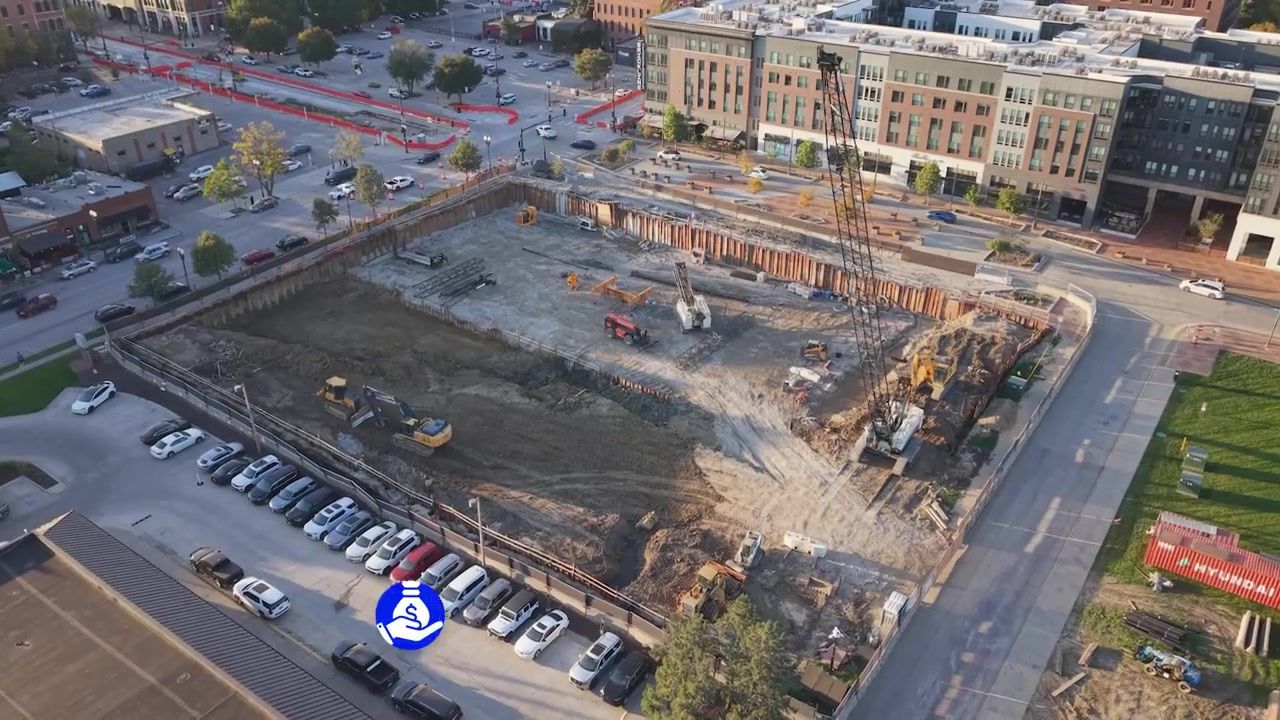
Omaha is spending approximately $200 million expanding and renovating the CHI Health Convention Center. And there's a very specific reason for doing it. Omaha hasn't had enough meeting rooms. Before expansion, the convention center had only 16. So the expansion adds approximately 90,000 square feet of new convention space and 25 additional meeting rooms. That takes the total from 16 to 41.
After completion, the convention center will contain roughly 420,000 square feet of convention space. The economic argument is straightforward. Approximately 85% of convention center attendees come from outside Omaha. Those people need hotel rooms, they eat at restaurants, they shop, they use transportation, and they spend money here before going home. The expansion is projected to potentially generate as much as $1.2 billion in additional meeting business. And the building itself is also being designed to connect better with the riverfront, including large glass areas looking toward the parks and the Missouri River. That's important because Omaha isn't trying to simply sell meeting space. It's trying to sell the entire downtown experience.
The Mercantile
The Mercantile is another project I think people misunderstand because it's really an entirely new neighborhood. This is more than 20 acres of what was previously part of the ConAgra campus around 10th and Farnam. The developer is Hines, and the overall project has been estimated at approximately $500 million. The idea is to combine apartments, restaurants, offices, retail, hotels, senior living, public spaces, and parking.
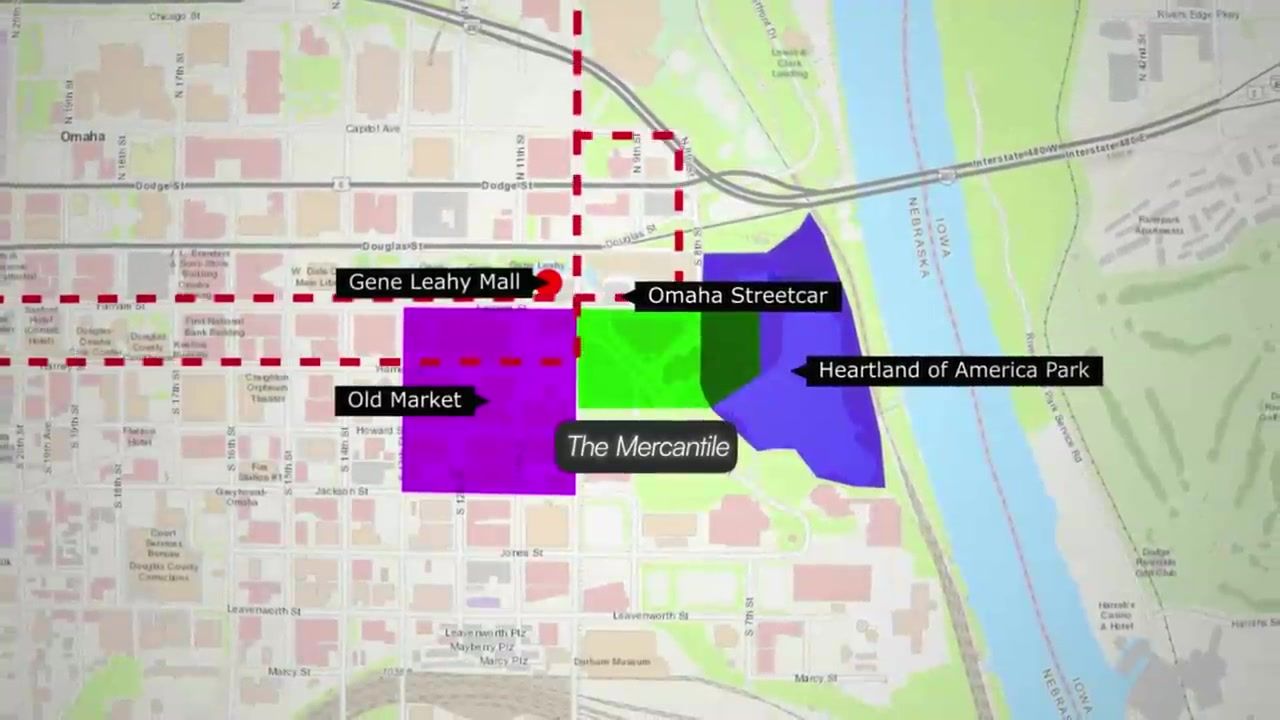
Location is what makes the Mercantile really significant. You're basically right next door to the Gene Leahy Mall. You're right by Heartland of America Park. You're close to the Old Market, near the streetcar route, and within walking distance of the convention and entertainment district. The Mercantile is a huge part of filling in the gaps between those districts.
Omaha Public Market
Right next to it, we're getting something Omaha has never really had before. At approximately 8th and Farnam along the Heartland of America Park, Omaha is developing a permanent year-round public market. This will be approximately 52,000 square feet over 3 stories. Think less farmer's market and more permanent food and community destination. You have locally owned vendors selling fresh foods, prepared foods, specialty products. The idea is to give smaller businesses a permanent location while creating another downtown destination.
The riverfront already attracts millions of visitors, and thousands of additional people are gradually living within walking distance. That's why I think the public market is more important than its square footage makes it sound. Downtown Omaha is betting that density and walkability create a feedback loop. More residents create demand for retail and restaurants. More retail and restaurants make downtown more attractive to residents. The public market is one more piece of that loop.
Sarpy County Road Expansion
Now we need to head south because this final project may tell us more about Omaha's future than almost anything else in this video. Sarpy County has been one of the fastest growing parts of the Omaha metro for years, and eventually all of those new rooftops create a problem. The roads weren't built for it. That's where the South Sarpy Expressway comes in.
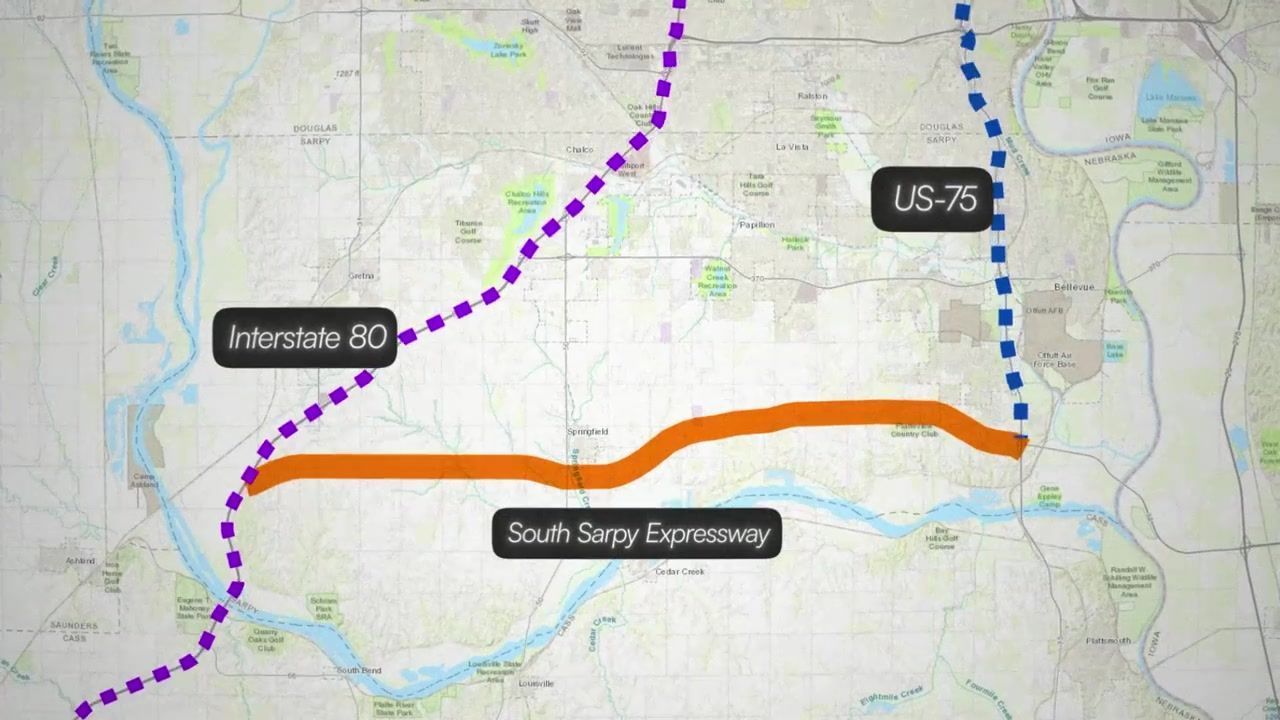
The long-term concept is an east-west transportation backbone across southern Sarpy County, potentially connecting US 75 near Bellevue with Interstate 80 near Gretna. The current project runs roughly from 10th Street to 42nd Street. Instead of an existing rural road configuration, you're getting a 4-lane divided expressway designed to move traffic efficiently east and west. There will be a new interchange around 36th Street. A new frontage road will run alongside portions of the expressway, and construction began in earnest in 2026. A rough earlier estimate put this phase around $110 million, although that should not be treated as the final project cost.
Sarpy County has specifically discussed the potential for billions of dollars in future economic activity in this area. So when you see the South Sarpy Expressway, don't simply think they're making Platteview Road bigger. Think about what becomes possible once southern Sarpy County has a legitimate east-west transportation corridor. Industrial users need highway access. Distribution centers need room to expand. Employers need land that's affordable and accessible. The expressway creates all of that.
The 156th and K Park Road Network: Turning Rural Roads into Urban Infrastructure
At the same time, Sarpy County is doing something else nearby that might be even a clearer signal of where development is heading. That's the road network around 156th and K Park. The expressway is about creating a major regional east-west route. The 156th and K Park project is about turning a collection of rural roads into an urban street network. And from a real estate perspective, I find this project fascinating.
The area we're talking about runs generally from Schramm Road south toward Platteview Road and from 168th Street east toward Highway 50. Today, portions of this area still feel rural, but Sarpy County and several surrounding cities are building infrastructure that looks much more like what you would expect inside a developed suburban area. That kind of tells you what planners expect to happen. The overall road package has been reported at approximately $50 million.
This road network isn't being built exclusively for future subdivisions. It's supporting major industrial and employment development too. And the entire network is expected to be substantially built out around the end of 2027. This is where I go back to what I said in the beginning of the video. If you want to understand where a city might grow next, watch its roads. When government begins replacing dirt roads with storm sewers, sidewalks, trails, turn lanes, and infrastructure designed for future expansion, they're preparing that land for a completely different level of activity.
That doesn't mean every cornfield becomes a subdivision next year, but infrastructure removes one of the biggest obstacles to future development. And that's why I believe Sarpy County road projects deserve considerably more attention. If you own a home near Highway 370 in Gretna, or you're watching land values around Bellevue, or you're trying to figure out where the next wave of appreciation happens, this is the story you need to follow. The roads are being built now. The development follows in 3 to 5 years. And by the time most buyers notice, prices have already moved.
Which Projects Will Impact Your Neighborhood Most?
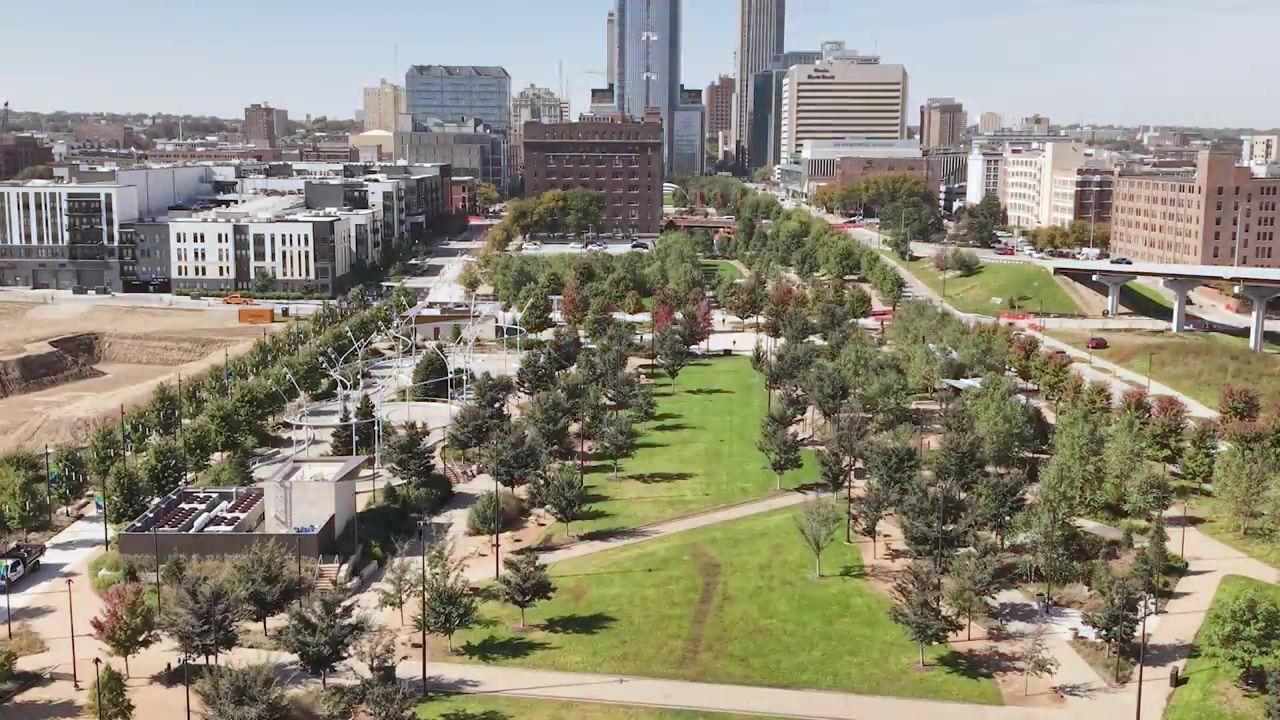
When you put all 11 of these projects together, I think you begin to see something bigger happening in Omaha. West Omaha is becoming increasingly self-contained. Avenue One, Boys Town, and the continued expansion of healthcare and retail along Dodge mean that Far West Omaha residents don't need to drive downtown or even to midtown for work, shopping, or entertainment. That's a fundamentally different value proposition than West Omaha offered 10 years ago.
Central Omaha is reinvesting in existing institutions. UNO, Creighton, and the neighborhoods around Aksarben Village are betting that Central Omaha can compete with newer construction by offering walkability, density, and proximity to established amenities. That's a different buyer, someone who values location and lifestyle over square footage and newness.
Downtown is filling in the gaps between districts. Millwork Commons, the Mercantile, the convention center expansion, and the public market are all part of the same strategy: eliminate the dead zones, connect the destinations, and create a downtown that feels cohesive instead of fragmented. If that works, downtown Omaha becomes a legitimate residential option for buyers who currently assume they need to live in the suburbs.
And Sarpy County road projects are betting on demand that doesn't exist yet. The South Sarpy Expressway and the 156th and K Park road network are infrastructure investments that only make sense if you believe southern Sarpy County is about to see another decade of explosive growth. If that bet is right, that's where the next decade of value gets created before anyone else notices.
Here's what that means practically:
- Choose West Omaha if you want proximity to employment, healthcare, and retail without commuting downtown, and you're willing to pay a premium for newer construction and larger lots.
- Choose Central Omaha if you value walkability, established neighborhoods, and proximity to universities and Aksarben Village, and you're comfortable with older housing stock that may need updates.
- Choose Downtown if you want a true urban lifestyle with access to riverfront parks, entertainment, and the Old Market, and you're comfortable with higher density and less parking.
- Choose Sarpy County if you're willing to bet on future growth, you want more affordable land and housing, and you're comfortable with infrastructure that's still being built out.
Conclusion
Omaha is in the middle of more than $10 billion in construction, and these 11 projects represent the ones I think will have the most lasting impact on the metro. Some are about filling gaps. Some are about creating entirely new centers of gravity. And some are about building infrastructure for a city that doesn't exist yet but will in 10 years. If you're trying to figure out where to buy, where to invest, or which part of town makes the most sense for your family, these are the projects that will shape your decision.
If you're considering moving anywhere in the metro and you're trying to figure out which part of town makes the most sense for you, that's what my team and I do every day. I'm not here to sell you on Omaha. I'm here to help you figure out if Omaha is right for you, and if it is, which neighborhood fits your goals, your budget, and your lifestyle. Scan the QR code on the screen and schedule a time to set up a strategy call. We can talk about what's bringing you to Omaha and how my team can best assist you, whether it's virtual showings and looking to purchase in the next 60 days, or you're kind of just looking at your goals, your timeline, your budget, your current home, and maybe why not to move. Call or text 402-490-6771
FAQ: Omaha Development Projects
How will Avenue One impact home values in Far West Omaha?
Avenue One is creating a mixed-use downtown for Far West Omaha with more than 1,500 apartments and townhomes, 785,000 square feet of office space, and 233,000 square feet of retail. If it succeeds in creating an actual center of gravity around 192nd and Dodge, homes within a 5-mile radius could see increased buyer interest from people who want proximity to retail, dining, and entertainment without commuting east. That typically translates to faster appreciation and shorter days on market.
When will the South Sarpy Expressway be completed?
Construction on the South Sarpy Expressway began in earnest in 2026. The current phase runs roughly from 10th Street to 42nd Street and is estimated at approximately $110 million. The long-term concept is an east-west transportation backbone connecting US 75 near Bellevue with Interstate 80 near Gretna, but that full buildout will take years. The 156th and K Park road network is expected to be substantially complete by the end of 2027.
Are downtown Omaha projects a good investment for buyers?
Downtown Omaha is filling in the gaps between districts with projects like Millwork Commons, the Mercantile, the convention center expansion, and the Omaha Public Market. If you value walkability, proximity to riverfront parks, and access to entertainment, downtown is becoming a more cohesive residential option. But downtown living means higher density, less parking, and older building stock in some areas. It's a good investment if you're buying for lifestyle and long-term appreciation, not if you're looking for suburban space and newer construction.
What does the Tranquility Park transformation mean for West Omaha families?
Transquility Park is undergoing a $60 to $70 million transformation into a regional youth sports tournament destination with synthetic turf fields and redesigned trails. If the project is fully funded and completed, it could create a commercial node around 120th and Maple driven by tournament traffic. For families with kids in youth sports, proximity to Tranquility becomes a bigger selling point. For investors, watch for retail and restaurant development that follows the sports traffic.
How do Westside Community School investments affect home values?
Westside's $121 million Phase 2 facilities bond and $34.2 million in private donations for the Student Life Complex signal that the district is investing heavily in keeping its facilities competitive. Buyers moving to Omaha evaluate school infrastructure as part of their decision. Westside's investments help explain why certain West Omaha neighborhoods hold value or appreciate faster than others. School quality and facility investment are pricing factors, even if they're harder to quantify than square footage or lot size.
Will Sarpy County roads drive future home price appreciation?
The South Sarpy Expressway and the 156th and K Park road network represent approximately $160 million in infrastructure investment. When government replaces rural roads with urban street networks, storm sewers, sidewalks, and turn lanes, they're preparing land for future development. Infrastructure removes one of the biggest obstacles to growth. If you own a home near Highway 370 in Gretna or you're watching land values around Bellevue, these road projects are the story to follow. The roads are being built now. The development follows in 3 to 5 years. And by the time most buyers notice, prices have already moved.
DAVID MATNEY
David Matney is a trusted Realtor® and local expert with over 20 years of experience in Omaha’s real estate market.