The Omaha Housing Market Just Shifted: What 7% Mortgage Rates Mean for Buyers and Sellers
Mortgage rates just crossed 7%, and the Omaha housing market is responding exactly the way you'd expect: buyers are pulling back, sales are slowing, and the fall season feels different than the spring frenzy we saw earlier this year. I've been watching the Douglas and Sarpy County numbers closely, and the shift is real. It's not a crash, and it's not a return to 2020 chaos, but it is a recalibration that changes the math for anyone buying or selling a home right now.
This isn't about predicting where rates will go next month or whether prices will drop by some magic percentage. It's about understanding what's happening on the ground in Omaha today: how much inventory we actually have, what homes are selling for, how new construction is affecting the market, and whether your personal financial situation makes this a good time to move or a smart time to wait. The national headlines don't tell you what's happening in your zip code, and that's what I'm here to break down.
If you're relocating to Omaha or already live here and you're trying to figure out whether to buy now or sit tight, this update will give you the context you need to make a decision that fits your life, not just the market cycle.
Table of Contents
Omaha Housing Inventory and New Construction
Inventory is climbing in both Douglas and Sarpy Counties, and a big piece of that increase is coming from new construction. Builders have been ramping up production over the last year, and now those homes are hitting the market at a time when buyer demand is cooling. That's creating more options for buyers, but it's also putting pressure on sellers who are competing with brand-new homes that come with builder incentives, warranties, and the appeal of never having been lived in.
New construction is a double-edged sword right now. On one hand, it's giving buyers more choices and pushing builders to offer rate buydowns or closing cost credits to move inventory. On the other hand, it's making it harder for existing home sellers to stand out, especially if their home needs updates or is priced at the top of the range. Builders are motivated to close deals before the end of the year, and that's shifting some of the negotiating power back to buyers in certain price brackets.
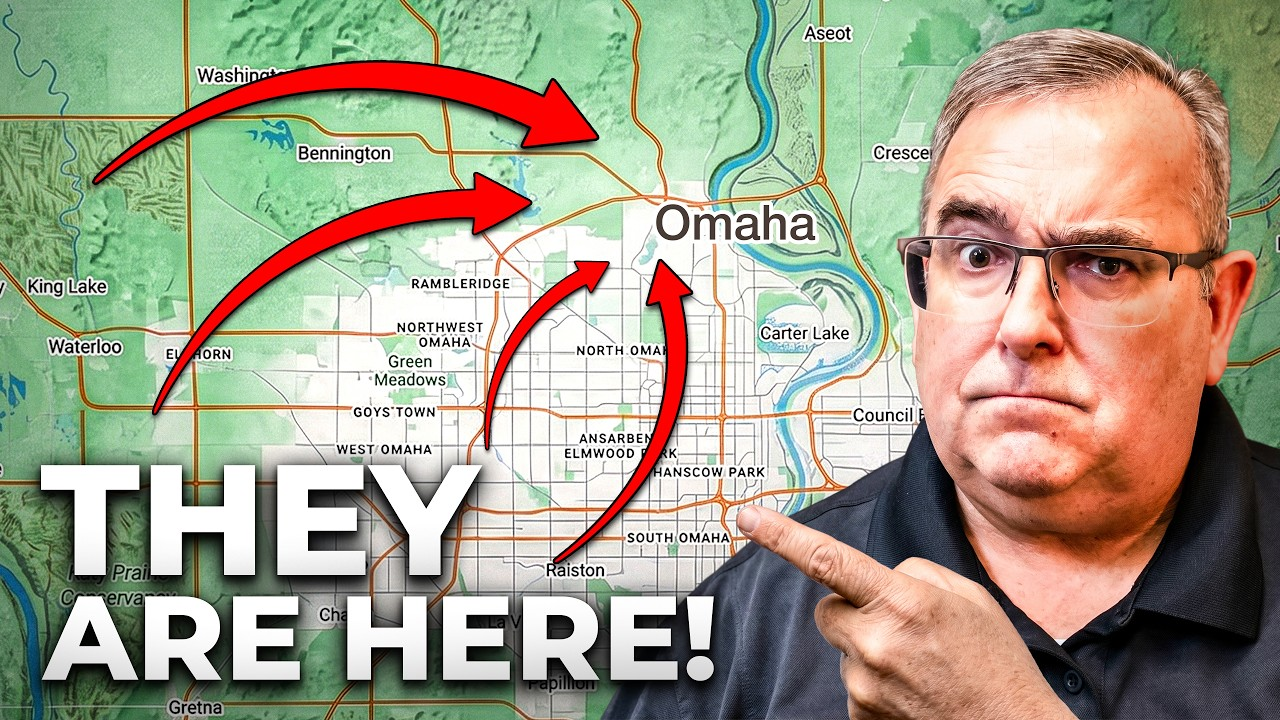
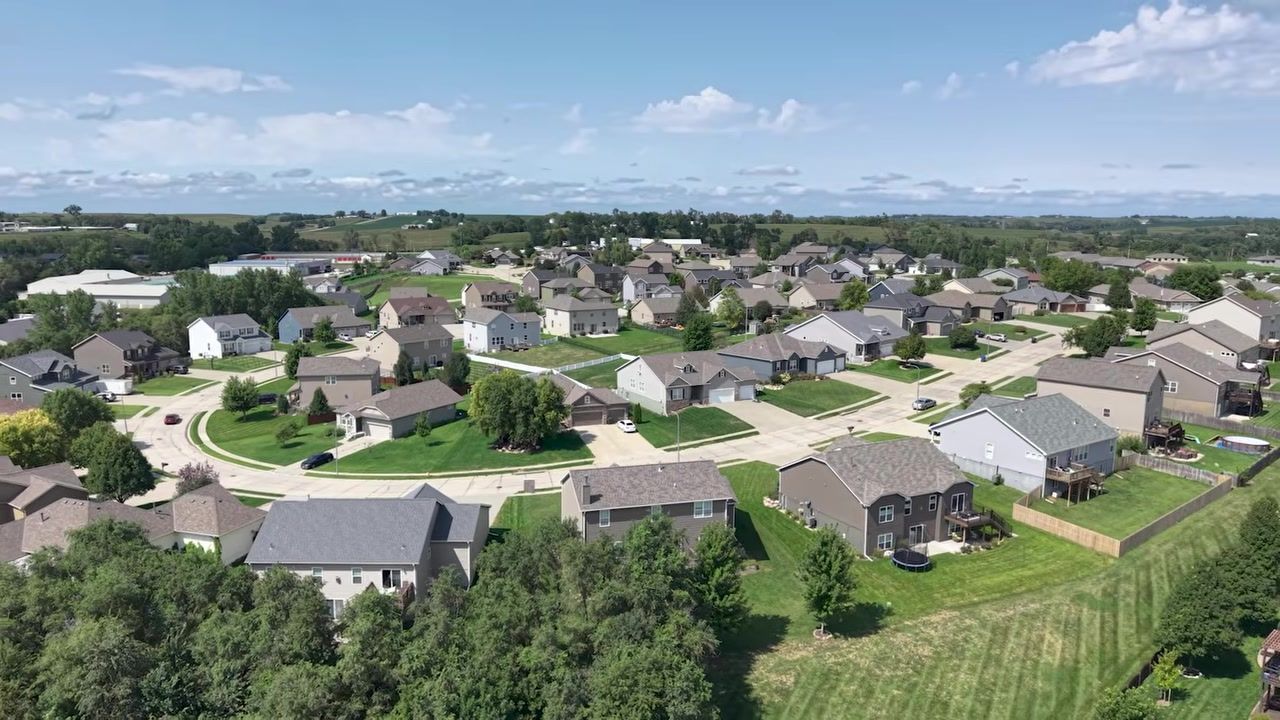
The inventory increase isn't uniform across the metro. Some neighborhoods in Sarpy County, especially the newer developments in Papillion and Gretna, are seeing more listings than others. Douglas County has pockets of higher inventory too, but it's still not the flood of homes we saw in pre-2020 markets. We're moving toward balance, not oversupply, and that distinction matters if you're trying to time a purchase or a sale.
For buyers, this means you have more time to look and more leverage to negotiate. For sellers, it means you can't just throw a sign in the yard and expect multiple offers in 48 hours like you could a year ago. Pricing and presentation matter again, and that's a shift some sellers aren't ready for.
Existing Homes, Seller Strategy, and Market Balance
Existing home sellers are facing a different market than they were six months ago. Homes are sitting longer, and buyers are being pickier about condition, location, and price. If your home isn't move-in ready or priced competitively, you're going to sit on the market while buyers tour newer construction or better-maintained resale homes. The days of selling a fixer-upper at a premium are over, at least for now.
The market is moving toward balance, which means neither buyers nor sellers have the overwhelming advantage they've had in recent years. Sellers still have equity and appreciation on their side, but they don't have the urgency from buyers that drove bidding wars. Buyers have more options and more time to decide, but they're dealing with higher mortgage rates that shrink their purchasing power. It's a tug-of-war, and the outcome depends on how well each side understands the current conditions.
Seller strategy matters more now than it has in years. If you're listing a home in Omaha, you need to price it based on what's actually selling, not what your neighbor's house sold for in March. You need to make sure the home shows well, because buyers are comparing your property to new construction and to other resale homes that have been updated. And you need to be realistic about how long it might take to close, because the average days on market is creeping up across both counties.
For buyers, this is the first time in a while that you can take your time and not feel like you're going to lose out if you don't make an offer the same day you see a house. That's a psychological shift as much as a market shift, and it's one that benefits anyone who's been sitting on the sidelines waiting for conditions to improve.
Omaha Home Prices and Falling Sales
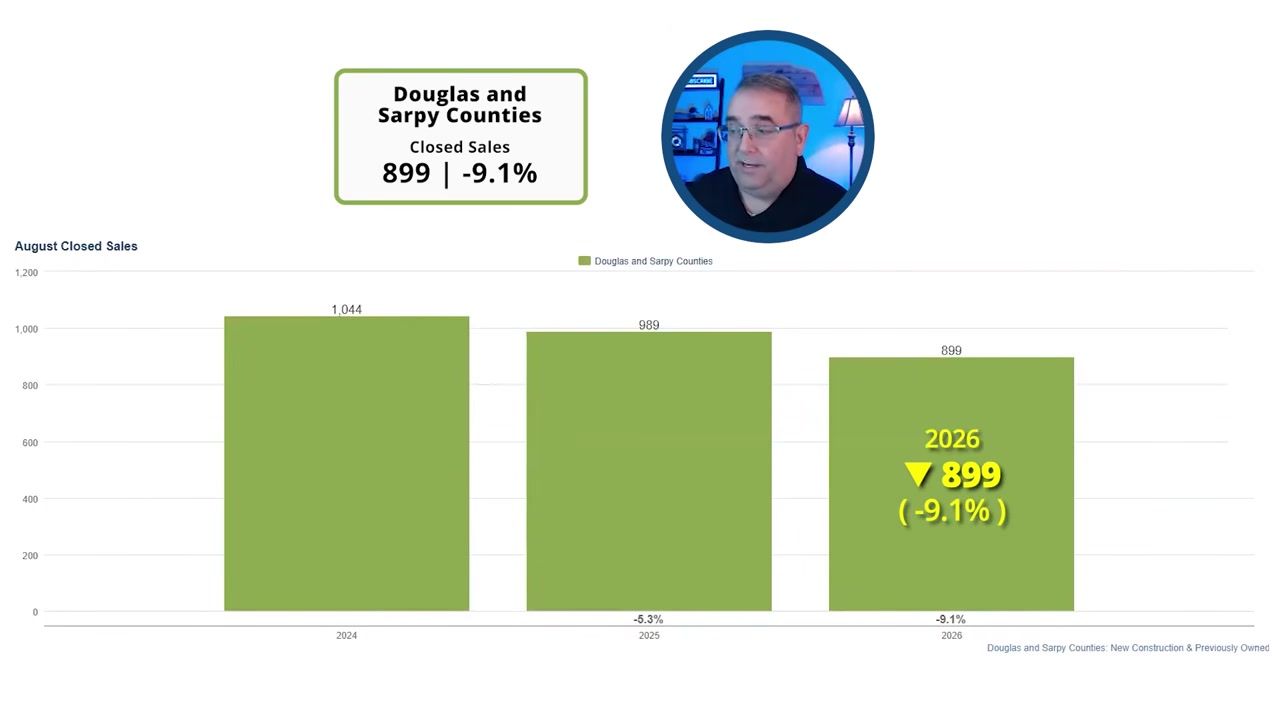
Median sale prices in Douglas and Sarpy Counties are holding relatively steady, but closed sales are down. That's the headline: fewer transactions, not collapsing prices. Sellers are still getting close to asking price in many cases, but it's taking longer to get there, and some homes are sitting without offers until the price comes down. The market isn't crashing, but it's definitely cooling.
Falling sales numbers tell you that buyers are being more cautious. Some of that is affordability, some of it is uncertainty about the economy, and some of it is just the reality that higher rates mean people qualify for less house than they did a year ago. When your monthly payment jumps by several hundred dollars because of rate increases, you either buy a smaller home, wait, or drop out of the market entirely. We're seeing all three of those responses right now.
Prices haven't dropped significantly because sellers who don't need to move are choosing to wait rather than take a loss or sell for less than they think their home is worth. That's keeping inventory from flooding the market, but it's also creating a standoff in some price ranges where buyers and sellers can't agree on value. The homes that are selling are the ones priced right and in good condition. Everything else is sitting.
If you're a buyer, don't expect massive price cuts across the board. Expect more negotiating room, longer listing times, and the ability to ask for repairs or credits that wouldn't have been on the table six months ago. If you're a seller, understand that your home is competing in a market where buyers have options and time, and that means you need to be sharper on price and presentation than you've had to be in years.
Should You Buy a Home Right Now?
The answer depends entirely on your personal financial situation, not on what mortgage rates might do next quarter. If you need a place to live, if you're relocating to Omaha for a job, if your lease is ending, or if your family situation has changed, then buying a home now might make sense even with rates above 7%. If you're trying to time the market perfectly, you're going to drive yourself crazy and probably miss opportunities while you wait for conditions that may never come.
Here's the thing: nobody knows where rates are going. They could drop, they could stay here, they could go higher. Trying to predict that is a gamble, and your housing decision shouldn't be a gamble. What you can control is whether the monthly payment fits your budget, whether the home meets your needs, and whether you're planning to stay in Omaha long enough that short-term market fluctuations won't wreck your finances.
Waiting makes sense if you're not financially ready, if you're not sure where you want to live, or if your job situation is uncertain. It doesn't make sense if you're just waiting for rates to drop to 5% or for prices to fall by 20%, because those scenarios may not happen, and in the meantime you're paying rent and missing out on building equity. The best time to buy is when your life and your finances align, not when the market hits some theoretical perfect moment.
For some buyers, this is actually a better market than the spring frenzy. You have more time to look, more negotiating power, and less competition. Yes, rates are higher, but you can refinance later if rates drop. You can't go back and buy the home you missed because you were waiting for perfect conditions.
Mortgage Rates, Affordability, and Omaha Jobs
Mortgage rates above 7% are a reality right now, and they're affecting affordability in a big way. A buyer who could afford a $350,000 home at 5% might only qualify for $300,000 at 7%, and that's a significant difference in what neighborhoods and home sizes are in reach. For a lot of buyers, especially first-timers, that rate increase has pushed homeownership further out of reach or forced them to compromise on location or size.
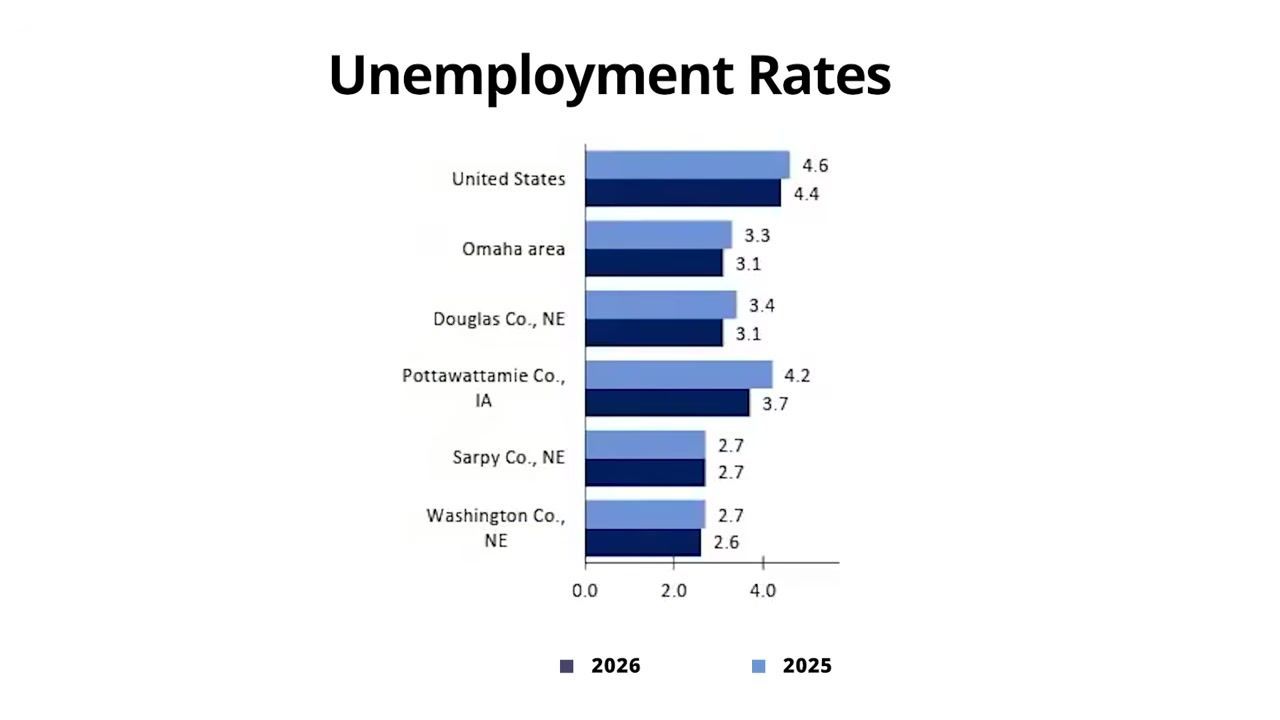
Affordability isn't just about rates, though. It's also about wages, job stability, and cost of living. Omaha's job market has been relatively strong, and that's keeping demand for housing from completely falling off a cliff. People are still moving here for work, and as long as that continues, the housing market will have a baseline level of activity even when rates are high. The question is whether wages are keeping up with housing costs, and for a lot of buyers, the answer is no.
If you're relocating to Omaha, the affordability picture here is still better than a lot of coastal markets, but it's not the bargain it was five years ago. You need to run the numbers on what you can actually afford at current rates, not what you wish you could afford at lower rates. And you need to factor in property taxes, insurance, and maintenance, because those costs add up and they're not going away even if rates drop.
The good news is that Omaha's economy is diverse enough that we're not overly reliant on one industry, and that stability helps keep the housing market from wild swings. The bad news is that higher rates are here for now, and they're changing the math for everyone.
Conclusion
The Omaha housing market has shifted, and that shift is being driven by mortgage rates above 7%, rising inventory, and more cautious buyers. It's not a crash, and it's not a return to the chaos of the last few years. It's a recalibration toward a more balanced market where buyers have options and sellers have to compete. Whether that's good or bad depends on which side of the transaction you're on and what your personal situation looks like.
If you're thinking about buying or selling in Omaha, the most important thing you can do is understand the current conditions in Douglas and Sarpy Counties, not just the national headlines. Every neighborhood is different, every price range is different, and your decision should be based on what's happening in the specific area where you want to live. I work with buyers and sellers every day who are navigating this market, and I'm here to help you figure out what makes sense for your situation. Let's get on a call and talk through your options, your timeline, and what the numbers actually look like for your move.
FAQ: Omaha Housing Market Questions
Is the Omaha housing market crashing?
No. The market is cooling and shifting toward more balance between buyers and sellers, but prices are holding relatively steady and sales are slowing, not collapsing. Fewer transactions and longer listing times don't equal a crash.
Should I wait for mortgage rates to drop before buying a home in Omaha?
That depends on your personal situation. If you need a place to live and the monthly payment fits your budget, waiting for rates to drop is a gamble that may not pay off. You can refinance later if rates fall, but you can't go back and buy the home you missed.
How is new construction affecting the Omaha housing market?
New construction is increasing inventory and giving buyers more options, especially in Sarpy County. Builders are offering incentives like rate buydowns and closing cost credits, which is putting pressure on existing home sellers to price competitively and make sure their homes show well.
Are home prices dropping in Douglas and Sarpy Counties?
Median sale prices are holding relatively steady, but homes are sitting longer and sellers are seeing less urgency from buyers. Prices haven't dropped significantly because sellers who don't need to move are choosing to wait rather than take a loss.
What does a balanced housing market mean for buyers and sellers in Omaha?
A balanced market means neither side has overwhelming leverage. Buyers have more time to look and more negotiating power, but they're dealing with higher mortgage rates. Sellers still have equity, but they can't expect multiple offers and quick sales like they could a year ago. Pricing and presentation matter again.
Is now a good time to sell a home in Omaha?
It depends on your situation and how your home compares to the competition. If your home is priced right and in good condition, you can still sell, but it will take longer than it did six months ago. If you're not in a hurry and you want top dollar, you may need to wait for market conditions to improve or be willing to make updates to stand out.
DAVID MATNEY
David Matney is a trusted Realtor® and local expert with over 20 years of experience in Omaha’s real estate market.