Omaha Housing Market: Is a Crash Coming or Is Everything Changing?
You walk into a showing in Benson on a Saturday morning. The house is clean, updated, priced right. By Monday, you're competing against four other offers. Meanwhile, three blocks over, a similar home sits for sixty days because the carpet smells like cats and the backyard looks like a national forest. Same neighborhood, same square footage, completely different outcomes.
That's Omaha real estate in 2026. But the real story isn't just inventory or interest rates. Something deeper is happening beneath the surface, and it's reshaping who can buy, when they buy, and what they're buying. The person trying to enter the housing market today is fundamentally different from the buyer of twenty or thirty years ago. And if you're trying to buy, sell, or invest in Omaha, understanding that shift matters more than any headline about mortgage rates.
Here are three massive changes happening right now in the Omaha market, what's driving them, and what they mean for anyone trying to make a move.
Table of Contents
- The Classic Starter Home Neighborhood That Isn't Turning Over
- Mass-Produced Entry Points That Were Never Meant to Be Forever Homes
- West Omaha: Established Areas Where the Housing Ladder Has Stalled
- Why the Traditional Housing Ladder Has Stopped Moving
- Who Is Actually Buying Homes in Omaha Today?
- The Future of Omaha Housing: Multi-Generational Living and What Builders Need to Build
The Classic Starter Home Neighborhood That Isn't Turning Over
Benson was built around a predictable sequence. Graduate from college, rent for a couple of years, buy a modest 2-3 bedroom home with a 1-car garage, have a couple of kids, build equity, and trade up. These homes were never designed to be 30-year forever homes. They were entry points into the housing market. You built equity, traded up, and freed up inventory for the next wave of buyers.
That movement has ground to a halt.
Existing homeowners sitting on 3% mortgage rates refuse to move because upgrading could mean doubling their monthly payment. Between 2020 and 2022, home prices in Omaha surged over 28% cumulatively. That compressed half a decade of growth into just two years. Then mortgage rates jumped from 3% to over 6%. Higher prices multiplied by doubled borrowing costs created a sudden compound effect that locked people in place.
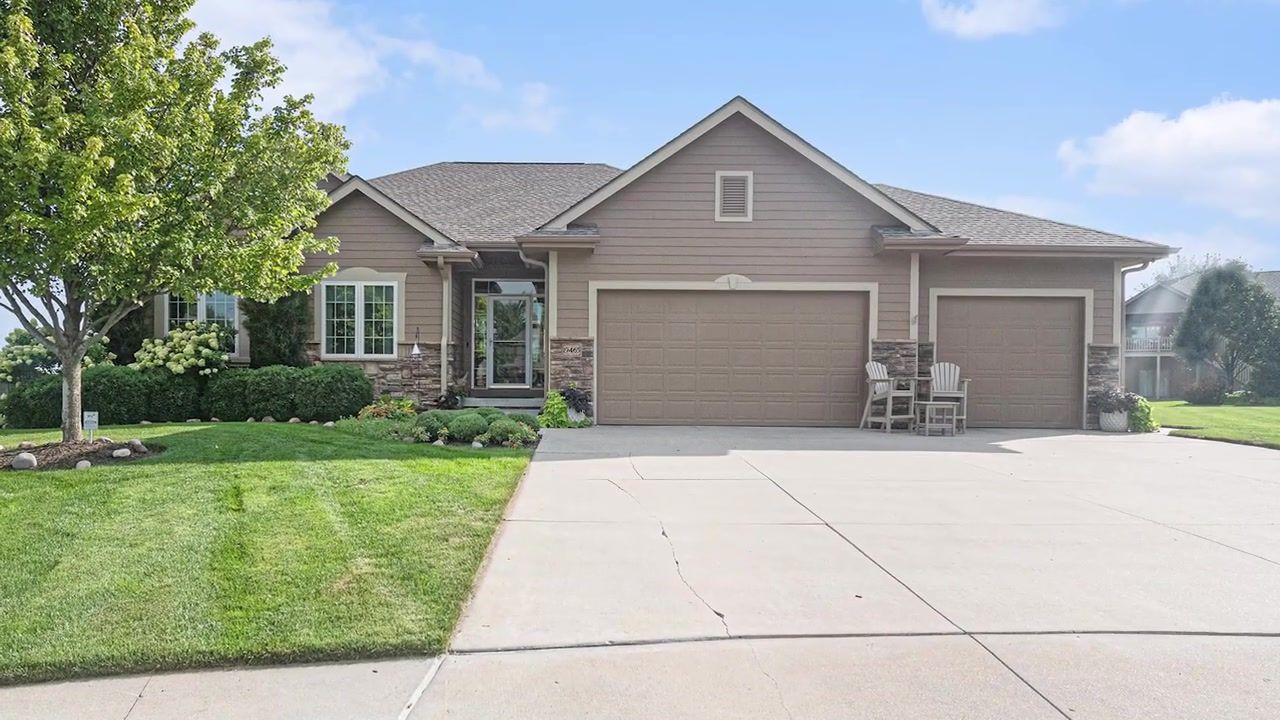
The result? Homes that used to turn over every five to seven years are now staying in the same hands for a decade or longer. Fewer life transitions, delayed marriage, smaller families, single-person households at historic highs, mean fewer reasons to move. A household with one child doesn't face the same pressure to upgrade as a family with three or four kids. Instead of taking on a 7% mortgage to get an extra 500 square feet, families are finishing basements, converting spare rooms, or staying put indefinitely.
And here's the uncomfortable truth about condition. If you're selling a home in Benson with aging windows, an original HVAC system, and outdated finishes, you have to price for that reality. Buyers will walk through during a showing, see the work required, and walk right back out without making an offer. Homes sell in any condition, but it always comes down to price. You can price the home according to the condition. When both the buyer and the seller are unhappy, that's when you know you've found true market value.
Mass-Produced Entry Points That Were Never Meant to Be Forever Homes
Millard followed the same blueprint as Benson. Mass-produced starter homes with modest footprints and 1-car garages. These were designed as entry points, not permanent residences. The housing ladder depended on people moving up and out, creating inventory for the next generation of first-time buyers.
But that ladder hasn't stopped, it's stalled under three powerful macroeconomic pressures.
First, inflation. Do you know the difference between appreciation and inflation? It's ownership. If you owned a home between 2020 and 2022, you captured that 28% cumulative price surge as equity. If you were sitting on the sidelines watching it happen, you fell further behind. That feels very different depending on which side of the transaction you're on.
Second, interest rates. The Federal Reserve raised rates to fight inflation by cooling demand. Mortgage rates jumped from 3% to more than 6%. That isn't necessarily negative in isolation, but it created a compound effect when layered on top of higher prices. Existing homeowners sitting on cheap debt have no financial incentive to move. Meanwhile, first-time buyers are competing not just on price, but on monthly payment affordability that has effectively doubled.
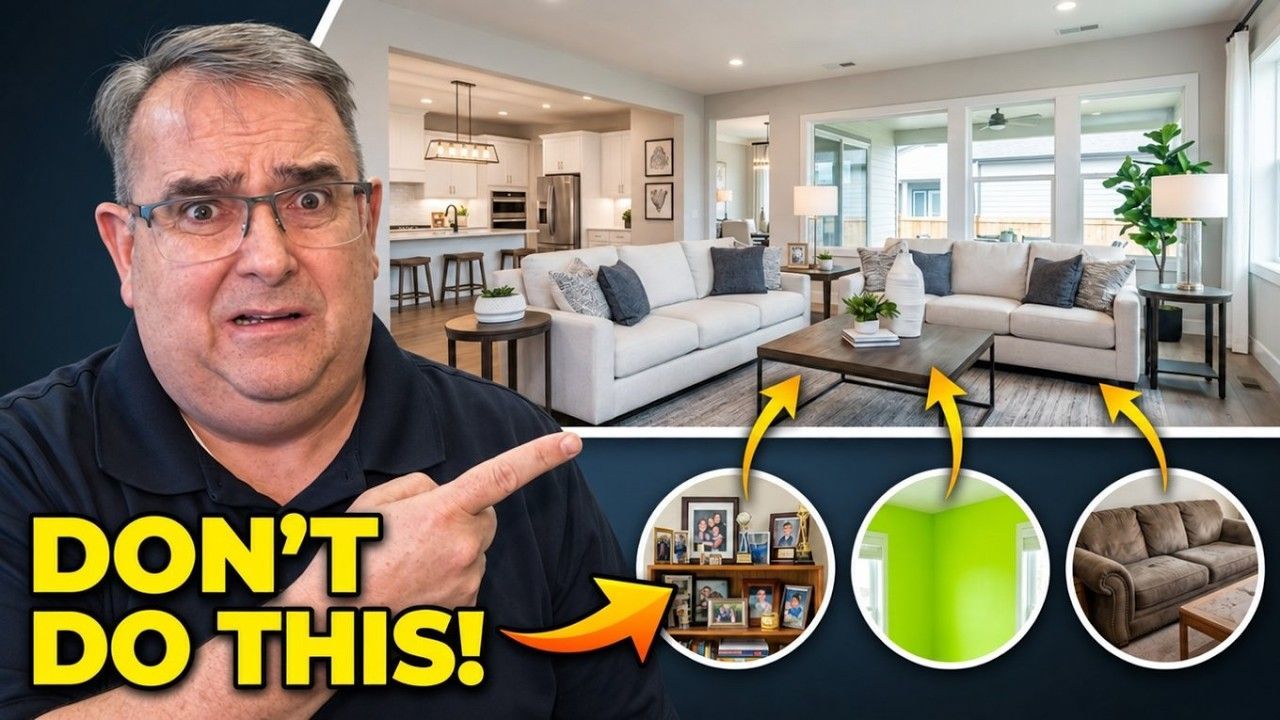
Third, property condition. Zillow's photos aren't going to tell you if the house smells like cats. They're not going to tell you if the backyard looks like a national forest. Turnkey homes, spotless, staged, updated, drive higher demand even in a market with higher interest rates. If you find yourself in a multiple offer situation on a pristine home, that isn't a red flag and it isn't a sign of a market bubble. It just means the seller did their job, prepared the property, and put their best foot forward.
On the flip side, if you're selling a home with deferred maintenance, you have to price for that reality. Buyers will walk. That may not feel fair, but it's the reality of today's market.
West Omaha: Established Areas Where the Housing Ladder Has Stalled
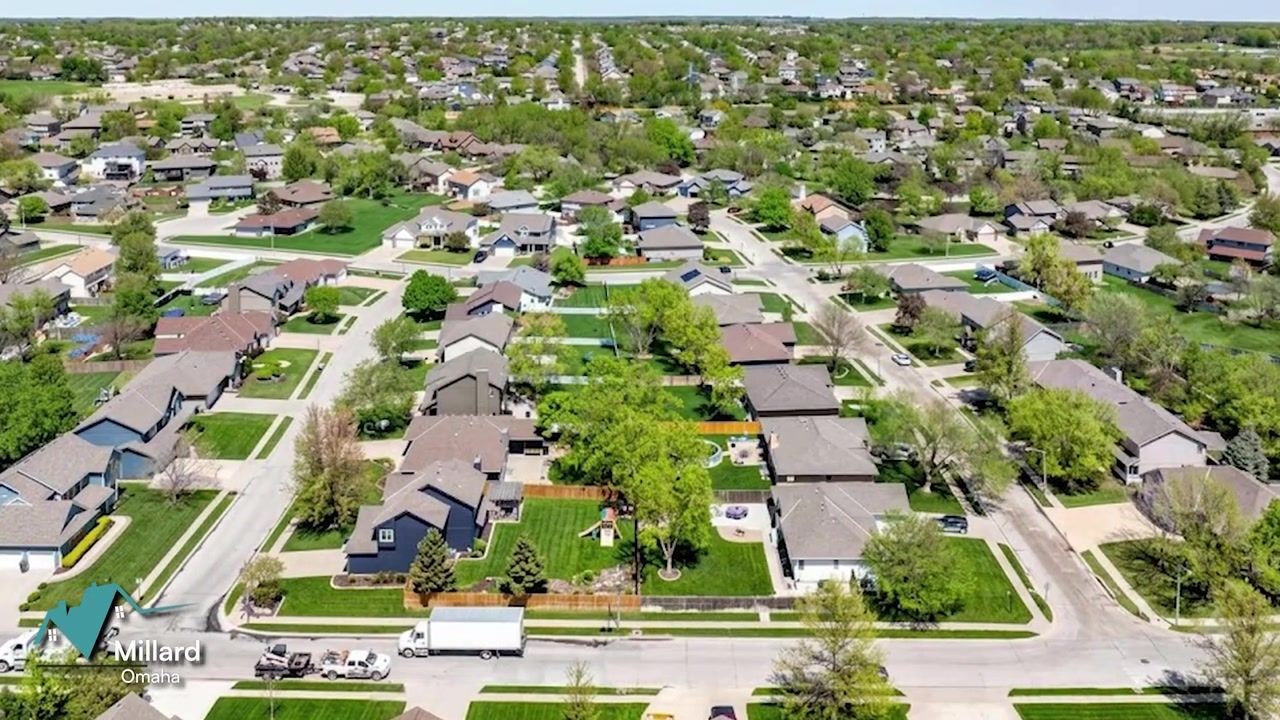
Even in established parts of West Omaha, the same pattern holds. Modest 2-3 bedroom homes with 1-car garages were designed as entry points, not forever homes. But the traditional triggers that used to push people to sell, marriage, children, school districts, yard space, are happening later in life or not at all.
I used to see first-time buyers in their early to mid-20s. Now I see first-time buyers in their mid-30s to early 40s. Major life milestones that traditionally triggered home purchases are happening much later. Getting married, having kids, forming independent households, all of it is delayed. When young adults marry later, they spend longer periods renting or living with family.
From a pure financial standpoint, this is a rational adaptation to modern inflation. Skipping $1,500 to $2,000 in monthly rent allows young professionals to pay down debt, invest, and accumulate larger cash down payments. Those larger down payments are increasingly required in today's housing market. But as you delay entry into the housing market, the price is likely going to increase.
The solution isn't simply to buy a home right now because some guy on the internet told you to. You need to be financially prepared. You need to have money left over after closing for repairs, maintenance, and unexpected expenses that come with owning a house. And you need some reasonable idea of where your life is headed. If there's a good chance you're going to move again in a year or two, buying may not make sense. Yes, some people buy, move two or three years later, and do perfectly fine. Others get burned by transaction costs, market conditions, repairs, or simply not owning the property long enough for the numbers to make sense.
If you already own a home in Omaha and you're sitting on built-up equity, that's why I set up all of my clients with Homebot. It breaks down your home's equity position and calculates what your purchasing power looks like in today's market.
Why the Traditional Housing Ladder Has Stopped Moving
Economic lock-in froze the market, but economic numbers only explain why the market froze. They don't explain who is affected. The fundamental issue in housing today isn't just interest rates. It's that the person trying to participate in the housing market today is a demographic light years away from the buyer of twenty or thirty years ago.
Historically, children were the single biggest catalyst for selling a home and moving up. You had a second or third child, outgrew your footprint, and needed a bigger yard or a better school district. Today, family structures look completely different. Average family sizes are smaller. Single-person households are at historic highs. A household with one child doesn't face the same pressure to move as a family with three or four kids.
Fewer life transitions directly translate to decreased available inventory for prospective buyers to choose from. And on the seller side, the question is just as important. If you already own a home and you have an affordable mortgage payment, what is compelling you to move? That is a major reason housing turnover has slowed.
But I want to separate that from another argument I hear all the time: that people simply don't care about owning homes anymore. I don't buy that. There are thousands of videos, articles, political debates, and social media conversations about how to make homeownership more attainable. People aren't frustrated because they don't want housing. They're frustrated because they do want it. The problem is that the financial hurdle to participate has become much higher.
Who Is Actually Buying Homes in Omaha Today?
Because entry-level buyers are struggling with affordability and many existing homeowners are locked into lower mortgage payments, the pool of people actively participating in the housing market has narrowed. That doesn't mean nobody's buying. It means the people who can buy tend to have something working in their favor.
Today's active buyers are increasingly people like this:
Equity-rich homeowners. These are people selling an existing home and bringing substantial equity into the next purchase. They're not starting from zero. They're bringing $150,000 to $250,000 worth of equity from another home.
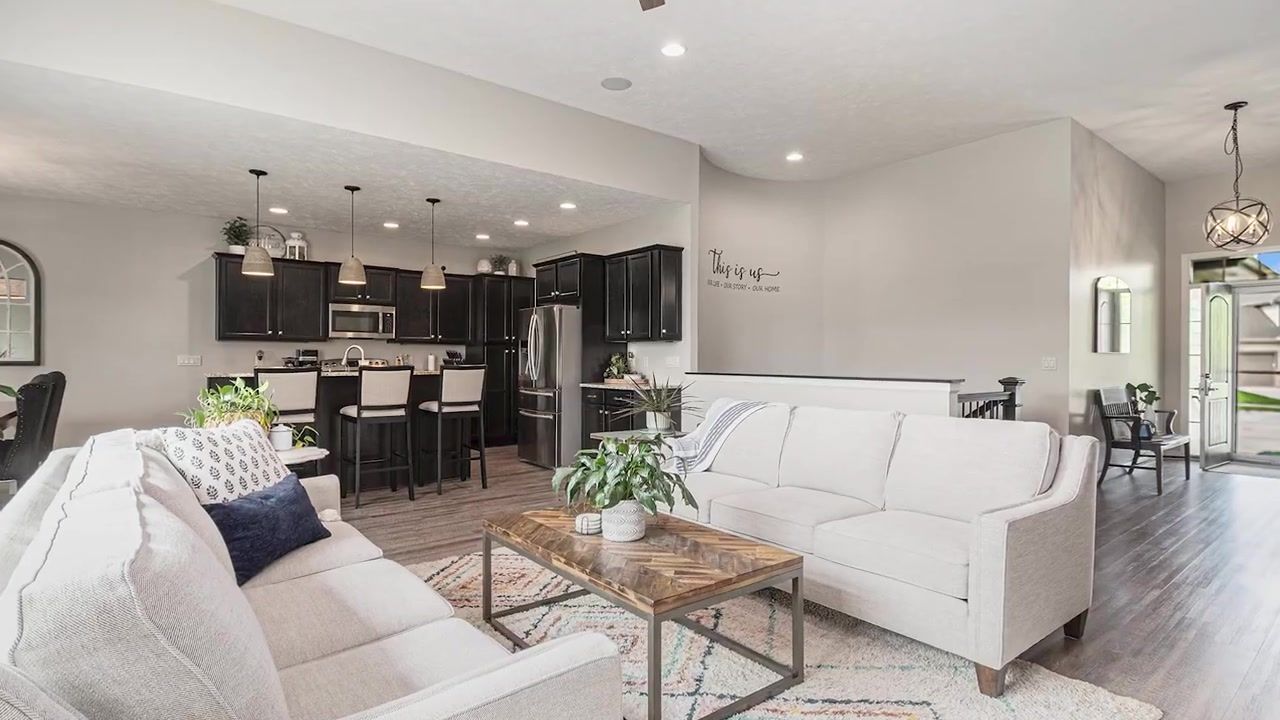
Buyers with stronger financial resources. These are households that have built significant savings, earn higher incomes, or receive help from family. They have the financial cushion to absorb higher rates and higher prices.
Necessity movers. These are people buying because life gives them a reason they can't easily postpone. That could be a job relocation, divorce, marriage, aging parents, retirement, or another life event.
Meanwhile, the traditional middle-income first-time buyer has a much tougher road. They're not necessarily competing against another first-time buyer with a similar down payment. They may be competing against someone bringing $150,000 to $250,000 worth of equity from another home.
And there's another part of this conversation that sometimes gets ignored. Just because you want to own a home doesn't necessarily mean you should buy one today. Don't confuse housing being difficult to afford with housing being about to crash. If your entire plan is to sit on the sidelines waiting for some massive housing crash to come along and magically restore affordability, you could spend years waiting for something that will never materialize.
If prices fall, that doesn't automatically mean affordability improves. If mortgage rates remain high, lending tightens, unemployment rises, or your own financial situation changes, that cheaper house may not actually become easier for you to buy. So the better question isn't, when is the housing market going to save me? The better question is, what would have to change in my own finances for buying a home to make sense?
The Future of Omaha Housing: Multi-Generational Living and What Builders Need to Build
This is something I think poses real opportunity in today's housing market. As mobility slows and borrowing costs stay elevated, multi-generational housing is changing from a temporary compromise into a permanent wealth-building strategy.
Instead of three separate family members carrying three separate mortgages or three separate leases, families are pooling capital under one roof. Adult children stay home longer, build investment portfolios, or pay down debt instead of paying rent. Aging parents move in with adult children to avoid expensive assisted living facilities while also assisting with childcare. One home is now doing the work that used to require two or three properties.
If the demographic profile of the buyer has permanently shifted, the types of homes Omaha builds must evolve as well. Omaha builders need to step away from single-purpose traditional suburban floor plans and start building for long-term adaptability. That could mean dual primary suites, main floor living options that accommodate aging parents or returning adult children. It could mean flexible lower levels, finished basements with separate entrances and plumbing rough-ins that could function as independent suites.
The goal isn't building massive luxury developments. It's designing smarter, more flexible spaces that fit how modern multi-generational families actually live.
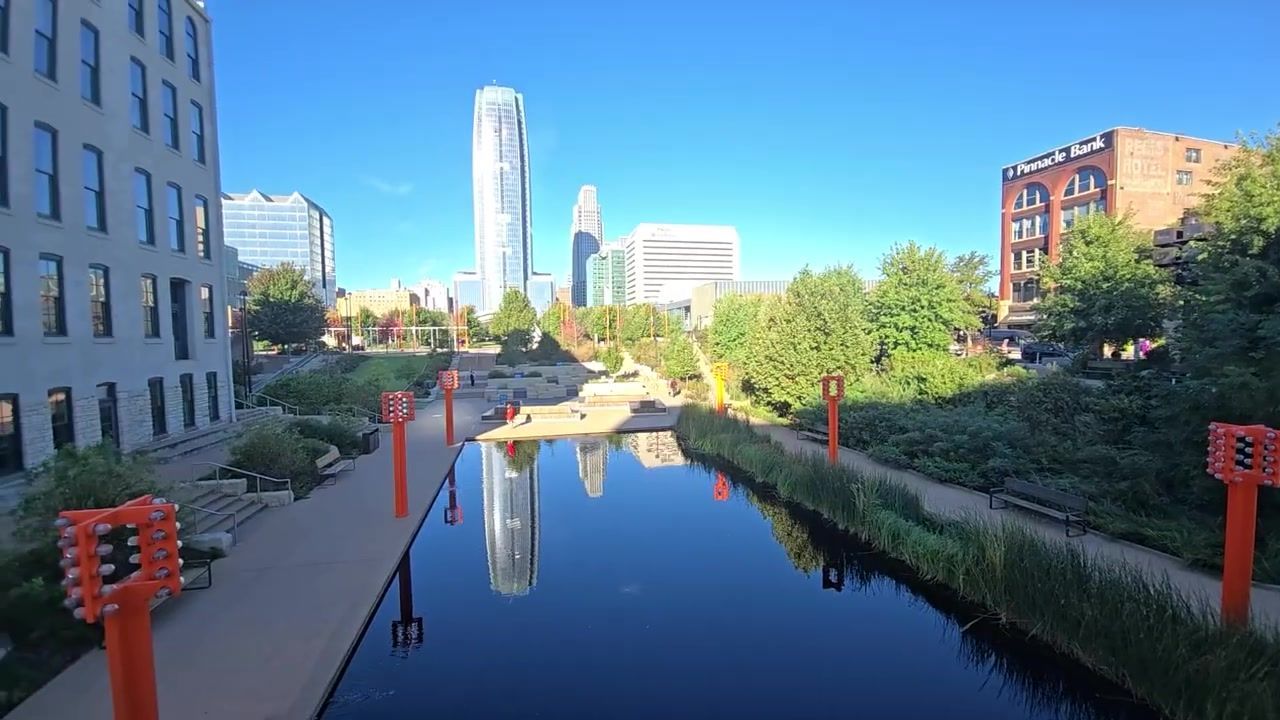
Now, after everything we've talked about, here's where I see some real optimism in the future of Omaha housing. Omaha is still investing and growing. Look at the major projects happening across the metro. Nebraska Medicine's Project Health is a massive expansion of Omaha's healthcare infrastructure. Projects like this don't just create construction activity. They support jobs, attract professionals, and generate economic activity and bring people into the Omaha metro. Those people eventually need somewhere to live, and that matters because it gives another important signal: there is still an underlying demand for housing here.
Then you look at what home builders are doing. D.R. Horton entered the Omaha market in 2021. Lennar is now entering the market as well. These are enormous national companies. They have plenty of places where they can invest their money, and they don't enter a new market simply because they like Omaha. They study population trends, household formation, employment growth, land availability, affordability, and projected housing demand.
It doesn't guarantee that home prices will go up, and it doesn't mean that every subdivision will succeed, and it certainly doesn't mean that housing suddenly becomes affordable. But it is another signal that sophisticated companies believe people are going to need more housing in this market.
What's the final takeaway? Omaha doesn't just have an inventory shortage. The demographic engine that used to generate inventory has fundamentally changed. Maybe prices will fall. Markets can absolutely correct. But there's another possibility that I think deserves a lot more attention. The market simply adapts, and people still want to own homes.
So the challenge over the next decade isn't simply how many homes can Omaha build? The much more important question is, can we build the types of homes the next generation of Omaha buyers can actually afford and will actually want to live in? Because if we solve that problem, Omaha doesn't need a housing crash to create opportunity. We need a housing market that gives more people a way back into the game.
If you're thinking about buying or selling in Omaha and want to talk through your specific situation, let's talk. I'll walk you through what's happening in your target neighborhood, what your equity position looks like, and what your real options are in today's market. No pressure, no generic advice, just a conversation about your next move.
Frequently Asked Questions
Is Omaha's housing market going to crash?
Markets can correct, but a crash requires a trigger: mass unemployment, foreclosure waves, or a sudden collapse in demand. Right now, Omaha has underlying demand from job growth, major projects like Nebraska Medicine's Project Health, and national builders entering the market. If prices fall, that doesn't automatically mean affordability improves if mortgage rates stay high or lending tightens.
Why are first-time buyers entering the market so much older now?
Major life milestones like marriage, children, and forming independent households are happening later in life. Skipping $1,500 to $2,000 in monthly rent allows young professionals to pay down debt and accumulate larger down payments, which are increasingly required in today's market. I used to see first-time buyers in their early to mid-20s. Now I see them in their mid-30s to early 40s.
Should I wait for interest rates to drop before buying?
If your entire plan is to sit on the sidelines waiting for rates to drop or prices to crash, you could spend years waiting for something that may never materialize. The better question is, what would have to change in your own finances for buying a home to make sense? You need money left over after closing for repairs, maintenance, and unexpected expenses, and some reasonable idea of where your life is headed.
Why are some homes getting multiple offers while others sit for months?
Turnkey homes that are spotless, staged, and updated drive higher demand even in a market with higher interest rates. If you find yourself in a multiple offer situation on a pristine home, that isn't a red flag. It just means the seller did their job. On the flip side, homes with aging windows, original HVAC systems, outdated finishes, or deferred maintenance have to price for that reality. Buyers will walk through, see the work required, and walk right back out.
What is multi-generational housing and why does it matter?
Instead of three separate family members carrying three separate mortgages or leases, families are pooling capital under one roof. Adult children stay home longer to build investment portfolios or pay down debt. Aging parents move in to avoid expensive assisted living while assisting with childcare. One home is now doing the work that used to require two or three properties. This is changing from a temporary compromise into a permanent wealth-building strategy.
How can I check my home's equity position?
I set up all of my clients with Homebot. It breaks down your home's equity position and calculates what your purchasing power looks like in today's market. If you already own a home in Omaha and you're sitting on built-up equity, it's worth knowing what your numbers look like before you make your next move.
DAVID MATNEY
David Matney is a trusted Realtor® and local expert with over 20 years of experience in Omaha’s real estate market.