Omaha Housing Market Shifts as Mortgage Rates Climb Above 7%
The Omaha housing market feels different right now. Mortgage rates have climbed back above 7%, and the rhythm of buyer activity has changed in ways I haven't seen in months. Showings are down. Price reductions are up. More listings are expiring or getting cancelled before they close. It's not a crash, but it's a clear shift from the frantic pace we saw earlier this year.
What's interesting is that the slowdown isn't uniform. Some builders are telling me they're seeing buyer activity pick back up, even with rates where they are. That split tells me we're in a market where timing, price point, and property type matter more than ever. If you're thinking about buying or selling in Omaha this fall, understanding these changing conditions could save you thousands or help you avoid sitting on the market longer than you planned.
I'm going to walk through what the current numbers are showing, what mortgage rates mean for your buying power, and what these trends could signal for the rest of the year. This isn't about predicting the future. It's about reading the market as it is right now and making decisions based on what's actually happening, not what we wish were happening.
Table of Contents
Current Mortgage Rates and What They Mean for Buyers
Mortgage rates are back above 7%. That's a number that changes everything about affordability, and it's forcing buyers to recalculate what they can actually afford in Omaha. A year ago, we were talking about rates in the low 6% range. Earlier this year, there was optimism they'd drop further. Instead, they've climbed, and that climb has real consequences.
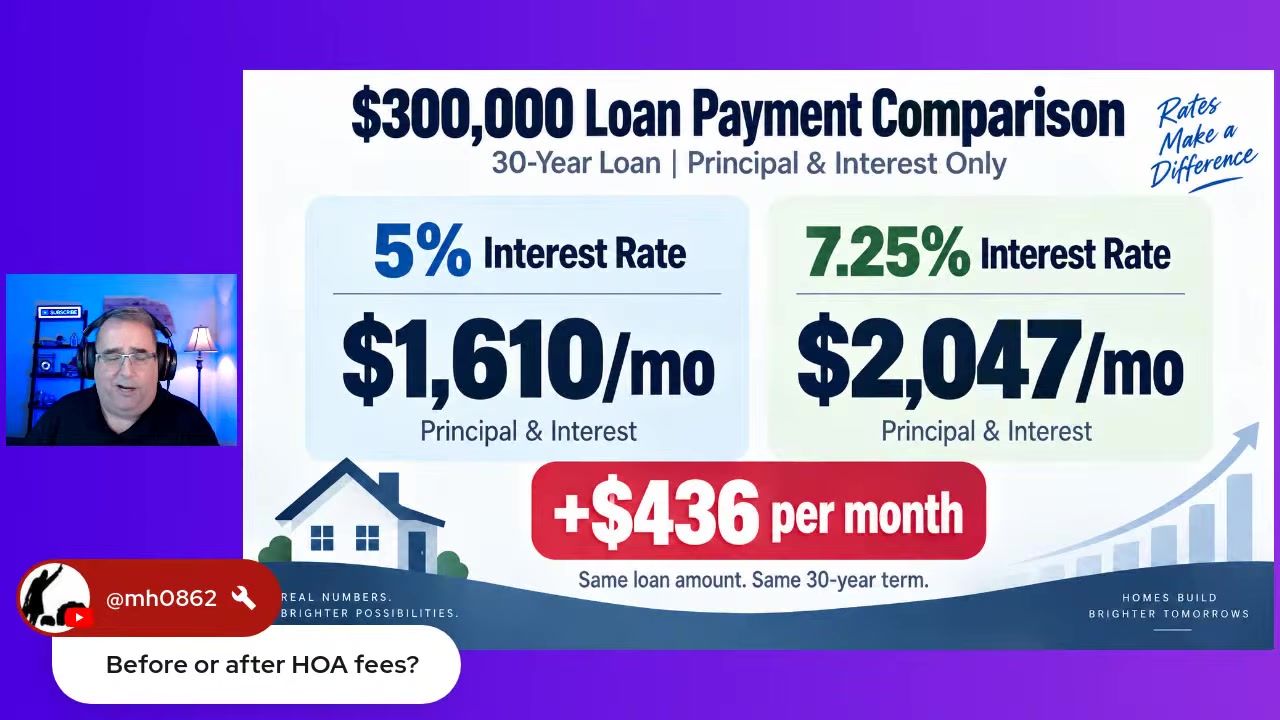
Here's what 7% means in practice. On a $400,000 home with 20% down, your principal and interest payment jumps compared to what it would have been at 6%. That's not a small difference when you're budgeting for property taxes, insurance, and everything else that comes with homeownership in the Omaha metro. For a lot of buyers, that rate increase pushes them out of their target price range or forces them to look at smaller homes or different neighborhoods than they originally planned.
The psychological impact matters too. When rates are above 7%, buyers hesitate. They wait to see if rates will drop. They wonder if they should rent another year. That hesitation shows up in the data as fewer showings and longer decision timelines. It's not that people don't want to buy. It's that the math feels harder to justify right now.
But here's the thing: rates are what they are. You can't time the market perfectly, and waiting for rates to drop to some ideal number means you're also waiting while home prices potentially rise or while the inventory you're looking at gets picked over. If you're serious about buying in Omaha, you need to run the numbers at today's rates and decide if it works for your situation, not some hypothetical future scenario.
Omaha Housing Market Trends: Showings, Price Cuts, and Cancelled Listings
The Omaha market is showing clear signs of slowing. Showings are down, which means fewer buyers are actively touring homes. That's a leading indicator. When showing activity drops, it usually means fewer offers are coming in, and sellers start to feel the difference within weeks.
Price reductions are up. I'm seeing more sellers who listed at one price and then had to cut it to generate interest. That's a shift from earlier in the year when homes were moving quickly at or above asking. Now, if you're priced even slightly high for your condition or location, you're sitting. Buyers have more time to compare, and they're not rushing into decisions the way they were when rates were lower and competition was tighter.
Cancelled and expired listings are increasing too. Some sellers are pulling their homes off the market because they're not getting the offers they expected. Others are letting their listings expire and deciding to wait. That tells me seller expectations haven't fully adjusted to the current rate environment. A lot of people still remember what homes were selling for six months ago and don't want to accept that the market has changed.
This isn't a collapse. Omaha's market is still relatively healthy compared to some other metros. But it's a recalibration. Sellers who price aggressively and show well are still getting offers. Sellers who list high and hope for the best are learning that hope isn't a strategy when buyers have options and rates are above 7%.
Why Some Builders Are Seeing Buyer Activity Pick Up
Here's where it gets interesting. While the resale market is slowing, some builders are reporting that buyer activity is starting to pick back up. That might sound contradictory, but it makes sense when you look at what new construction offers right now.
Builders can offer rate buydowns and incentives that resale sellers can't match. If a builder is sitting on inventory or trying to close out a phase, they have the flexibility to buy your rate down to 6% or lower, offer closing cost credits, or throw in upgrades. For a buyer comparing a resale home at 7% to a new build at 6% with granite counters and a finished basement included, the new build starts to look a lot more attractive, even if the base price is higher.
New construction also eliminates some of the unknowns. You're not inheriting someone else's deferred maintenance or wondering what's behind the walls. For buyers who are already nervous about the market, that peace of mind has value. They're willing to pay a bit more or wait a few months for a home to be finished if it means they're getting exactly what they want without surprises.
The builder activity also tells me that not everyone is sitting on the sidelines. There are still buyers who need to move, whether it's a job relocation to Omaha, a growing family, or someone who's been renting and finally has the down payment saved. Those buyers are still out there, and they're gravitating toward the deals that make the most financial sense in a 7% rate environment.
What This Market Shift Means for Sellers
If you're thinking about selling in Omaha right now, you need to be realistic. The market that existed six months ago is gone. Buyers are more cautious, they're comparing more homes, and they're not writing offers on the first thing they see unless it's priced right and shows well.
Pricing is everything. You can't list at the high end of the range and expect multiple offers to push you higher. If you're even 5% over what comparable homes have sold for recently, you're going to sit, and every week you sit costs you momentum. Buyers see a home that's been on the market for 30 or 45 days and they assume something's wrong with it, even if the only thing wrong is the price.
Condition matters more now too. When buyers were competing, they'd overlook dated kitchens or worn carpet because they didn't have time to be picky. Now they have time. If your home needs work and the house down the street is move-in ready at the same price, you're losing showings. You don't have to do a full renovation, but fresh paint, clean carpets, and good photos are non-negotiable.
The cancelled and expired listings I'm seeing are mostly sellers who didn't adjust their expectations. They listed high, got no offers, and then pulled the home instead of dropping the price. If you're serious about selling, you need to be serious about pricing and presentation from day one. The market will tell you what your home is worth, and right now it's telling a lot of sellers they were optimistic.
Navigating the Fall Market: Buyer and Seller Strategies
For buyers, this market is actually an opportunity if you can make the numbers work at current rates. You have more negotiating power than you did earlier this year. Sellers are more willing to cover closing costs, make repairs, or drop the price if you're a qualified buyer who can close. The frenzy is gone, and that's not a bad thing if you're the one writing the offer.
Don't wait for rates to drop to some magic number. If you find a home that works for your life and your budget at 7%, buy it. You can always refinance later if rates improve. What you can't do is go back in time and buy the home you loved after someone else already closed on it.
For sellers, the strategy is simple: price it right, make it show well, and be ready to negotiate. This isn't the market to test the high end and see what happens. Work with an agent who knows what's actually selling in your neighborhood and price accordingly. If you get feedback that your home is overpriced, listen to it. The longer you sit, the harder it gets.
If you're a seller who doesn't have to move right now, you might consider waiting until spring when buyer activity typically picks up. But if you're selling because of a job, a family change, or any other reason that's time-sensitive, don't let the rate environment scare you off. Homes are still selling in Omaha. They're just selling to buyers who are getting a fair deal, not to buyers who are desperate.
Conclusion
The Omaha housing market is shifting, and that shift is being driven by mortgage rates above 7% and a buyer pool that's more cautious than it was earlier this year. Fewer showings, more price cuts, and rising cancellations are all signs that the market is recalibrating. But it's not a market where nothing is happening. Builders are seeing activity pick up with the right incentives, and homes that are priced well and show well are still moving.
I work with buyers and sellers navigating this exact market every week. If you want to talk through your specific situation, whether you're trying to figure out if now is the right time to buy or how to price your home to actually sell, let's get on a call. I'd rather spend 20 minutes helping you avoid a costly mistake than watch you struggle through a market you're trying to figure out on your own.
FAQ
How do mortgage rates above 7% affect my buying power in Omaha?
Rates above 7% reduce how much home you can afford because your monthly payment increases significantly compared to lower rates. On a $400,000 home, the difference between 6% and 7% can be hundreds of dollars per month in principal and interest alone. That means you either need to lower your price range, increase your down payment, or adjust your expectations about the size or location of the home you're targeting. Run the numbers at today's rates before you start shopping so you're not disappointed when you see what you actually qualify for.
Are Omaha home prices dropping with the market slowdown?
Prices aren't crashing, but sellers are having to adjust expectations. More homes are seeing price reductions to generate buyer interest, and homes that are overpriced for their condition or location are sitting longer. The market is recalibrating, not collapsing. Well-priced homes in good condition are still selling, but the days of listing high and getting multiple offers are over for now. If you're selling, price it right from the start or be ready to cut the price when the market tells you to.
Why are some builders seeing more buyer activity than resale homes?
Builders can offer incentives that resale sellers can't match, like rate buydowns, closing cost credits, and included upgrades. When a builder buys your rate down to 6% and throws in a finished basement, that new construction home becomes more attractive than a resale home at 7% that needs work. Buyers are doing the math and realizing that even if the base price is higher, the total cost of ownership might be lower with a new build that comes with warranties and no deferred maintenance.
Should I wait to buy until mortgage rates drop?
You can't time the market perfectly, and waiting means you're also waiting while home prices potentially rise or while the inventory you want gets picked over. If you find a home that works for your life and your budget at current rates, buy it. You can refinance later if rates improve. What you can't do is go back and buy the home you loved after someone else already closed on it. Make your decision based on your situation today, not on speculation about what rates might do next year.
What should I do if my Omaha home isn't selling?
Look at your price first. If you're sitting on the market for more than three weeks with no offers, the market is telling you you're overpriced. Get feedback from showings, compare your home to what's actually selling in your neighborhood, and be ready to drop the price. Also make sure your home shows well with fresh paint, clean carpets, and professional photos. If you're not willing to adjust your price or improve your presentation, you're going to keep sitting, and every week you sit costs you momentum and credibility with buyers.
Is now a good time to sell in Omaha or should I wait until spring?
If you don't have to move right now, waiting until spring when buyer activity typically picks up could make sense. But if you're selling because of a job, a family change, or any other time-sensitive reason, don't let the current market scare you off. Homes are still selling in Omaha. They're just selling to buyers who are getting a fair deal. Price it right, make it show well, and be ready to negotiate. Work with an agent who knows what's actually moving in your area and trust the process.

DAVID MATNEY
David Matney is a trusted Realtor® and local expert with over 20 years of experience in Omaha’s real estate market.