
Omaha Housing Market Shift: Inventory, Prices, and What Buyers Need to Know Now

David Matney • March 19, 2026

Omaha Housing Market Shift: Inventory, Prices, and What Buyers Need to Know Now

Something just changed in Omaha's housing market, and if you're planning a move here, you need to understand what that shift means for your timeline and budget. I've been tracking the numbers closely, and the data tells a story that's different from what we saw even a few months ago. Inventory levels, pricing trends, how long homes sit on the market, and the pace of closed sales are all moving in ways that matter if you're trying to time a purchase or understand what kind of negotiating room you might have.

Omaha isn't seeing the wild swings some coastal markets experience, but that doesn't mean conditions here stay static. The metro has its own rhythm, shaped by steady job growth, affordability compared to larger cities, and a housing stock that ranges from older neighborhoods near downtown to new construction pushing west into Elkhorn and Gretna. Right now, the balance between buyers and sellers is adjusting, and I want to walk you through what the latest numbers show and what they mean for anyone relocating here.

This isn't a generic market overview. I'm looking at the specific metrics that tell us whether we're in a buyer's market, a seller's market, or somewhere in between, and how that affects your strategy whether you're moving from out of state or already local and looking to upgrade.

Table of Contents

Inventory Levels: What's Actually Available

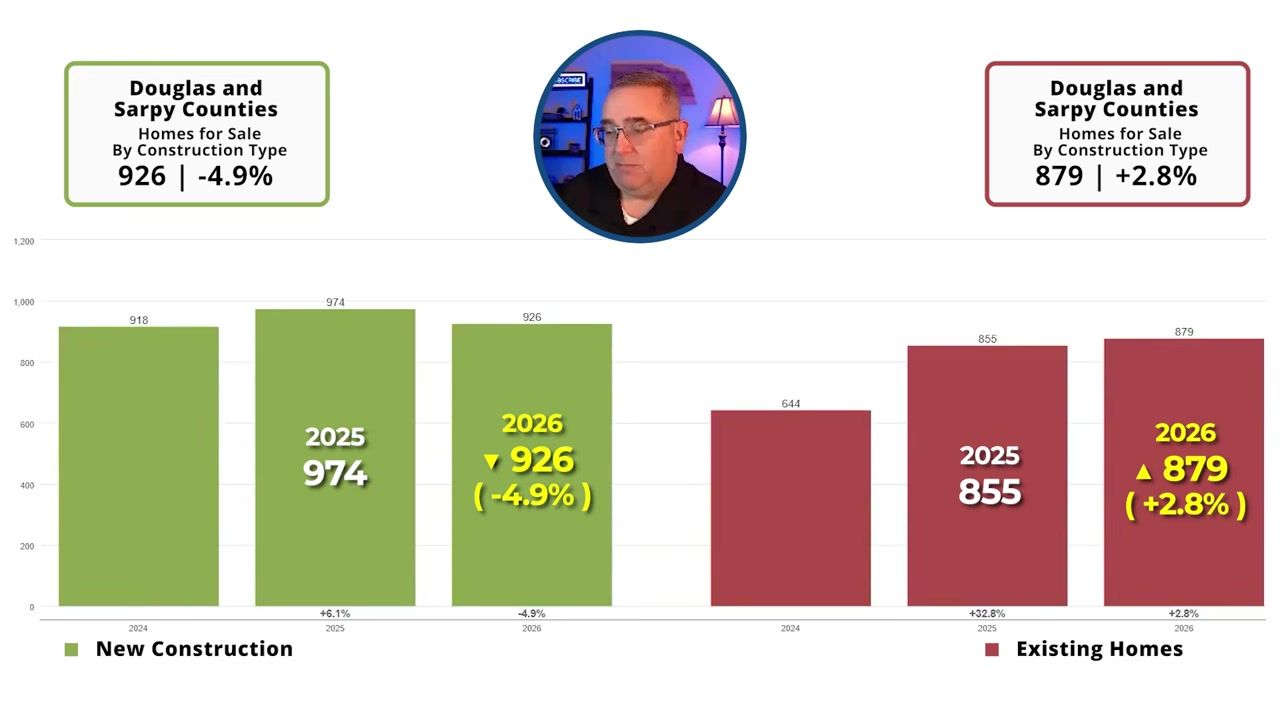
Inventory is the foundation of everything else in a housing market. When I talk about inventory, I mean the number of homes actively listed for sale at any given time. For years, Omaha has run lean on inventory, which kept prices climbing and gave sellers leverage. That dynamic is shifting.

We're seeing more homes hit the market than we did during the peak shortage months. It's not a flood, but it's a noticeable uptick, and it matters because it gives buyers more options. Instead of competing against five other offers on the one house that fits your criteria, you might have three or four similar properties to compare. That changes the negotiating dynamic.

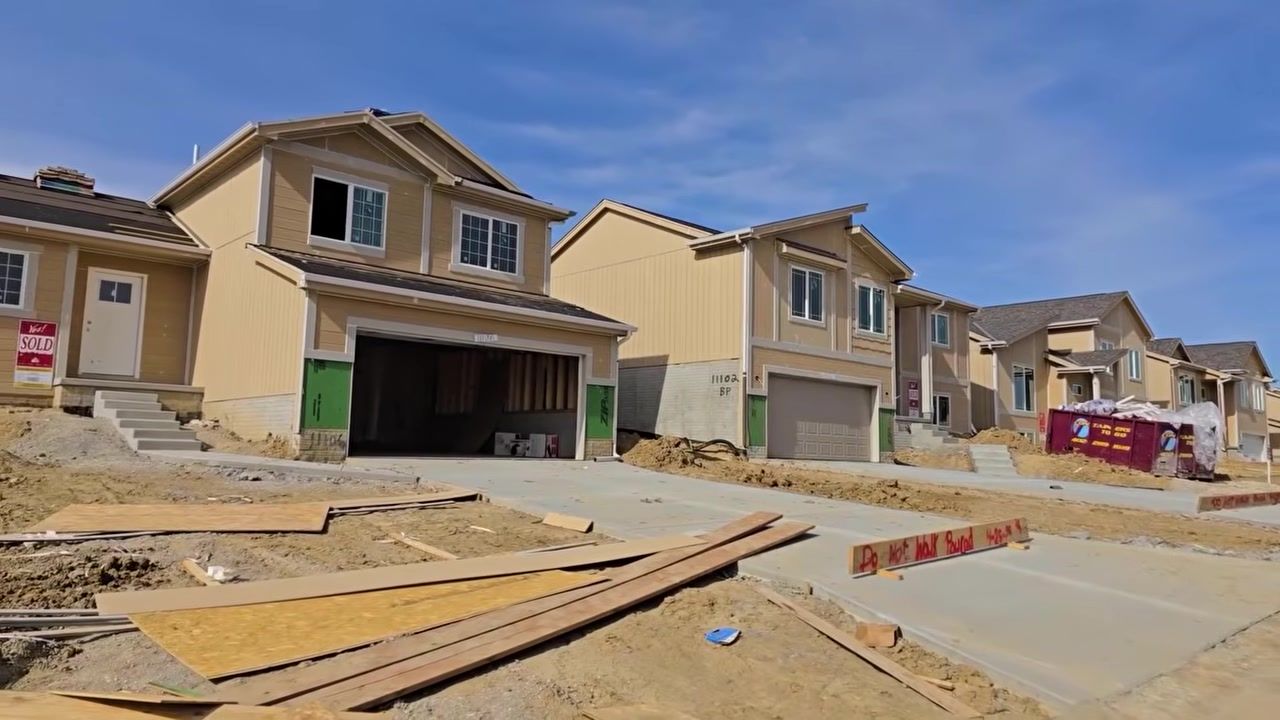
The increase isn't uniform across the metro. Newer suburbs like Elkhorn and Papillion are seeing more new construction inventory as builders finish projects that were delayed by supply chain issues. Older neighborhoods closer to downtown still have tight inventory, especially for move-in-ready homes under $300,000. If you're relocating and flexible on location, this inventory shift opens doors. If you're set on a specific school district or a particular style of home, you might still face competition.

What I'm telling clients right now is that inventory levels give you breathing room to be selective, but you can't assume every home will sit long enough for you to take a second or third look. The shift is real, but Omaha hasn't turned into a buyer's paradise overnight.

Omaha Home Prices: Where We Stand Now

Pricing is where the shift gets interesting. For the past few years, Omaha home prices climbed steadily, not at the double-digit pace of some markets, but enough that buyers felt pressure to act quickly or risk getting priced out. That upward trajectory has leveled off.

We're not seeing widespread price drops, but we're also not seeing the automatic 5-10% appreciation year over year that became the norm. Some homes are sitting at their original list price longer, and some sellers are making small reductions to attract offers. That's a change from the environment where anything priced reasonably got multiple offers within days.

The price picture varies by segment. Homes under $250,000 still move quickly because demand at that price point remains strong and inventory is limited. The $300,000 to $500,000 range, which covers a lot of the metro's suburban single-family market, is where the shift is most visible. Buyers have more negotiating power, and sellers who overprice are learning that the market won't automatically bail them out.

For relocating buyers, this means you need to understand what fair market value looks like in the specific area you're targeting. A home priced at $425,000 in West Omaha might be a solid deal or might be sitting because it's $20,000 too high for its condition and location. I'm spending more time with clients running comps and talking about what's realistic versus what's wishful thinking from a seller.

Closed Sales: Transaction Volume and Market Pace

Closed sales tell us how many transactions actually made it to the finish line. This number reflects not just buyer demand, but also how well buyers and sellers are aligning on price and terms. When closed sales drop, it usually means one of two things: either there aren't enough buyers, or buyers and sellers can't agree on price.

Right now, closed sales volume is down compared to the peak months we saw in recent years, but it's not collapsing. We're settling into a more normal pace, which honestly feels healthier than the frenzy of the past few years. Fewer closed sales doesn't mean the market is broken; it means we're not in a feeding frenzy anymore.

What this means for you as a buyer is that lenders, inspectors, and appraisers have more bandwidth. During the peak, everyone in the transaction chain was slammed, which sometimes led to delays or corners getting cut. Now, you're more likely to get thorough service and realistic timelines. If you're relocating and coordinating a sale in another state with a purchase here, that breathing room matters.

For sellers, the lower closed sales number is a reminder that pricing and condition matter again. You can't just list and assume it'll sell in three days. You need a strategy.

Days on Market: How Long Homes Are Sitting

Days on market is one of the clearest indicators of market temperature. When homes sell in under a week, sellers have the leverage. When homes sit for 30, 45, or 60 days, buyers gain negotiating power.

Omaha's average days on market has increased. Homes that would have sold in five days a year ago are now sitting for two or three weeks. That's not a long time by national standards, but it's a meaningful shift here. It means buyers can schedule a showing without worrying the house will be under contract before they get there. It means you can take time for a second look or bring a contractor to assess a repair.

The longer a home sits, the more willing a seller becomes to negotiate. If you're looking at a property that's been listed for 45 days, you have room to ask for concessions, whether that's a price reduction, closing cost help, or repairs. A home that just hit the market might still command full price or close to it, especially if it's priced right and shows well.

For relocating buyers, this metric is huge. It means you don't have to make a decision in 24 hours based on a virtual tour and a Zoom call with me. You can visit, compare, and think it through.

What This Shift Means for Buyers and Sellers

If you're buying, this shift gives you leverage you didn't have a year ago. You can be selective, negotiate on price and terms, and take the time to find a home that actually fits your needs instead of settling for what's available. But don't mistake a more balanced market for a buyer's market where you can lowball every listing. Sellers still have equity, and well-priced homes in good condition still move.

If you're selling, the shift means you need to be realistic. Overpricing will cost you time, and time on market costs you negotiating power. Homes that show well, are priced based on recent comps, and are marketed properly will still sell. Homes that aren't will sit, and sitting leads to price reductions and buyer skepticism.

For anyone relocating to Omaha, this is actually a good time to be looking. You're not fighting the chaos of a seller's market, but you're also not dealing with a market in freefall. You can make informed decisions, and that's what I want for every client I work with.

Conclusion

Omaha's housing market is shifting, and understanding that shift is the difference between making a smart move and overpaying or underselling. Inventory is up, prices have leveled, closed sales are normalizing, and days on market are longer. None of that means the market is broken. It means we're in a more balanced environment where both buyers and sellers need to be strategic.

If you're relocating to Omaha or thinking about a move within the metro, let's talk about what these numbers mean for your specific situation. I can walk you through current inventory in the areas you're considering, show you what homes are actually selling for, and help you build a timeline that makes sense. Book a free consultation call with me, and we'll map out your next steps based on real data, not guesswork.

FAQ

What does the inventory increase in Omaha mean for buyers?

More inventory means more options and less competition. You'll have time to compare homes, schedule showings without rushing, and negotiate on price or terms. It doesn't mean every home will sit forever, but it does mean you're not forced into snap decisions.

Are Omaha home prices dropping?

Prices aren't dropping across the board, but they've stopped climbing at the pace we saw in recent years. Some homes are seeing small reductions, especially if they were overpriced initially. Well-priced homes in good condition are still selling at or near asking price.

How long are homes staying on the market in Omaha right now?

Days on market have increased compared to the peak seller's market. Homes that used to sell in under a week are now sitting for two to three weeks or longer, depending on price and condition. That gives buyers more time to evaluate and negotiate.

Is now a good time to buy a home in Omaha?

If you're relocating or ready to buy, this is a more balanced market than we've seen in a while. You have negotiating power, more inventory to choose from, and realistic timelines. It's a good time if you're prepared and working with someone who knows the local market.

What should sellers know about the current Omaha market?

Sellers need to price based on recent comps, not what a neighbor's home sold for six months ago. Homes that show well and are priced right will still sell, but overpricing or listing a home that needs work without adjusting expectations will lead to long days on market and eventual price cuts.

How does Omaha's market compare to other Midwest cities?

Omaha's market is more stable than some Midwest metros that saw sharper price swings. We're seeing a shift toward balance, but we're not experiencing the inventory glut or price corrections happening in some larger markets. It's a steady, predictable market if you understand the local dynamics.

DAVID MATNEY

David Matney is a trusted Realtor® and local expert with over 20 years of experience in Omaha’s real estate market. 

OMAHA RELOCATION GUIDE

img

WATCH OMAHA VIDEOS

Why Foreclosures Are Rising in 2026 video still
By David Matney September 7, 2026
Foreclosure activity is climbing in 2026, but is Omaha heading for a crash? I break down what's really happening and why today's market is nothing like 2008.
Two people beside a red “FOR SALE” sign, with bold text reading “YES! YOU MUST DISCLOSE! LIVE.”
By David Matney September 2, 2026
Learn what’s changing in Omaha real estate seller disclosures, including sewer lines, lead-safe renovations, smart devices, and estate-sale exemptions.
Zillow-style banner over aerial homes and a man’s portrait with text: “They Hate It Here!”
By David Matney August 27, 2026
Explore key tradeoffs of Omaha neighborhoods including school quality, property taxes, construction impacts, and commute. Learn how to compare before you buy.
Man grimacing beside faucet pouring rusty water, with city skyline and text “DON’T DRINK THIS!”
By David Matney August 26, 2026
Explore where Omaha water comes from, how hard water impacts plumbing, and which tests and treatments (softeners, carbon filters, reverse osmosis) help most homes.
Man pointing at map of Nebraska with Omaha labeled, red arrows, and bold text “THEY ARE HERE!”
By David Matney August 20, 2026
Explore Omaha luxury real estate in Valley, Waterloo, Bennington, Gretna, Elkhorn, and beyond, from lake living and acreage to waterfront homes.
Two men in a live tax assessor thumbnail, one pointing at bold “TAX ASSESSOR” text over a city skyline
By David Matney August 12, 2026
Learn how Douglas County assesses property values, how they affect taxes, what to check each June, and how to protest your assessed value.
Man covering mouth beside bold text “Keep out of Omaha” over a city skyline and river.
By David Matney August 6, 2026
Discover what it’s really like living in Omaha, NE, including neighborhoods, growth, transportation, housing costs, taxes, schools, and everyday life.
Hard-hat man pointing at a house with a red LIVE label in the corner
By David Matney August 5, 2026
Explore how Charleston Homes makes new construction homes in Omaha easier with clear timelines, floor plans, upgrade choices, lots, basements, garage, and financing.
Split-screen neighborhood comparison with
By David Matney August 3, 2026
A practical guide to ranking Omaha suburbs from one to five starsplus the real factors that matter for moving: budget, commute, housing options and long-term fit.
LIVE graphic with U.S. map and man’s face, text reads “FROZEN HOME SALES!”
By David Matney July 31, 2026
Omaha real estate market analysis: Higher mortgage rates are slowing sales, inventory is rising, and home prices remain relatively stable.
Show More