Omaha housing market predictions for 2026 are getting oversimplified in a big way. The easy headline is that the market is steady. That is technically true, but it misses what is really happening on the ground.
What we are seeing is not one clean, simple market. We are seeing a split market. Rates are a little better than they were a year ago. Overall inventory has improved. But resale inventory is still tight enough that strong homes can move fast and still attract competition. At the same time, new construction is operating under a different set of rules.
If we want accurate Omaha housing market predictions, we have to stop lumping everything together. Price range matters. Neighborhood matters. Condition matters. And whether we are talking resale or new construction matters a lot.
Table of Contents
- What 2025 really changed in the Omaha market
- Our 2026 Omaha housing market predictions
- The 2026 playbook for buyers
- The 2026 playbook for sellers
- FAQ
What 2025 really did to the Omaha market
Before making Omaha housing market predictions for 2026, we need to understand what 2025 actually changed. The market loosened a bit, but not evenly. Some homes got negotiation room back. Others still behaved like the seller-friendly market we have been dealing with for a while.
Inventory improved, but mainly on the resale side
Across the Omaha region, inventory rose by 12.1 percent year over year. That matters because more listings take some heat out of runaway pricing. It does not mean prices are crashing. It just means the pressure is easing.
But the more important story is where that inventory showed up. Existing home inventory jumped 24.9 percent. New construction slipped slightly by about 2.2 percent.
That tells us builders were doing what builders usually do when demand cools. They slow starts, manage supply, and use incentives when needed. They react faster than individual homeowners. So the increase in available homes was not because builders flooded the market. It was mostly resale inventory coming back.
Demand did not vanish
A lot of people acted like buyers disappeared. That is not what the numbers show. Existing home sales were up 4.5 percent, while new construction sales were basically flat, down less than 1 percent.
That is not a dead market. That is a market where buyers became more careful. They were still active, but much more focused on payment, value, and whether a home justified the monthly cost.
That distinction matters for Omaha housing market predictions. Demand is still here. It is just more selective than emotional.
Prices kept rising, just at a healthier pace
New construction prices were nearly flat, up only 0.3 percent. Existing homes rose 1.7 percent.
That is actually a pretty healthy setup. We needed appreciation to slow. A market catching its breath is very different from a market falling apart.
Days on market went up, but good homes still moved fast
Yes, homes are taking longer to sell than they did at the absolute frenzy peak. But context matters. In the existing home market, the average days on market was 18, and the median was just 7.
That means half of resale homes that sold went under contract in less than a week.
So no, this is not a slow market. It is a selective one. The homes that still move quickly tend to share the same traits:
- Good location
- Correct pricing
- Solid condition
- Functional layout
Rates improved, but did not become cheap
In 2025, the Fed shifted from rate hikes to rate cuts. But mortgage rates did not suddenly collapse because mortgage pricing follows the bond market and inflation expectations more than the Fed alone.
The 30-year fixed mortgage stayed mostly in the 6 percent range. That was an improvement from the upper-6s and near 7 percent, but it was not a return to ultra low borrowing costs.
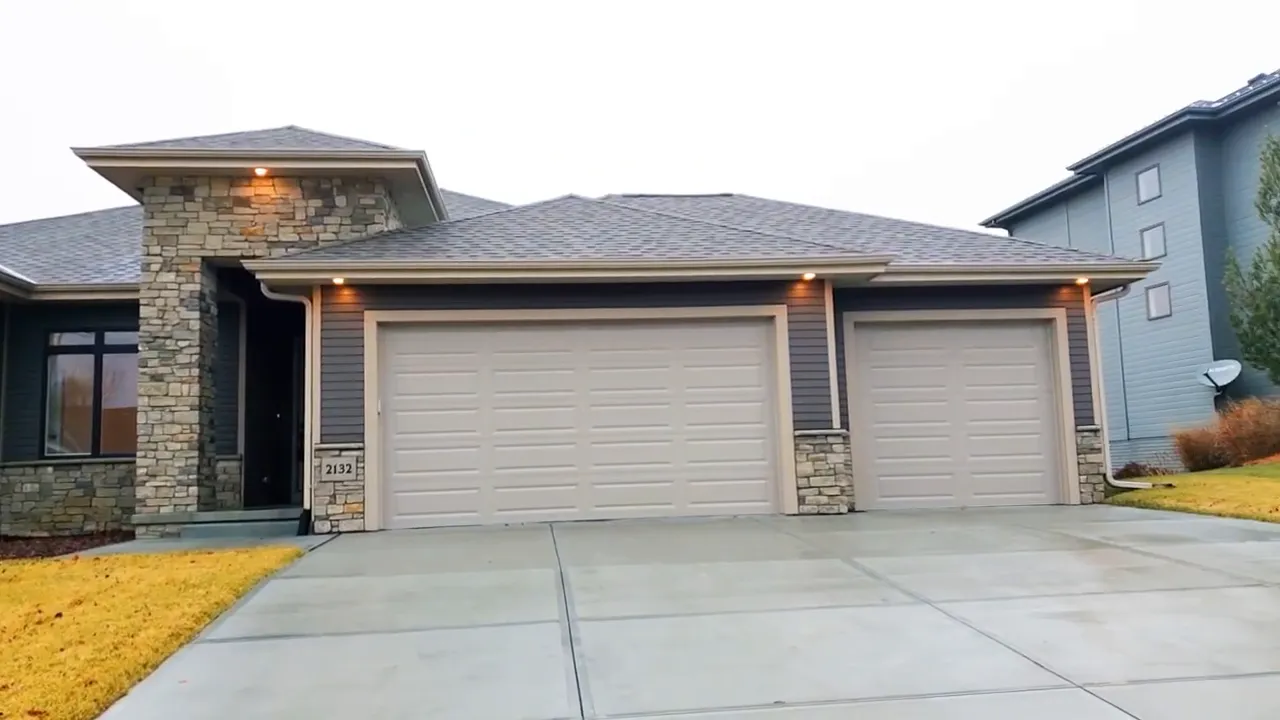
Our 2026 Omaha housing market predictions
Here is the big takeaway from all of this. Omaha housing market predictions for 2026 should not be framed as boom or bust. The better framing is that 2026 looks like a split market year.
Prediction 1: Buyer demand comes down to the payment
Demand in 2026 is still going to be driven by affordability. That means payment first.
With rates around 6 percent instead of nearly 7 percent, buyers are getting real monthly payment relief. That is enough to keep people engaged. But it is not enough to make everyone feel loose and aggressive again.
If rates stay in the low 6s, we should expect buyers to remain active but picky. If rates move closer to 5.5 percent on a more consistent basis, that is when the market could wake up fast, especially in tight resale segments.
Prediction 2: This is not turning into a buyer paradise
If someone is expecting 2026 to become a fully balanced market across Omaha, that is probably too optimistic. The existing home market is sitting around 1.7 months of inventory. A balanced market is usually more like 4 to 6 months.
That means resale is still in seller-leaning territory. Buyers should have more choices than they had in 2025, but that does not automatically mean they gain major leverage on the best listings.
Where buyers may see more flexibility is new construction. Builders often have more inventory to manage and more tools they can use to move it.
Prediction 3: Prices will behave very differently by segment
This is where generic Omaha housing market predictions fall apart. Citywide numbers can look stable while neighborhoods and price bands behave nothing alike.
Our expectation for 2026 is gradual appreciation overall, not a spike and not a crash. But the spread between top-tier homes and everything else could widen.
A-plus homes should still do well. These are the homes with the right location, good street, functional floor plan, updated condition, and realistic pricing. If rates dip even a bit, these are the homes that can trigger multiple offers.
B and C homes are more likely to feel pressure. Think busy streets, dated finishes, odd layouts, deferred maintenance, or overpricing. Those homes may sit longer and need price reductions, seller credits, repairs, or stronger terms to get sold.
The 2026 playbook for buyers
If our Omaha housing market predictions are right, the goal is not trying to perfectly time rates or headlines. The goal is understanding your slice of the market and making decisions inside that lane.
1. Shop your micro market, not the entire metro
One broad stat is never enough. Resale and new construction are behaving differently. Different areas of Omaha behave differently. Even the data sources can paint slightly different pictures.
We need to focus on:
- Your price range
- Your neighborhood
- Your property type
- Your competition
2. Expect speed on good resale homes
Even with more inventory, strong resale homes can still move quickly. Under 2 months of resale supply is still tight. If a listing is well located, priced right, and shows well, we should assume it can go fast.
3. New construction may be the leverage lane
This is one of the most practical 2026 takeaways. On paper, new construction carries a lot more supply than resale. That changes the negotiating dynamic.
Builders may compete through:
- Rate buy-downs
- Closing cost assistance
- Upgrade packages
- Price adjustments
4. Do not assume lower rates will save the day
Rates are better, but they are still in the 6s. That is improved money, not cheap money. Waiting around for the perfect rate can backfire if lower rates bring a wave of competing buyers back into the same tight resale pool.
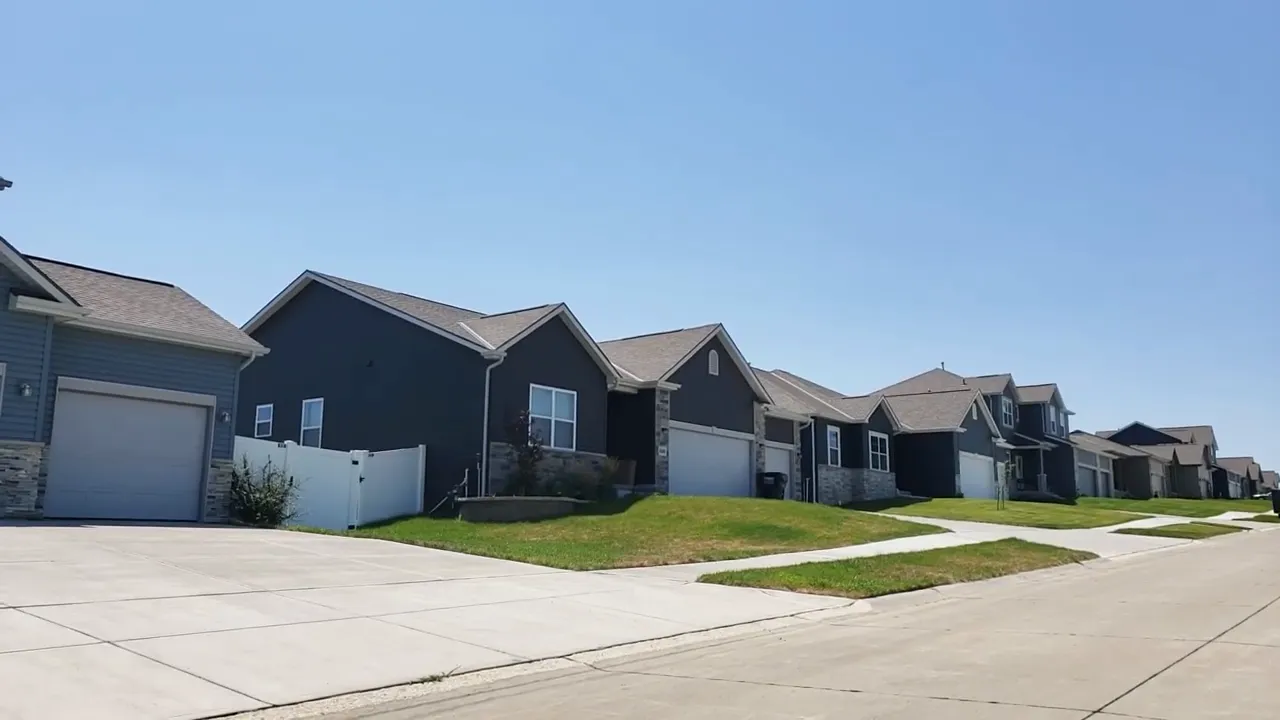
The 2026 playbook for sellers
Sellers need to understand that 2026 is not hopeless, but it is more demanding. The best homes can still do very well. Average homes with lazy pricing and mediocre presentation are going to get exposed faster.
1. You are competing against other listings
Buyers have more options now than they did over the last couple of years. That means simply showing up on the market is not enough. To get top dollar, your home needs to look like the best choice in its price range.
2. Price and condition matter more than ever
When inventory rises even a little, the first homes that get punished are the overpriced ones. If a house is turnkey and priced correctly, it can create urgency and cleaner offers. If it is dated or has location challenges, we should plan for concessions and negotiation.
3. Watch the rate window closely
Rates are one of the quickest levers in this market. If they dip, demand can strengthen fast. That can mean more showings, more urgency, and stronger offers for well positioned homes.
For sellers, timing and positioning are not minor details in 2026. They are strategy.
We’ll talk through your neighborhood and price range so you can move with confidence, whether you’re buying or selling. Call or text 402-490-6771
FAQ
Will Omaha become a buyer's market in 2026?
Probably not across the resale market. Omaha housing market predictions point to more choices for buyers, but existing home inventory around 1.7 months is still well below a balanced market.
What homes are most likely to sell quickly in Omaha in 2026?
The homes most likely to sell quickly are well-priced resale properties in solid neighborhoods with good condition, a functional layout, and updates buyers actually value.
Will home prices drop in Omaha in 2026?
The broader expectation is gradual appreciation, not a broad crash. But not every segment will perform the same way. Better homes should hold up much better than overpriced or outdated ones.
Is new construction a better opportunity than resale in 2026?
For some buyers, yes. New construction may offer more negotiating leverage through incentives, buydowns, and upgrades. Resale can still be tougher because the best listings remain scarce.
What is the biggest mistake buyers and sellers can make in 2026?
The biggest mistake is treating Omaha like one single market. The better move is to understand the specific neighborhood, price band, and property condition you are actually dealing with.
That is the clearest way to sum up our Omaha housing market predictions for 2026. This is not a crash market. It is not a frenzy market either. It is a selective, split market where the right homes can still move fast, and the wrong ones can sit.
If we respect that difference and build strategy around the actual segment we are in, 2026 becomes a lot more manageable and a lot more predictable.
READ MORE: Omaha Real Estate Market Update: Prices Hit Record Highs Despite Higher Rates