10 Things Real Estate Agents Don't Tell You About Living in Omaha
You've probably heard that Omaha is a great place to raise a family. You might even know we host the NCAA Men's College World Series and have one of the best zoos in the country. This spring, US News and World Report named Omaha as one of the hottest real estate markets in America. But what about the stuff no one tells you before you move here?
I'm David Matney, and I've been selling real estate in Omaha since 2003. In this article, I'm sharing 10 things you won't find in any of the brochures, but every future Omahaan should know. From property taxes paid in arrears to radon gas, basement maintenance, severe weather, and the self-contained suburbs that make this city work, I'll walk you through what it's really like living here.
If you're relocating to Omaha, I'd suggest making an in-person visit first. Rent a car, invest a few days, and just simply drive the city and some of the surrounding communities. Get off the main roads and drive inside different neighborhoods. Keep all of your options open. It's completely okay to rent when you first arrive. What you're actually doing is investing time to learn the city and to learn where you want to live.
Table of Contents
- Omaha: What It's Really Like Living Here
- Property Taxes: Paid in Arrears and Prorated at Closing
- Radon Gas: Testing and Mitigation
- Basements: The Holy Trinity of Staying Dry
- The ASARCO Lead Superfund Area
- Omaha Is Neighborhood-Driven
- Microclimates and Severe Weather
- Homeowners Insurance: Replacement vs. ACV Coverage
- Vehicle Registration, Roads, and Public Transportation
- Which Lifestyle Is Right for You?
- Final Thoughts: Visit Before You Move
Omaha: What It's Really Like Living Here
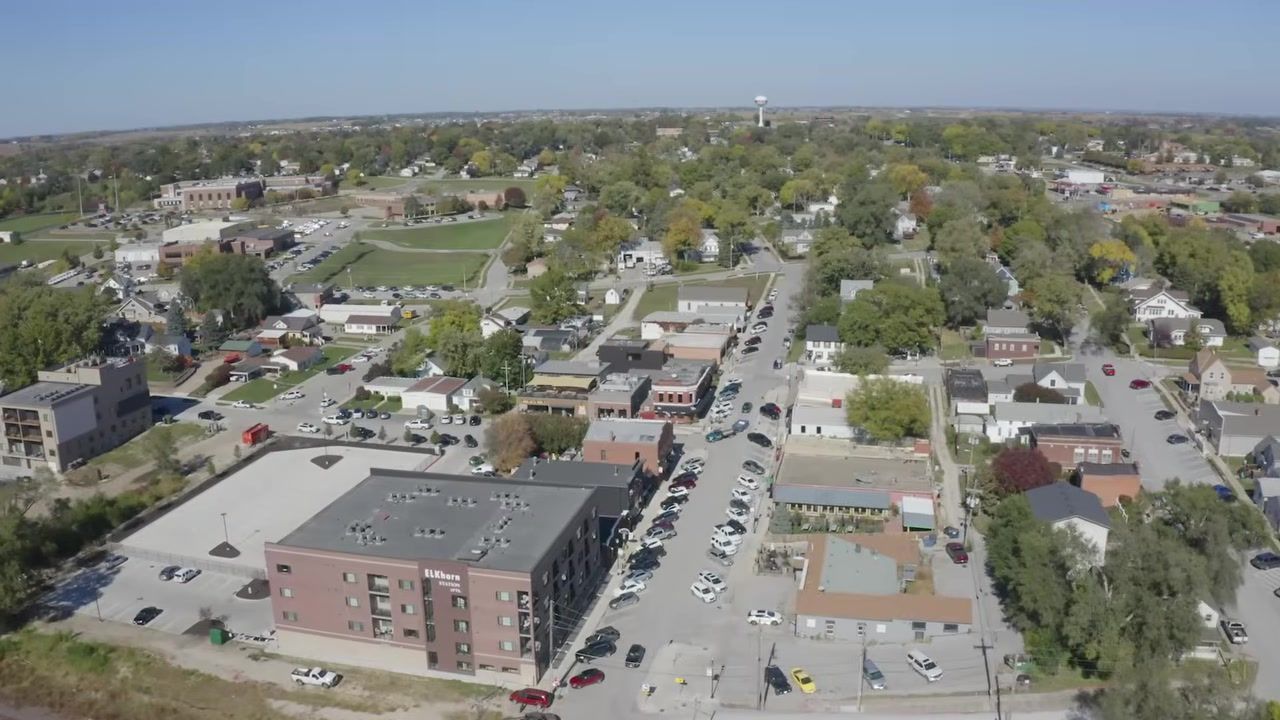
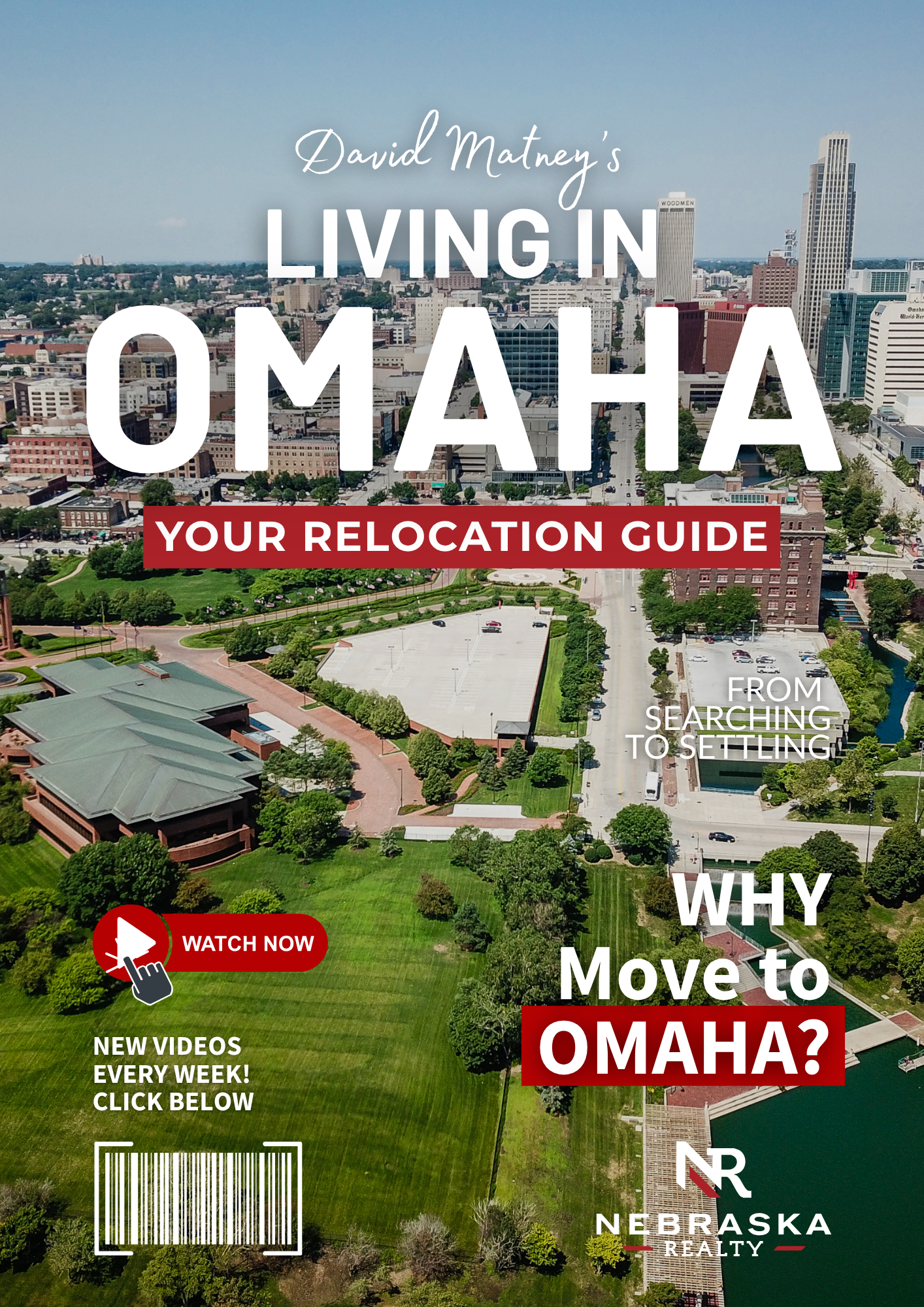
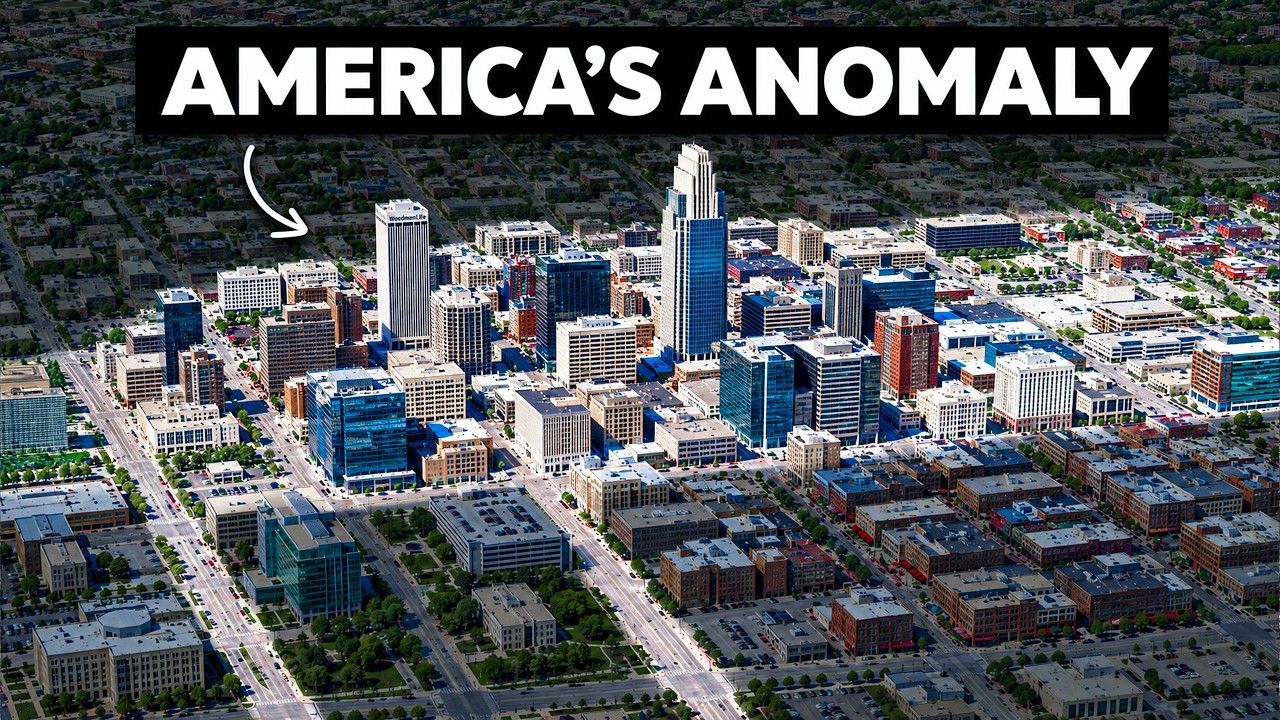
Omaha sits in eastern Nebraska, and it's a city that surprises people. We have the Henry Doorly Zoo, the CHI Health Center, Lewis and Clark Landing, and the new Luminarium STEM museum. We're building a streetcar from Midtown to Downtown Omaha right now. We're a great place to raise a family, with a fantastic public school system and affordable home prices. You'll find cultural activities comparable to larger cities, and people here are friendly.
But here's the thing: Omaha is not one size fits all. This is a very neighborhood-driven city. You can have two completely different neighborhoods inside the same zip code. The only way you can really see this is in person. If you're moving to Omaha, don't be in a hurry. Take your time. Many people feel renting is throwing their money away. I think you should change your mindset a little bit about renting. What you're actually doing is you're investing time to learn the city and to learn where you want to live.
I recently spoke to one of my clients who moved from Southern California to the Omaha area, and she felt that Omaha had all of the things she needed from a larger community. However, she was still getting a little bit used to the weather. I've had several clients talk about the pace of life. The hustle feels less frantic and some people feel like they're stepping back in time in a good way. It's hard for me to see that because I'm from the Omaha area. They've also spoken about how people are friendly, but at the same time, they tend to keep to themselves and they tend to spend more time with their own family.
Omaha is also very self-contained, and so are the suburbs. For example, if you live in Elkhorn , pretty much everything you need is in Elkhorn. For those who are unfamiliar with Omaha, Elkhorn is a suburb located in the western part of Douglas County. Last year, Elkhorn was hit by an EF4 tornado with winds hitting 175 miles per hour. Unless you work in downtown Omaha, if you live in Elkhorn, you won't necessarily have to drive to downtown Omaha. Everything you need will be in Elkhorn.
The same thing applies to suburbs like Papillion . Papillion is in Sarpy County. Unless you work in downtown Omaha, if you live in Papillion, you won't necessarily have to drive to downtown Omaha. Everything you need will be in Papillion.
Now, let's talk about the things you won't find in the brochures. Omaha has high property taxes. We have high homeowner's insurance. We have horrible roads with potholes. We have extensive road construction. Our public transportation is inadequate. We get extreme weather including tornadoes and hail. And we have high car licensing taxes and fees. I'll walk you through each of these so you know what to expect.
What You'll Love
Omaha is a great place to raise a family. We have a fantastic public school system. Home prices are affordable. We have cultural activities comparable to larger cities. People are friendly. The pace of life feels less frantic. One of the concerns of moving to Omaha is the fear of missing out. Many people feel like they're going to be missing out on a lot of the cultural activities you find in a larger city. Many of my clients are pleasantly surprised of all of the things they can do and many of the cultural activities normally found in a larger city.
What You Need to Know
Property values in Douglas and Sarpy County have gone up substantially over the past 5 years. We are a blue dot in a sea of red. People on the left think Omaha is way too conservative, and people on the right think Omaha is way too far left. You're gonna need a car in Nebraska. Our public transportation system is improving, but it's a long way from being adequate. I don't know of anyone who relies 100% on public transportation. And think about it, do you wanna wait for a bus in the middle of January when it's 5 below zero? Not me.
Property Taxes: Paid in Arrears and Prorated at Closing
You might've heard that property taxes in Nebraska are high. However, what nobody knows or understands is how property taxes are actually paid. Even if you're a longtime resident, you may not really understand how they are paid. And if you're moving here, be ready because this can really throw you for a loop.
First, our property taxes are paid in arrears. That means they're paid after use. What does that actually mean? It means we pay 2025 taxes in 2026. Let's take a look at an example. A property in Douglas County gets a valuation for tax purposes in January of 2025. The assessed value of the land and the improvements for the year 2025 might be $227,300. Just so you know, tax assessed value is not equal to market value. Market value is determined by the market. In fact, a property assessed at $227,300 might be listed for sale at $250,000.
During the year 2025, you're living in the home. When 2026 rolls around, the taxes for 2025 become due. The county allows you to pay in two installments. In the year 2026, the first half of the 2025 taxes become delinquent on April 1st, 2026. The second half of the 2025 taxes become delinquent on August 1st, 2026.
If that's not confusing enough, what happens if you're buying a home in June of 2025? Does that mean if I buy a home in June of 2025, I will be paying 2024 taxes on a home that I didn't even live in? And the answer is yes. How does that work? Let's take a look at the purchase agreement. It states if the property is located in Douglas or Sarpy County, Nebraska, all consolidated real estate taxes which become delinquent in the year of closing, as are typically paid in the year of closing, are current taxes for the purposes of this agreement.
That is just a fancy way of saying we are treating 2024 taxes as if they are 2025 taxes. Don't feel bad. I know this is all confusing. Trust me, few people, including agents, really understand how or why this is done this way. Very few people can explain it either.
Let's say we're buying a home and closing is set for June 13th, 2025. The 2024 taxes for the year was $3,329.54. As per the purchase agreement, the 2024 taxes are going to be treated as if they are 2025 taxes. That is the amount that will be prorated by the title company. When something is prorated, it is just a fancy way of saying divided between the buyer and the seller. This means the seller is responsible to pay the taxes from January 1st, 2025 to June 12th, 2025, and the buyer is responsible to pay the taxes from June 13th, 2025 to December 31st, 2025. Thankfully, the title company will ensure the taxes are prorated on your closing statements.
Now at closing, the title person will explain this to you. To be honest, most people, when this is explained to them, their eyes just kind of glaze over because nobody truly understands it. It's like when you're back in school and the teacher explains something to you and you have no clue what they just said. So you just kind of say yes, hoping that they just don't ask you about it. That's usually what happens when most people hear about the property taxes.
Tax Relief and Exemptions
A few things to keep in mind. Yes, we do have higher property taxes. However, we do have a fantastic public school system. Most of the money that is paid in property taxes goes back into the public school system. In the past year, the state legislature has passed some property tax relief. We actually saw property taxes go down just a tad. Now, the taxes are still high, but some tax relief is better than no tax relief.
There is also a process of protesting your tax valuation. If you feel your valuation is too high, there is a process to protest your valuation to the county. If you're buying new construction, your first year, you might get a little bit of a break on your taxes because that first year you may be only paying taxes on the lot and not the improvements. The following year, the assessor is gonna reassess the property and your taxes will be going up.
In Nebraska, if you're a veteran with 100% service-connected disability, you can apply for a property tax exemption. We also have a homestead property tax exemption for qualified seniors on a fixed income.
Radon Gas: Testing and Mitigation
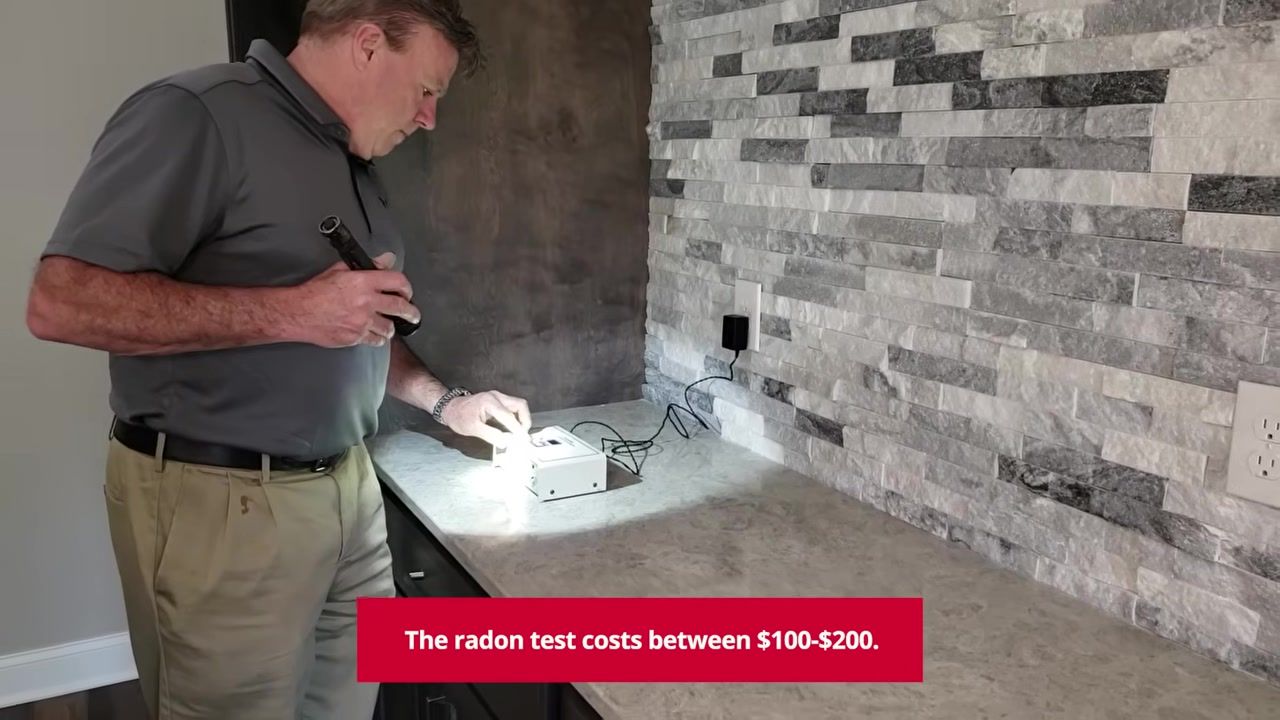
Eastern Nebraska is known for high levels of radon gas. Radon gas is a colorless, odorless, naturally occurring radioactive gas that comes from the breakdown of uranium in the soil. Radon gas is the second leading cause of lung cancer in the United States.
You can test for radon. The test costs between $100 and $200, and the test occurs over a period of several days. If high levels of radon are detected, you can ask the seller to install a radon mitigation system. A radon mitigation system consists of a tube and a fan. A hole is drilled in the floor of the foundation. Then a pipe is attached to this hole, and a fan is connected to this pipe, and the pipe runs up and to the outside of the home. The radon mitigation system pulls the radon from under the home and vents it safely to the outside.
When a radon test is conducted, the magic number is 4.0 picocuries per liter of air. Anything below 4.0 is considered acceptable. If a buyer does a radon test and the test results in anything higher than 4.0 picocuries per liter, the buyer can ask the seller to install a radon mitigation system. A radon mitigation system usually costs between $1,500 to $2,000 to install, depending on the home. In some homes, it might be as high as $5,000.
After the system is installed, the company that installed the radon system will do a post-test. Nine times out of ten, the post-test will result in a radon level reading below 4.0. If you buy a new construction home, builders are now required to install a passive radon mitigation system. A passive system is a tube with no fan. After you move in, you can convert a passive system to an active system for a couple hundred dollars.
Basements: The Holy Trinity of Staying Dry
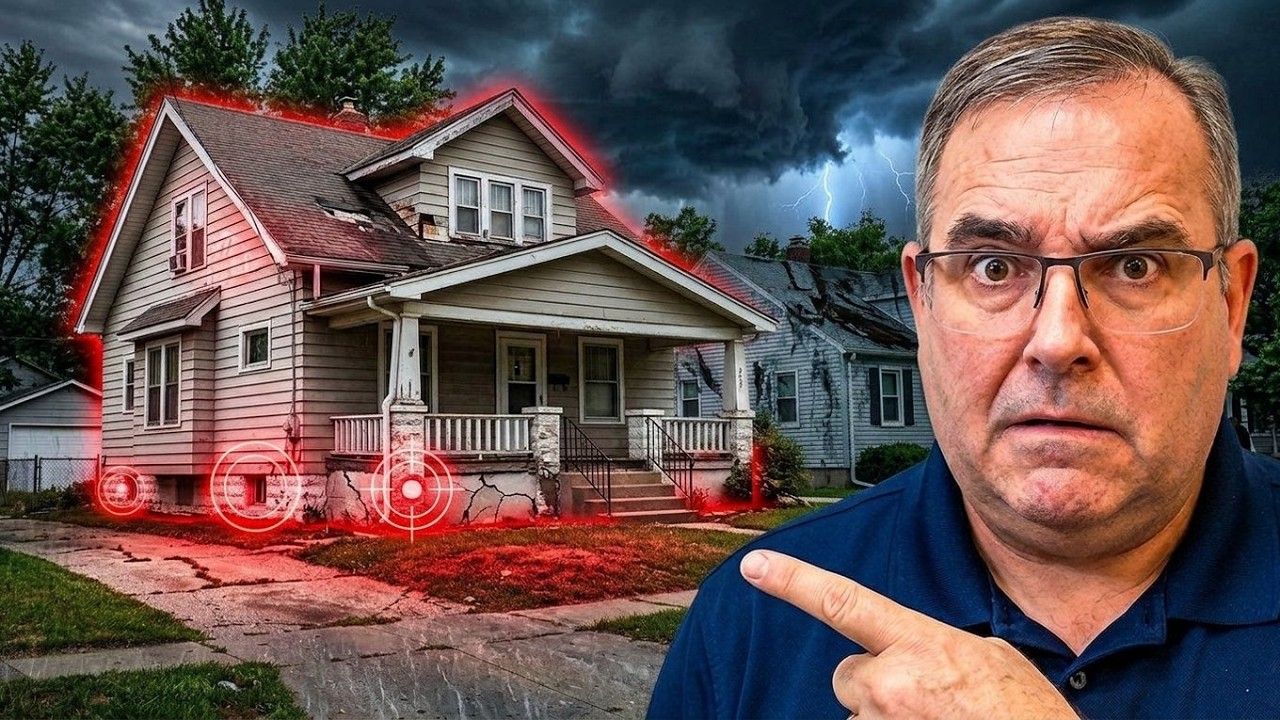
Almost all homes in Nebraska have basements. That's good because during tornado season, if the alarm sounds, you want to go to your basement for shelter. Here's the thing about basements. They attract water. Think about it. A builder builds a hole and where does the water want to go? The water wants to go to the lowest level. It's not if water will intrude into your basement. It is when.
The holy trinity of a dry basement is grading, downspouts, and gutters. When you buy a home, you want to make sure the grading around your home slopes away from the property. People think Omaha is flat. It is not. There are plenty of rolling hills in the Omaha area, and you have to be careful when you buy. You want to avoid a home when the backyard slopes towards the home, or if the home is near the bottom of a hill, because when it rains, the water flows towards your home.
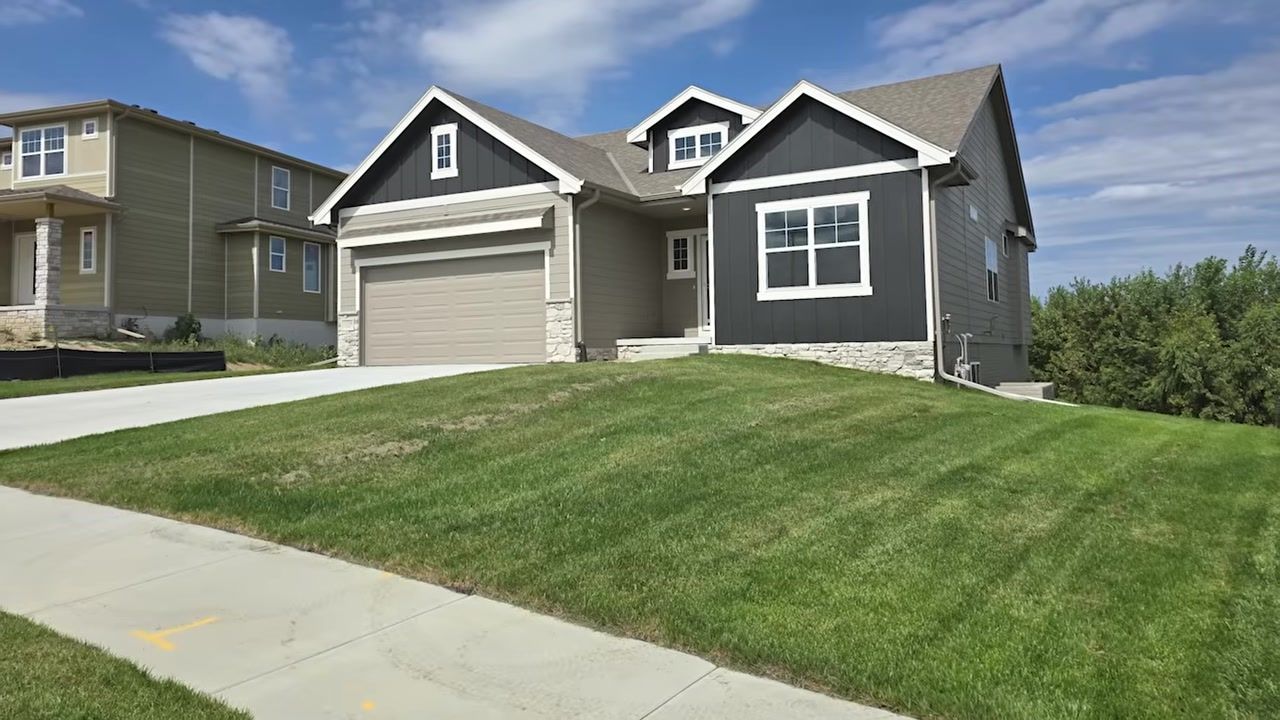
Now, this is just me, but for love of everything that is holy, do not plant a bunch of flowers around your home and then water your foundation. Maintain the grading around your home so the grading slopes away from the foundation. Keep the gutters clear. Clogged gutters can lead to excessive hydrostatic pressure on your foundation.
Let's talk about downspouts. You want downspouts to extend out into the yard so it keeps water away from the foundation. When I was a kid, when I mowed the grass, if I didn't replace the downspouts, that was a capital offense.
Drain Tile Systems
On newer homes, they have a drain tile system. Back in the day, homes did not have the system. On newer homes, they do. On newer homes, builders install a perforated pipe around the outside of the home's foundation, usually at the base of the footing. This pipe is laid in gravel to help filter water and make it flow toward the pipe. As water builds up after a rain, the water flows in the pipe and collects the water in the sump pit, and the sump pump pumps the water out of the sump pit basin, out of the home, and away from the foundation. Older homes do not have a drain tile system. A drain tile system is like an underground gutter system, keeping the basement dry and water away from the foundation.
Standard vs. Walkout Basements
Many parts of the country do not have basements. If you're not from the Midwest, you may not even know that there are two types of basements. You can have a standard basement or a walkout basement. What's the difference? A standard basement means the basement is entirely below ground level, while a walkout basement has direct exterior access. A walkout basement is usually found on a sloped lot and has a door that leads to the backyard or to a patio.
From a value standpoint, people tend to prefer to have a walkout basement. A walkout basement tends to feel more like regular living space. On the flip side, some people like a standard basement because it doesn't have direct access, which could mean a little bit more security.
The ASARCO Lead Superfund Area

When you visit downtown Omaha near the CHI Health Center, the Lewis and Clark Landing, and the new STEM museum, the Luminarium, it's hard to imagine that this area was once home to the ASARCO lead smelting plant. This plant operated for 125 years. The ASARCO plant polluted a major portion of both North and South Omaha. The Omaha Lead Superfund area was the largest Superfund area in the nation.
The cleanup began in 1998 and the EPA remediated more than 13,000 residential properties. When you buy a home in the Omaha area, one of the disclosures you will sign is an acknowledgement of the Superfund area. About 20 years ago, I purchased several rental properties in the lead Superfund area. Now, I purchased these properties in this area because homes in this area are less expensive. As part of the cleanup, the EPA removed about a foot of the soil and replaced it with clean soil and new sod.
One website you might want to explore is omahalead.org. This is the Omaha Lead Registry. You can check an address and see what has been done in terms of lead. If you're purchasing a home that was built before 1978 or is in or near the Superfund area, you can see what work has been done via the address.
When my kids were little and when we would visit the pediatrician for their checkup, one of the questions they would ask at the time was what zip code did we live in? If you lived in certain zip codes, your kids would be more susceptible to lead in the housing. If you're an investor, you have to ensure that you're in compliance with proper lead disclosure. The EPA has some serious fines for landlords who do not follow proper lead protocols. Now, this is just me, and if I'm an investor knowing what I know now, I would stay completely away from homes built before 1978, but that's just me.
Omaha Is Neighborhood-Driven
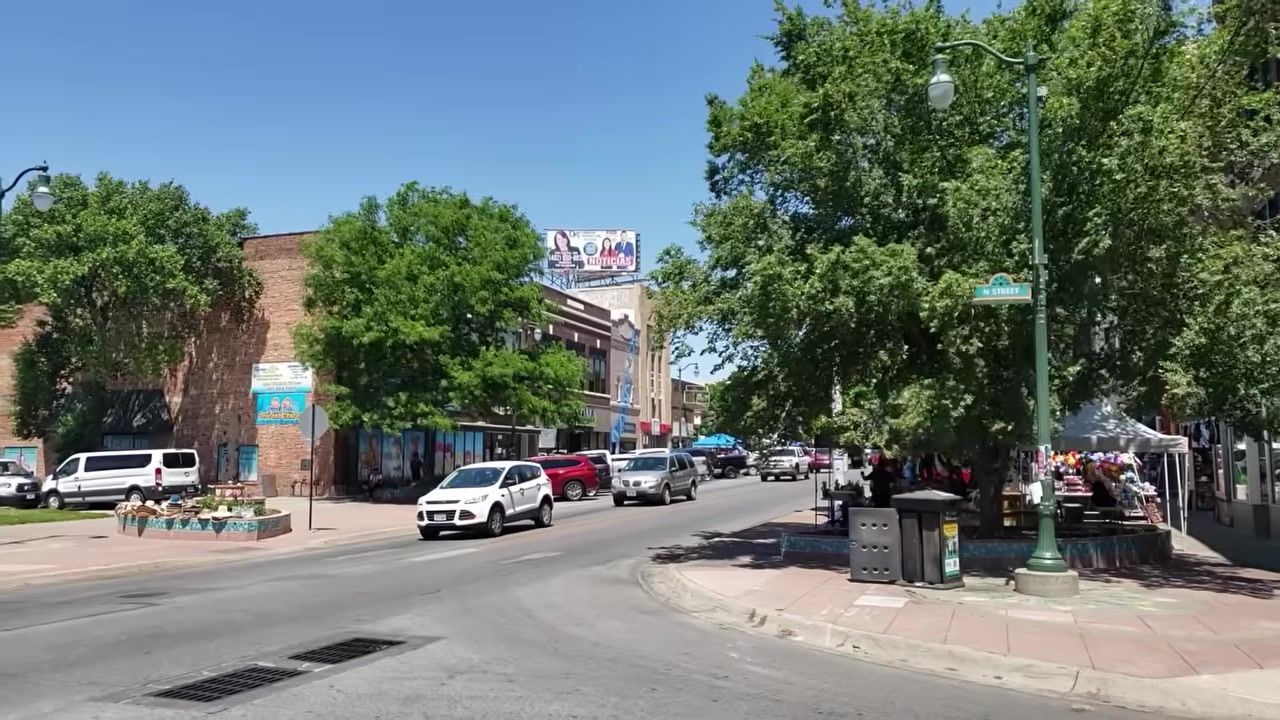
Omaha is not one size fits all. Omaha is a very neighborhood-driven city. It varies. The only way you can really see this is in person. You can have two completely different neighborhoods inside of the same zip code. If you're moving to Omaha, I would suggest making an in-person visit first. Rent a car, invest a few days, and just simply drive the city and some of the surrounding communities. Get off of the main roads and drive inside different neighborhoods. Keep all of your options open.
Omaha is a great city and we have a lot of different options depending on your budget, your interests, and your lifestyle. Also, don't be in a hurry. It's completely okay to take your time. If you're relocating to Omaha, it's perfectly okay to rent. Many people feel renting is throwing their money away. I think you should change your mindset a little bit about renting. What you're actually doing is you're investing time to learn the city and to learn where you want to live.
If you're relocating to Omaha, you can start the process early. I help many people relocate to the Omaha area. Feel free to reach out at 402-490-6771.
Microclimates and Severe Weather
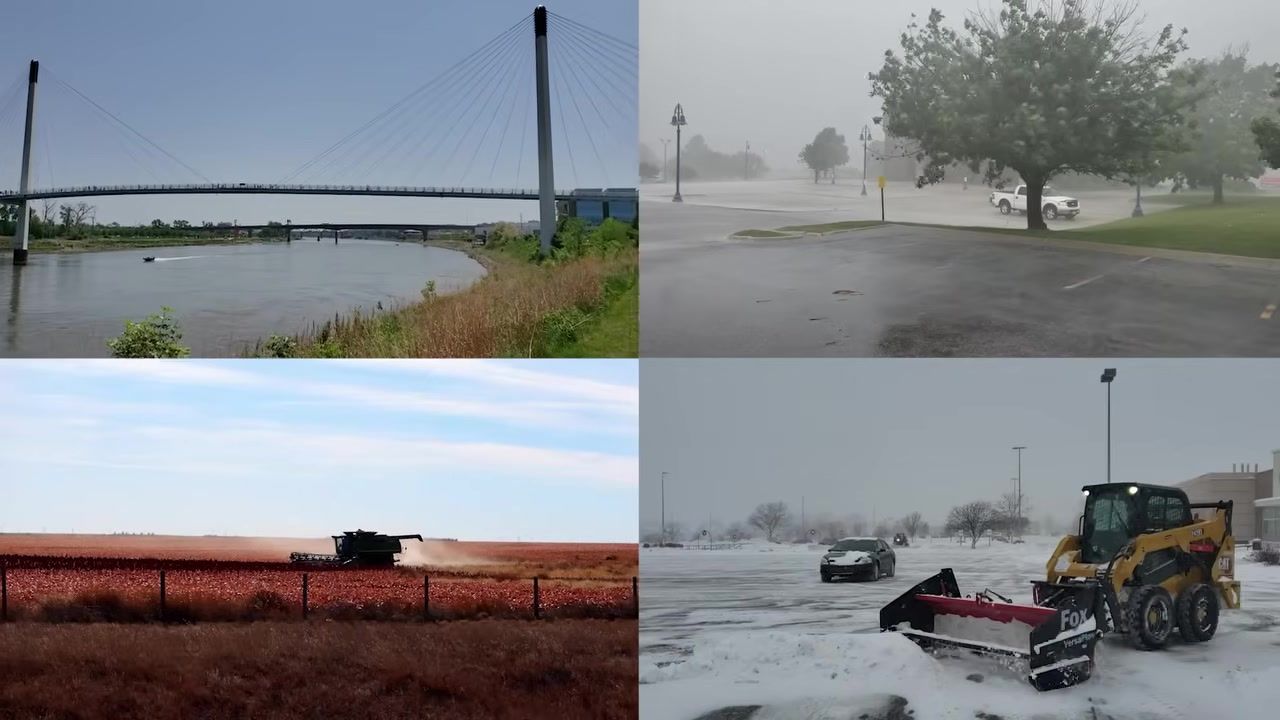
If you move to Omaha, you'll hear people complain about the weather, but what no one tells you about are microclimates. The weather is not uniform across the city. You might have a downpour in one part of the city and just a few miles away you might not get any rain at all. Same thing applies to hail or snow. One part of the city, you might get golf ball-sized hail with substantial damage, and then a few blocks away, nothing.
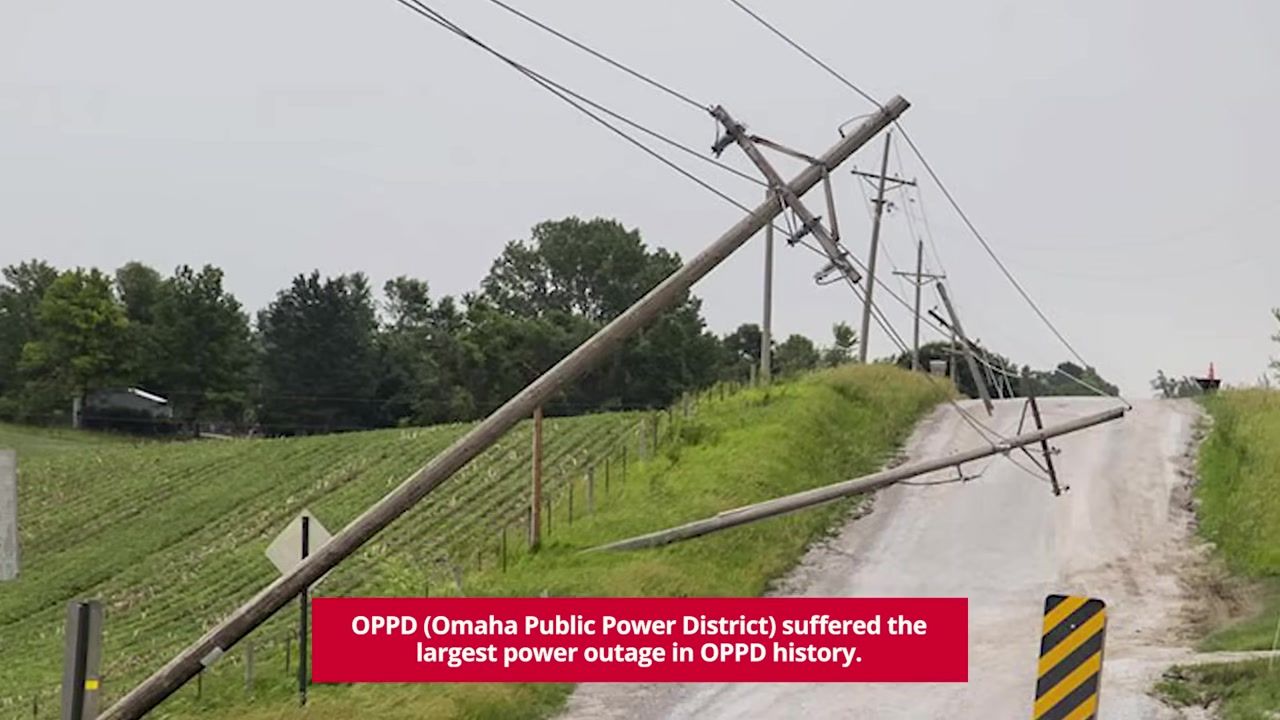
Last year we had a severe windstorm with straight-line winds where OPPD, the Omaha Public Power District, suffered the largest power outage in OPPD history. We had widespread power outages affecting 221,000 customers. Some residents were without power for nearly 8 days while crews from across the region worked to restore power.
Last year, we also had an EF4 tornado hit part of western Douglas County with winds hitting 175 miles per hour. Several parts of the city were affected, including Elkhorn and Bennington, while other parts of the city sustained no damage whatsoever. Same thing applies to hail. One part of the city can receive extensive damage while a few miles away, nothing.
Tornado Watch vs. Tornado Warning
Let's talk about the difference between a tornado watch and a tornado warning. A tornado watch means the conditions are ripe for tornadoes to form. Keep an eye on the weather and be prepared to take shelter if needed. A tornado warning means a tornado has been seen or detected on radar. You should go to a safe place like a basement or an interior room without windows.
Don't be surprised if you see a longtime resident hear the sirens and then go outside and start talking to their neighbors. It's kind of a Midwest thing. Last year, my friend who lives in Elkhorn sent his kids to the basement and then watched the tornado from his back deck in the backyard. That's not something I necessarily condone, but don't be surprised if you see this.
Homeowners Insurance: Replacement vs. ACV Coverage
Since we're on the subject of property damage, let's talk about homeowner's insurance. Homeowner's insurance is high in Nebraska. Our home prices are very affordable. However, our property taxes and homeowner's insurance rates are out of control. Why? Well, one of the reasons is simply because of the weather. We get thunderstorm activity in the spring and summer months. Thunderstorms bring high winds, flash flooding, hail, and sometimes tornadoes.
As mentioned earlier, we had a tornado hit Elkhorn last year. When this happens, insurance companies pass those losses on to other policyholders. Many of the viewers of my channel are long-term residents. If you've owned your home for a long period of time, you might want to make sure that you're carrying enough coverage. Property values in Douglas and Sarpy County have gone up substantially over the past 5 years. Make sure you have enough coverage.
When we get a thunderstorm, and if you suspect possible hail damage, do not call your insurance company. Your first call should be to a local reputable roofer. Find out if you have damage first, then call your insurance company. If you call your insurance company, they'll come out. And if there's no damage, it still counts as a zero-paid claim. If you call them out a few months later, the insurance company might drop you from coverage because you filed too many claims.
Replacement vs. ACV Coverage
If you're new to the area, or if you're buying your first home, make sure you understand the difference between replacement coverage and ACV or actual cash value coverage. Here's a quick rundown of the difference. Replacement coverage is just that, replacement. Let's say you have damage to your roof. To replace the roof is $20,000. You pay your deductible, and let's just say your deductible is $3,000, and your insurance company covers the difference.
With ACV coverage, it works like this. You have $20,000 worth of damage. The roof is over 5 years old. Instead of paying the deductible and getting a new roof, the insurance company gives you $5,000 and you pay the rest out of pocket to replace the roof because the roof was over 5 years old.
Vehicle Registration, Roads, and Public Transportation
Let's talk about licensing your car. Nebraska is a red state, but you're taxed like you live in a blue state. When you buy a car, and if it's newer, don't say I didn't warn you, the local DMV hits you with all sorts of taxes and fees. So be ready if you purchase a car in the Omaha area. We have all sorts of taxes and fees with licensing your car in Nebraska, and you're gonna need a car in Nebraska.
Our public transportation system is improving, but it's a long way from being adequate. I don't know of anyone who relies 100% on public transportation. And think about it, do you wanna wait for a bus in the middle of January when it's 5 below zero? Not me.
Now let's talk about the road conditions and road construction. Be prepared for horrible roads. We have lots of potholes because of our weather. We also have lots of road construction right now. Omaha is on a growth spurt, so some of the roads have not kept up with the amount of development in the area. And you can really see this in Southwest Omaha. Is it getting better? No. People complain about the roads and the weather.
We are also in the process of building a new streetcar from Midtown to Downtown Omaha. Many people are not happy about the new streetcar.
Which Lifestyle Is Right for You?
Omaha is a great place to raise a family. We have affordable home prices, a fantastic public school system, and cultural activities comparable to larger cities. The pace of life feels less frantic. People are friendly, but they tend to keep to themselves and spend more time with their own family.
However, Omaha has high property taxes and high homeowner's insurance. We have horrible roads with potholes and extensive road construction. Our public transportation is inadequate. We get extreme weather including tornadoes and hail. And we have high car licensing taxes and fees.
Choose Omaha if you want affordable home prices, a fantastic public school system, and a less frantic pace of life. You'll need a car. You'll need to budget for property taxes, homeowner's insurance, and vehicle registration fees. You'll need to be prepared for severe weather including tornadoes and hail.
Choose the suburbs like Elkhorn or Papillion if you want a self-contained community where everything you need is nearby. Unless you work in downtown Omaha, you won't necessarily have to drive to downtown Omaha. Everything you need will be in your suburb.
Rent first if you're relocating to Omaha and want to learn the city before you buy. Omaha is a very neighborhood-driven city. You can have two completely different neighborhoods inside of the same zip code. The only way you can really see this is in person.
Final Thoughts: Visit Before You Move
If you're relocating to Omaha, I'd suggest making an in-person visit first. Rent a car, invest a few days, and just simply drive the city and some of the surrounding communities. Get off of the main roads and drive inside different neighborhoods. Keep all of your options open. Omaha is a great city and we have a lot of different options depending on your budget, your interests, and your lifestyle.
Also, don't be in a hurry. It's completely okay to take your time. If you're relocating to Omaha, it's perfectly okay to rent. Many people feel renting is throwing their money away. I think you should change your mindset a little bit about renting. What you're actually doing is you're investing time to learn the city and to learn where you want to live.
If you're relocating to Omaha, you can start the process early. I help many people relocate to the Omaha area. Whether you're buying, selling, or just exploring your options, let's schedule a free, no-obligation consultation to discuss your next move. You can reach out at 402-490-6771 or email me at davidmatney@nebraskarealty.com
FAQ
How are property taxes paid in Omaha?
Property taxes in Nebraska are paid in arrears, which means they're paid after use. We pay 2025 taxes in 2026. When you buy a home, the title company will prorate the taxes between the buyer and the seller. If you're buying a home in June of 2025, you will be paying 2024 taxes on a home that you didn't even live in, because the purchase agreement treats 2024 taxes as if they are 2025 taxes.
Do I need to test for radon gas in Omaha?
Yes. Eastern Nebraska is known for high levels of radon gas. Radon gas is a colorless, odorless, naturally occurring radioactive gas that comes from the breakdown of uranium in the soil. You can test for radon. The test costs between $100 and $200. If high levels of radon are detected, you can ask the seller to install a radon mitigation system.
What is the ASARCO Lead Superfund area?
The ASARCO lead smelting plant operated for 125 years and polluted a major portion of both North and South Omaha. The Omaha Lead Superfund area was the largest Superfund area in the nation. The cleanup began in 1998 and the EPA remediated more than 13,000 residential properties. When you buy a home in the Omaha area, one of the disclosures you will sign is an acknowledgement of the Superfund area.
What is the difference between a tornado watch and a tornado warning?
A tornado watch means the conditions are ripe for tornadoes to form. Keep an eye on the weather and be prepared to take shelter if needed. A tornado warning means a tornado has been seen or detected on radar. You should go to a safe place like a basement or an interior room without windows.
What is the difference between replacement coverage and ACV coverage?
Replacement coverage means the insurance company will pay to replace the damaged item. Let's say you have damage to your roof. To replace the roof is $20,000. You pay your deductible, and your insurance company covers the difference. With ACV coverage, the insurance company gives you the actual cash value of the damaged item, which accounts for depreciation. You may have to pay the rest out of pocket to replace the roof.
Should I rent before buying in Omaha?
Yes. Omaha is a very neighborhood-driven city. You can have two completely different neighborhoods inside of the same zip code. The only way you can really see this is in person. If you're relocating to Omaha, it's perfectly okay to rent. What you're actually doing is you're investing time to learn the city and to learn where you want to live.
DAVID MATNEY
David Matney is a trusted Realtor® and local expert with over 20 years of experience in Omaha’s real estate market.