Table of Contents
- Introduction
- 1. Agency Disclosures And Buyer Broker Agreements
- 2. Property Taxes: What To Expect When Moving To Omaha, NE
- 3. Schools And Why They Drive Housing Choices
- 4. Inspections You Can’t Skip — Save $1,500 To $20,000
- 5. Lead Water Service Lines And Replacement Programs
- 6. The Omaha Lead Superfund Area — What Buyers Should Know
- 7. Homeowners Insurance: Higher-Than-Average Rates
- 8. Neighborhoods, Commute, And What To Expect
- 9. Omaha Real Estate Market Basics, Timing, And Financing
- Safety, Steering, And Where To Look For Crime Data
- Final Checklist Before You Make An Offer
- FAQs About Moving to Omaha, NE
Introduction
If you are moving to Omaha, NE and planning to buy a house, there are some local rules and regional realities that will affect your budget, your timeline, and your choices. This guide walks through the practical details most people miss until they are already under contract: required paperwork, how property taxes are handled, which inspections you should not skip, and special local issues like lead cleanup zones and lead water lines.
1. Agency Disclosures And Buyer Broker Agreements
Before you step inside most homes for a tour, Nebraska law requires agents to provide an agency disclosure. This written document explains who represents whom — and it protects you by clarifying whether an agent is working exclusively for you or representing the seller.
You will also typically be asked to sign a buyer broker agreement. There are two common types:
- Exclusive buyer agency: a binding agreement for a set time. If you sign this, ask about cancellation terms.
- Limited buyer agency: a short-term or property-specific agreement — a good way to "test drive" an agent.
Real estate commissions are negotiable. Don’t sign anything you haven’t read. Ask for a copy in advance, read paragraph numbers that cover compensation, and remember you can ask the seller to contribute to your agent’s fee when you write your offer (paragraph 31 in the standard contract).
Quick takeaways
- Read the buyer agency agreement before you sign.
- Ask whether you can cancel an exclusive agreement if the relationship does not work out.
- If you want flexibility, start with a limited buyer agency.
2. Property Taxes: What To Expect When Moving To Omaha, NE
Douglas County and Sarpy County pay property taxes in arrears. That means you pay 2024 taxes in 2025. When you close a home in 2025, the contract treats the prior year’s taxes as current for proration. For example, if you close March 31, 2025, the seller pays January 1 to March 30, and you pay March 31 to December 31.
Important local quirks:
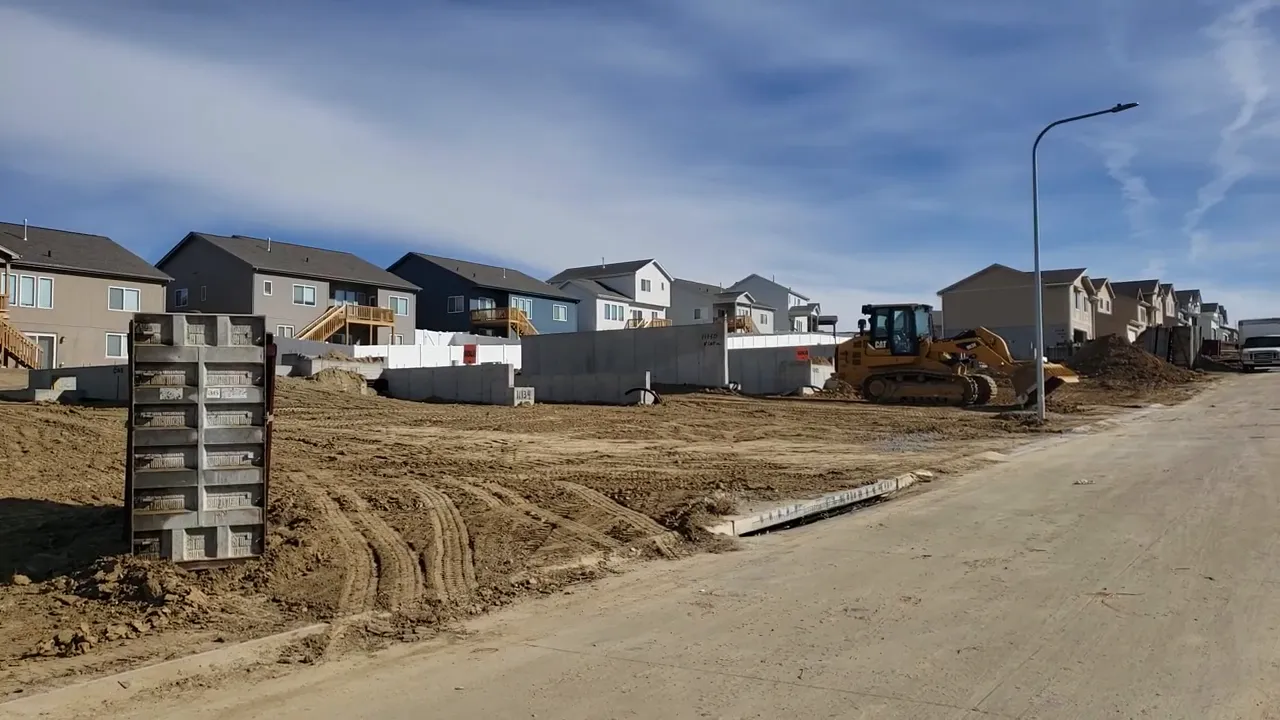
- New construction is often under-assessed the first year. You may only pay taxes on the lot initially, but the county assessor will reassess and your taxes will usually increase the next year.
- New subdivisions can carry higher mill levies (tax rates) because of sanitary improvement district bonds used to pay for streets, sewers, and water. These SIDs exist for growth outside city limits and can lead to higher taxes until the area is annexed and services are transferred.
- Over half of local property taxes support local schools. That matters for both services and long-term tax outlooks.
3. Schools And Why They Drive Housing Choices
Omaha is a market where school districts strongly influence where people choose to live. If you are moving to Omaha, NE with children, check the Nebraska Education Profile ( nep.education.ne.gov) to compare districts and individual schools. Districts are rated from excellent down to needs support, and the site shows graduation rates, attendance, and test performance.
Two additional realities to plan for:
- Nebraska allows open enrollment into other districts, but acceptance is not guaranteed — roughly 60 percent of applications are denied. If accepted, the student is usually responsible for transportation.
- In growing suburbs like Gretna, school boundaries change as new schools are built. Always verify the current school assignment before you write an offer.

4. Inspections You Can’t Skip — Save $1,500 To $20,000
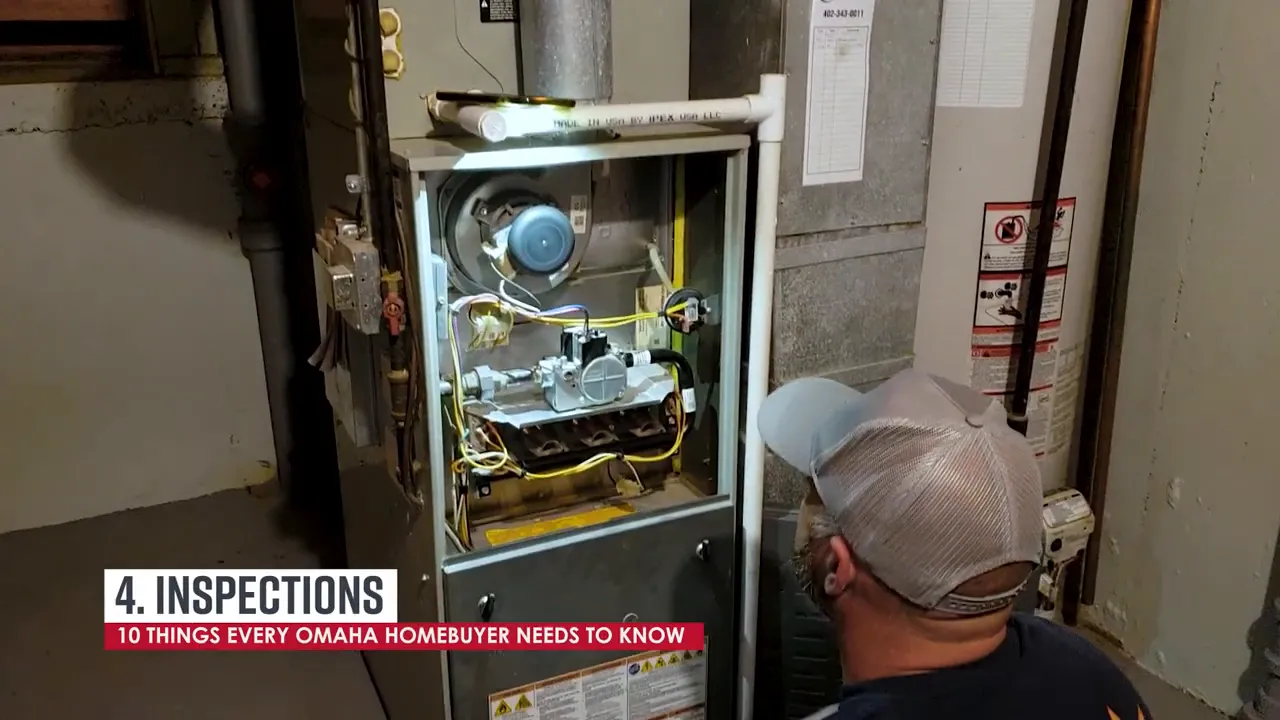
The inspection clause in the contract gives you a window — typically 14 calendar days after the acceptance date — to perform all inspections. It is plural: bring in the exact specialists you need. Skip the basics at your peril:
- Radon testing: Eastern Nebraska has high radon levels. Radon testing is inexpensive (around $125), and mitigation systems generally cost between $1,500 and $2,000. Many new homes include passive radon systems; adding a fan is inexpensive.
- Sewer scope inspection: For homes built before 1990 with mature trees and cast iron stacks, a sewer scope can reveal damaged clay or cast iron lines invaded by roots. Replacing a main sewer line can cost up to $20,000 and is not covered by homeowner insurance.
- Exterior water service: You are responsible for the water line from the main to the home. For MUD customers, a monthly protection plan (HomeServe Partnership) is available for roughly $4.49 a month to cover water line repairs.
- Mechanical and roof inspections: If furnaces, HVAC, or roofs are older, bring in qualified contractors to assess remaining life and potential repair costs.
If you are buying sight-unseen, consider traveling to see the property during the inspection period. Always get seller permission before sending contractors to inspect — it’s still their home until closing.
Tips for sellers
If someone is inspecting your home, leave. If you learn about a defect during the inspection process and the deal falls through, you may be legally required to disclose that information later.
5. Lead Water Service Lines And Replacement Programs
Many older parts of Omaha have lead water service lines. The Metropolitan Utilities District started a 10-year replacement program in 2024. Check MUD’s interactive map online with your address to see if the water line at a property has been or will be replaced.
6. The Omaha Lead Superfund Area — What Buyers Should Know
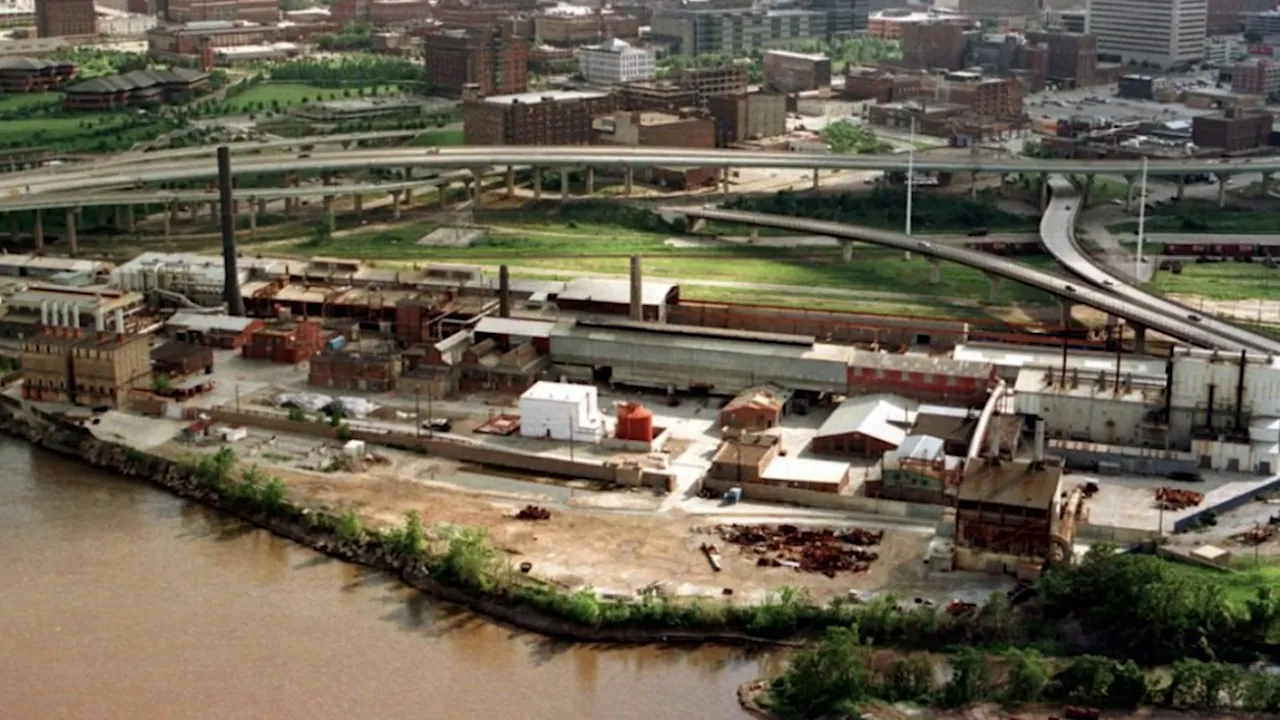
Omaha’s historical lead smelting site near downtown became a designated EPA Superfund site in 1999. Cleanup has been ongoing for decades and includes soil remediation and paint stabilization in thousands of yards across parts of North and South Omaha.
If you buy in or near the Superfund boundaries you will sign a lead-superfund disclosure. Use the Omaha lead registry ( omahalead.org) to check whether remediation work has been done at a specific address.
7. Homeowners Insurance: Higher-Than-Average Rates
Omaha’s weather patterns and geography make homeowners insurance pricier than many parts of the country. Spring and summer thunderstorms can bring hail, high winds, flash floods, and occasionally tornadoes. Hail storms are a major driver of higher premiums and claims.
Practical points:
- Insurance companies may depreciate older roofs and decline full replacement coverage on older shingles, meaning out-of-pocket costs if replacement is needed.
- New construction sometimes includes impact-resistant shingles, which can earn insurance discounts. Ask the builder.
- Lock in your homeowner policy promptly after an offer is accepted so there are no surprises at closing.
8. Neighborhoods, Commute, And What To Expect
“Best neighborhood” is subjective. Omaha grew unevenly: many neighborhoods were once independent towns and were later annexed. That history creates variety: historic brick homes in Country Club, hip scenes in Benson, and newer master-planned subdivisions farther out.
Commute times are a major selling point. Most cross-city drives are under 30 minutes, making Omaha easier to navigate than many metro areas. If you depend on public transit, understand that bus and transit options are improving but still limited compared to larger cities.
Geography basics to orient you:
- Omaha sits in Douglas County; Sarpy County is to the south. Both have suburbs with their own identities and tax structures.
- The Missouri River forms the eastern boundary and separates Nebraska from Iowa. There are quirky historical pockets like Carter Lake that are technically in Iowa but located on the Nebraska side of the river due to a 19th-century flood and court decision.
- City limits, county lines, and school district boundaries do not always align. A house inside Omaha city limits might fall into another school district.

9. Omaha Real Estate Market Basics, Timing, And Financing
Omaha’s real estate market is relatively stable compared to more volatile national markets. The region did not experience a dramatic crash in past recessions and benefits from a diverse local economy and low unemployment.
Important buying strategies when moving to Omaha, NE:
- Start looking early. If your lease ends in several months, begin touring now so you know what price ranges and features fit your needs.
- New construction can take nine months or longer. If timing aligns, you can start a build now and move in when your lease expires.
- Bring your agent on the first visit to a builder community. Many builders require the agent to be present for commission tracking.
- Talk to a lender early to understand buying power and what you need to fix credit or save for down payment and closing costs.
Money planning: set up three buckets — funds for the down payment, funds for closing costs, and an emergency buffer for life events. Even if a lender preapproves you for a certain mortgage amount, buy within a budget that leaves you comfortable if rates or expenses change.

Interest rates and timing
No one can predict future rates. Waiting for rates to drop could be costly if home prices rise, and refinancing later depends on maintaining equity. The safest plan is to buy a home you can afford with conservative assumptions about rates and market changes.
Offers and competitive situations
In some price points you will face multiple offers. If you really want a house, be prepared to submit your highest and best. The idea is to put forward an offer you are comfortable losing if someone else bids just slightly higher. Well-priced desirable homes move quickly — sometimes within 1 to 4 days of listing.
Safety, Steering, And Where To Look For Crime Data
Everyone cares about safety, but as a licensed agent I cannot steer buyers toward or away from neighborhoods based on protected characteristics. That practice is illegal and damages communities.
If you want neighborhood safety data, use these resources directly:
- Local police department crime maps and reports
- Crime mapping websites that show incidents by area
- Nebraska Sex Offender Registry to search by city, county, zip code, or radius
Use the data and your own visits to decide what feels right for you and your family.
Final Checklist Before You Make An Offer
- Read and understand the buyer agency agreement.
- Verify school district assignments for the specific property.
- Get all inspections done within the inspection window: radon, sewer scope, roof, HVAC, and any specialists required.
- Check property tax history and ask about SIDs and likely reassessment.
- Confirm homeowner insurance availability and any special roof or weather exclusions.
- Confirm whether the property is in the lead superfund boundary and check remediation history.
- Ask who pays for the buyer’s agent in the contract (paragraph 31) if you want the seller to contribute.
Ready to start your Omaha home search or want personalized advice? Call/Text (402) 490-6771 or book a quick consult to get tailored guidance and a free market review.
FAQs About Moving to Omaha, NE
How do property tax prorations work when moving to Omaha, NE?
Douglas and Sarpy County paid taxes in arrears. The contract treats the prior year as current for proration. For example, when you close March 31 there is a proration so the seller pays the portion of the year they owned and you pay the remainder through December 31.
Should I worry about radon if I am moving to Omaha, NE?
Yes. Eastern Nebraska has higher radon levels. A test costs about $125 and mitigation typically runs $1,500 to $2,000. New builds often include passive systems; consider adding a fan if needed.
What inspections are most important for older homes?
In older neighborhoods check for sewer line condition with a sewer scope, inspect main plumbing stacks, evaluate HVAC and roof age, and consider electrical and foundation specialists based on age and appearance.
Are lead water lines still a problem in Omaha?
Some older properties have lead service lines. The Metropolitan Utilities District started a multi-year replacement program in 2024. Use the MUD interactive map to see the status at a given address.
How high are homeowners insurance rates in Omaha?
Insurance rates tend to be higher than the national average due to hail, storms, and occasional tornado activity. Newer or impact-resistant roofing can reduce premiums in some cases.
Can I choose a school outside my district after moving to Omaha, NE?
Nebraska allows open enrollment, but it requires an application that can be denied. If accepted, you are usually responsible for transporting the student.
What should I do if there are multiple offers on a house?
Decide in advance how much you are willing to pay and submit a highest and best offer if you really want the house. Be prepared to move quickly; desirable homes can disappear in days.
Where can I check if a property was subject to lead cleanup?
Use the Omaha lead registry at omahalead.org to search by address and see whether soil or paint stabilization work was completed.
Moving to Omaha, NE means making choices informed by local rules and realities. With the right inspections, a clear budget, and a plan for schools and taxes, you can avoid surprises and find a home that fits your life. If you follow the checklist and verify the hard facts ahead of time, you will be in a strong position to make a confident offer and settle in smoothly.
Read More: Best Areas to Live in Omaha, NE: Neighborhoods, Suburbs, Schools & Commutes