Why Omaha Is The Opposite Of Every Other U.S. City: 10 Surprising Facts
Omaha has an image problem, or maybe it's an image advantage. Most people know the city for steaks, trains, and Warren Buffett's Berkshire Hathaway. That's not an unreasonable picture, but it makes Omaha sound a lot more ordinary than it actually is. When you start digging into the history of this city, you'll find political machines that ran the government without holding office, a court battle that reached the United States Supreme Court, and a geographic relationship with the Missouri River that literally reshaped the metro.
The more you look at Omaha, the harder it becomes to explain this place as just another Midwestern city. Omaha has blazed its own trail. Today we're going beyond the steaks and the trains, and I'm going to give you the 10 biggest ways Omaha does the exact opposite of other U.S. cities, and why it matters if you're thinking about moving here.
Omaha was founded in 1854, and within a decade it became the starting point for the Union Pacific, the eastern terminus of the Transcontinental Railroad. Add the stockyards and meatpacking plants, and Omaha turned into a frontier boomtown almost overnight. And whenever there's that much money moving that fast, someone figures out how to run it.
Table of Contents
- Omaha: The Political Boss Who Never Held Office
- The College World Series: Why Omaha Kept What Other Cities Gave Up
- Omaha's Surprising Geography and Flood History
- Nebraska's Unique Political System
- Henry Doorly Zoo: America's Number One Zoo
- What's Hiding Beneath Omaha's Real Estate
- Boys Town: A City Within a City
- Gerald R. Ford's Birthplace in Omaha
- Chief Standing Bear's Historic Civil Rights Victory
- Bellevue and Offutt Air Force Base: America's Nuclear History
- Which Omaha Story Matters Most to You?
- Final Thoughts: The Omaha Most People Never Knew
Omaha: The Political Boss Who Never Held Office
Today Omaha is known for its Midwestern values, friendly neighborhoods, and a reputation as a great place to raise a family. But if you go back to the late 1800s and early 1900s, Omaha had a much rougher reputation. As the city grew into a major railroad and meatpacking hub, it also developed a thriving underground economy built around gambling, prostitution, illegal liquor, and political corruption. And much of that world was connected to one man: Tom Dennison.
Dennison arrived in Omaha in 1892 and gradually built a political machine that gave him enormous influence over city government, elections, and law enforcement, all without ever holding elected office himself. His influence even extended to Omaha's mayor's office, which included James "Cowboy Jim" Dahlman, who served eight terms. Dennison's era also overlapped with some of the darkest chapters in Omaha's history, including the 1919 race riot when a white mob lynched Will Brown and burned the Douglas County Courthouse. The precise extent of Dennison's personal responsibility for the events remains debated by historians, but his political machine was deeply embedded in the city's power structure.
Eventually, investigations and federal prosecutions weakened Dennison's organization, and by 1933 his grip on Omaha politics had largely come to an end. Before it became the city many people know and love today, Omaha was a place where political power, organized crime, and the legitimate business world often overlapped. Tom Dennison was one of the men who helped define that era. Understanding that history matters because it shaped the city's institutions, its neighborhoods, and the way Omaha rebuilt itself into the metro you see now.
The College World Series: Why Omaha Kept What Other Cities Gave Up
The College World Series bounced around between other Midwestern cities before Omaha entered the picture. The NCAA was seeking a permanent, neutral central location to draw in fans while expanding the tournament from four teams to eight. In 1950, the tournament was hosted in Omaha for the first time, and it brought in over 17,000 fans. This was seen as a massive success compared to earlier host cities.
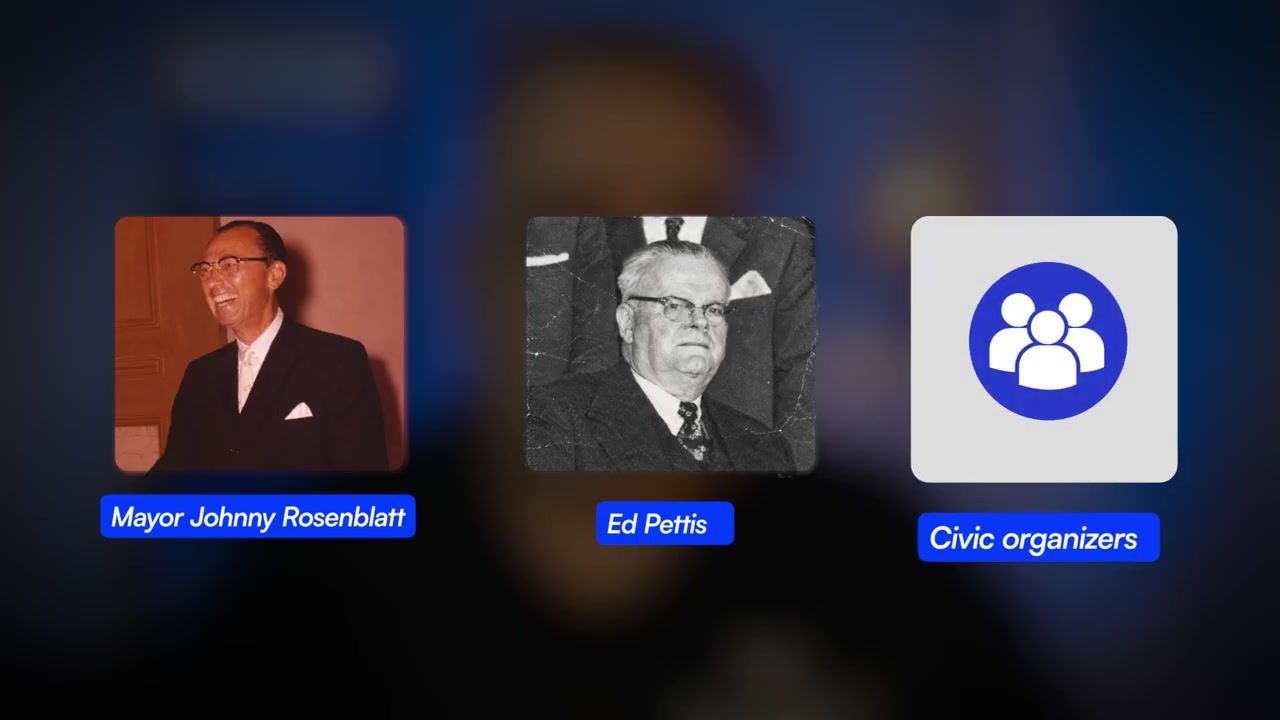
But here's what people actually miss about this story: the College World Series lost money in 10 of its first 12 years in Omaha. Mayor Johnny Rosenblatt, Ed Pettus, and civic organizers believed in the long-term potential of the event anyway. They formed College World Series of Omaha Inc. a nonprofit organizing committee that covered the financial shortfalls and heavily promoted ticket sales to locals. Nebraska and Creighton were never seen as baseball powerhouses, which gave the city a more neutral feel for visiting fans. And Omaha's central location offers an ideal midpoint for fans traveling from the West Coast, Gulf Coast, SEC, or ACC.
By the late 2000s, Rosenblatt Stadium required substantial upgrades to meet modern broadcast and facility standards, so the city responded by building Charles Schwab Field, which opened in downtown Omaha in 2011 at a cost of roughly $130 million. In 2008, the NCAA signed a 25-year agreement with College World Series of Omaha Inc. guaranteeing the tournament remains in Omaha through 2035. Most cities host a major sporting event for a few years. Omaha has made one of America's biggest amateur sporting events part of the city's identity for generations. That commitment, financial, civic, and emotional, is what sets Omaha apart.
Omaha's Surprising Geography and Flood History
There's a misconception about Nebraska that it's flat as a pancake, but Omaha is actually a city of hills, bluffs, valleys, creeks, lakes, and a major river. That geography has created some very unusual problems for the city to solve. One of the biggest has always been water. Omaha sits along the Missouri River, but the metro contains an extensive network of smaller creeks and tributaries. When intense rain falls upstream, those relatively small waterways can turn into extremely powerful flood channels very quickly.
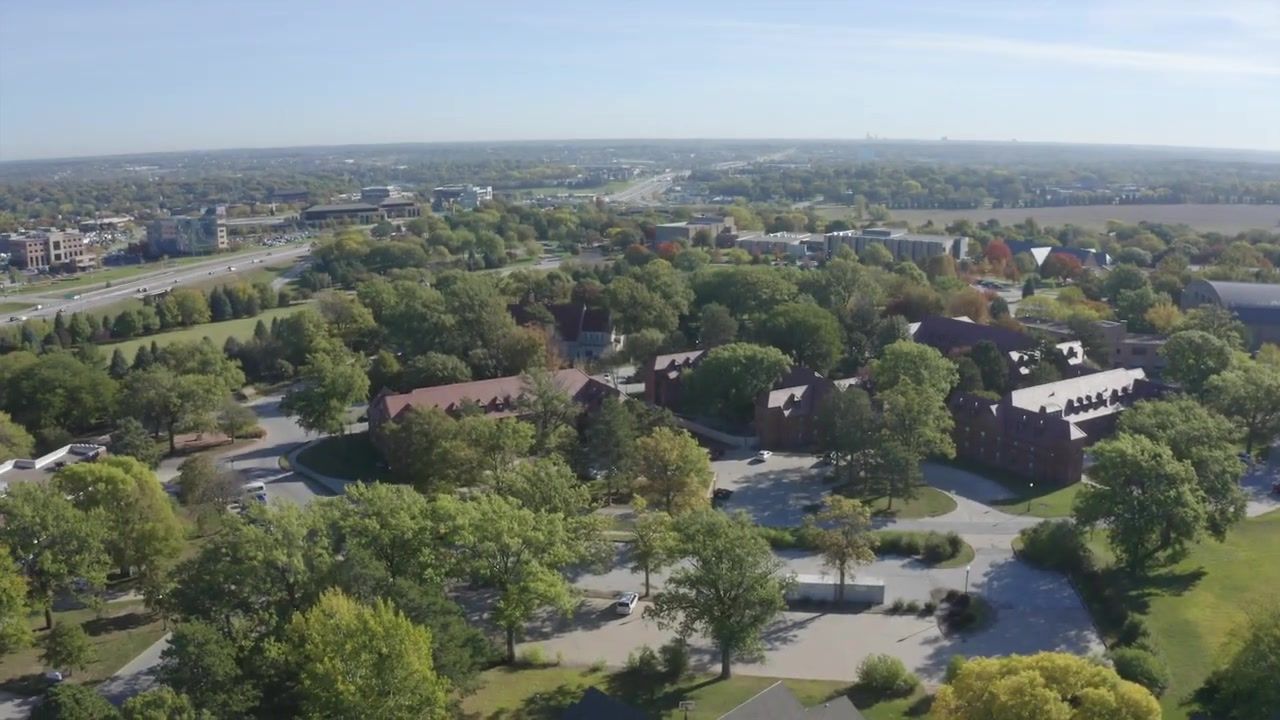
In 1964, an enormous storm hit the Papillion Creek watershed. Rainfall of roughly between five and seven inches had already fallen in that area earlier in June. But the most incredible number came from near Boys Town: eight inches of rain fell in just three hours over the Hell Creek watershed. That water came rushing down from the Boys Town area into the West Papillion Creek. Hell Creek became a torrent roughly 50 feet wide with waves as high as five feet. The flood was so powerful that houses were moved from their foundations, garages were destroyed, and 95 trailer homes in the Millard area were swept more than a half mile downstream.
Here's why this matters to Omaha today. Flooding wasn't just a natural disaster problem, it became a development problem. As Omaha expanded west and south, more homes, roads, and businesses were being built in areas where water naturally wanted to go. Today, the Papillion Missouri River Natural Resources District, commonly known as Papio NRD, manages and participates in a huge system of flood control infrastructure throughout the Omaha metro that includes channels, levees, detention areas, and reservoirs. If you're looking at homes in west Omaha or Millard, understanding how that flood control system works and where those detention basins are located can help you make a smarter decision about where to buy.
And then there's one of the strangest geographic stories in the entire Omaha area: Carter Lake, Iowa. Carter Lake wasn't always a separate lake. It was once part of the Missouri River. In 1877, the Missouri River suddenly changed course during a major flood. Instead of gradually moving its channel, the river essentially jumped into a new course, creating a problem. The Missouri River moved. The state line didn't. The United States Supreme Court ultimately ruled that because the river had changed course suddenly rather than gradually, the Nebraska-Iowa boundary remained at the old river channel. That means Carter Lake, Iowa ended up on the Nebraska side of the Missouri River, immediately next to Omaha.
That's just one reason understanding where you live around Omaha can be surprisingly complicated. You can have one neighborhood that's dramatically different from another just a few miles away, different terrain, different commute, different development pattern, just a different feel. That's actually why we created the Living in Omaha quiz. Instead of just looking at a map and picking a neighborhood based on price or a few photos online, you can answer specific questions about what you actually want. The quiz takes those preferences and gives you a personalized list of Omaha area places to explore.
Field Club
The Field Club neighborhood in Omaha is a historic area along Woolworth Avenue. It's also the birthplace of President Gerald R. Ford at 3202 Woolworth Avenue. The original mansion burned down in 1971, but the property was transformed into the Gerald R. Ford Birth Site and Gardens, featuring a memorial conservatory, a replica of the White House Rose Garden, and a historical marker. Field Club sits within the Omaha Lead Superfund zone, which means soil remediation history is part of the neighborhood's story. We'll talk more about that in a later section.
Nebraska's Unique Political System
Unlike other states, Nebraska allocates its electoral votes using the congressional district method, a system enacted by the state legislature in 1991 to encourage fairer representation and force presidential campaigns to pay attention to local voters. Under this structure, two electoral votes go to the statewide popular vote winner, while one vote goes to the winner of each of the individual congressional districts. Nebraska is only one of two states in the country that does this. The other is Maine.
Because the Omaha metro area, encompassed within the Nebraska 2nd Congressional District, is far more urban and politically competitive than the state's heavily rural remainder, it frequently splits off from Nebraska's conservative statewide majority. The 2nd District awarded its electoral vote to Barack Obama in 2008, Joe Biden in 2020, and Kamala Harris in 2024. That makes Omaha one of the few places in the country where a single congressional district can swing a presidential election in a close race.
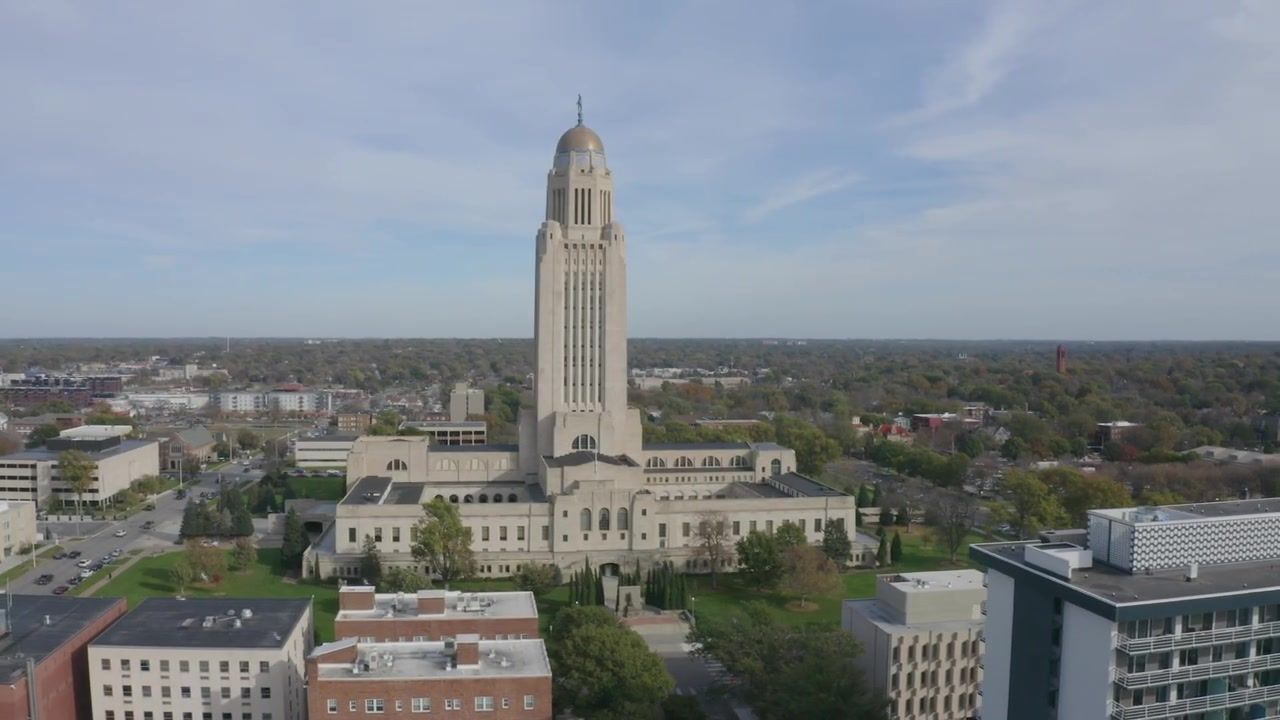
Nebraska is also the only state with a unicameral legislature, officially the Nebraska Legislature and locally called the unicameral. It operates with a single chamber of 49 senators, the smallest state legislature in the country. Nebraska voters approved the change in 1934, and the unicameral officially began operating in 1937 as a way to reduce governmental inefficiencies and lack of public insight. The unicameral is officially nonpartisan, and every bill is subject to a public hearing with three stages of public debate, allowing citizens the right to testify on any proposed law. If you're moving here from a state with a traditional two-chamber legislature, you'll notice the difference immediately. The process is more transparent, more accessible, and more direct.
Henry Doorly Zoo: America's Number One Zoo
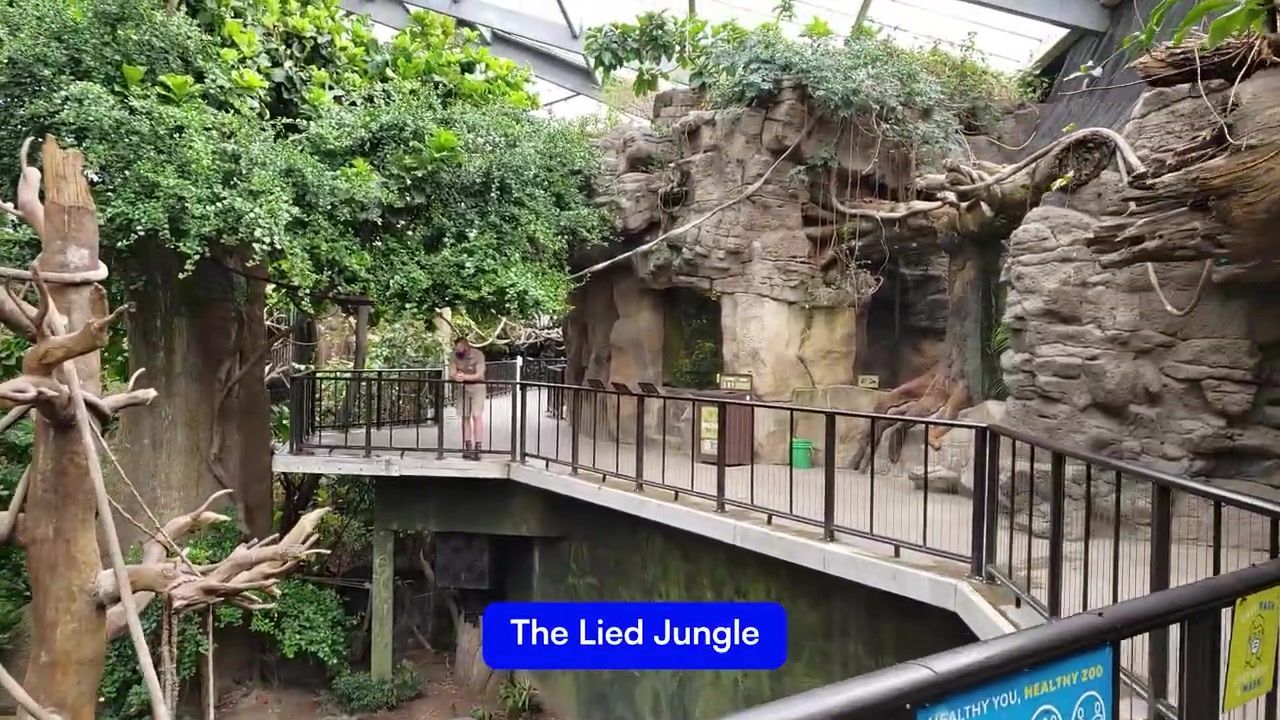
If you've ever visited Omaha or talked to somebody about visiting Omaha, chances are they demanded to know: when are you going to the zoo? There's a good reason for this hype. Omaha's Henry Doorly Zoo and Aquarium has been named the number one zoo in America by USA Today 10 Best Reader Choice Awards for four consecutive years, 2023, 2024, 2025, and 2026. The zoo's history is a story of transformation, turning a modest 1890s city park into one of the world's premier zoological and conservation institutions.
The modern era of the zoo was largely defined by Dr. Lee Simmons, who joined as a resident veterinarian in 1966 and served as director from 1970 to 2009. Simmons pioneered immersive, world-record-breaking indoor habitats that let the zoo operate as a year-round attraction despite Nebraska's winter climate. The Lied Jungle, one of North America's largest indoor rainforests, opened in 1992. The Suzanne and Walter Scott Aquarium opened in 1995. And in 2002, the Desert Dome opened as one of the world's largest indoor deserts, built over the equally massive indoor nocturnal exhibit Kingdoms of the Night.
Today, the zoo spans over 160 acres and is internationally recognized for its Center for Conservation Research, leading global efforts in reproductive science, genetics, and endangered species protection. If you're relocating to Omaha with kids, the zoo is a year-round destination. If you're relocating without kids, you'll still end up going because it's that good. The zoo is one of the few attractions in the country that consistently exceeds the hype, and it's a major reason why Omaha punches above its weight class when it comes to quality of life.
What's Hiding Beneath Omaha's Real Estate
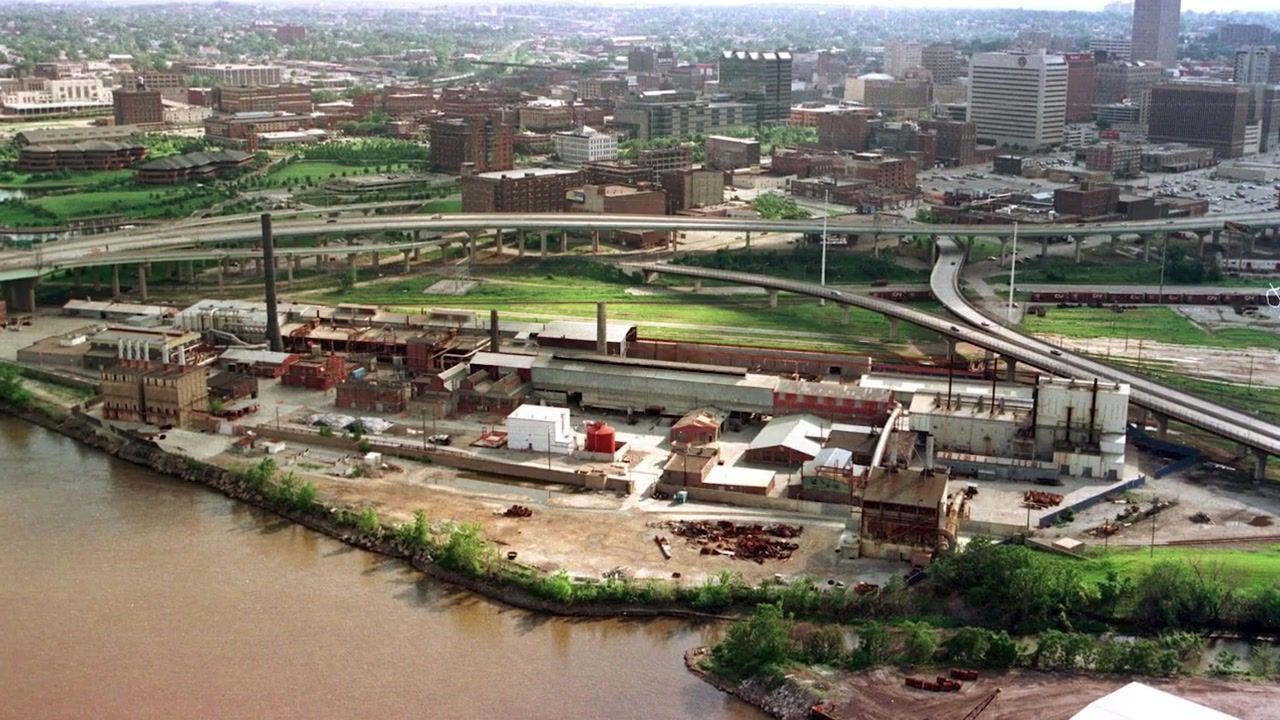
Omaha is home to America's largest residential EPA Superfund site. A Superfund site is a contaminated area designated by the federal government for long-term hazardous waste cleanup. The Omaha Lead Superfund site covers roughly 27 square miles. For over a century, from the 1870s until 1997, the ASARCO lead refinery operated along the west bank of the Missouri River in downtown Omaha, spewing heavy metals into the atmosphere and depositing particulate lead across residential and industrial properties throughout eastern Omaha.
In the late 1990s, public health data revealed dangerously elevated blood lead levels in local children, because lead poisoning causes irreversible neurological damage and developmental delays in young children. As part of the cleanup efforts, some homes were tested for lead in the soil and even had sod replaced. Here's the part that surprises people: the lead Superfund site isn't some abandoned wasteland. It includes some of the most sought-after real estate in the city. Places like the Old Market District downtown, the Capitol District, Millwork Commons. If you're selling a pre-1978 home, you have to disclose any knowledge of lead-based risk.
Eastern Nebraska and western Iowa are also high in radon gas, a naturally occurring gas released as uranium in the soil slowly breaks down over time. The EPA identifies radon as the leading cause of lung cancer among non-smokers and the second leading cause of lung cancer overall after smoking. Radon can be tested for and solved with a radon mitigation system, which is basically a tube that runs from under the house up through the roof to collect the gas and vent it out. If you're buying a home in Omaha, radon testing and mitigation are standard parts of the process. Most buyers expect it, and most sellers have already installed a system.
Omaha has some very desirable real estate sitting on top of a very complicated environmental history. That doesn't mean you shouldn't buy here. It means you need to know what you're buying, test for what matters, and work with an agent who understands the disclosure requirements and the remediation options. We help buyers navigate this every single day.
Boys Town: A City Within a City
Boys Town was founded in 1917 by Father Edward J. Flanagan as a sanctuary for homeless and neglected boys. Driven by the belief that no child wants to be bad, Father Flanagan opened his first home at 25th and Dodge using a small borrowed sum of money. Standing out for its racial inclusion, the home welcomed boys of all races and religions. As the program outgrew its urban setting, Father Flanagan purchased Overlook Farm 10 miles west of Omaha in 1921, establishing the permanent village that remains the heart of the organization today.
During the mid-20th century, this rural campus evolved into a self-contained community known as the City of Little Men, complete with its own schools, chapel, trade programs, and operating under its own youth-led government to teach civic responsibility. Boys Town gained massive nationwide recognition following the 1938 Oscar-winning film *Boys Town* starring Spencer Tracy, fame that helped secure the public and financial support needed to expand its programs for decades.
In the 1970s, Boys Town underwent a major modernization, shifting from large institutional dormitories to a family-style care model. The organization also evolved by welcoming girls into its programs, opening the Boys Town National Research Hospital, and expanding its family service programs nationwide. Today, the historic Omaha campus is a National Historic Landmark, continuing its mission of child and family preservation.
Currently, Boys Town is renovating and expanding its National Research Hospital with a $300 million expansion, including a 254,000-square-foot increase in facility space. The project is currently under construction with a target opening of fall 2027. Boys Town is not just a facility. It's an incorporated village with self-governance, a real town with its own identity and its own place in American history. If you're relocating to Omaha and you drive west on Dodge Street, you'll pass right through it.
Gerald R. Ford's Birthplace in Omaha
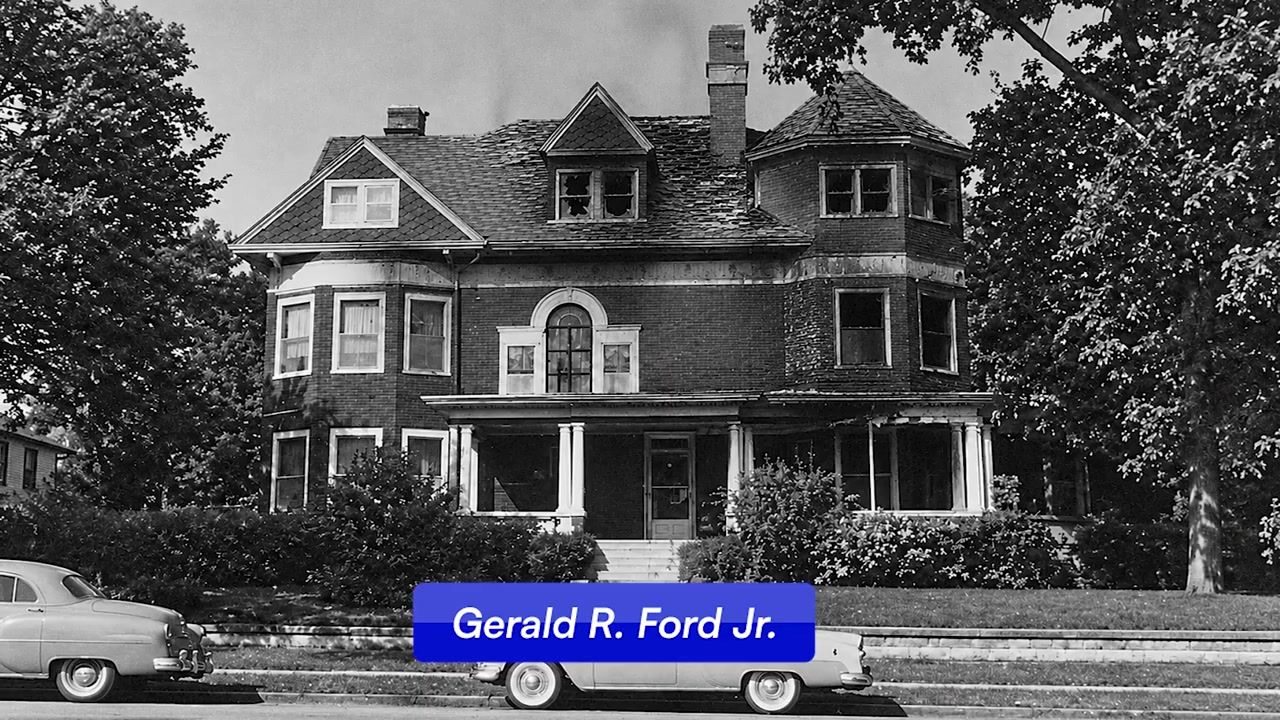
Gerald R. Ford was born on Woolworth Avenue in the historic Field Club neighborhood of Omaha in 1913, though at birth he was named Leslie Lynch King Jr. after his biological father. Just 16 days after his birth, his mother fled the home due to domestic abuse by his father and took him to Grand Rapids, Michigan, where she later remarried and he took the name Gerald R. Ford Jr.
The original mansion burned down in 1971, but the property at 3202 Woolworth Avenue in Omaha was transformed into the Gerald R. Ford Birth Site and Gardens. The site features a memorial conservatory, a replica of the White House Rose Garden, and a historical marker. Gerald Ford was the only U.S. president who became president without being elected either president or vice president, and he remains the only U.S. president born in Omaha, Nebraska. It's a small piece of presidential history that most people don't know about, and it's right here in the middle of a residential neighborhood.
Chief Standing Bear's Historic Civil Rights Victory
Chief Standing Bear's trial is one of the most important events in Omaha's history because a landmark Native American civil rights case was decided right here in 1879. After the U.S. government forcibly relocated the Ponca tribe from Nebraska to Indian Territory, Standing Bear returned to Nebraska with a small group to bury his deceased son in their homeland. They were arrested and held at Fort Omaha, but an Omaha newspaper editor by the name of Thomas Tibbles and attorneys John L. Webster and A.J. Poppleton helped Standing Bear bring a federal habeas corpus case against the United States government.
The central question was extraordinary: was a Native American legally a person with the right to challenge the government in court? The government argued Standing Bear was not a person under federal law and therefore had no right to bring the case. During the trial, Standing Bear spoke through an interpreter, arguing for the basic humanity and equality of his people, famously holding out his hand and explaining that the same God made them both.
On May 12, 1879, Judge Elmer Dundy ruled that an Indian was a person within the meaning of the law and that Standing Bear and the Ponca with him were being illegally held. The decision didn't immediately give Native Americans citizenship or solve the government's broader treatment of indigenous people. The federal government didn't grant U.S. citizenship to all Native Americans until 1924. But the case was an important legal and political catalyst, establishing that Native Americans could invoke habeas corpus protections and challenge unlawful government detention.
That makes Omaha's role especially significant. In a federal courtroom right here, a Ponca leader forced the United States to recognize his basic legal personhood. It's a story that belongs in every American history textbook, and it happened in Omaha.
Bellevue and Offutt Air Force Base: America's Nuclear History
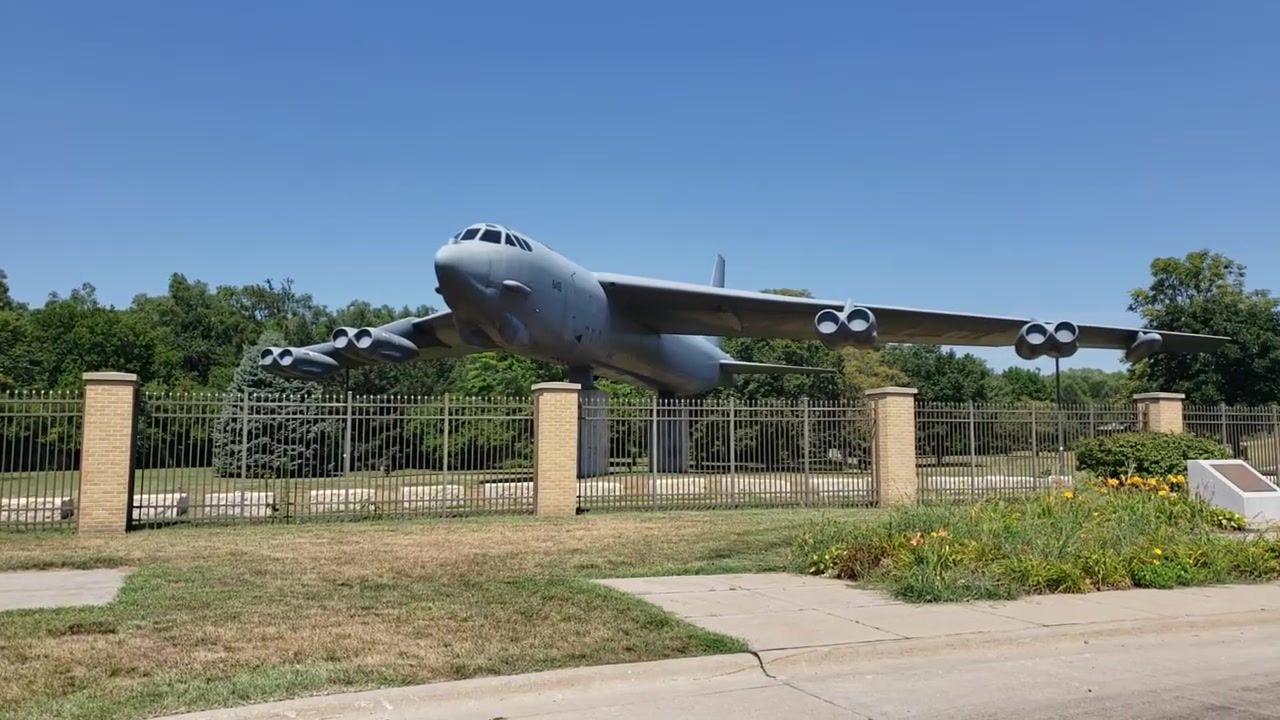
Located in Bellevue, Nebraska, just south of Omaha, Offutt Air Force Base began in the 1890s as the U.S. Army's Fort Crook before being renamed in 1924 to honor Omaha native First Lieutenant Jarvis Offutt, Nebraska's first aviator casualty of World War I. The installation's strategic footprint expanded dramatically during World War II with the construction of the Glenn L. Martin Bomber Plant, a massive manufacturing facility that built over 1,500 B-26 Marauders and 531 B-29 Superfortresses.
Most famously, the plant produced the two B-29s that dropped the atomic bombs ending World War II: the Enola Gay and Bockscar, which struck Hiroshima and Nagasaki. In 1948, the base was formally designated Offutt Air Force Base and chosen as the headquarters for the Strategic Air Command due to its central inland geography, cementing its role as the nation's operational hub for nuclear bomber and missile deterrence throughout the Cold War.
Today, Offutt Air Force Base is the global headquarters for the U.S. Strategic Command, functioning as the critical nerve center for national nuclear deterrence, global strike capabilities, space operations, and cyber defense across all military branches. On September 11, 2001, President George W. Bush traveled to Offutt Air Force Base and conducted his emergency response teleconference from its state-of-the-art command and control facility using its underground command capabilities because of the base's extraordinary communications and security infrastructure.
Understand, everybody in the world knows where Omaha is, and they know exactly what's going on, and everybody has eyes on Omaha. If you're relocating to Bellevue or the south Omaha metro, you're living next to one of the most strategically important military installations in the world. That brings jobs, security, infrastructure, and a level of global significance that most cities this size don't have.
Which Omaha Story Matters Most to You?
When you're relocating to Omaha, the question isn't just where to live. It's what kind of place you want to be part of. Omaha's central location makes it ideal for travel, you're equidistant from both coasts. The terrain is diverse, not flat, with hills, bluffs, valleys, and a river that shaped the city's entire development pattern. The political system is unique, with a unicameral legislature and a congressional district that can swing presidential elections. The zoo is world-class. The College World Series is permanent. Boys Town is a real incorporated village. Offutt Air Force Base is a global command center.
But Omaha also has a complicated environmental history. The lead Superfund site covers some of the most desirable real estate in the city. Radon testing and mitigation are standard. Flood control infrastructure is extensive and necessary. If you're buying a pre-1978 home, you'll need to understand lead-based paint disclosure. If you're buying in eastern Omaha, you'll want to know the remediation history of the property.
Here's the trade-off: Omaha gives you Midwestern values, friendly neighborhoods, a great place to raise a family, and a cost of living that's far below the coasts. But you need to do your homework. You need to test for radon. You need to ask about flood zones. You need to understand the neighborhood differences, because one part of Omaha can feel completely different from another part just a few miles away. That's why we created the Living in Omaha quiz. It helps you figure out which part of the metro matches what you actually want, not just what looks good in a listing photo.
Final Thoughts: The Omaha Most People Never Knew
When people think of Omaha, they usually think of steaks, trains, and Berkshire Hathaway. But there's another side of Omaha. Some of the biggest moments in American history didn't happen with Omaha watching from the sidelines. Omaha was in the room. The atomic bombs that ended World War II were built here. The civil rights case that established Native American legal personhood was decided here. The only U.S. president who became president without being elected was born here. The College World Series stayed here when other cities gave up. The number one zoo in America is here. The global headquarters for U.S. nuclear deterrence is here.
If you're thinking about moving to Omaha, you're not just moving to another Midwestern city. You're moving to a place that has shaped American history in ways most people don't know about. And if you want to talk about what that looks like for your family, your commute, your budget, and your next move, let's have a conversation. I'm here to help.
FAQ
What is the Omaha Lead Superfund site?
The Omaha Lead Superfund site covers roughly 27 square miles of eastern Omaha, including some of the most desirable real estate in the city like the Old Market District, Capitol District, and Millwork Commons. The ASARCO lead refinery operated from the 1870s until 1997, depositing lead across residential and industrial properties. Many homes have had soil tested and remediated. If you're buying a pre-1978 home, you'll need to disclose any knowledge of lead-based risk.
Do I need to test for radon in Omaha?
Yes. Eastern Nebraska and western Iowa are high in radon gas, a naturally occurring gas that the EPA identifies as the leading cause of lung cancer among non-smokers. Radon testing is standard in Omaha real estate transactions, and radon mitigation systems are common. Most buyers expect it, and most sellers have already installed a system.
Why does the College World Series stay in Omaha?
The College World Series has been in Omaha since 1950, and the NCAA signed a 25-year agreement in 2008 guaranteeing the tournament remains here through 2035. Omaha's central location, neutral feel, and civic commitment kept the event here even when it lost money in 10 of its first 12 years. The city built Charles Schwab Field in 2011 to meet modern broadcast and facility standards.
What is Boys Town?
Boys Town is an incorporated village 10 miles west of Omaha, founded in 1917 by Father Flanagan as a sanctuary for homeless and neglected boys. It's a National Historic Landmark with its own schools, chapel, trade programs, and self-governance. The organization shifted to a family-style care model in the 1970s and now serves both boys and girls. A $300 million hospital expansion is underway with a target opening of fall 2027.
What is Offutt Air Force Base?
Offutt Air Force Base in Bellevue, just south of Omaha, is the global headquarters for U.S. Strategic Command. It's the critical nerve center for national nuclear deterrence, global strike capabilities, space operations, and cyber defense. The base built the Enola Gay and Bockscar during World War II and served as President Bush's emergency response location on September 11, 2001.
How does Nebraska's electoral vote system work?
Nebraska is one of only two states that splits electoral votes by congressional district. Two electoral votes go to the statewide popular vote winner, and one vote goes to the winner of each congressional district. The Nebraska 2nd Congressional District, which includes the Omaha metro, is politically competitive and has awarded its electoral vote to Democratic candidates in 2008, 2020, and 2024.
DAVID MATNEY
David Matney is a trusted Realtor® and local expert with over 20 years of experience in Omaha’s real estate market.