Table of Contents
- 7. Bellevue Bay and the Bellevue Good Life District
- 6. Nebraska Crossing and the Good Life District
- 5. The Omaha Streetcar
- 4. The Crossroads Redevelopment
- 3. Heartwood Preserve
- 2. Eppley Airfield Expansion
- 1. UNMC Project Health
- What These Projects Mean for the Omaha Housing Market
Omaha is making national headlines again, and this time it is not because of another sinkhole. More than $8 billion in major development is reshaping the Omaha metro right now. After more than 50 years here, we can honestly say the pace of change is unlike anything we have seen before.
Over the next five to 10 years, the Omaha metro could look very different. These projects are not just new buildings or construction zones. They represent new entertainment districts, major employment centers, transportation improvements, housing opportunities, and a much larger economic footprint for the region.
7. Bellevue Bay and the Bellevue Good Life District
Bellevue Bay is planned as a $60 million indoor water park in Sarpy County, but calling it only a water park misses the larger point. The project is designed as a roughly 100,000 square foot, year round destination with a retractable roof, water slides, a lazy river, and interactive areas for kids.
Its location near Highways 75 and 34 gives it relatively easy access from Bellevue, Omaha, Papillion, Offutt Air Force Base, and the surrounding metro. Construction is well underway, and the scale of the building makes it clear that this is a substantial regional attraction rather than a neighborhood pool.
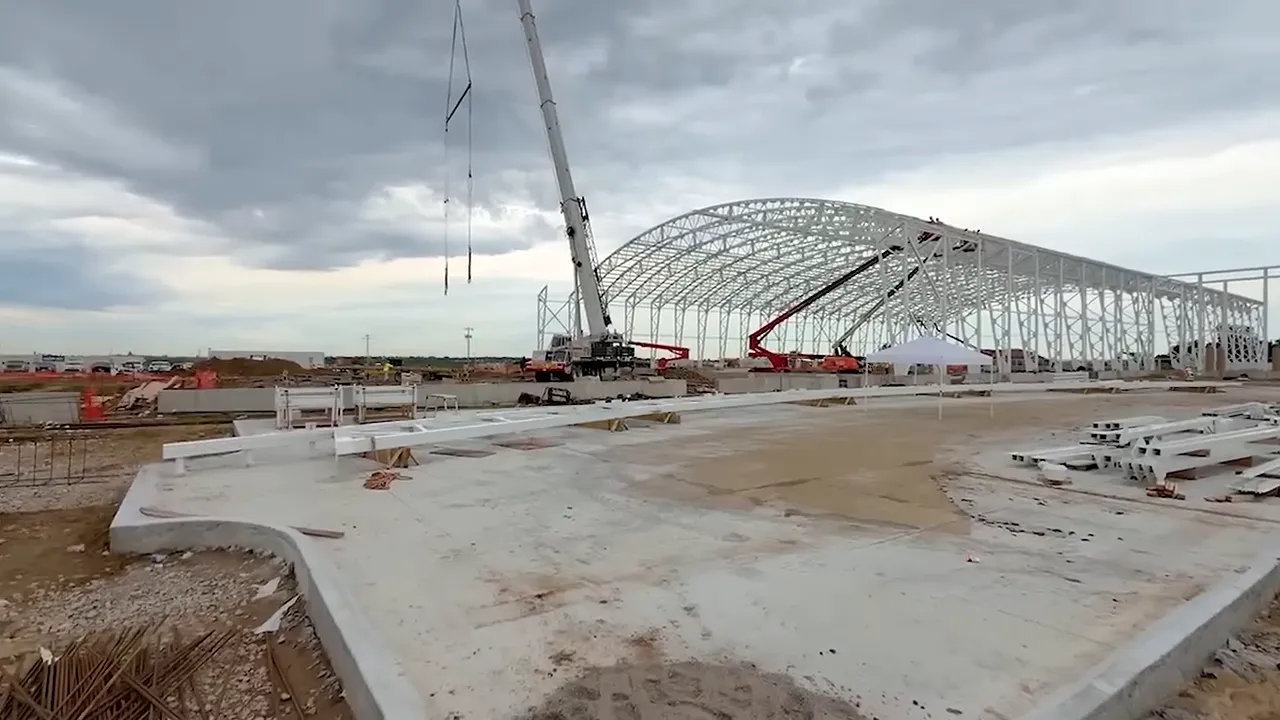
The larger story is the Bellevue Good Life District surrounding it. Plans include hotels, restaurants, retail, and additional entertainment. The goal is simple: attract visitors, keep them in the area longer, and encourage more local spending.
For years, Bellevue has been viewed primarily as a residential suburb and military community. Many people have lived there while heading elsewhere for dining, retail, and entertainment. Bellevue Bay could help change that pattern by creating a destination that gives people more reason to stay in Bellevue.
6. Nebraska Crossing and the Good Life District
Nebraska Crossing sits near Interstate 80 and Highway 31, directly along the Omaha to Lincoln corridor. It is already a recognizable outlet mall, but the much bigger vision is a proposed $3.2 billion Good Life District spanning approximately 2,000 acres.
That proposal includes entertainment, sports, hospitality, housing, retail, and other attractions meant to create a regional destination between Nebraska’s two largest metro areas. If it comes together as envisioned, this corridor will be much more than a place to stop for outlet shopping.
We do need to keep the current status in perspective. The full $3.2 billion project is not a done deal. It has faced legislative and structural hurdles, including discussion around removing the site from Gretna’s municipal boundaries and forming a separate village structure. Those questions remain unresolved.
One major signal of anticipated traffic and demand arrived in January 2026, when Buc-ee’s confirmed its first Nebraska location at Nebraska Crossing. It may technically be a travel center, but anybody familiar with Buc-ee’s knows that calling it a gas station does not capture the full experience.
Gretna is also investing in civic infrastructure, including a new city hall, public library, and community center. Communities generally do not make those investments without expecting sustained population growth and development.
5. The Omaha Streetcar
The Omaha Streetcar is a roughly $421 million public infrastructure project aimed at improving transportation while encouraging new development through the urban core. The planned route includes about 16 stops and connects the riverfront and downtown to Midtown, Blackstone, and the UNMC area, largely via Farnam and Harney Streets.
Along the route, it will connect major destinations including the Old Market, Capital District, riverfront, Midtown Crossing, and the medical district. The streetcar was once expected to begin operating in late 2026, but the current expectation is an opening in 2028.
That delay does not mean the project is unimportant. Infrastructure of this size changes how developers, businesses, and buyers think well before construction ends. Omaha is trying to address longstanding urban challenges: limited public transportation, a shortage of dense housing, parking difficulty, and the need for more walkable mixed use development.
Omaha lost approximately 21,000 jobs from its urban core between the early 1960s and around 2015. The streetcar is intended to support a reversal of that long trend by encouraging density, housing, walkability, and business activity along the route.
We should not assume every property near the route automatically rises in value. Real estate never works that neatly. The result depends on location, project execution, neighborhood demand, and what actually gets built around the stations. Whether we love the streetcar or hate it, it is already influencing Omaha’s urban future.
4. The Crossroads Redevelopment
The Crossroads once stood as one of Omaha’s most important shopping malls. As the city expanded west and newer destinations such as Oak View Mall and Village Pointe pulled shoppers away, Crossroads declined. It was demolished in 2020, leaving a highly visible vacant site at one of the city’s busiest intersections.
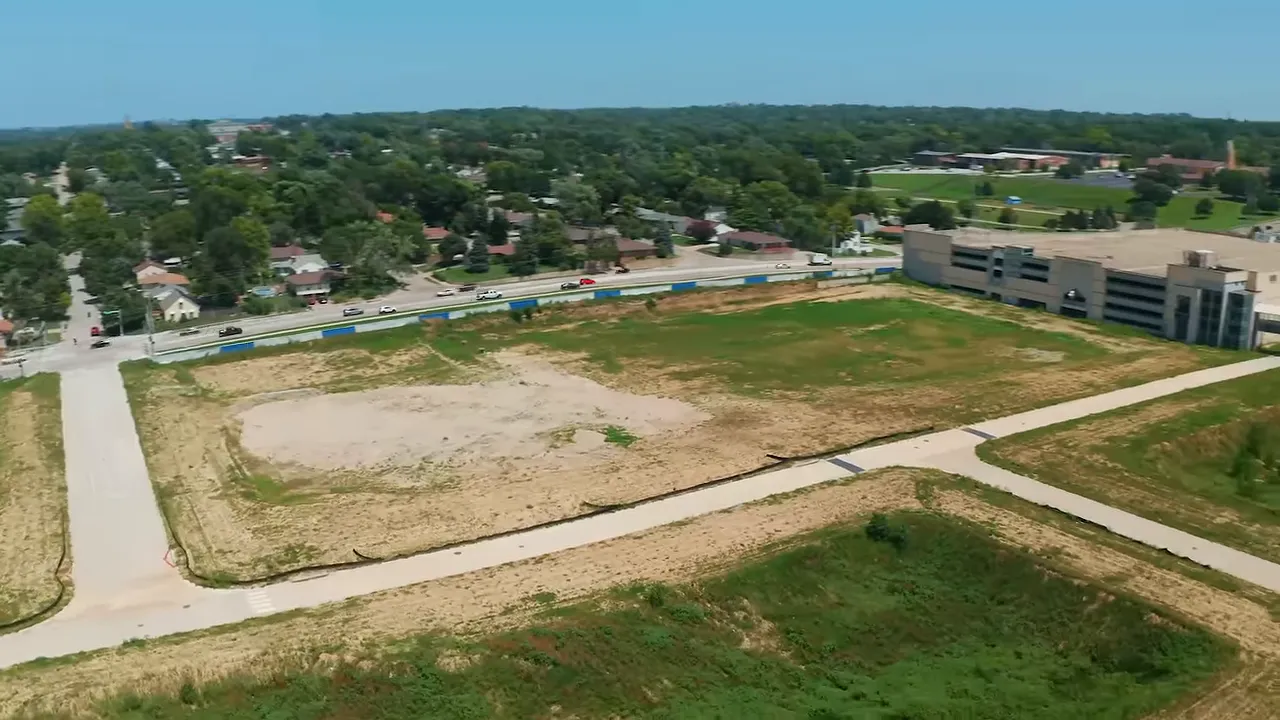
In January 2026, the Omaha City Council approved a new redevelopment agreement for the property. The proposed investment is approximately $862 million, with Woodbury Corporation serving as developer.
What makes this arrangement unusual is the level of city involvement. Omaha will purchase the land, lease it back to the developer, and own the parking garages while overseeing their design and engineering.
The planned mixed use district includes restaurants, retail, a hotel, multifamily housing, entertainment space, parking, and public green space. The agreement includes a soft completion deadline of 2032.
This project matters because central Omaha has seen less large scale new development than western Omaha. If Crossroads succeeds, it could become a major destination and reshape how people think about this entire central corridor.
3. Heartwood Preserve
Heartwood Preserve is quietly becoming one of the metro’s most consequential developments. Located near 144th Street and West Dodge Road, this nearly 500 acre project is transforming former Boys Town farmland into a large mixed use community.
Over more than a decade, Heartwood Preserve is expected to represent about $1.5 billion in investment. The plan calls for approximately 2,000 residential units, 1.65 million square feet of office space, 500,000 square feet of retail, entertainment venues, and a 6,500 seat amphitheater.
What separates Heartwood from a conventional business park or shopping center is the attempt to bring work, housing, entertainment, and outdoor space together in one location. Its Greenway system is intended for recreation while also helping manage stormwater across the property.
At the center is The Row, planned as a downtown style district with offices, hotels, restaurants, housing, and public gathering spaces. Several major companies have already committed to Heartwood, including Applied Underwriters, Carson Group, Valmont Industries, Union Bank and Trust, and Olson.
Housing plans include estate homes, villas, condos, apartments, and senior living. Still, this is a long term project. It will not appear overnight, and full buildout is expected to take more than a decade.
2. Eppley Airfield Expansion
Eppley Airfield is where millions of people get a first impression of Omaha, and it is undergoing one of the largest upgrades in its history. The Build Omaha modernization represents about $950 million in investment and is expected to finish around 2028.
The existing terminal was built for a smaller city and a different era of travel. The expansion is designed to prepare Omaha for future population, business, and tourism growth while making the airport operate more efficiently.
The terminal is expected to grow from roughly 375,000 square feet to around 646,000 square feet. The two existing concourses will be connected into a more unified terminal, and more restaurants and services will be located beyond security.
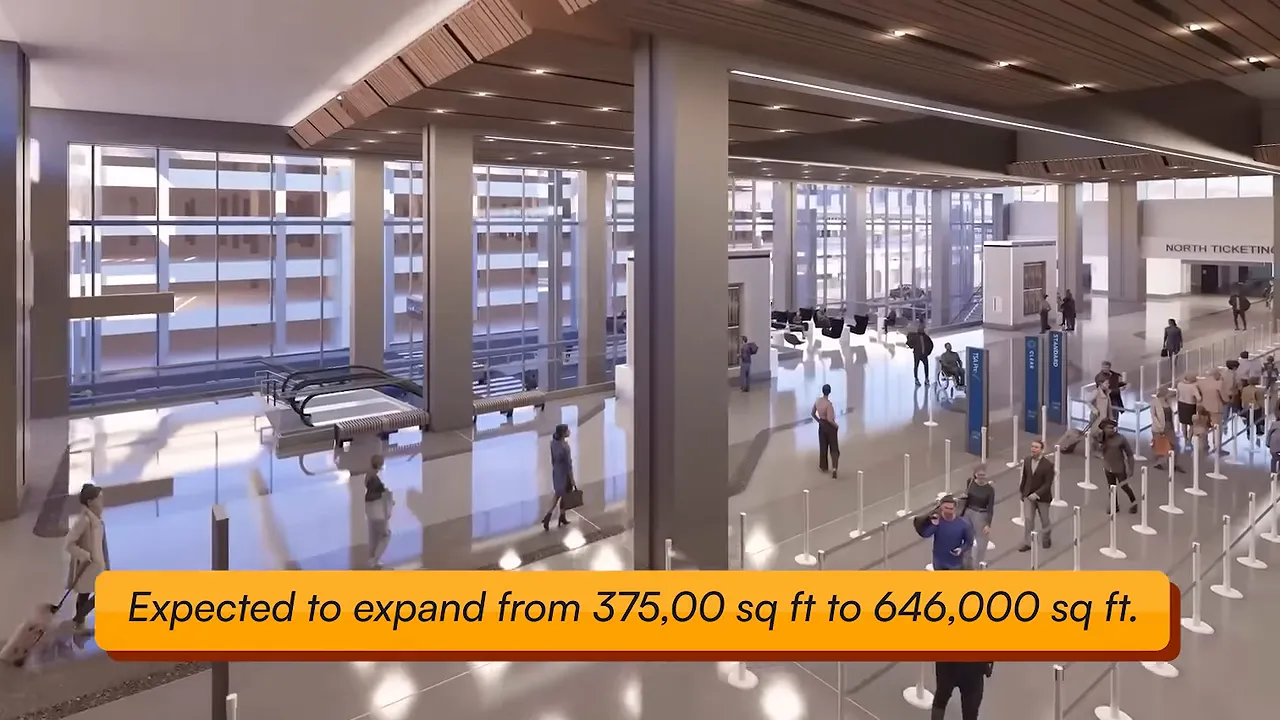
Other improvements include baggage handling, restrooms, elevators, escalators, accessibility upgrades, vehicle traffic changes, and improved pickup and drop off areas. Those details may not have the same flash as an entertainment district, but they matter greatly for day to day travel and long term economic development.
1. UNMC Project Health
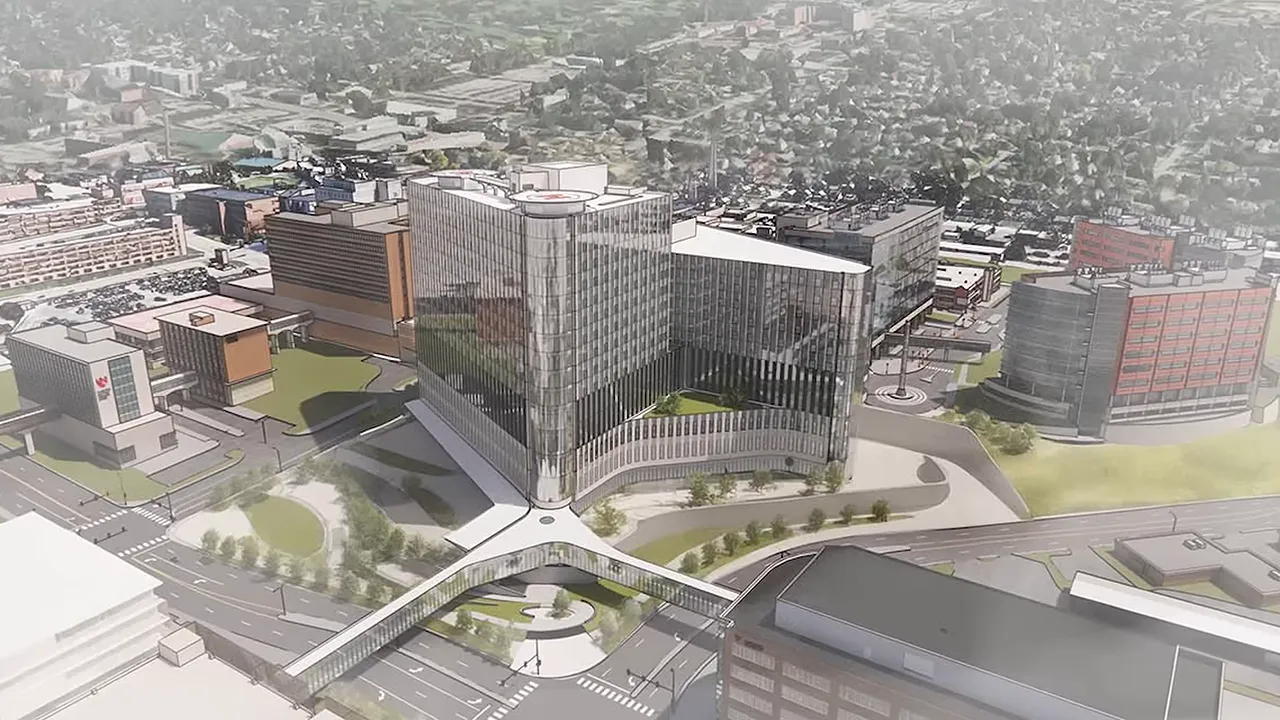
The largest project on this list is the continued expansion of UNMC and Nebraska Medicine. Project Health is a planned $2.19 billion clinical, education, and research hospital on the University of Nebraska Medical Center campus. It is the largest investment in the history of the University of Nebraska.
Project Health is the first major phase of Project NExT, also called Nebraska Transformation. It is a long term effort to expand health care, medical education, research, and emergency preparedness across the state.
The easiest way to understand this is that Omaha is not simply constructing another hospital. We are expanding an entire health care ecosystem. Health care is already one of Nebraska’s largest industries, and Project Health is designed to reinforce that role for decades.
The hospital is expected to include more than 550 beds and become Nebraska Medicine’s primary inpatient facility. It is being built near Farnam Street and Saddle Creek Road, further transforming Omaha’s medical district.
Once complete, the expanded campus could attract more health care workers, students, researchers, companies, and private investment. It could change how Nebraska trains health professionals, conducts research, prepares for emergencies, and cares for patients.
What These Projects Mean for the Omaha Housing Market
Major development does not automatically make every nearby property a great investment. Plans can change, timelines can move, construction can create temporary inconvenience, and the effect on values can vary dramatically from one neighborhood to the next.
Real estate is local. A home’s value is influenced most by:
- What is happening in that specific neighborhood
- Recent comparable sales
- Available inventory
- Buyer demand
- The home’s condition, location, and features
Big projects can absolutely influence buyer interest, future development, and local quality of life. Heartwood Preserve is changing where people may live and work. Eppley is changing how Omaha connects to the country. Project Health is reshaping the medical district and one of the state’s biggest industries. But none of that replaces careful neighborhood level analysis.
We also should not wait for a perfect interest rate, perfect inventory level, or perfect moment. That moment rarely arrives. The better approach is to make a smart move when our finances, lifestyle, and long term plans line up. For those expecting to stay in a home for at least five years, buying before every uncertainty disappears can sometimes make more sense than waiting until everyone agrees the market is ideal.
Omaha is changing fast, but the practical rule remains the same: make decisions based on our individual situation, not on hype. These seven megaprojects are worth following because they reveal where the metro is investing, where employment may grow, and how Omaha could function differently in the decade ahead.
Planning a move to Omaha? Reach out to me at 402-490-6771 . I can help you look beyond the headlines, understand which areas may make the most sense for your lifestyle and budget, and find the right place to call home as Omaha continues to grow.
Frequently Asked Questions About Omaha’s Biggest Megaprojects
What is the largest development project in Omaha?
UNMC Project Health is the largest project discussed here, with a planned investment of approximately $2.19 billion for a clinical, education, and research hospital on the UNMC campus.
When will the Omaha Streetcar open?
The Omaha Streetcar is currently expected to begin operating in 2028. The planned route will connect the riverfront and downtown with Midtown, Blackstone, and the UNMC area.
What is planned for the Crossroads site in Omaha?
The proposed Crossroads redevelopment includes restaurants, retail, a hotel, multifamily housing, entertainment space, parking, and public green space. The project has a soft completion deadline of 2032.
Will Omaha megaprojects increase nearby home values?
Not automatically. The impact depends on the exact location, project execution, neighborhood demand, nearby development, recent sales, and available inventory.