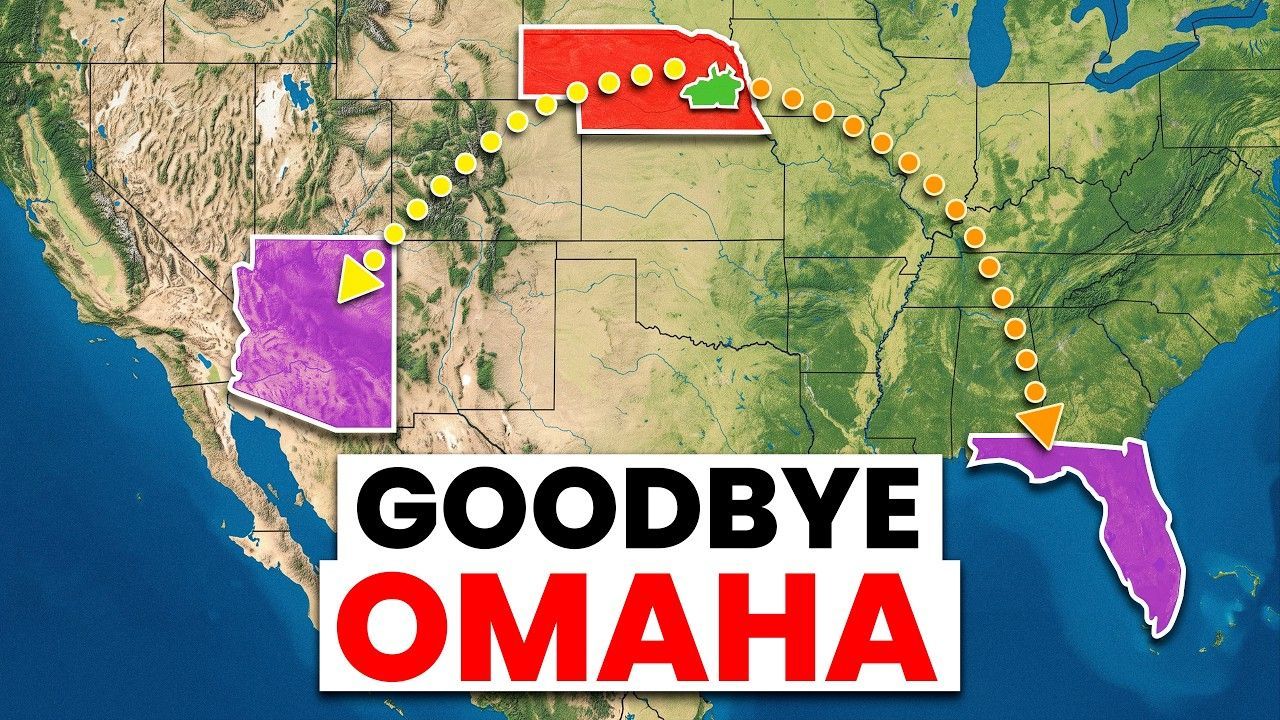
The Omaha real estate market is changing, but it is not falling apart. Buyers have more choices than they did during the frenzy of a few years ago. Some sellers are waiting longer, negotiations matter more, and affordability remains a real issue. At the same time, inventory is still tight, sales are up, unemployment remains low locally, and home prices have reached another record high.
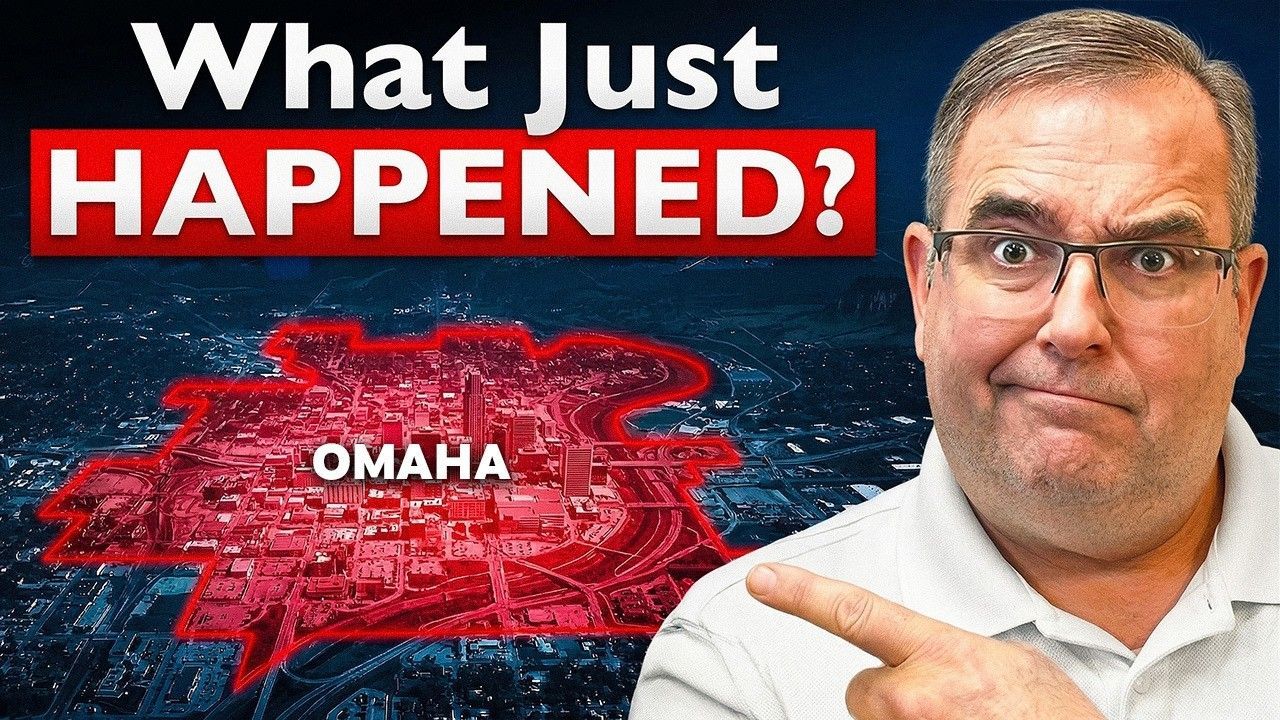
For this Omaha real estate market update, we are looking at Douglas and Sarpy County. That includes Omaha, Ralston, Bennington, Waterloo, Valley, Bellevue, Papillion, La Vista, Gretna, and Springfield. The headlines can be noisy, especially when people online are predicting an 80% or 90% collapse. But real estate is local. We have to look at what is actually happening here.
Inventory Is Down, Not Flooding the Market
There are currently 1,983 active homes for sale across Douglas and Sarpy County. That is down 8.8% compared with 2025. So while buyers may feel like they have more options than they did a few months ago, the Omaha real estate market is not dealing with an oversupply of homes.
There are a few reasons people may be pulling back. Interest rates have increased, inflation is running hotter than expected, and uncertainty overseas can make people pause. That affects buyer confidence, but it can also affect sellers who are unsure whether they want to make a move.
Trying to time any market perfectly is a fool's errand. There will always be uncertainty. A better question is whether buying makes sense for your individual situation. We should be looking at the basics:
- Can we comfortably afford the monthly payment?
- Do we expect to stay in the home for at least five years?
- Is our job situation stable?
- Do we have emergency money set aside after closing?
The perfect home does not exist, and neither does the perfect time to buy a home. If the payment works, the home fits our needs, and we have a long enough timeline, waiting for some magical moment may not accomplish much.
New and existing inventory are two different markets
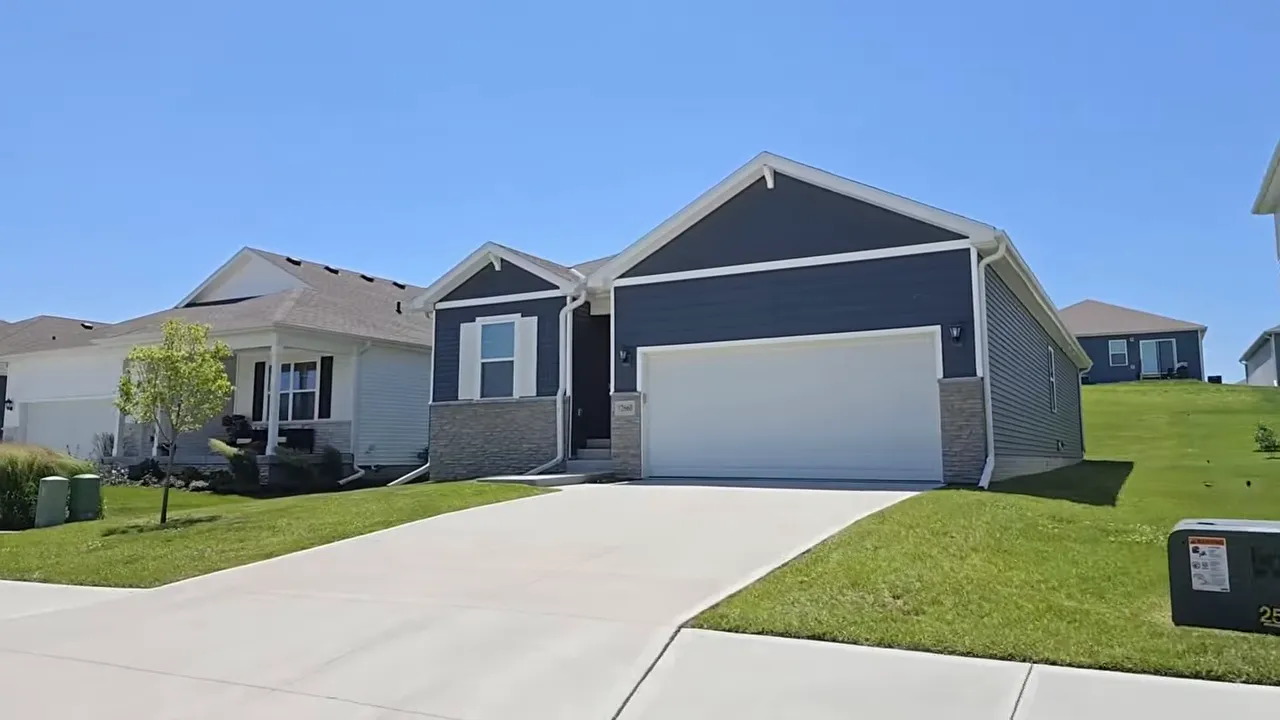
It is important not to lump new construction together with resale homes. There are 807 new construction homes actively marketed, down 10.9% from 2025. Existing-home inventory is 1,175 homes, down 7.3%.
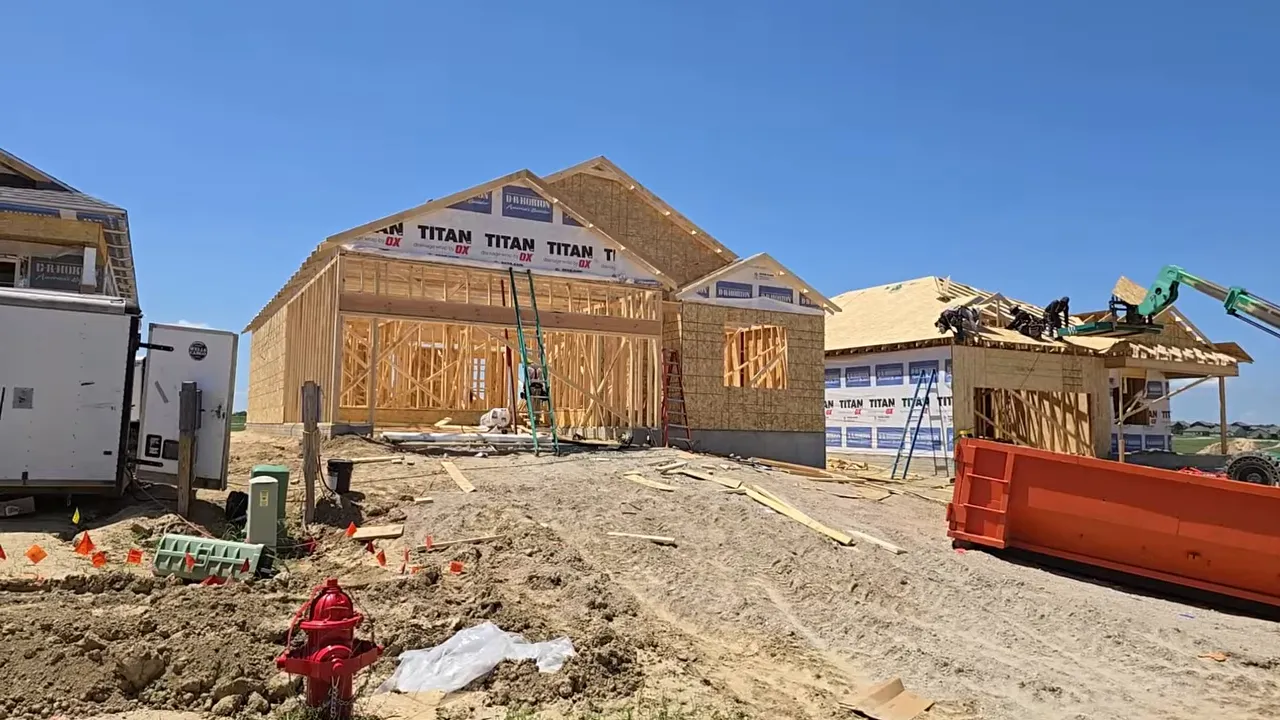
Builders operate like any other business. When demand softens, they may reduce starts or use incentives to create demand. That can create opportunities in the Omaha real estate market for buyers who are willing to consider a newly built home.
Closed Sales Are Still Moving Higher
Last month, Douglas and Sarpy County recorded 1,195 closed sales, up 2.8% compared with 2025. New construction accounted for 202 sales, up 5.2%. Existing homes accounted for 993 sales, up 2.4%.
Year to date, the area had 5,508 closed sales, up 4% from last year. That does not mean every buyer is having an easy time. Affordability is still the biggest issue. But life does not stop because interest rates are elevated or the news cycle is chaotic. People get married, divorced, have children, relocate for work, retire, and inherit property. Housing decisions remain personal decisions.
Over the last several years, the Omaha real estate market has gone from a lack-of-inventory problem to an affordability problem. When rates moved from roughly 3% to 6% beginning in 2022, sales fell sharply. The market has been rebuilding from that shift, but it has not returned to the frenzy.
Mortgage Rates and Affordability Still Matter
The 30-year fixed mortgage rate is around 6.6%. Nobody knows exactly where rates will go next. We should not make a purchase decision based on the assumption that rates will definitely fall. If the payment is manageable today, buying can make sense. If rates improve later, refinancing may be an option. But we should never bet our entire plan on that happening.
Mortgage rates are closely tied to the 10-year Treasury yield. The difference between the Treasury yield and a 30-year fixed mortgage rate is called the spread. That spread is around 2% today, an improvement from nearly 3% about three years ago. If the 10-year Treasury were at 4.6% and spreads were still near 3%, mortgage rates would be about a full percentage point higher.
The practical point is simple. Lower rates could bring more buyers off the sidelines. More buyers means more demand, and more demand tends to put upward pressure on prices. Waiting for lower rates could mean facing more competition later.
Why an 80% Housing Crash Is Not a Realistic Omaha Scenario
We hear plenty of dramatic predictions online. Some people are calling for a 38% crash, while others predict homes will fall 80% or 90%. We need to think through the math before taking those claims seriously.
An 80% to 90% collapse would turn a $300,000 home into something worth roughly $30,000 to $60,000. That would shut down new construction. It ignores the cost of raw land, development, labor, building materials, roofs, windows, furnaces, and air-conditioning systems. Housing is not cryptocurrency, and it is not the stock price of one company.
A national housing market is really a collection of local markets. One city can decline while another remains strong. Local supply, employment, population growth, demand, and affordability matter more than any national headline.
Over the past 84 years, annual home price returns have been negative only six times nationally. There was a modest negative return in 1990, and then a five-year stretch of negative returns around the Great Financial Crisis. That does not mean prices rise every year in every place. It means the case for a massive nationwide collapse needs more than sensational thumbnails and bold predictions.
Over long periods, real estate can also help preserve purchasing power because inflation affects land, labor, rent, and building materials. Well-located homes have historically had the potential to grow in value over time, even though no one should expect a straight line upward every year.
Omaha Home Prices Reach Another Record
The median closed sale price in Douglas and Sarpy County was $358,490, up 5.4% compared with June 2025. The Omaha real estate market has now crossed the $350,000 median-price mark.
Home prices tend to peak in summer because the market follows the school calendar. Families with children often prefer to move while school is out, and those buyers often purchase larger homes. That is why spring can be a particularly good time to list a larger home. It gives us the best chance to reach that larger buyer pool before summer moves are underway.
Homes sell all year long, even in a slower market. Real estate needs are created by life events, not just headlines. Relocation is another important driver in the Omaha real estate market.
New construction remains more expensive, but look at the whole equation
The median sale price for new construction was $457,813, up 5.9%. The median existing-home sale price was $330,000, up 4.4%.
New homes were also running at about $262 per square foot, compared with $219 per square foot for existing homes. That price difference is real, but buyers should not stop there. A lower-priced existing home may need a roof, windows, furnace, air conditioner, or other major work. Every system has a lifespan.
1.5 Months of Inventory Means Sellers Still Have the Advantage
The existing-home segment has 1.5 months of inventory. In plain English, if no additional homes came on the market, the current supply would be exhausted in about a month and a half. That is still firmly a seller's market in the Omaha real estate market.
Here is the basic guide:
- Less than three months of inventory is generally a seller's market.
- Three to six months is generally a neutral market.
- More than six months is generally a buyer's market.
We do not use new-construction months of inventory the same way because active listings can be misleading. A buyer may already be under contract with a builder while the home stays marketed as active during construction. Builders can also start homes knowing they will likely have a buyer by completion. Those factors can distort the apparent supply.
Why Buyers Should Consider New Construction
Many buyers assume new construction is out of reach. Sometimes it is. But sometimes it is the better deal, especially when builders offer special financing or other incentives. We need to compare more than the purchase price.
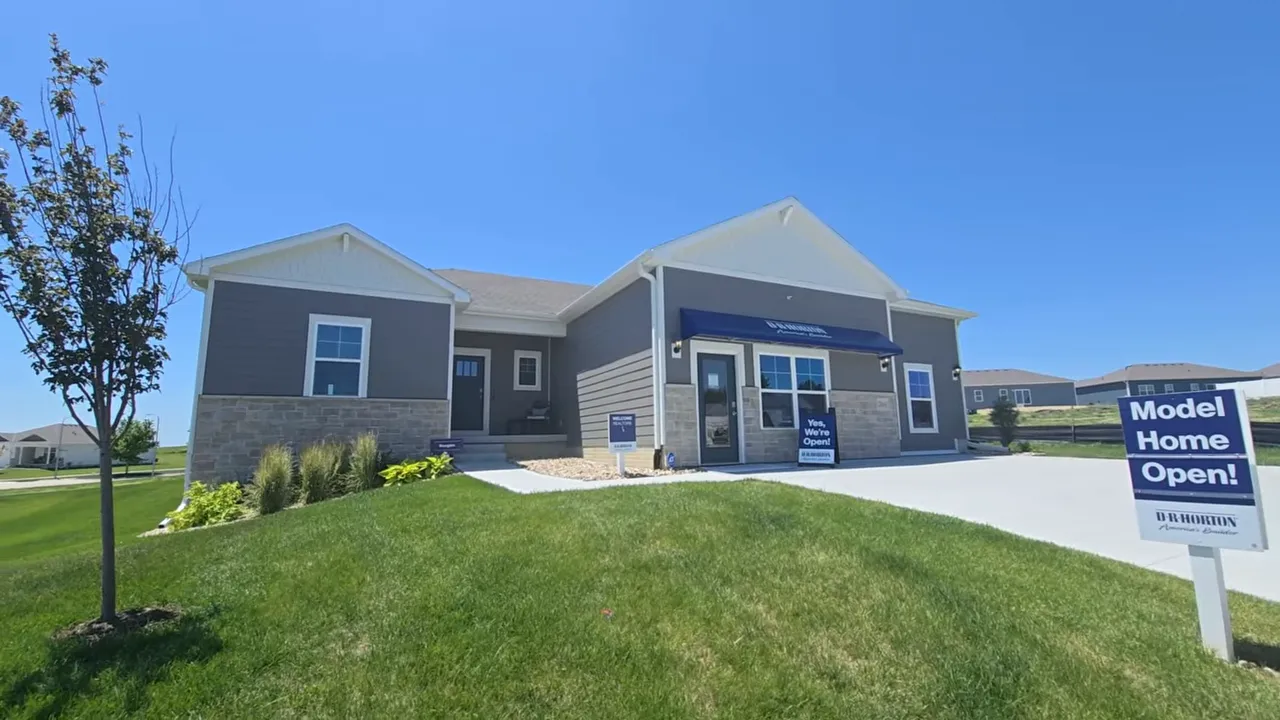
A proper comparison should include:
- Purchase price and monthly payment
- Builder incentives and special financing
- Expected maintenance and repair costs
- Energy efficiency and warranties
- Location, lot, and commute needs
New construction is not perfect. No home is perfect, no matter who the builder is. But it can be a smart option. One important reminder: many builders require our agent to be present on the first visit to the model home. Bring representation from the start so we can evaluate all of the options and protect our interests.
Employment, Inflation, Lumber, and Economic Growth
The local employment picture remains one of the strongest supports for the Omaha real estate market. National unemployment is 4.1%, up from 4.0% a year ago. Higher unemployment usually softens housing because fewer people are in a position to purchase homes.
Locally, the numbers are much lower. Douglas County unemployment is 2.8%, down from 3.1% a year ago. Sarpy County unemployment is 2.5%, down from 2.7%.
Lower local unemployment means a larger pool of qualified buyers. That supports demand and helps explain why the Omaha real estate market can behave differently from national markets.
Inflation has been running hotter, which may make the Federal Reserve less likely to reduce the federal funds rate. But the Fed does not directly set mortgage rates. The federal funds rate is the short-term rate banks charge each other, usually overnight. The Fed's two mandates are maximum employment and stable prices.
Lumber is holding relatively steady at about $623 per 1,000 board feet. Meanwhile, GDP grew 2.7% last quarter. A recession typically means two consecutive quarters of negative growth, so positive growth does not support the idea that the overall economy is already in recession. That said, plenty of people are still being squeezed by affordability, and that should not be ignored.
The Bottom Line for Buyers and Sellers
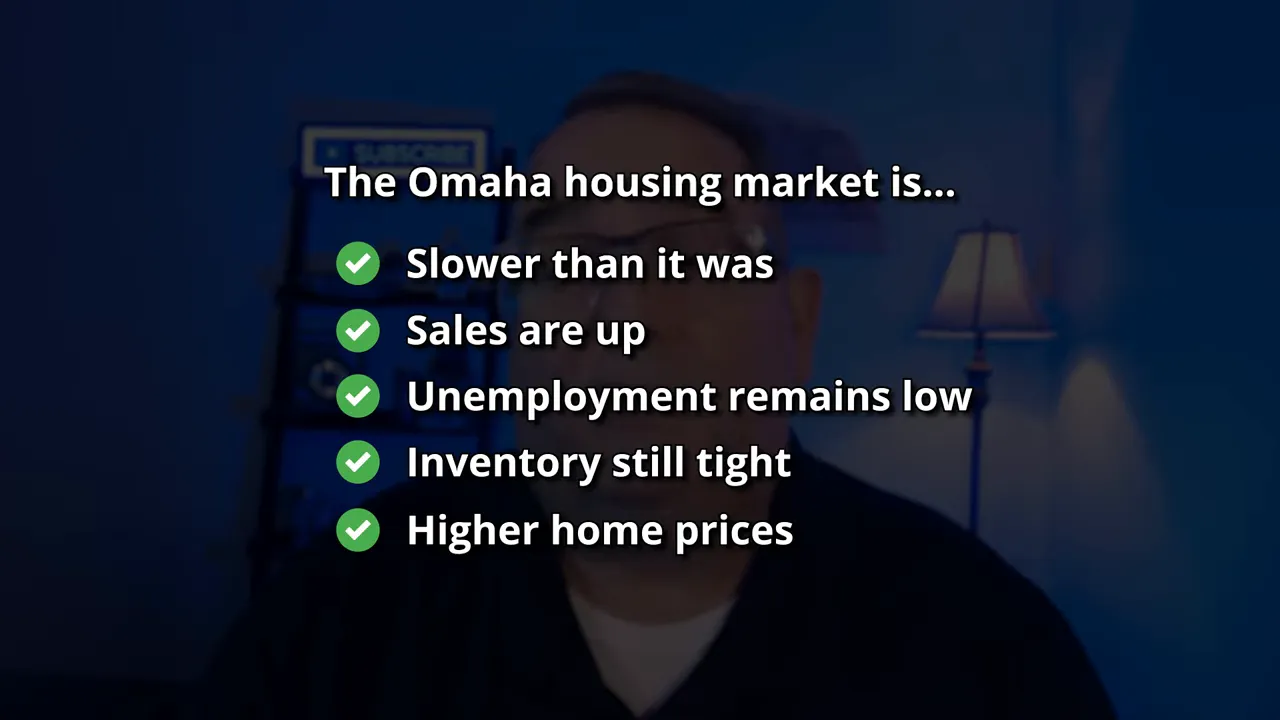
The Omaha real estate market is slower than the frenzy, but it is not crashing. Inventory remains tight, sales are up, local unemployment is low, and prices are at a record high.
What buyers should do
Buyers have more negotiating power and more opportunities than they had a few years ago. That is good news. But waiting for a massive price collapse is probably not a realistic strategy. We should focus on payment, timing, condition, location, and whether the home works for our life today and for the next several years.
What sellers should do
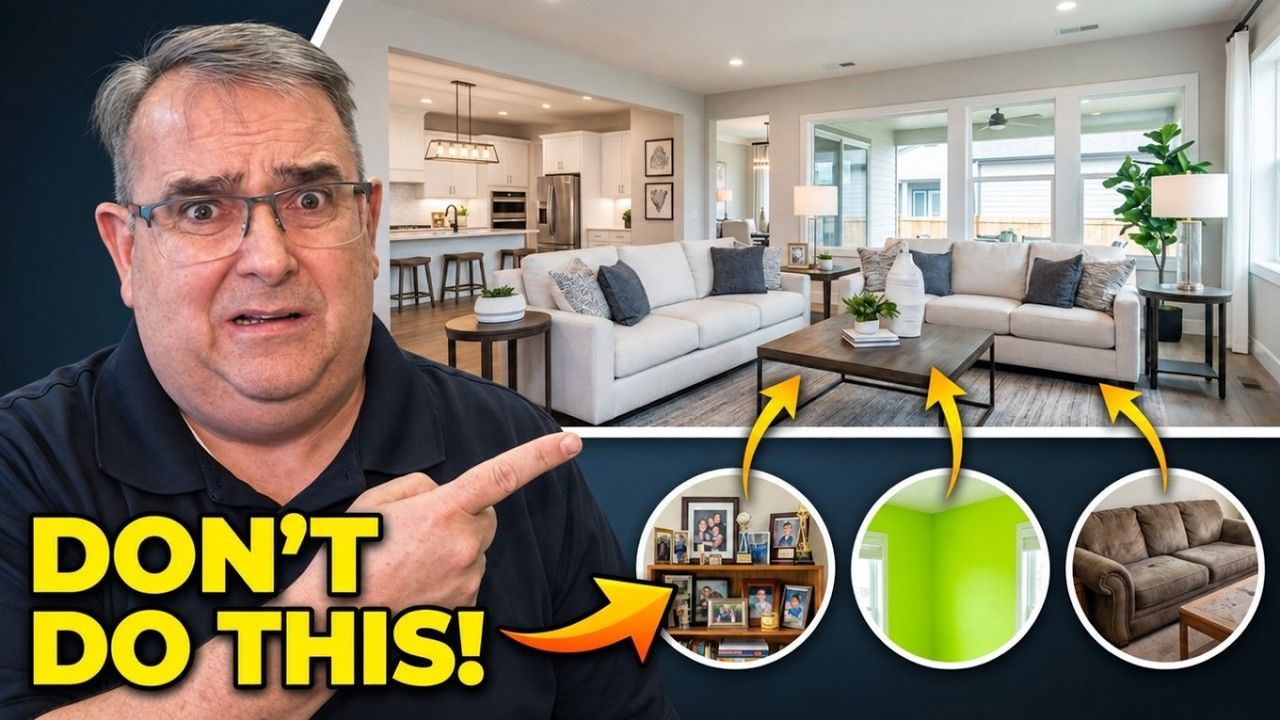
Homes are still selling, but buyers have become more selective. Pricing, condition, and presentation matter much more than they did when nearly everything sold immediately. A home that is overpriced, poorly prepared, or not presented well can sit. A home that is properly positioned can still attract strong interest.
National headlines do not tell us what is happening in our neighborhood, our price range, or our situation. The right strategy depends on the local numbers and the individual plan.
Frequently Asked Questions
Is the Omaha real estate market still a seller's market?
Yes. Existing homes have 1.5 months of inventory, and anything below three months is generally considered a seller's market. Buyers have more room to negotiate than during the recent frenzy, but supply remains tight.
What is the median home price in the Omaha real estate market?
The median closed sale price across Douglas and Sarpy County was $358,490, up 5.4% compared with June 2025.
Are Omaha home prices expected to crash?
A massive crash does not appear realistic based on current local conditions. Inventory is tight, sales are higher year over year, local unemployment is low, and prices have reached a record high. Individual neighborhoods and price ranges can behave differently, so local analysis still matters.
Should buyers consider new construction in Omaha?
Yes. New construction may offer builder incentives, special financing, warranties, and lower near-term maintenance costs. We should compare the total cost of ownership, not just the initial sale price, and bring an agent on the first visit to a model home.
Should we wait for mortgage rates to fall before buying?
No one knows where rates will go. If the payment fits the budget, the job situation is stable, emergency savings are available, and the plan is to stay for at least five years, buying may make sense now. If rates improve later, refinancing may be possible.