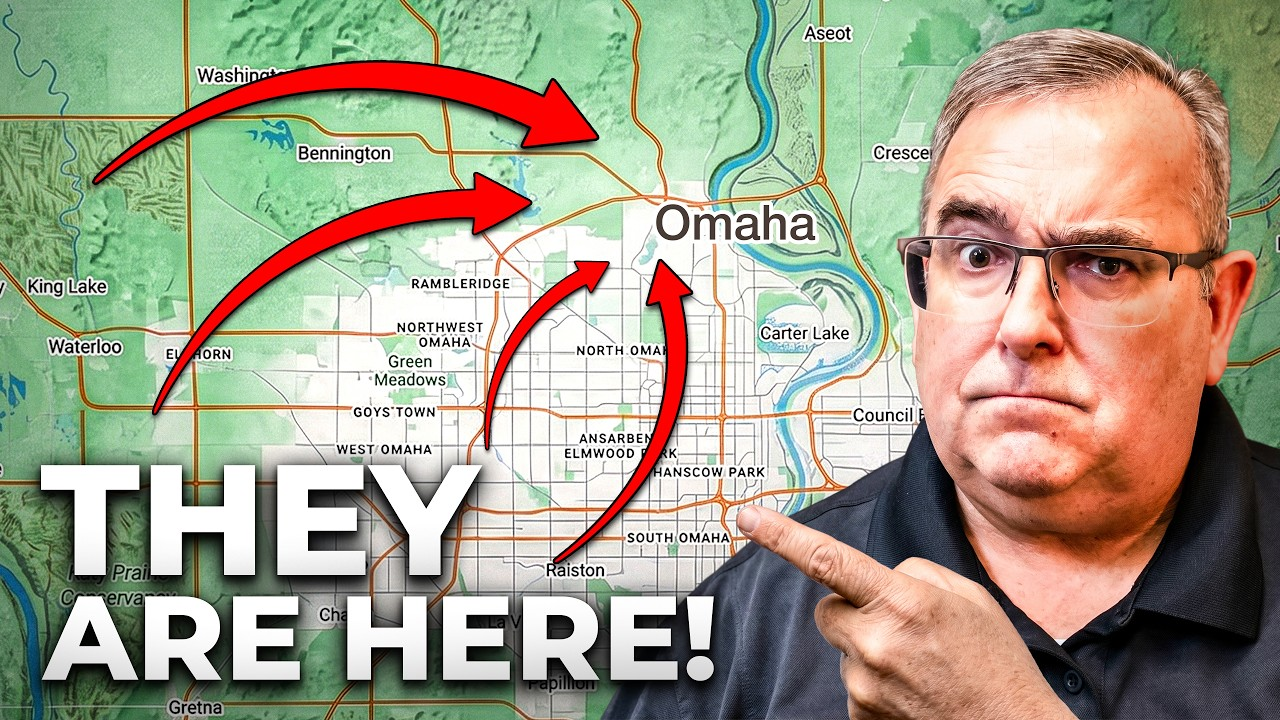
If you are shopping in Omaha real estate and a condo is on your shortlist, it is worth slowing down before you sign anything. Condos can absolutely make sense in the right situation, but too many buyers focus on the lower maintenance lifestyle and overlook the risks hiding behind the monthly dues, the association rules, and the resale side of the equation.
In Omaha real estate , condos are a very different animal from single-family homes. On paper, they can look convenient. In practice, they can come with extra costs, less control, and a smaller pool of future buyers. That does not mean every condo is a bad purchase. It does mean we need to know exactly what we are getting into.
Table of Contents
- What A Condo Actually Is
- 1. High HOA Fees
- 2. Special Assessments
- 3. HOA Rules And Restrictions
- 4. Slower Appreciation And Harder Resale
- 5. Financing Can Be Tougher
- 6. Less Privacy And More Shared Space
- 7. Little Or No Yard Space
- 8. Limited Storage
- 9. Limited Control Over Management Decisions
- 10. Poor Association Management
- FAQ
What a condo actually is
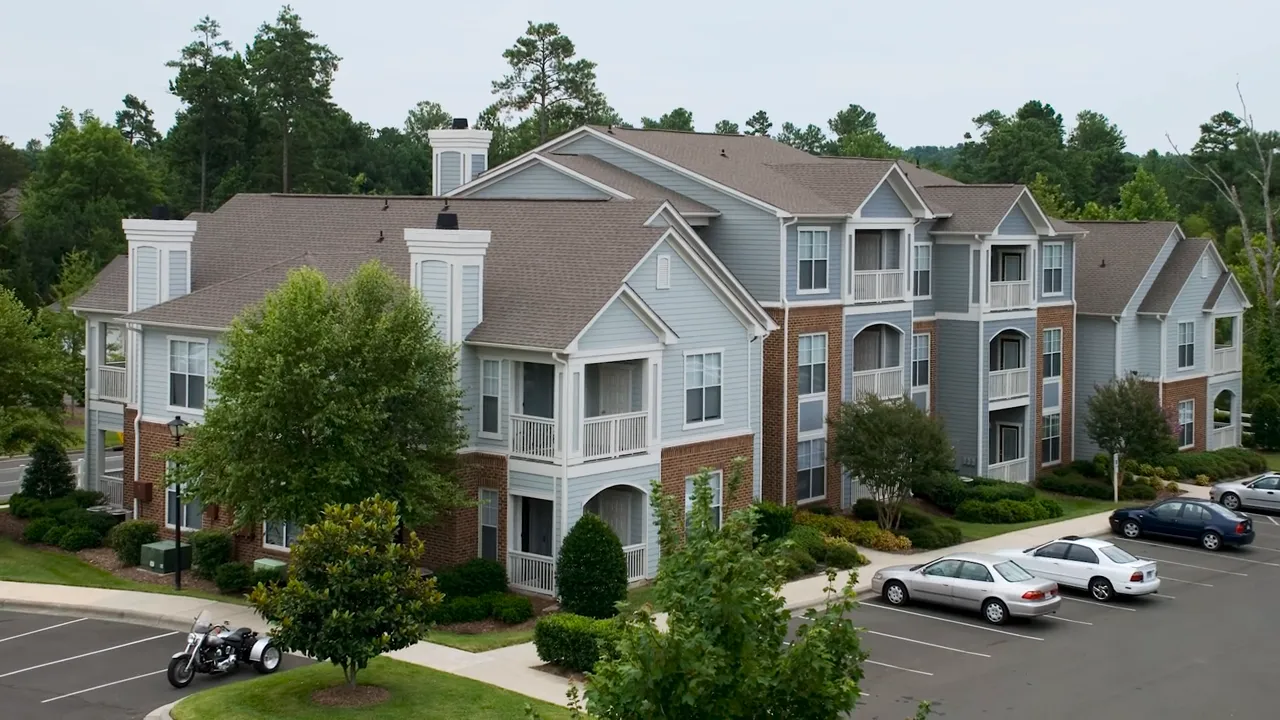
Before we talk about the downsides, we need to be clear on what a condo is. With a condominium, we usually own the interior of the unit. The exterior of the building, the land, and the common areas are shared. That can include hallways, pools, grounds, roofs, parking lots, and other amenities.
Those shared areas are generally maintained through a homeowners association, or HOA. That is the key distinction. When we buy a condo, we are not just buying a home. We are also buying into a shared financial structure and a shared decision-making system.
That arrangement is exactly where many of the biggest problems begin.
1. High HOA fees
The first issue is the one most buyers already know about, but many still underestimate. Condo HOA fees can be high, and they can climb over time.
Those dues often cover exterior maintenance, common area upkeep, amenities, and some insurance. That sounds fine until we realize two things.
- We still need to understand what is not covered.
- Just because something is covered does not mean it is being handled well.
One of the smartest things we can do in Omaha real estate is compare the HOA fee to similar condo communities. Is it in line with other properties? Is it suspiciously high? Is it oddly low?
And yes, a low HOA fee is not automatically a win. Sometimes a low fee is a warning sign. It can mean the association is underfunded or kicking maintenance problems down the road. If a building needs major work and the reserve account is thin, that low monthly number may be setting us up for a much bigger bill later.
When evaluating a condo, we want to use our eyes and ears. Walk the common areas. Look for peeling paint, broken fixtures, rough landscaping, or obvious neglect. Listen for noise. Pay attention to odors. If the shared spaces feel run down, that can point to poor management or financial stress inside the HOA.
What to review before buying
- The HOA budget
- Financial statements
- Reserve fund balance
- Recent fee increases
- Whether the association is professionally managed
- The age of the building and likely upcoming repairs
We also want recent meeting minutes. Those can be incredibly revealing. If there is tension over repairs, budget issues, lawsuits, or vendor problems, that is often where it shows up first.
2. Special assessments
This is where condo ownership can really get painful. A special assessment is basically a one-time charge levied by the HOA when there is not enough money in reserves to cover a major repair or unexpected expense.
Think about a failing parking lot, roof problems, structural repairs, siding replacement, plumbing failures, or foundation issues. If the reserve fund cannot handle it, the owners make up the difference.
That means we are not just responsible for the inside of our unit. We are exposed to the financial condition of the entire association.
This is not some minor technicality. In certain markets, owners have been hit with huge assessments after new inspection requirements or long delayed repairs came due. The exact numbers can vary dramatically, but the point is the same. A condo that looked affordable can suddenly become very expensive.
That is why reserve strength matters so much. A healthy HOA should have meaningful reserves for big ticket items. If it does not, we may be stepping into a future cash call.

3. HOA rules and restrictions
Another reason condo purchases can go sideways is the rulebook. Some buyers do not think much about the HOA documents until after closing, which is exactly backward.
Before buying, we need to know the restrictions on:
- Rentals
- Short-term rentals such as Airbnb
- Pets, including breed or size limits
- Interior changes
- Exterior modifications
Some of these rules may actually help protect a community. Others may be deal breakers depending on how we plan to use the property. If we hope to rent it later, bring a large dog, or customize parts of the unit, these restrictions matter a lot.
They can also affect resale. A community with very tight rules may narrow the buyer pool when it is time to sell. In Omaha real estate, that matters more than many people realize.
4. Slower appreciation and harder resale
This is one of the biggest reasons to be careful with condos in Omaha real estate. Condos often do not appreciate as quickly as single-family homes, and they can take longer to sell.
The market data discussed for Douglas and Sarpy County showed a pretty clear gap. single-family homes posted year over year price growth, while the condo segment was down slightly. single-family homes were also getting full list price on average, while condos were selling at a discount from their last list price.
There was also a difference in market speed. Condos tended to sit longer. Why? A lot of the reasons are already on this list. HOA fees, financing issues, shared walls, rules, and assessments all reduce demand.
There is also a simple math problem. The buyer pool for single-family homes is much larger than the buyer pool for condos.
That does not mean a condo cannot sell. It means we need to go in with realistic expectations. If future appreciation and liquidity are top priorities, a single-family home often has the edge.
5. Financing can be tougher
A lot of buyers are surprised by this one. It can be harder to get a loan on a condo than on a detached house.
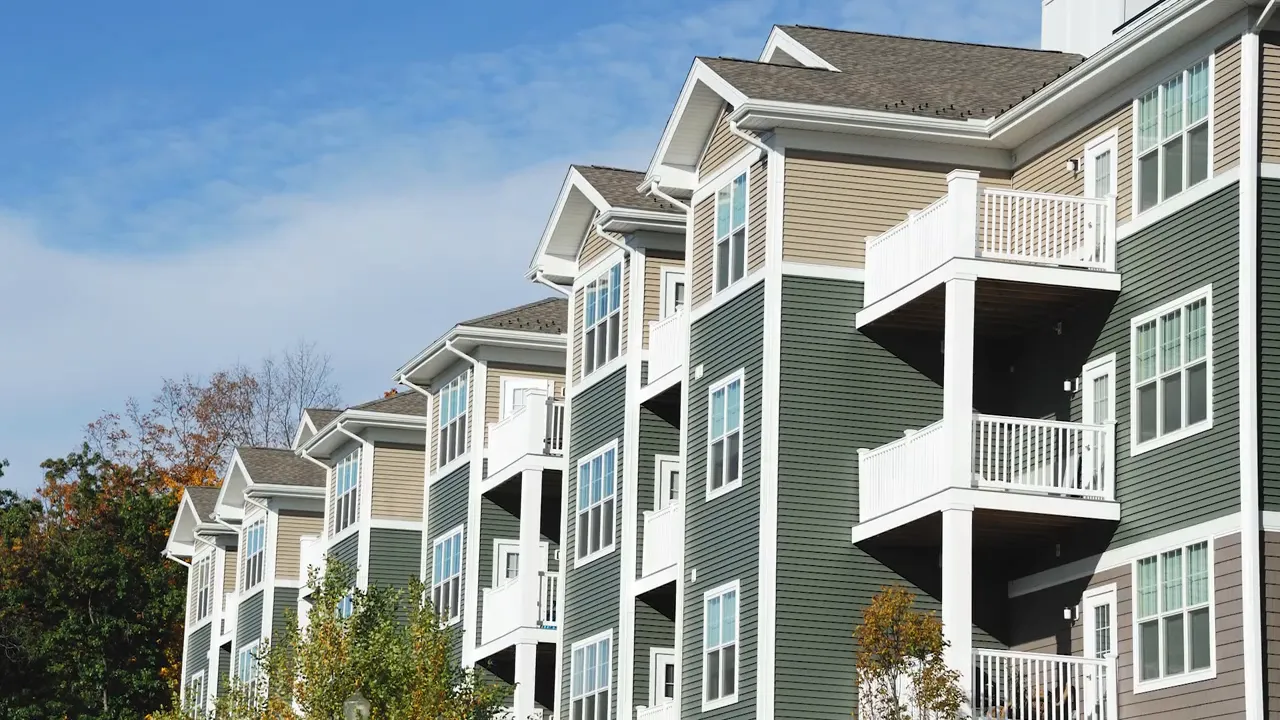
Lenders may have stricter requirements for condos, especially if:
- The HOA has financial issues
- Too many units are tenant occupied
- The project is not approved for certain loan types
Some lenders require the condo project to be approved for FHA or VA financing. Not every condo qualifies. That can become a major issue not just for us as buyers, but for resale later.
Even if we are paying cash, this still matters. When we eventually sell, the next buyer may need financing. If the condo project fails to meet lending standards, our buyer pool shrinks.
In Omaha real estate, anything that limits financing also limits demand. That usually shows up in price, time on market, or both.
6. Less privacy and more shared space
One of the big reasons people buy a home in the first place is privacy. Condos can chip away at that pretty quickly.
Depending on the building, condo living can feel a lot like apartment living. We may have shared walls, shared hallways, shared parking, and neighbors above or below us. Noise can become a real issue, especially in buildings with thinner construction or poor sound insulation.
If noise is a concern, it is smart to visit the property at different times of day. An afternoon showing may feel perfectly calm, while evenings or weekends tell a very different story.
Guest parking can also be limited, which matters if we like to entertain. These may sound like smaller lifestyle details, but they can heavily affect day to day satisfaction.
7. Little or no yard space
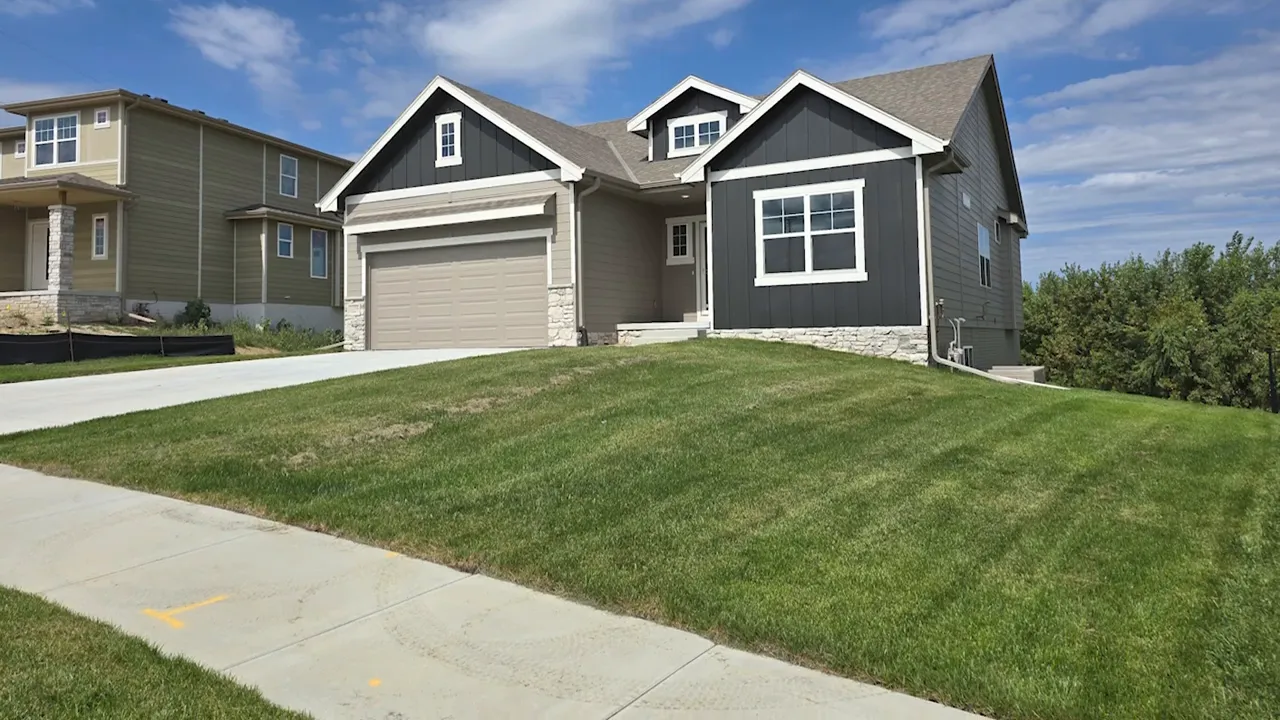
This one is especially relevant in Omaha real estate. One of the nice advantages of Omaha compared with many higher cost markets is the lot size that often comes with a single-family home.
A lot of buyers moving to Omaha are pleasantly surprised by how much yard they can get. For many households, that matters. They want to open the back door and let the kids play or let the dogs out into a fenced yard.
With a condo, that private outdoor space is often minimal or nonexistent. We may get a balcony or patio, but not much else. If yard space is high on the priority list, a condo may feel like a compromise almost immediately.
8. Limited storage
Storage is another area where condos can disappoint. Some projects offer assigned storage units, but even then, the space can be tight.
If we are used to a basement, attic, large garage, or extra closets, condo storage can feel restrictive. This is especially true if we tend to accumulate tools, seasonal decor, sports gear, or the usual overflow that comes with everyday life.
It is easy to overlook storage during a showing because empty rooms feel bigger than real life. We need to think through where everything is actually going to go.
9. Limited control over management decisions
Another major reason people move from renting into ownership is control. They want to decide what happens to their property and when. Condo ownership only gives us part of that control.
We may own the interior, but many important decisions are still made by the association. That includes exterior paint, repairs, vendor choices, timing, and broader policy decisions. We are subject to the association process and, like it or not, the politics that come with it.
There will almost always be disagreements among owners. Some people will think the board spends too much. Others will think it spends too little. Some will want stricter rules. Others will want fewer. If we buy a condo, we need to accept that shared governance comes with shared drama.
For some people, that tradeoff is worth it. For others, it becomes exhausting.
10. Poor association management
Finally, everything rises or falls on management. A condo association is only as good as the people running it and the systems supporting it.
If the leadership is weak, disorganized, or financially careless, the results can be expensive. Bad decisions can lead to deferred maintenance, legal disputes, vendor issues, budget problems, and falling property values.
And here is the uncomfortable part. Even if a community is well managed today, that can change. Boards turn over. Managers change. Priorities shift. A condo that looks stable right now is still vulnerable to future leadership problems.
That is why it helps to talk with current residents if possible. Ask whether maintenance requests are handled promptly. Ask what they like and dislike. Ask whether the HOA communicates well. If social media groups or community forums exist, those can also provide useful clues.
When we buy in Omaha real estate, we are not just buying the property as it sits today. We are buying the quality of the system that will maintain it over time.
What to do instead of rushing into a condo
If a condo still seems like the right fit, the answer is not to panic. The answer is to investigate thoroughly.
At a minimum, we should review:
- HOA financials and reserve balances
- Meeting minutes
- Rules and restrictions
- Litigation history
- Owner occupancy levels
- Recent fee increases
- Visible condition of common areas
- Financing eligibility for FHA or VA if relevant
And if we compare a condo against a single-family home in the same general price range, we should compare the full monthly cost, not just the mortgage. HOA dues can dramatically change the affordability picture.
In many cases across Omaha real estate, buyers discover that the lower maintenance option comes with enough tradeoffs to make a detached home more attractive.
Bottom line on condos in Omaha real estate
Condos are not automatically bad. But they are often sold as simpler and safer than they really are. The truth is that condo ownership can expose us to high fees, surprise assessments, strict rules, slower appreciation, tougher financing, less privacy, limited storage, and management problems that are largely outside our control.
That is why due diligence matters so much. In Omaha real estate, the right condo can still work for the right buyer. We just do not want to confuse convenience with low risk.
If we go in with clear eyes, study the association carefully, and think ahead to resale, we can avoid a lot of expensive regret.
Ready to compare the HOA fees, reserves, and resale risks before you buy? Call or text 402-490-6771 to talk condo options in Omaha. Let’s make sure the condo you’re considering is the right fit before you sign anything.
FAQ
Are condos a bad investment in Omaha real estate?
Not always, but they often come with more resale and appreciation challenges than single-family homes. In Omaha real estate, condos usually have a smaller buyer pool and can take longer to sell.
What is the biggest risk when buying a condo?
The biggest risks are usually tied to the HOA. High monthly dues, underfunded reserves, and surprise special assessments can create major financial stress.
Why do condo HOA fees matter so much?
HOA fees affect monthly affordability, but they also reflect the health of the association. Fees that are too high can hurt affordability. Fees that are too low can signal deferred maintenance or weak reserves.
Can condos be harder to finance?
Yes. Some lenders have stricter condo requirements, and not every project qualifies for FHA or VA financing. If too many units are rented or the HOA has financial issues, financing can become more difficult.
What documents should we review before buying a condo?
We should review the HOA budget, reserve fund balance, financial statements, meeting minutes, rules and regulations, and any information about lawsuits or major upcoming repairs.
Why do single-family homes often outperform condos in Omaha real estate?
single-family homes usually appeal to a larger group of buyers, offer more privacy and yard space, and avoid many condo-specific issues like shared walls, HOA politics, and special assessments.
READ MORE: Omaha Real Estate Is Shifting, Not Breaking