The Omaha real estate market has a funny way of making yesterday's prices look almost unreal. If you have ever wondered how much a typical Omaha house has appreciated over the last decade, there is a simple way to find out. Pick one neighborhood, narrow the homes down as tightly as possible, and compare apples to apples.
That is exactly what I did in Wood Valley in northwest Omaha. I focused on split-entry homes built by Celebrity Homes between 2015 and 2017, all around the same size, all in the same subdivision, and all designed to represent the kind of entry-level home a lot of buyers start with.
What turned up is a pretty clear snapshot of the Omaha real estate market. Ten years ago, you could buy one of these homes for around the mid $160,000s. Today, that same style of house in that same neighborhood is selling north of $300,000.
Table of Contents
- Why I Used Wood Valley To Measure The Omaha Real Estate Market
- What Kind Of Home Was Compared
- What Douglas County Tells Us About The Omaha Real Estate Market
- Wood Valley Home Prices Year By Year
- Why These Home Prices Keep Rising
- What This Means If You Are Moving To Omaha
- The Bubble Question Everyone Keeps Asking
- Final Thoughts On The Omaha Real Estate Market
- FAQ
Why I Used Wood Valley To Measure The Omaha Real Estate Market
If you really want to understand price appreciation, you have to control as many variables as possible. Comparing a ranch in one part of town to a two story in another part of town does not tell you much. Same thing if one house is brand new and the other is twenty years old.
So I narrowed it down to Wood Valley in the 68142 zip code. It is in northwest Omaha, just north of Standing Bear Lake near 144th and Military Road, and it sits in the Omaha Public Schools district. Construction there started in 2011 and wrapped up around 2017, which makes it a great neighborhood for studying a full decade of sales movement.
This neighborhood works especially well because many of the homes were built by the same builder and share very similar layouts. That gives us a cleaner read on what the Omaha real estate market has actually done over time.
What Kind Of Home Was Compared
The focus was on the split-entry, which is one of the most common home styles in Omaha. If you are moving to Omaha and are not familiar with the layout, a split-entry means you come in the front door onto a landing, with stairs going up and stairs going down.
These homes are common because they often hit that sweet spot for affordability, function, and usable square footage. They have long been a go-to option for first-time buyers and budget-conscious households.
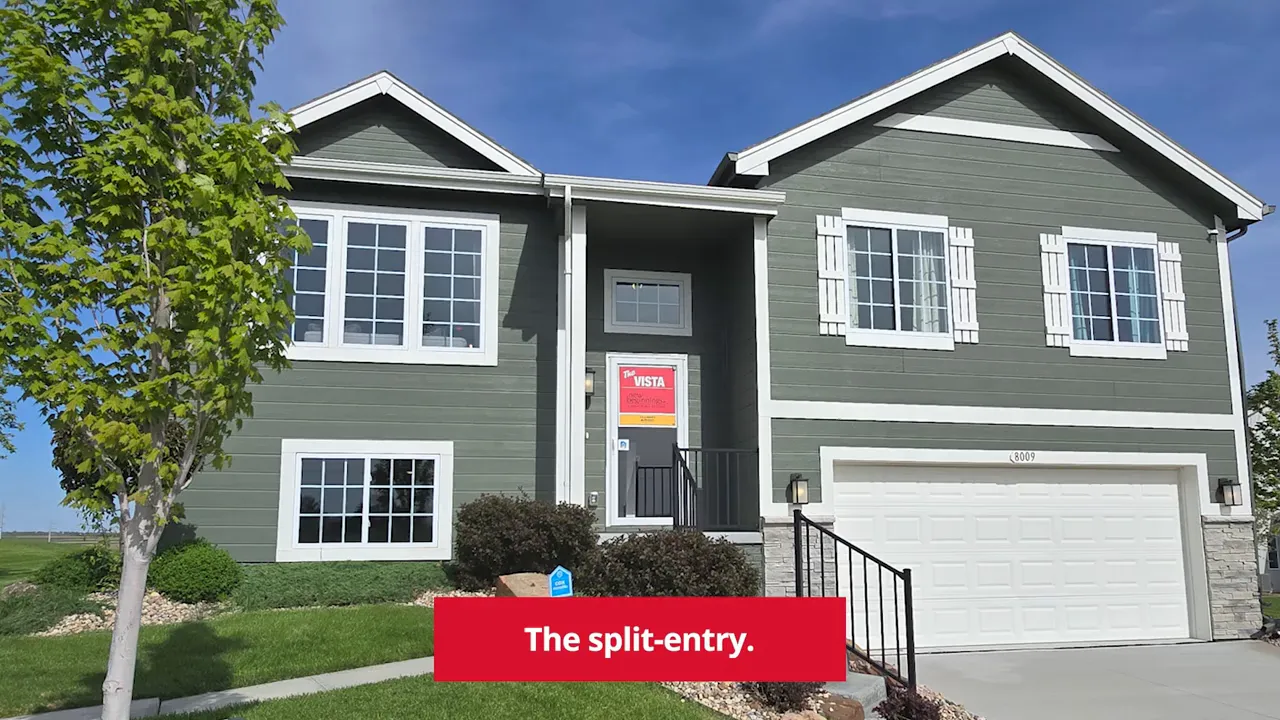
To keep the comparison tight, the criteria looked like this:
- Subdivision: Wood Valley
- Builder: Celebrity Homes
- Year built: 2015 through 2017
- Style: Split-entry
- Square footage: roughly 1,600 to 1,700 finished square feet
- Zip code: 68142
Ideally, every sale would have been the exact same floor plan, such as the Vista model, but real-world sales data does not always line up that neatly. So the homes were matched as closely as possible by age, style, builder, and size.
What Douglas County Tells Us About The Omaha Real Estate Market
Before getting hyper-local, it helps to zoom out. Douglas County gives a broader picture of the Omaha real estate market, since it includes Omaha plus nearby communities like Ralston, Bennington, Waterloo, and Valley.
Using a six-month rolling average to smooth out seasonal swings, the median closed sales price in Douglas County was $146,450 in March 2015. By March 2025, it had climbed to $300,000.
That is a 105 percent increase in ten years. In plain English, the typical home value in Douglas County more than doubled.
That matters because local neighborhoods do not exist in a vacuum. When the county-wide trend is rising steadily over a decade, neighborhoods like Wood Valley tend to reflect that broader momentum.
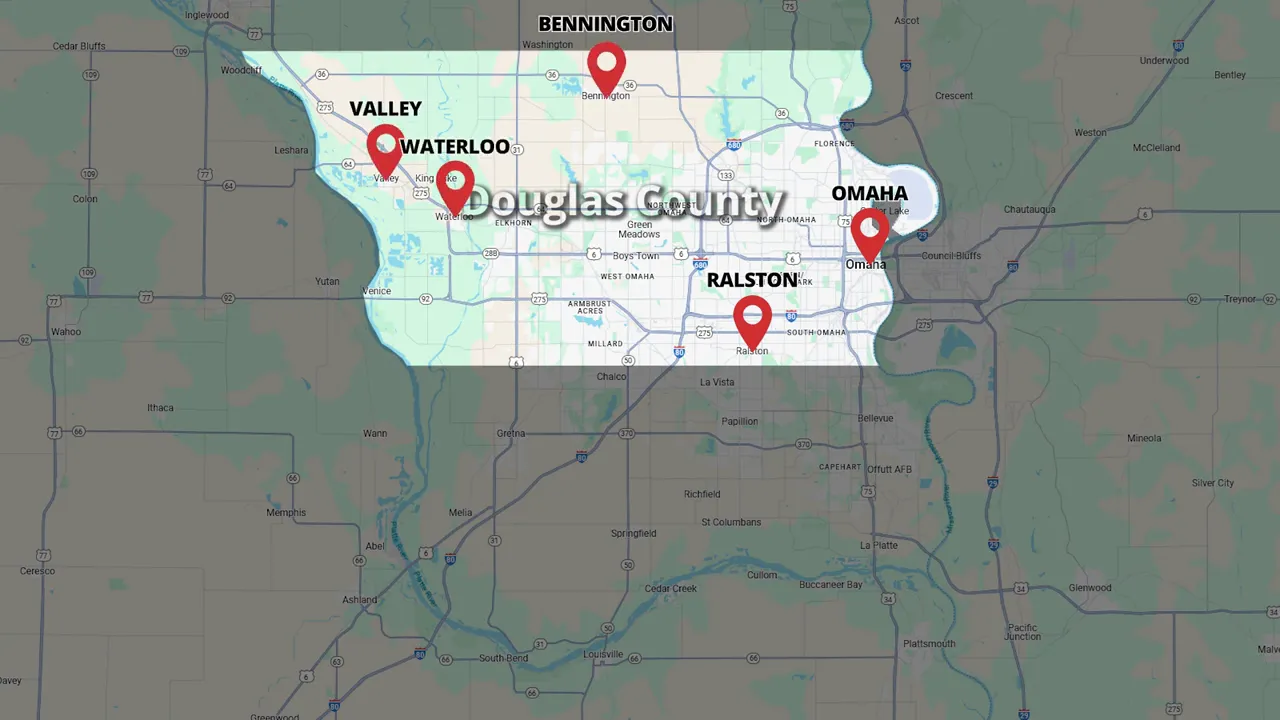
Wood Valley Home Prices Year By Year
Now for the part people really care about. What did similar homes in Wood Valley actually sell for as the years rolled by?
At the time these homes were first being built, the subdivision median closed sales price in 2015 was about $164,425.
2015
A representative 2015 sale was 14215 Wyoming Street. Built by Celebrity Homes, it had 3 bedrooms, 2 baths, a 2-car garage, and 1,621 finished square feet. It closed on December 23, 2015 for $164,132.
2016
Another new construction Vista model sold in 2016 at 14205 Wyoming Street. Similar setup, same 1,621 square feet, same general configuration. It closed in June 2016 for $171,025.
2017
By 2017, many of the original new construction homes had already sold, so an existing home sale became the best comp. At 7404 North 143rd Street, a similar house was listed at $180,000 and sold three days later for $177,000.
2019
Fast forward a bit and 14220 Wyoming Street, built in 2015 with 1,611 finished square feet, sold in August 2019 for $208,320. That was a noticeable jump from the mid $160,000s just a few years earlier.
2020
At 7466 North 139th Street, another 2015-built split-entry hit the market in September 2020 at $225,000 and sold the very same day for full price.
2021
Then things got even more aggressive. 14209 Iowa Street was listed in February 2021 for $230,000 and sold in four days for $246,700. That is a clear sign of rising demand in the Omaha real estate market.
2022
In July 2022, 14206 Wyoming Street was listed at $275,000 and sold seven days later for $272,000. Even with a tiny haircut off list, that is still a long way from 2015 pricing.
2023
In September 2023, 14201 Iowa Street, another similar split-entry, sold in four days for $303,000.
2024 Into 2025
In June 2024, 7422 North 139th Avenue sold in five days for $295,000. Then by the turn into 2025, 13928 Iowa Street, a similar home built in 2017, sold after one day on market for $300,000.
If you line those sales up from start to finish, the picture is hard to miss:
- 2015: about $164,000
- 2016: about $171,000
- 2017: about $177,000
- 2019: about $208,000
- 2020: $225,000
- 2021: about $247,000
- 2022: $272,000
- 2023: $303,000
- 2024: $295,000
- 2025: $300,000
That is not a tiny bump. That is a major shift in the Omaha real estate market, even when looking at homes that are very similar to each other.
Why These Home Prices Keep Rising
A lot of people look at higher home prices and assume it must be one thing. Usually they blame greed, a bubble, or some invisible switch that got flipped. Real life is messier than that.
There are several forces working together:
- Construction costs rise over time. Labor, materials, land development, and financing do not stay fixed.
- Inflation reduces purchasing power. A dollar today does not buy what it did ten years ago.
- Builders adjust to future costs. They have to price homes based on where costs are going, not just where they were yesterday.
- Home sizes may shrink. Sometimes the price does not drop. Instead, the buyer just gets less house for the money.
That last point is important. In new construction, a lower price point can simply mean a smaller footprint, fewer upgrades, or less finished space. That is not some magical affordability breakthrough. It is the housing version of shrinkflation.
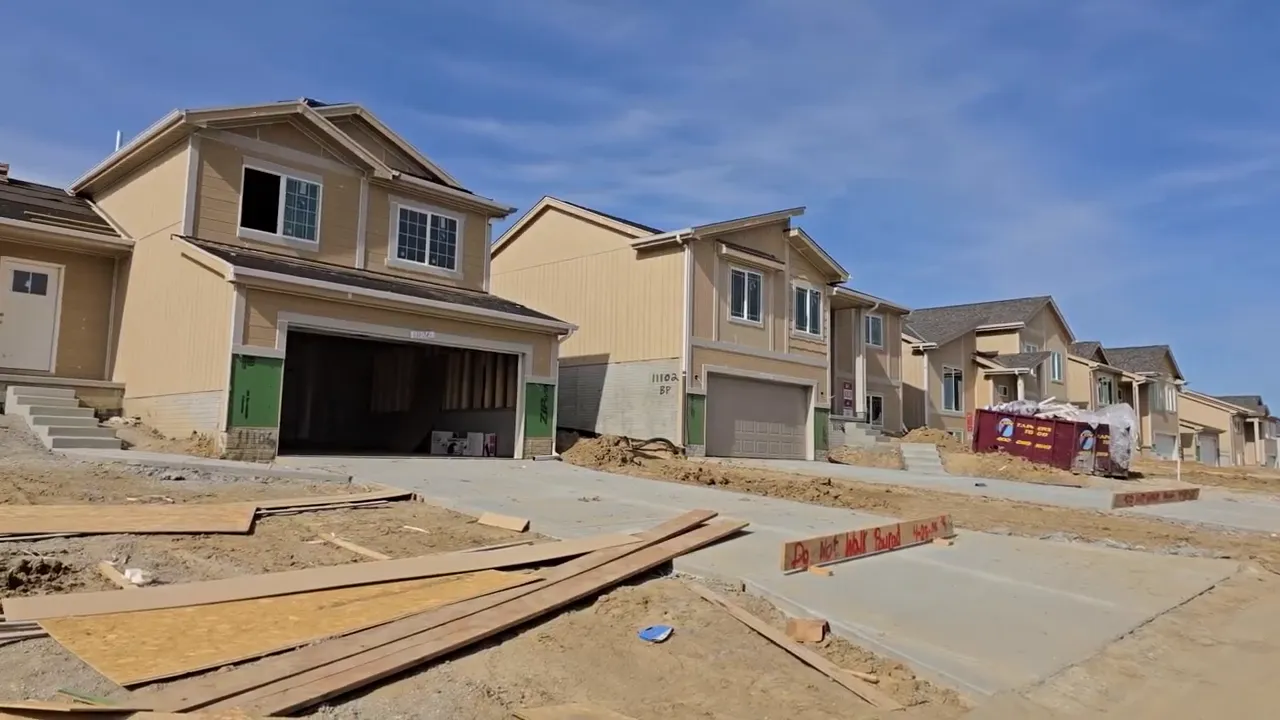
So when somebody says, "Prices cannot keep going up," I get where they are coming from. But builders still have to make the math work. If costs rise, prices usually follow. If prices cannot rise enough, the product changes.
What This Means If You Are Moving To Omaha
If you are moving to Omaha, this is the kind of information that helps set expectations. Omaha is not some market where prices sat still for ten years. The Omaha real estate market has experienced real appreciation, especially in common suburban product like split-entry homes.
That means two things can be true at once:
- Omaha can still feel more affordable than many large metro areas.
- It can also be significantly more expensive than it was a decade ago.
For buyers, especially first-time buyers, this matters because the person who could comfortably buy in 2015 is not always the same person buying today. Ten years ago, a younger single buyer might have had a much easier path into a neighborhood like Wood Valley. Today, buyers tend to be older, more established, and often buying as a couple.
That does not mean homeownership is off the table. It means the entry point has changed.
If you are moving to Omaha, do not make the mistake of comparing today's market to 2015 and expecting the same outcomes. That ship has sailed. The better question is whether today's purchase still makes sense for your budget, timeline, and long-term plans.
The Bubble Question Everyone Keeps Asking
I have heard crash predictions for years. Thirty percent drops. Forty percent drops. Massive waves of foreclosures. People love dramatic headlines, but the Omaha real estate market has not behaved like that over the last decade.
Could prices come down at some point? Of course. Real estate is not a straight line forever. Prices go up and prices go down.
But for a serious foreclosure wave, you need a lot of homeowners who are upside down and unable to sell. That is a much harder case to make when values have appreciated this much over the last several years. If somebody bought five years ago and ran into trouble, many of them could simply sell rather than go through foreclosure.
Another reality check is that a large share of homeowners do not even have a mortgage. Some own free and clear. Others have substantial equity. That matters.
Yes, homeowners insurance is expensive. Yes, property taxes are high. But those costs alone do not automatically trigger a flood of forced sales. Renters pay those costs too, just indirectly through rent.
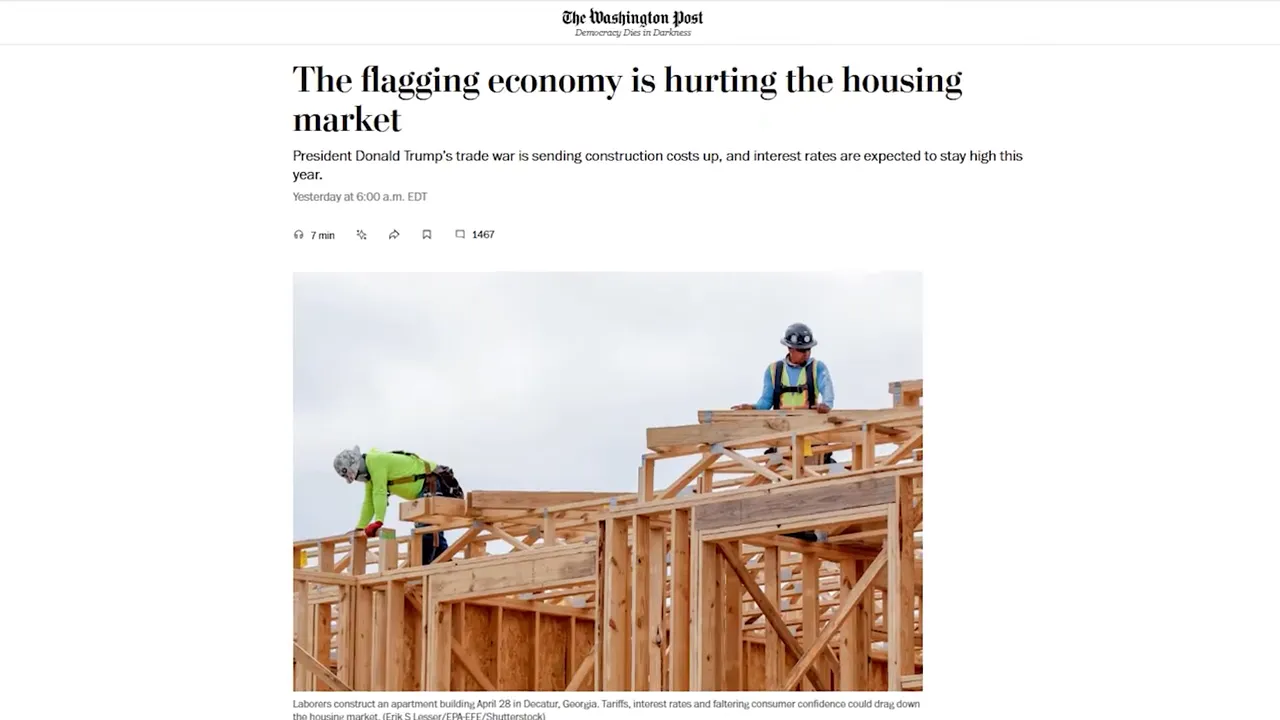
The media noise can get loud. My advice is simple. Do what is best for you and your family. If buying makes sense, great. If it does not, that is fine too. But betting on a giant collapse in Omaha just because prices feel high is not the same as having evidence.
Final Thoughts On The Omaha Real Estate Market
A house is more than a spreadsheet. Yes, numbers matter. The day you buy matters, and the day you sell matters. But a home is also where life happens. It is where kids grow up, holidays happen, memories are made, and routines get built.
That is why the Omaha real estate market keeps moving even when people complain about rates, taxes, and insurance. Housing is not just an investment category. It is a life decision.
When I look at Wood Valley, the message is pretty straightforward. Ten years ago, a brand-new split-entry in that neighborhood could be bought for under $170,000. Today, a comparable home is around or above $300,000. That is not theory. That is what actual sales show.
And that is why I keep coming back to this idea: today's high prices are tomorrow's great deals. The best time to buy a home was ten years ago. The next best time is when the purchase fits your life and finances, not when the internet finally agrees with you.
FAQ
Has The Omaha Real Estate Market Really Doubled In Ten Years?
In Douglas County, the median closed sales price rose from about $146,450 in March 2015 to $300,000 in March 2025 using a six-month rolling average. In the Wood Valley example, similar split-entry homes went from roughly $164,000 to about $300,000 over the same general period.
Why Focus On Split-Entry Homes In Wood Valley?
Because they offered a cleaner apples-to-apples comparison. The homes were built by the same builder, in the same neighborhood, around the same time, with similar layouts and similar finished square footage.
Is Wood Valley A Good Example Of The Omaha Real Estate Market?
It is a useful case study for entry-level suburban housing in northwest Omaha. It does not represent every neighborhood perfectly, but it does show how a common home type appreciated in a real Omaha subdivision over time.
What Should People Moving To Omaha Expect From Home Prices?
Anyone moving to Omaha should expect prices to be meaningfully higher than they were a decade ago, especially for newer suburban homes. Omaha may still compare favorably to more expensive metros, but buyers should not expect 2015 prices in today's market.
Are Omaha Home Prices Likely To Crash?
Prices can always fluctuate, but a major crash requires conditions like widespread negative equity and forced selling. Based on strong appreciation over recent years, many homeowners have enough equity to sell instead of going into foreclosure.
Why Do New Construction Prices Keep Going Up?
Builders face higher material costs, labor costs, land development costs, financing costs, and inflation. When prices cannot rise enough to offset those pressures, builders may reduce the size of the home or features instead.