Something unusual is happening in Omaha real estate. Inflation moved higher, mortgage rates pushed the wrong way, affordability is still tight, and yet home prices across the Omaha metro just reached another record. That combination catches people off guard because it feels like the market should be slowing down more than it is.
But when we dig into the numbers for Douglas and Sarpy County, the story becomes clearer. This is not the chaotic pandemic market. It is also not a collapse. What we are seeing in Omaha real estate is a market that is still undersupplied, still competitive in the right price ranges, and slowly acting more normal again.
If we are buying, selling, or relocating, the key is not guessing headlines. The key is understanding what the local data is actually telling us.
Table of Contents
- Where These Omaha Real Estate Numbers Come From
- Inventory Is Down Again
- Should We Buy Now or Wait
- Why This Looks More Normal Than Panic Worthy
- Is the Omaha Housing Market Going to Crash
- Prices New Construction vs Existing Homes
- Why Entry-Level Buyers Are Still Feeling Pressure
- What the Sales Data Says
- Days on Market and Months of Inventory
- Mortgage Rates and What They Mean Next
- FAQ
Where These Omaha Real Estate Numbers Come From
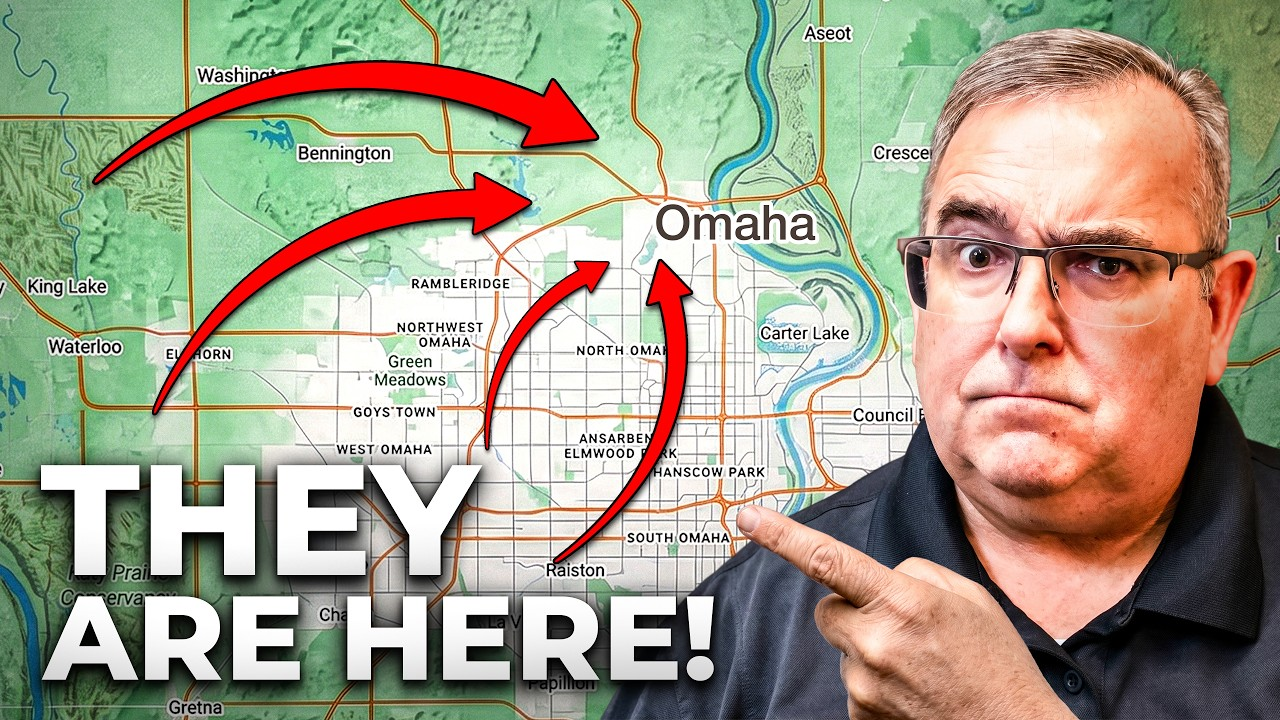
For this Omaha real estate update, we are looking at Douglas and Sarpy County. That covers the core of the metro and many of the places people ask about most often.
Douglas County includes Omaha along with Ralston, Bennington, Waterloo, and Valley. Sarpy County includes Bellevue, Papillion, La Vista, Gretna, and Springfield. So when we talk about the market here, we are talking about the larger Omaha metro picture, not just one neighborhood or one zip code.
That distinction matters because Omaha real estate is local - very local. One price range can feel hot while another slows down. One suburb can move differently from another. Broad national headlines do not tell us enough to make good local decisions.
Inventory Is Down Again
Let’s start with supply, because that is still one of the biggest forces shaping Omaha real estate.
There are currently 1,867 active homes on the market across Douglas and Sarpy County. That is down 10.8 percent from the same period last year.
Breaking that down further:
- 813 new construction homes, down 12 percent
- 1,054 existing homes, down 9.8 percent
Why is supply lower? On the resale side, a lot of owners are simply staying put. If someone locked in a mortgage around 3 percent, moving into a loan in the mid 6 percent range is a big jump. That alone keeps many would-be sellers from listing.
On top of that, inflation pressures everything. When fuel costs rise, it does not stop at the gas pump. It filters into groceries, services, and everyday living. That makes households more cautious. So some people who might have moved decide to sit tight unless they absolutely need to make a change.
Should We Buy Now or Wait
This is one of the biggest questions in Omaha real estate, and the answer is usually more practical than dramatic.
If we can afford the payment, have reserves set aside, and expect to stay in the home for at least five years, buying now can still make plenty of sense. Trying to perfectly time the market is usually a losing game.
There is never a perfect time to buy. And there is no perfect house either. In this market, many buyers will need to compromise somewhere. That might mean a slightly less ideal location, fewer amenities, or a smaller footprint than originally planned.
That is not failure. That is often how people get started.
A good example is the classic starter home. A buyer who purchased a more basic house a few years ago may now be sitting on meaningful equity. In the example given, a home bought around $225,000 a few years back could now be worth roughly $300,000. That kind of equity can become the bridge to the next purchase.
So when people ask whether they should wait for a better moment, we have to be honest. Waiting only works if the future gets meaningfully easier than the present. In Omaha real estate, that is far from guaranteed.
Why This Looks More Normal Than Panic Worthy
One of the healthiest signs in the current Omaha real estate market is that the seasonal rhythm looks more familiar again.
Over the last decade, inventory has tended to rise through spring and summer, peak in the fall, then drop in winter before climbing again. That pattern is showing up again. In other words, the market is behaving more like a normal housing market and less like the frenzy we saw during the pandemic years.
That is a good thing.
In a normal market:
- Buyers do inspections
- Buyers ask for repairs
- Homes usually sell closer to list price
- Negotiation comes back into the process
The pandemic market was not healthy. Double digit annual appreciation, buyers waiving inspections, and homes racing tens of thousands over asking price was never sustainable long term.
What has confused people is that many expected a dramatic reset after that period. Instead, Omaha real estate moved into a tighter, more expensive, but steadier market. That is a very different outcome from a crash.
Is the Omaha Housing Market Going to Crash
No, not based on the data here.
That does not mean every neighborhood or price point is immune from weakness. Individual pockets can absolutely soften. But the idea that the local market is about to get cut in half simply does not line up with what we are seeing.
A lot of sensational housing commentary treats real estate like a meme stock. It is not. Housing moves more slowly, more locally, and more unevenly.
Affordability is a real problem. We should not pretend otherwise. But affordability does not automatically get fixed by a market collapse. More often, affordability improves through a combination of time, income growth, inventory changes, and financing shifts.
There is also a larger reality underneath this. Some of what feels like rising home values is really the purchasing power of the dollar changing over time. Inflation has done real damage. So part of the story in Omaha real estate is not just homes getting more expensive. It is money buying less than it used to.
Prices New Construction vs Existing Homes
Now to the headline number.
The median closed sale price in Douglas and Sarpy County was $350,000, up 2.3 percent year over year. That is a much more typical appreciation rate than what we saw during the frenzy years, but it is still a record high for the metro.
When we separate new construction from existing homes, the picture gets more interesting.
- New construction median price:$405,417, down 6.4 percent
- Existing home median price:$325,000, up 3.2 percent
That drop in new construction median price does not necessarily mean builders are slashing values. Builders adapt to market conditions. They may sell smaller homes, shift product mix toward entry-level, or simply close fewer higher end homes in a given month. Any of those can pull the median lower without signaling a broader collapse.
Over a longer period, the new construction market appears to have peaked in 2023 and then leveled off somewhat, while existing home prices have continued climbing.
That is important because the resale side of Omaha real estate remains very competitive, especially in lower price points.
Why Entry-Level Buyers Are Still Feeling Pressure
If we are looking in the entry-level range, the market can still feel frustrating.
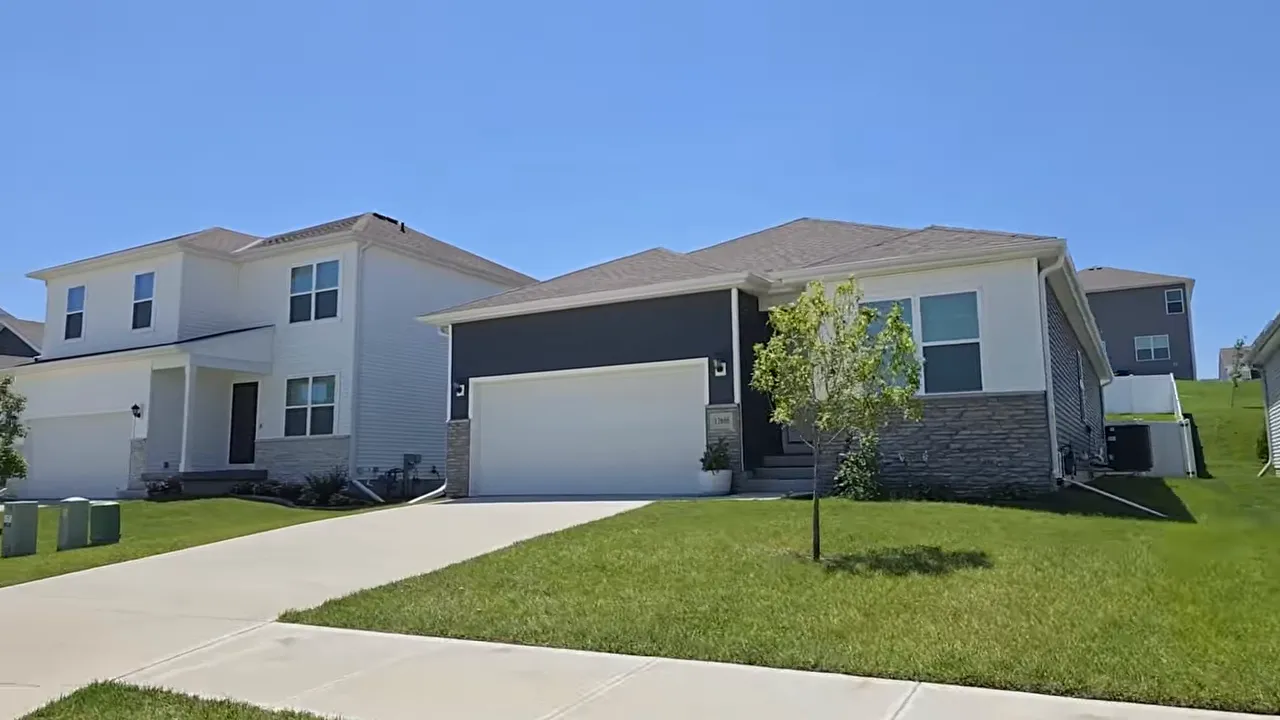
The well-cared-for three-bedroom, two-bath, two-car-garage type of house that is priced correctly often moves fast. Some are still getting multiple offers. That tells us that even in a more balanced environment overall, demand remains strong where homes are relatively attainable.
This is also where new construction can become more attractive than some buyers expect.
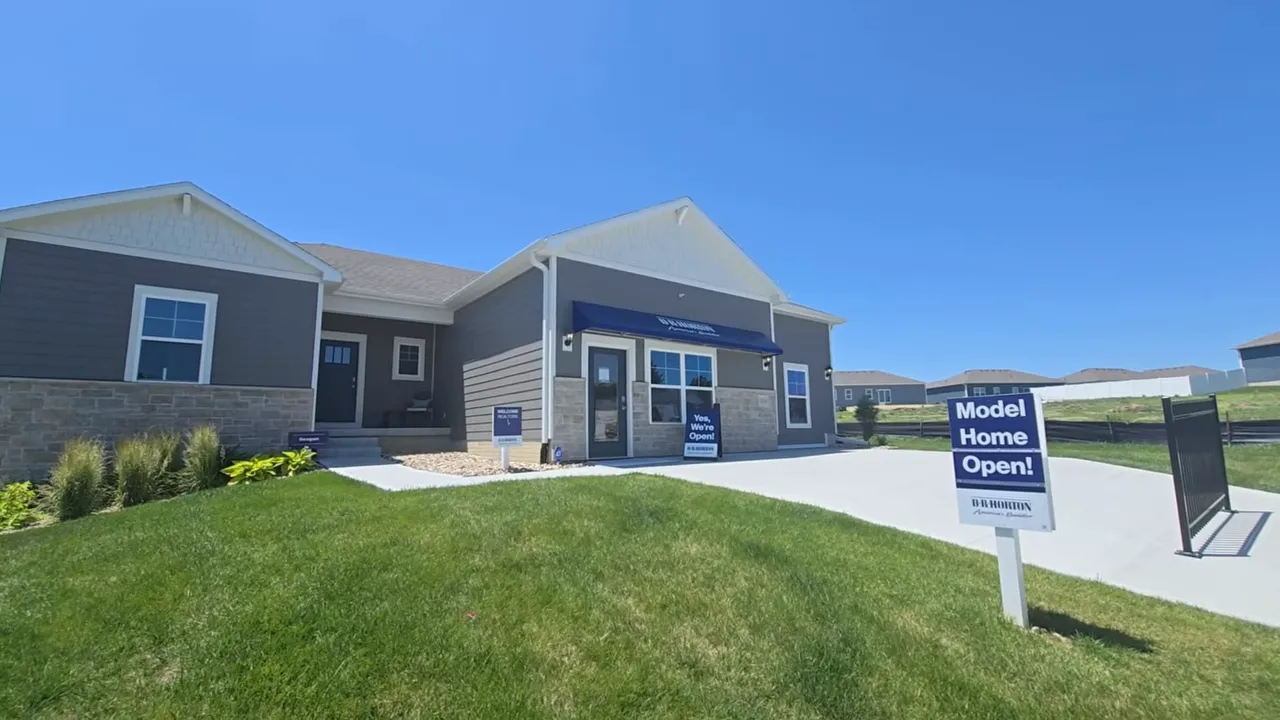
One example discussed was buyers relocating from Washington state. At first they were not sold on D.R. Horton. Then they spent about a month looking at existing homes and found a pattern many buyers already know too well: the affordable resale homes often needed work, and the good ones still got bid up. In the end, the new construction option offered better overall value, a better house, and better financing terms.
Now, no builder is perfect. Every builder has tradeoffs. But there were some practical details pointed out that buyers often overlook when comparing homes:
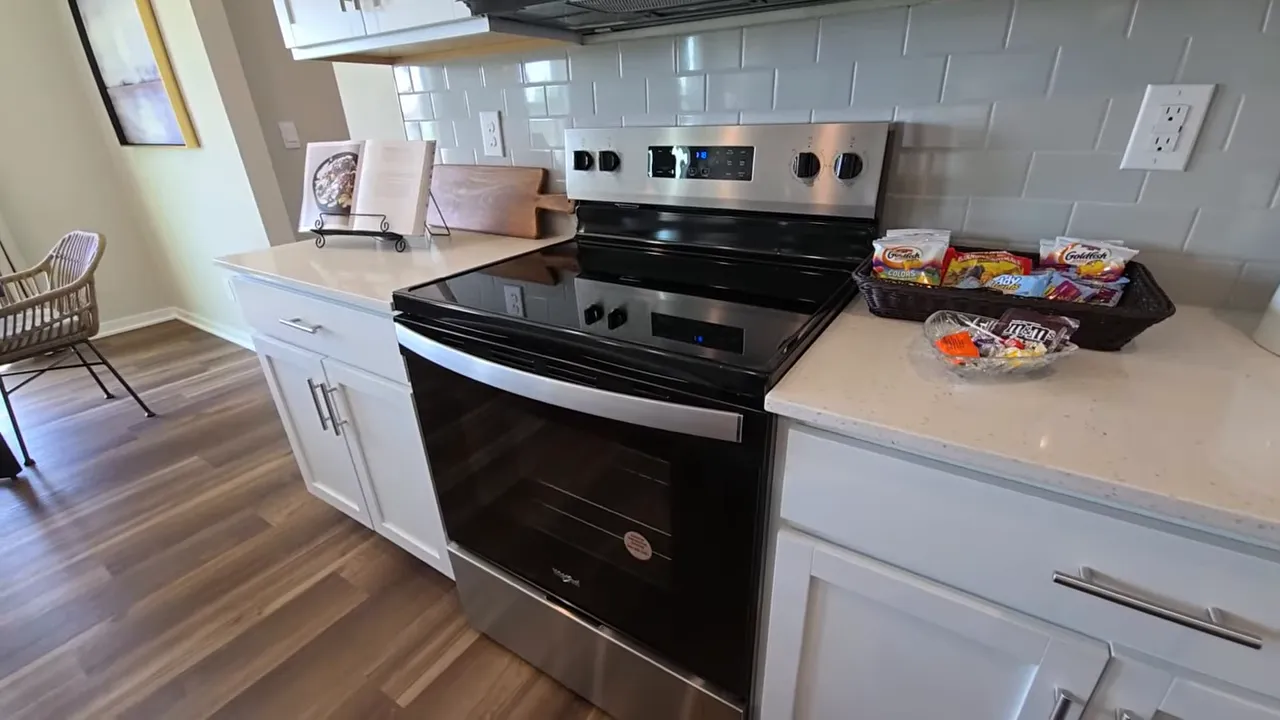
- Some builders install stove anti tip devices while others do not
- Hinged downspouts can help direct water away from the foundation more effectively
- Interior doors that are finished on all sides may hold up better over time
That may sound minor, but details matter, especially when comparing older resale homes with deferred maintenance against entry-level new construction.
Another issue that often gets overlooked in Omaha real estate is builder stability. Small local builders can do great work, but small size does not automatically mean better. Financial strength matters. Service capacity matters. Volume purchasing can also help larger builders keep pricing and incentives more competitive.
What the Sales Data Says
Closed sales last month totaled 1,109 across Douglas and Sarpy County. That is down 3.4 percent from last year.
That softer number makes sense given higher rates, inflation pressure, and broader uncertainty. Sales activity is still somewhat depressed relative to stronger years.
When we split the data by property type:
- 229 new construction closings, up 9.6 percent
- 880 existing home closings, down 6.3 percent
So while resale activity is softer, builders are still moving product.
Looking at the long term trend, sales volume remains below both the pandemic surge and the pre-pandemic market. But there is also a sign of recovery. Once rates jumped in prior years, sales dropped hard. Since then, the trend line has started moving upward again.
That matters because it suggests Omaha real estate is not frozen. It is active, just more rate sensitive than before.
Days on Market and Months of Inventory
The median days on market for existing homes was 7 days.
Yes, that is longer than the wildest stretch of the market. But let’s be honest, seven days is still fast. Half of the homes sold in a week or less.
Months of inventory for the existing market came in at 1.6 months.
That still places Omaha real estate firmly in seller’s market territory for existing homes.
As a reminder:
- Less than 3 months is a seller’s market
- 3 to 6 months is a neutral market
- More than 6 months is a buyer’s market
So yes, buyers have regained some negotiating power compared with the pandemic era. Inspections are back. Repair requests are back. But properly priced homes are still moving quickly.
That is probably the best way to describe the current market. It is still a seller’s market, but a more normal one.
Mortgage Rates and What They Mean Next
The current 30 year fixed mortgage rate mentioned was 6.66 percent.
Higher rates absolutely push some buyers to the sidelines. That part is real. But sidelined buyers do not disappear. They wait. And when rates ease, many of them come back into the market.
That is why lower rates are not automatically a gift to buyers. Lower rates can also bring stronger competition and renewed price pressure.
Another point worth paying attention to is mortgage spreads, which compare the 30 year mortgage rate to the 10 year Treasury yield. Those two tend to move in the same direction, and the gap between them matters. The good news is that spreads have improved over the past few years, which has helped keep mortgage rates from being even worse than they otherwise might be.
So what comes next for Omaha real estate?
Most likely, we continue seeing a market shaped by limited supply, affordability pressure, and sensitive buyer demand. Existing homes in attractive price ranges should stay competitive. New construction will keep playing a bigger role for buyers who want value and incentives. And unless inventory rises significantly, it is hard to make a strong local case for prices falling sharply.
That does not mean every purchase is a good one. It means we need to buy carefully, price correctly, negotiate smartly, and think long term.
Want a clear, data-based plan for buying or selling in the Omaha area? Call or text 402-490-6771 today. We’ll help you understand where the market is headed and what your next move should be.
FAQ
Is Omaha real estate in a crash right now?
No. The local data points to a market that is slower than the pandemic frenzy but still fundamentally tight. Existing home inventory remains low, homes are still selling quickly, and median prices are still rising overall.
Are home prices still going up in Omaha real estate?
Yes. The overall median closed sale price in Douglas and Sarpy County reached $350,000, which is up 2.3 percent year over year. Existing homes hit an all time high median of $325,000.
Is now a good time to buy in Omaha real estate?
If we can comfortably afford the payment, have emergency reserves, and plan to stay for at least five years, buying can still make sense. Waiting for the perfect market usually turns into waiting for something that never arrives.
Why are existing homes still selling so fast?
Supply remains limited, especially in the entry-level segment. Well maintained homes priced correctly still attract strong demand, and some continue to receive multiple offers.
Should buyers consider new construction in Omaha real estate?
Absolutely. In some price ranges, new construction can offer better value, fewer immediate maintenance concerns, and stronger financing incentives than competing resale homes. It is worth comparing both paths carefully.
What does 1.6 months of inventory mean?
It means that if no additional existing homes came on the market, the current supply would be absorbed in about 1.6 months. That is still a seller’s market, even if conditions are more balanced than they were a few years ago.
Bottom line: Omaha real estate is not broken. It is not crashing. It is expensive, competitive in the right places, and more normal than it used to be. If we make decisions based on real local numbers instead of dramatic headlines, we put ourselves in a much better position.
READ MORE: Moving to Omaha? The 8 Best Areas to Live in 2026 Ranked