When we start planning a move, buying a home in Omaha, Nebraska can feel exciting and straightforward. The problem is simple: the deals that look “fine” at first glance can hide expensive issues. And when we are in a timeline, it is easy to miss the signs that matter.
Here are 10 red flags we want to catch early. Some are about the home itself. Others are about the people, paperwork, and even the neighborhood. The goal is the same every time: we buy with confidence and avoid surprise bills.
Table of Contents
- 1. Foundation Cracks And Structural Issues
- 2. Roof Age Insurability And Hail Coverage
- 3. Unpermitted Work And Flips
- 4. Buyer Broker Agreement Length And Fees
- 5. Water Intrusion And Basement Red Flags
- 6. Neighborhood Surprises Noise Smells And Lead
- 7. A Home That Has Sat on the Market Too Long
- 8. Seller Won't Allow an Inspection or "As-Is" Sale
- 9. Windows Heating AC And Maintenance Costs
- 10. HOA Fees And Condo Regime Financing Eligibility
- Quick Action Checklist Before You Sign
- FAQs About Moving Omaha, NE
- Final Thoughts
1. Foundation Cracks And Structural Issues
Foundation problems are not always obvious until we notice the signs. The red flags to take seriously include:
- Large cracks in basement walls
- Uneven floors
- Doors that no longer open or close properly
- Any pattern that suggests the home is shifting
Omaha is not immune. Soil matters. We have freeze thaw cycles, and depending on the soil, pressure can build over time. For example, clay soils tend to absorb water, and that can add stress to a foundation.
The fastest way to avoid guessing is to schedule a professional foundation inspection. It is one of those moves that can save us thousands because it gives us real answers early.
There is also a practical timing point to know. Under the most recent Uniform Purchase Agreement used locally, if we elect to do property inspections, we typically have 14 calendar days to complete them. That can include a foundation inspection.
A smart strategy is to do a foundation inspection first if we suspect an issue. Some local foundation companies will even offer a free inspection. If the result is bad and we want to walk away, we do not waste the rest of the inspection window.
We also need to slow down and review the home inspection report carefully. If the inspector recommends further evaluation, it is usually because the risk is too specific to ignore. For example, they might say to have basement wall issues further evaluated by a professional structural engineer. Taking that step is not “extra.” It is risk management.
2. Roof Age Insurability And Hail Coverage
In Nebraska, the roof is not a “nice to know.” It is a big deal. Before we even talk numbers, we should check how old the roof is and whether it is likely insurable.
One of the most helpful documents in the Omaha process is the seller property condition disclosure statement. Sellers are required to complete it in Nebraska. When we review it, two things matter:
- How long the seller owned the property
- Age of the roof as listed in the disclosure
Sometimes the seller owned the home for years but “does not know” the roof age. That is still information. In that case, we treat it as a likely older roof.
Why it matters: some insurance companies will not fully insure older roofs or may limit coverage. After the contract is accepted, we should call our local insurance provider immediately and ask what they require. Some insurers require an inspection before they will issue the policy.
Omaha weather is another complication. If a hail storm hits during escrow, we need quick action. Have a qualified roofer inspect for hail damage. We will usually need permission from the seller, but this situation happens often.
There is also the coverage problem that surprises people: replacement coverage vs actual cash value.
With ACV, the insurer can depreciate the roof. So even if roof replacement costs $20,000, the payout might be dramatically lower based on age. The difference becomes our responsibility.
A practical approach: if we suspect hail damage, our first call should be to a local reputable roofer. Then we call the insurance company with documented findings.
And do not forget the “bonus” damage that often goes with hail. We can have issues like window screen damage or dents to gutters. A roofer who knows how to work with adjusters may help identify additional items.
One more reason to use a local company: some roofing businesses follow storms from out of state. We want local pros who follow local regulations, pull permits correctly, and handle the process the right way.
3. Unpermitted Work And Flips
Unpermitted work is expensive in the real world. It also makes insurance claims complicated. This is why we are not fans of “turn it and sell it” flips.
Flips can look great on the surface. The problem is that we do not automatically know whether the work was done properly or legally. A flipper may cut corners, and the work may be uninspected.
How we can spot a flip early:
- Look at the seller property condition disclosure. If the seller owned it less than a year, that is a clue.
- Check whether the seller currently occupied the property. If the seller answered no and indicates they never occupied it, that points toward a flip.
- Read the description and photos for phrases like “newly remodeled” or “updated.” That can be fine, but we must ask: were permits pulled?
Permits matter for one reason: the city requires inspections to confirm the work meets standards. If something goes wrong later, insurance investigations can reveal unpermitted work. If permits were not pulled and the claim involves that scope of work, coverage can be denied.
If we want to check permits ourselves, we can use public resources like:
- www.permits.cityofomaha.org
- www.omahapermits.com
When we search, we type in the address to see permits pulled and their status. A builder typically understands the process. A flipper may not, or they may choose to avoid it to save time and money.
We can also look inside the breaker panel. If work was permitted, the city may have an inspection sticker. It is not perfect, but it can be a clue.
There is another issue that hits especially hard for older homes: lead-based paint.
Any home built before 1978 can have lead paint hazards. The EPA has specific rules called the Lead Renovation Repair and Painting program. In practice, this means that certain renovation work must be done by lead-safe certified contractors when it triggers the rule.
Homeowners doing work on their own home may not be subject in the same way, but if we rent part of a home, run a child care center, or buy renovate and sell for profit, the rules apply differently. For that reason, we should be very cautious with pre-1978 flips.
The stakes are real. Even one compliance mistake can create major liability.
Buyer Broker Agreement Length And Fees
Here is the one red flag that has nothing to do with the house itself. It is about the paperwork and the agent we hire.
Buying rules changed recently. Before we can tour a home with an agent, we must sign a buyer broker agreement. That agreement is legally binding. It spells out:
- How much compensation is paid to the agent
- How long the agreement lasts
There is no magic “standard commission.” Compensation can be negotiated. And we should treat the contract term length the same way.
The red flag is an overly long contract, for example an agent listing us under agreement for an entire year when we only need support for a shorter period. If we want flexibility, we should read the contract and negotiate the length or ask for a shorter term.
We can also request language that allows cancellation if we are unhappy with the agent. The key is simple: do not sign without understanding the term.
4. Sewer Scope Inspection Cast Iron And Clogs
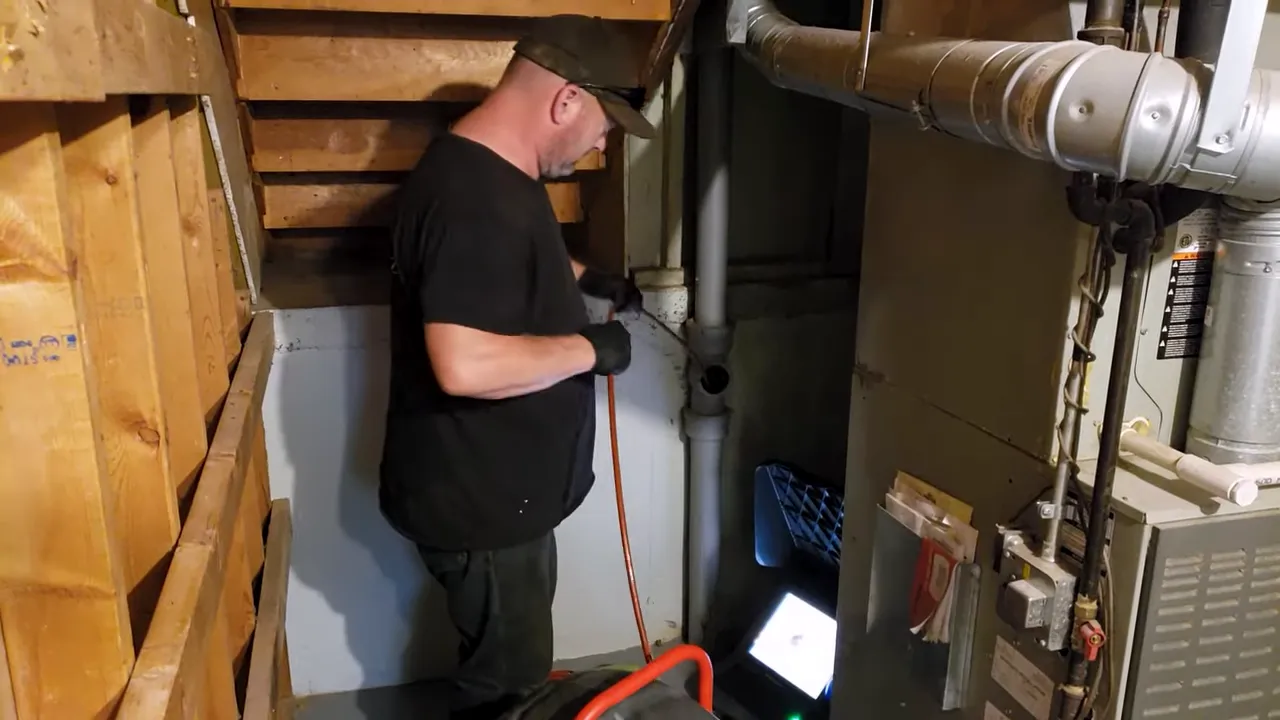
For many older Omaha neighborhoods, the sewer line is one of the highest risk “unknowns.” A sewer scope inspection can uncover problems long before we move in.
When we should strongly consider a sewer scope:
- The home was built before 1990
- The area has mature hardwood trees
- The main plumbing stack is cast iron
- There is a rubber drain out plug on the main stack, which suggests a plumber accessed it previously
We should also check seller disclosure details. On the seller disclosure, page three often includes a question about whether the main sewer line has ever backed up or had slow drainage. If they answered “yes,” pay attention to the explanation and comments, but remember: the disclosure is only as accurate as the person filling it out.
Seller disclosure is a starting point, not a replacement for an inspection.
It is also worth noting that some properties do not require the seller disclosure statement, such as estate sales, new construction, or bank-owned properties. In those cases, we should rely even more on inspections.
One reason sewer lines are tricky in older homes: the line may not go directly to the street. In some older setups, it connected to a neighbor sewer line before reaching the street. Tree roots can find those old joints and gaps and follow the line searching for water.
Replacing a main sewer line is expensive, and the cost can include the portion from our home to where it connects to the public line in the center of the street. A sewer scope typically costs around $275. That can be one of the best “money spent for certainty” decisions we make.
5. Water Intrusion And Basement Red Flags
Water is the enemy that keeps coming back if we miss it. The best part is that water issues often leave clues.
Here are common basement red flags we should not ignore:
- Musty odors. If we smell dampness, we treat it seriously.
- The home smells too “nice”. Heavy air freshener smell can be an attempt to mask basement odor.
- Paint where it normally should not be. For example, paint on a basement block wall can be a cover-up.
- Corrugated tubing connected to gutter down spouts. If water is being diverted away from the foundation in a temporary or unusual way, that matters.
- Mold on walls
- Evidence of removed drywall, like about a foot of drywall at the bottom of a wall
The “holy trinity” to evaluate for a dry basement is:
- gutters
- down spouts
- grading
We want the ground to slope away from the home. If we see clogged gutters, or even small plants growing out of gutters, we take it seriously. It can be a sign that water is not being managed properly.
When in doubt, we should bring in a professional basement waterproofing company. Paying for an evaluation can be cheaper than dealing with ongoing water intrusion after closing.
6. Neighborhood Surprises Noise Smells And Lead
In many ways, we are buying the neighborhood first and the house second. That means we need to look beyond curb appeal.
Neighborhood red flags we should pay attention to:
- How well are nearby homes maintained
- Is the area clean and cared for, or do we see neglect
- Noise levels that affect daily life
- Unusual smells at certain times of day
For example, there can be strong odors related to industrial operations near certain corridors. If we are moving to Omaha, Nebraska, we should check the neighborhood at different times, not just when the showing happens.
Another major issue to research is lead risk. Omaha has areas tied to historical lead smelting, and lead contamination can affect older neighborhoods.
We can check whether a property is in a lead zone by using:
- Omaha Lead Registry at omaha.org
It is also smart to remember that lead risk is not always obvious. When we were younger, pediatric visits used to often ask about zip code because it correlated with lead exposure risk.
One more neighborhood tool to consider is the Nebraska Sex Offender Registry. It is not a conversation we want to have, but it is better to know before we buy.

7. A Home That Has Sat on the Market Too Long
If a home has been sitting on the market for a long time, buyers often get nervous for a reason. We should treat “stale listings” as a clue, not a bargain.
There is also a pricing story that repeats. Homes that are priced right from the start tend to move better. When price cuts pile up or the listing “goes nowhere,” it can mean the home has issues that are scaring people away.
We should also be careful with sellers who refuse inspections or try to restrict them too much.
8. Seller Won't Allow an Inspection or "As-Is" Sale
- The home is marketed as-is and the seller refuses inspection contingencies
- Seller tries to tighten the inspection timeline unreasonably
- The seller only allows certain inspections but blocks others
Important clarification: “sold as-is” does not automatically mean we cannot write an inspection contingency. We can always ask. The seller can say no, but the point is that refusal to allow inspections is a major risk signal.
Some sellers prefer letting us do a whole house inspection but not a sewer scope. Our priority is to keep options open, especially when the risk area is a known high-cost item like sewer lines.
9. Windows Heating AC And Maintenance Costs
Even when a home has no “disaster” red flags, it can still be expensive to own. We need to think about the systems that will eventually need replacement.
Key items to evaluate:
- Windows: look at age and condition
- Furnace: age, maintenance history, and how it performs
- AC unit: age and cooling performance
If these systems are older, we should budget for replacement sooner than we want. Buyers sometimes underestimate how quickly maintenance costs add up. Owning is not just about the mortgage payment. It is about repairs, replacements, and routine upkeep.
A helpful mental model is this: when we rent, the maximum predictable housing payment is often our rent. When we buy, the mortgage payment is the baseline, but the real cost can rise when systems need work. Planning for that makes moving to Omaha, Nebraska easier long term.
10. HOA Fees And Condo Regime Financing Eligibility
If we are buying a condo, one of the biggest red flags is overlooked because it feels “administrative.” It can still impact our monthly costs and our ability to finance the purchase.
Pay close attention to:
- HOA fees and what they cover
- Whether the condo regime is eligible for FHA or VA financing
If the condo regime is not eligible for FHA or VA, it can be a major signal that the bank is not willing to lend due to financial stability or other issues in the condo association. We should carefully review the financials of the condo association before committing.
Some markets have experienced major condo issues after big assessments. Even if the situation does not match Omaha specifically, it is still a reminder: condo association health matters.
Quick Action Checklist Before You Sign
Here is a simple checklist we can use to stay proactive while buying, especially when moving to Omaha, Nebraska:
- Foundation: schedule an inspection if we see cracking, uneven floors, or sticking doors
- Roof: confirm age, insurability, and whether coverage could become ACV based
- Permits: check for unpermitted work, especially on remodeled homes and flips
- Buyer broker agreement: negotiate term length and compensation before touring
- Sewer scope: strongly consider it for older homes and cast iron setups
- Basement water: smell for dampness, check for paint cover-ups, and evaluate grading
- Neighborhood research: check noise, smells, lead zone risk, and other local concerns
- Inspection boundaries: do not accept restrictions that block our highest risk inspections
- Systems: check windows, furnace, and AC age so we budget realistically
- Condo HOA: verify fees and financing eligibility and review association financials
Want help spotting these red flags before you sign?
Call/Text us at (402) 490-6771 to talk through your Omaha home search.
FAQs About Moving Omaha, NE
How quickly should we schedule inspections after our contract is accepted
We should schedule early and act within the inspection window. If we suspect a foundation issue, the best move is often to schedule that inspection first so we get answers fast and do not waste time.
Does “sold as-is” mean we cannot do an inspection contingency
No. We can still write an offer with an inspection contingency. The seller may refuse, but the refusal itself is a major red flag because it limits our ability to confirm risk.
What is a sewer scope inspection and why does it matter
A sewer scope inspection uses a camera to inspect the main sewer line. It matters most for older homes, older neighborhoods with tree roots, and setups with cast iron plumbing where failures can become expensive.
How do we check whether roof coverage will be replacement or ACV
We contact our local insurance provider right after contract acceptance and ask what coverage they will provide based on the roof age and inspection requirements. If coverage could be ACV, we need to know early so we can budget and decide confidently.
Are basement water red flags always visible
Not always. Odors, paint placed in unusual areas, and temporary water diversion materials can be clues even if visible water damage is not obvious. When in doubt, we should bring in professionals.
What should we do if we think a house might be a flip
Start with the seller disclosure and look for indicators like short ownership and no occupancy. Then verify permits using public permit tools and look for inspection stickers such as in the breaker panel.
What is the biggest non-house red flag during the buying process
The buyer broker agreement. We should negotiate and carefully review the length of the contract and compensation terms. Do not sign a long agreement unless we truly want that commitment.
Final Thought
Moving to Omaha, Nebraska is easier when we approach home buying like risk management, not luck. We cannot remove every uncertainty, but we can catch the red flags early. If we do foundation checks, verify roof insurability, confirm permits, keep sewer and basement risks on the list, and research the neighborhood, we drastically improve our odds of making a smart decision.
The best time to find a problem is before we sign.