Every week, people move to the Omaha area, find a house that looks great online, and feel like they have found the one. The price looks right. The photos look great. The school district checks out. On paper, everything looks clean.
Then they close, move in, and find out there was a problem they could have caught before making the offer.
Sometimes it is an insurance issue. Sometimes it is a maintenance problem. Sometimes it is a hidden danger with no obvious warning signs at all. And these are not small misses. Some of them can cost $10,000, $15,000, or $20,000 plus.
The issue usually is not carelessness. It is that nobody told them what to look for in Omaha before they bought.
None of the six checks below automatically mean we should walk away from a house. That is important. These are not automatic deal killers. These are things we need to understand before we buy so we can make a smart decision with our eyes open.
Table of Contents
- 1. Foundation grading
- 2. Age of the roof
- 3. Property taxes
- 4. Age of the mechanicals
- 5. Radon levels
- 6. Main sewer line scope
- Final thoughts
- FAQ
1. Foundation grading
Before we even step through the front door of a house we are seriously considering, we should walk the outside perimeter first.
What we are looking for is positive grading. That means the soil slopes away from the foundation so water moves away from the house, not toward it.
This matters a lot in Omaha because we have a lot of clay soil. Clay expands when it gets wet and contracts when it dries. Over time, that cycle can put pressure on a foundation. Water management is not some minor cosmetic issue here. It is a house issue.
If it happens to be raining when we are at the property, even better. Rain tells the truth. We can see where water collects, whether gutters are overflowing, and whether downspouts are actually pushing water away from the home.
When we check the yard and exterior, pay attention to:
- Whether the ground slopes away from the house
- Low spots next to the foundation
- Downspouts that dump too close to the home
- Gutters that look undersized, loose, or poorly maintained
Then, once inside, especially in the basement, look for clues that moisture has already been there:
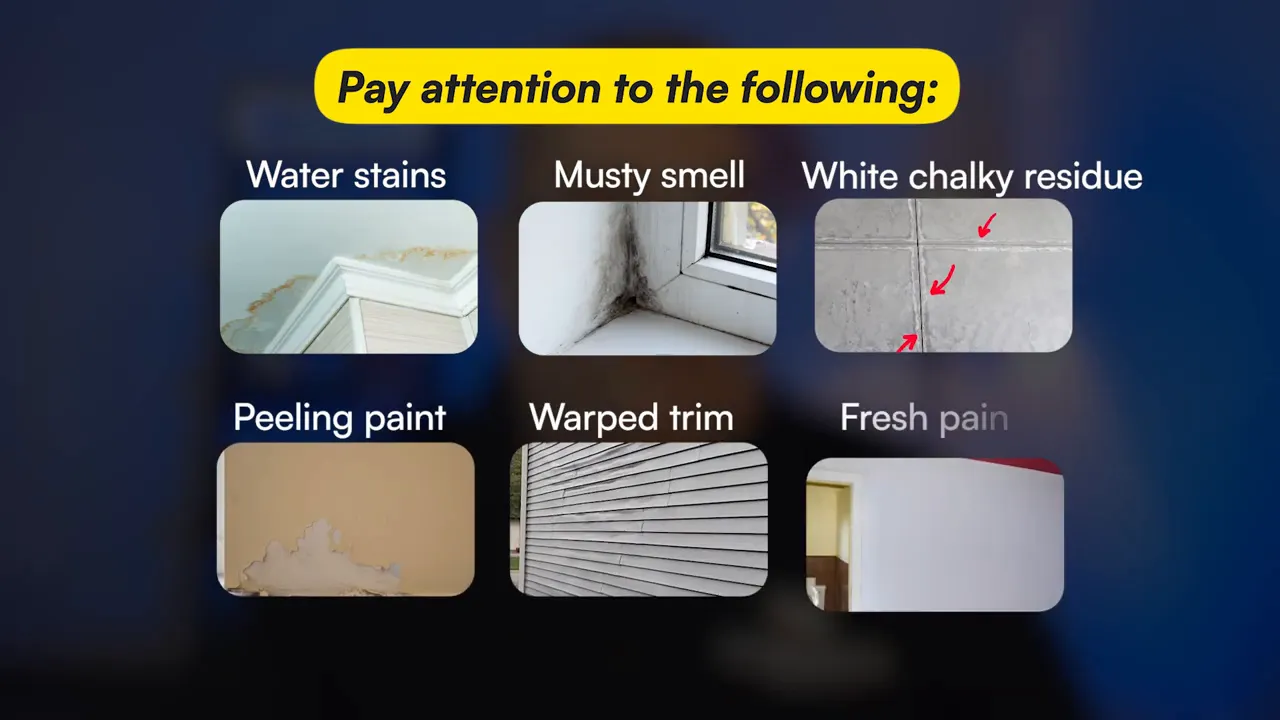
- Water stains
- Musty smells
- White chalky residue on walls
- Peeling paint
- Warped trim
- Fresh paint that looks suspiciously strategic
Some grading issues are minor landscaping fixes that might cost a few hundred dollars. Others point to drainage correction, waterproofing, or foundation moisture work that can run into the thousands. That is a huge difference, and we want to know which one we are dealing with before we commit.
2. Age of the roof
This is one buyers brush off all the time.
A home goes under contract, the inspection comes back, and somewhere in the report is language like, “Roof appears near the end of its useful life. Further evaluation recommended.” Too many people read that and think, “We will deal with it later.”
That can turn into a very expensive later.
In Omaha, a standard asphalt shingle roof replacement can easily cost $10,000 to $20,000, depending on the size of the home, roof pitch, and materials.
But the replacement price is only half the story. The bigger issue for a lot of buyers is insurance.
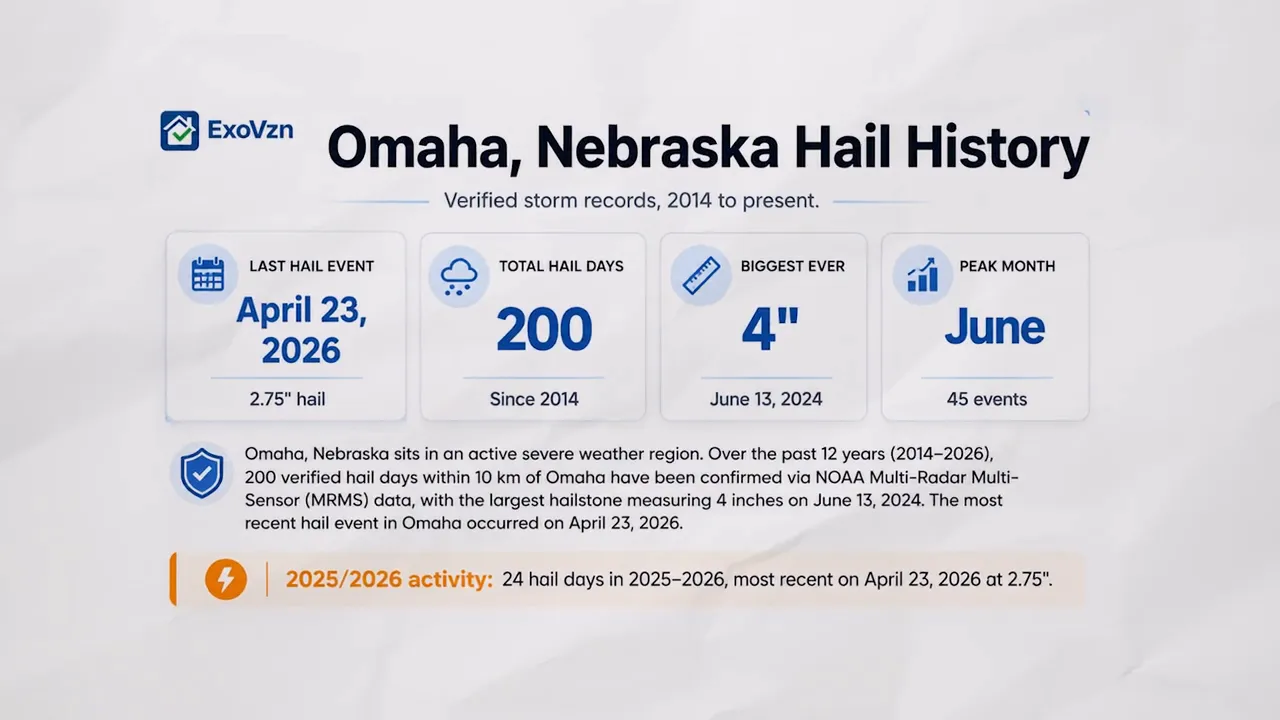
Omaha gets hail. Plenty of it. A roof might look acceptable today and still create insurance problems tomorrow. Insurance carriers pay attention to roof age and condition. On older roofs, some companies may not offer the same coverage they would on a newer roof.
That is where we need to understand the difference between replacement cost and actual cash value.
Replacement cost generally means the policy pays to replace the roof subject to deductible and policy terms. Actual cash value means depreciation is factored in, which can reduce the payout quite a bit. That difference matters if hail damages the roof after we move in.
Then there is the deductible issue that catches buyers off guard. A lot of people assume their deductible is a flat amount like $1,500. But many policies have a separate wind and hail deductible, often 1 to 2 percent of the dwelling coverage amount.
On a $400,000 home, that could mean $4,000 to $8,000 out of pocket before insurance pays on a covered hail claim. That changes the budget fast.
Before making an offer, we want answers to three questions:
- How old is the roof?
- What condition is it in?
- What will the insurance policy actually cover?
If the seller disclosure says the roof age is unknown, do not just skim past it. If the roof is newer, ask what type of shingles were installed. In Omaha, impact resistant shingles may help with insurability and may even qualify for a discount depending on the carrier.
3. Property taxes
This one catches a lot of out of state buyers by surprise.
Nebraska property taxes are high compared to many other states. The effective property tax rate mentioned here is roughly 1.44 percent, which is meaningfully above the national average.

That matters because a house payment is not just principal and interest. If we are relocating from a lower tax state and we estimate instead of verify, we can end up approving ourselves for a payment that does not feel anything like we expected.
A $400,000 home in one part of the metro may carry a different tax bill than a $400,000 home somewhere else. Why? Because taxes depend on things like:
- Mill levy
- School district
- City
- County
- Whether the property is in a SID
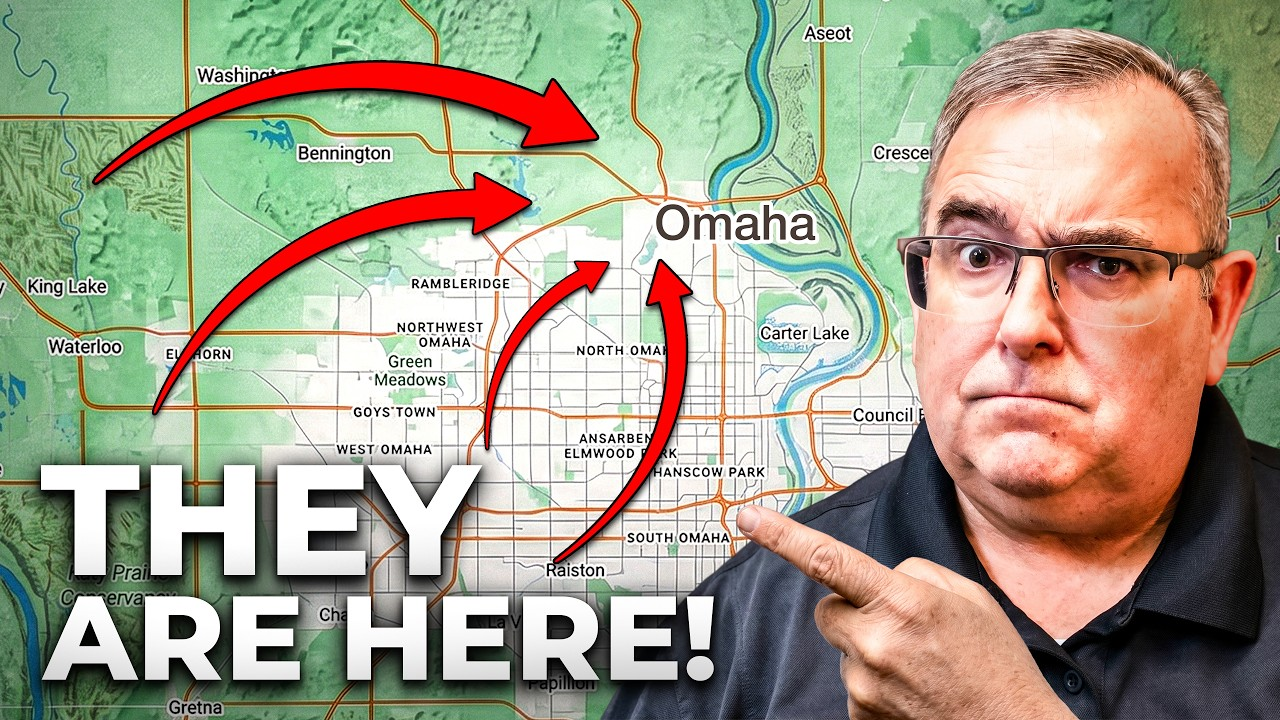
A SID, or sanitary improvement district, often shows up in newer neighborhoods and growth areas such as Gretna, Papillion, Elkhorn, Bennington, and similar parts of the Omaha metro. A SID helps finance infrastructure like roads, sewers, and other public improvements.
Then there is the mill levy, which is one of the key drivers behind how much property tax we pay.
And here is the part buyers really need to understand. The current tax bill may not reflect what the future tax bill will be.
This comes up a lot with:
- New construction
- Remodeled homes
- Properties where assessed value may change after the sale
Nebraska property taxes are paid in arrears, so the bill being paid now is based on the prior tax year. If a newer home is not fully assessed yet, the tax number we see may be artificially low for budgeting purposes.

We should ask the lender directly, “What property tax amount are you using for my estimated monthly payment?” Not a guess. Not a rough estimate. The actual number they are using.
And we should plan for taxes to rise over time, especially in growing parts of the metro where values continue to change.
4. Age of the mechanicals
A house can be affordable to buy and expensive to own. That is a line more buyers need to remember.
A lot of people focus so hard on the down payment, closing costs, interest rate, and monthly payment that they forget the house itself is a machine. Machines wear out.
Before buying, we need to look closely at the age and condition of the major systems:
- Furnace
- Air conditioner
- Water heater
These are not cosmetic items. These are systems that make the house function. And when they fail, they rarely do it at a convenient time.
During the inspection period, ask the inspector to identify the approximate age and condition of each system. If one or more are near the end of their useful life, do not ignore that just because the house itself looks nice.
The simple rule is this: do not spend every dollar just to get into the house. Leave room in the budget for maintenance and replacement.
5. Radon levels
Radon is one of those issues many people have heard of, but not everyone takes seriously enough.
Radon is a naturally occurring radioactive gas that forms from the breakdown of uranium in rock and soil. We cannot see it, smell it, or taste it.
It can enter a home through cracks in the foundation, slab penetrations, sump pits, and utility entry points. Omaha and eastern Nebraska have a lot of basements, which matters because radon tends to collect at the lowest level of the home.
Long term exposure to elevated radon levels is the second leading cause of lung cancer in the United States after smoking, according to the EPA information referenced here.
A beautiful house can still have elevated radon. There is no way to know by looking around. The only way to know is to test.
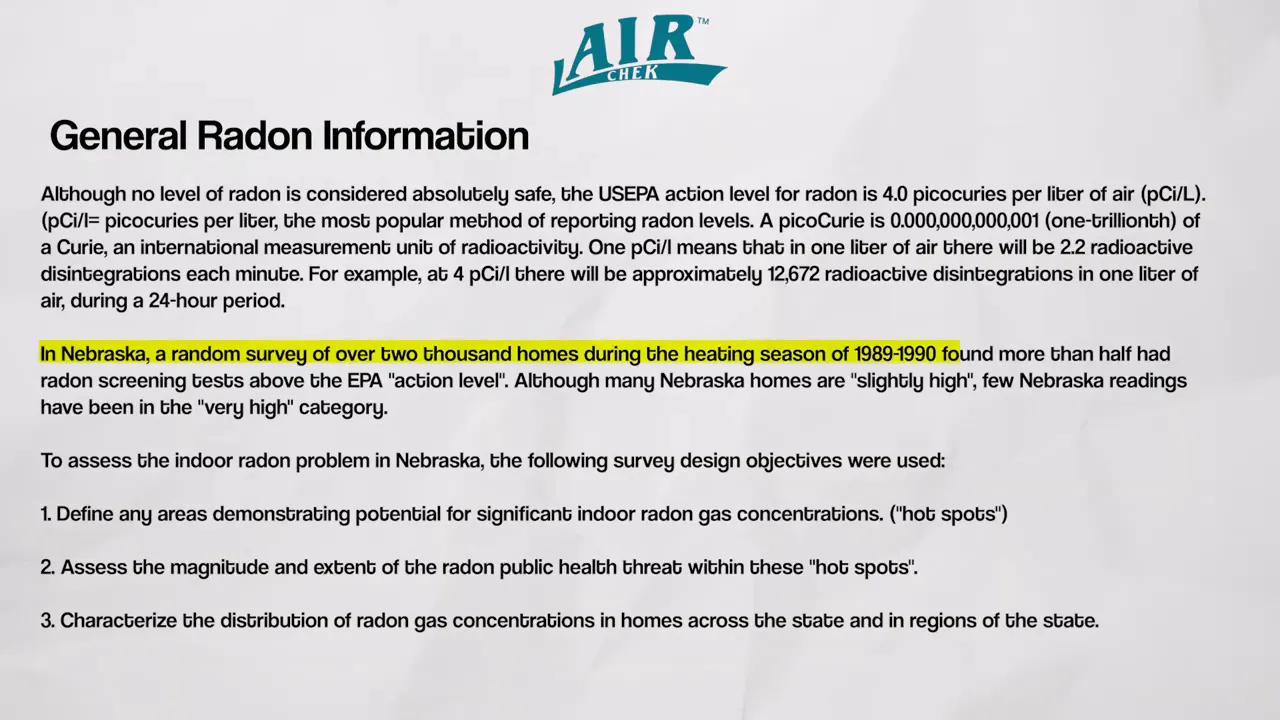
In Nebraska, a meaningful percentage of homes test at or above the USEPA action level of 4.0 pCi/L.
A radon test usually costs around $150 to $200.
If the result comes back at or above 4.0 pCi/L, a radon mitigation system may cost roughly $1,200 to $2,500, depending on the home.
In the Omaha market, it is common to negotiate radon mitigation during the inspection response. The key is timing. We want the test done during the inspection period and the results back before the inspection deadline.
If we are buying in eastern Nebraska, this is not a test to skip.
6. Main sewer line scope
If there is one check that has cost buyers more money than almost anything else, it is this one.
Have the main sewer line scoped.
A sewer scope is when a licensed plumber runs a small camera through the main sewer line from the house to the city connection. It usually costs about $150 to $300 and takes around an hour.
Why is this such a big deal in Omaha?
Because many older homes here were built with clay or tile sewer lines, especially in neighborhoods with homes built before 1970 or 1980. Over time, those lines can crack. Then tree roots find the cracks and grow into the pipe.
That can lead to partial blockages, complete blockages, or collapsed sections of pipe. And the repair bill is not small. Main sewer line repair or replacement in Omaha can range from about $5,000 on the low end to $20,000 or more on a full replacement.
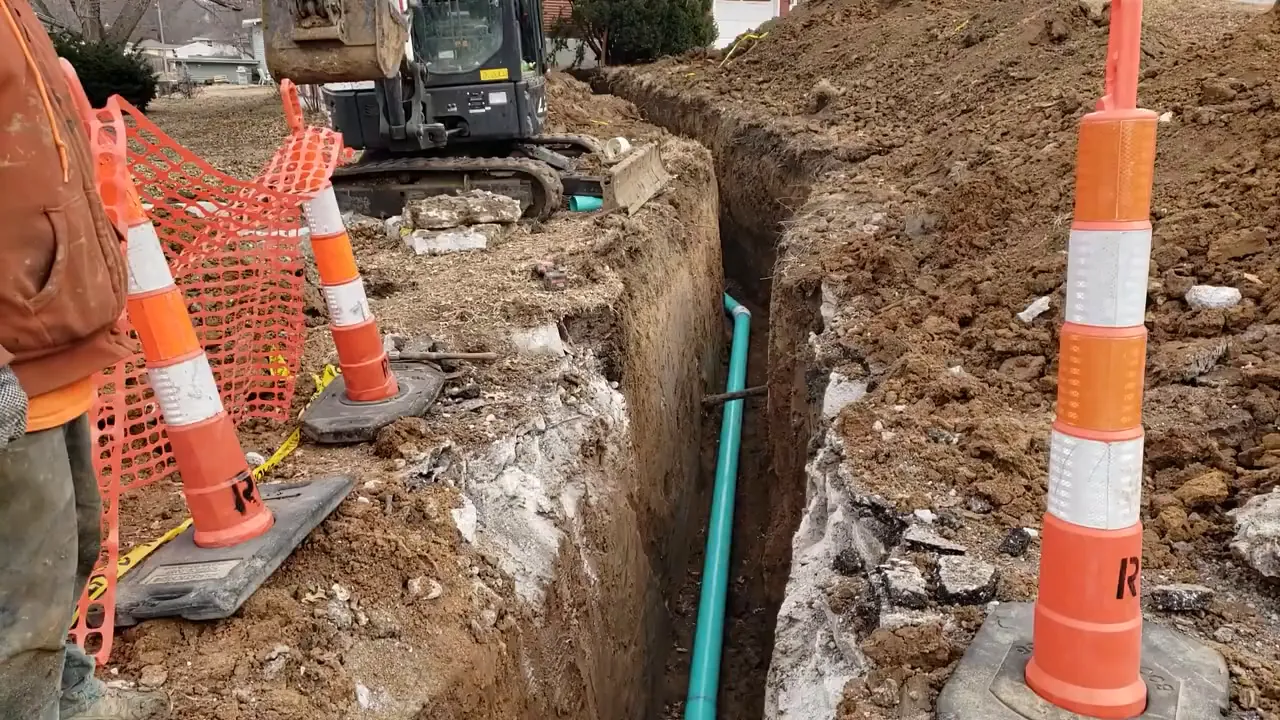
Omaha has a lot of mature trees. In many established neighborhoods, those root systems have been growing for decades. That is exactly why this issue comes up so often.
And here is the part buyers miss all the time. A standard home inspection does not scope the sewer line.
A general home inspector looks at what is visible and accessible, things like drains, water pressure, fixtures, and other components. That is not the same thing as sending a camera down the main line.
For a sewer scope, we need to schedule a licensed plumber during the inspection period.
This is relevant on any Omaha home we are seriously considering, but especially older homes. If we skip it and discover root intrusion or a collapsed line after closing, we may be writing a large check with no leverage left and no real recourse.
Final thoughts
Buying a house in Omaha is not just about finding a floor plan we like or a payment we can qualify for. It is about understanding how Omaha specific issues can affect the house after closing.
These six checks can save a lot of money and a lot of stress:
- Foundation grading
- Age of the roof
- Property taxes
- Age of the mechanicals
- Radon levels
- Main sewer line scope
The buyers who miss expensive problems are usually not bad buyers. They are just buyers without a system. The ones who catch problems early are the ones who know what to check before they make the offer.
That is the whole point here. Not fear. Not overreaction. Just better information before we commit.
FAQ
Does a problem with one of these items mean we should not buy the house?
No. These checks are not automatic deal breakers. They are issues we need to understand before buying so we can budget properly, negotiate if needed, and decide whether the house still makes sense.
Why is foundation grading such a big deal in Omaha?
Omaha has a lot of clay soil, and clay expands when wet and contracts when dry. Poor drainage can increase pressure on the foundation and lead to water intrusion or moisture problems over time.
Why does roof age matter so much here?
Because Omaha gets hail, and insurance carriers pay attention to roof age and condition. An older roof may affect coverage, payout type, or deductible exposure on wind and hail claims.
What is a SID in Omaha real estate?
SID stands for sanitary improvement district. It is commonly found in newer developments and helps fund infrastructure like roads, sewers, and other public improvements. It can affect the property tax bill.
Is a regular home inspection enough to check the sewer line?
No. A standard home inspection typically looks at visible and accessible components. A sewer line scope requires a licensed plumber using a camera to inspect the main line.
Should we test every house for radon in eastern Nebraska?
Yes, that is the smart move. Radon cannot be seen, smelled, or tasted, and the only way to know the level is to test during the inspection period.