People often ask why anyone would consider moving to Omaha until they spend some time here. Omaha may not be the city that immediately jumps off the page during a relocation search, but it makes a lot of sense for the right person. It offers a manageable metro, strong employers, practical housing choices, good healthcare, plenty to do, and a lot more neighborhood variety than outsiders expect.
The real question is not simply whether moving to Omaha is a good idea. It is which part of the metro fits your budget, commute, lifestyle, and long-term plans.
1. Housing Still Gives Buyers Options
Affordability is one of the biggest reasons people consider moving to Omaha. That does not mean every home is cheap. Omaha is not immune to higher prices, competition, or changing market conditions. Compared with many larger metros, though, buyers generally have more practical choices to work with.
A NerdWallet comparison used here placed the median price for a three-bedroom, two-bath home at roughly $1.1 million in Seattle, compared with about $383,000 in Omaha. Prices and market conditions change, but that gap illustrates why Omaha can feel more attainable for buyers coming from expensive markets.
There is also a broad range of housing styles. We can look at a downtown condo, an older historic home in Dundee or Happy Hollow, a first home in a more affordable part of the metro, or newer construction in Elkhorn, Bennington, Gretna, Papillion, and West Omaha.
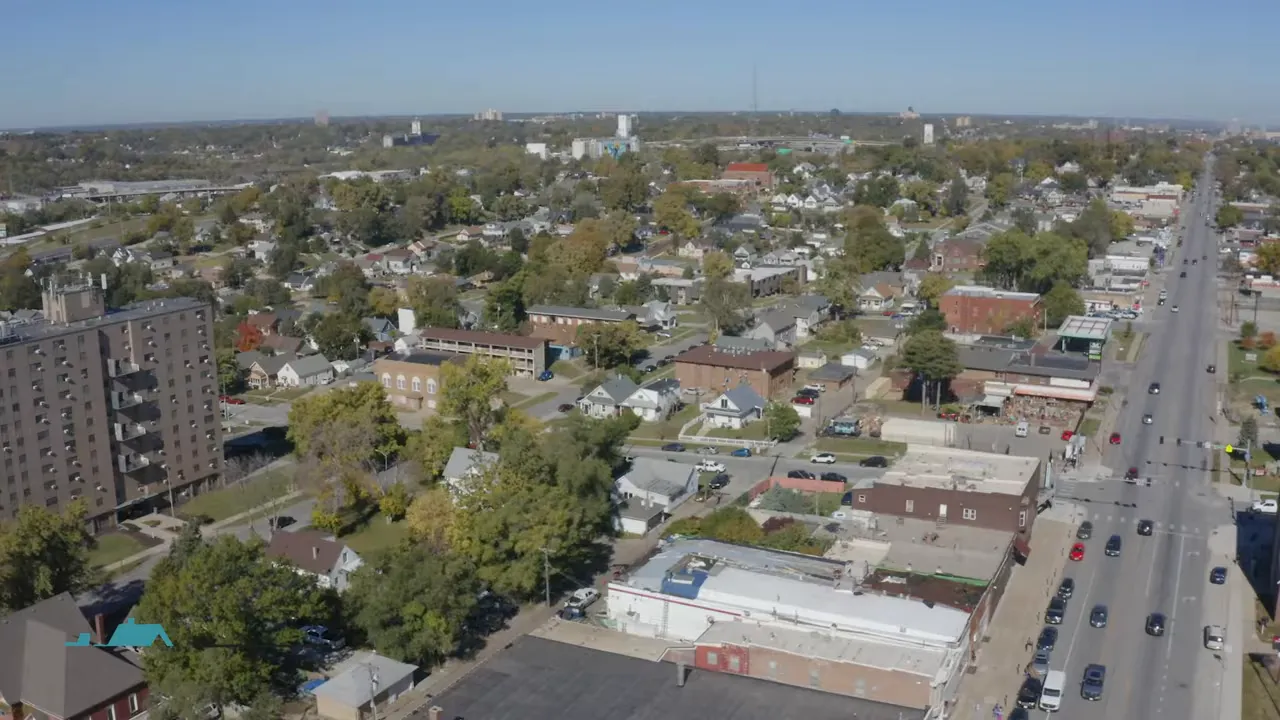
That variety matters when moving to Omaha because the goal is not just finding a house. It is finding the right tradeoff between price, home style, location, and daily convenience.
2. Most Commutes Are Manageable
One of Omaha's better quality-of-life advantages is not spending half the day in traffic. Data USA reports an average commute of about 19.6 minutes, below the national average. Of course, the actual drive depends heavily on where we live and where we work.
For example, a move to Papillion can put Offutt Air Force Base within about 20 minutes or less, depending on the starting point. On the other hand, a newer home in Elkhorn may be appealing for someone working near Nebraska Medicine in Midtown, but that drive can run 20 to 35 minutes each way, and longer when traffic or construction gets involved.
Omaha is growing. Traffic has picked up and construction can absolutely slow things down. But for many people moving to Omaha from a larger city, getting around still feels relatively easy.
3. A Diverse Job Base and Better Food Than Expected
Omaha is not dependent on a single industry. Major employment sectors include healthcare, education, finance, insurance, transportation, construction, defense, agriculture, and technology. Major corporate names include Berkshire Hathaway, Union Pacific, Kiewit Corporation, and Mutual of Omaha.
That diversity is important for anyone moving to Omaha for work. Multiple major sectors help create stability, while medical and education institutions bring in professionals and students from across the region.
4. Better Food Than Expected
The food scene is another pleasant surprise. Blackstone has a modern restaurant and nightlife feel. Benson brings local bars, music, breweries, and independent restaurants. Dundee has the classic neighborhood main street with coffee shops and longtime local staples. Aksarben offers a polished, mixed-use environment with restaurants, events, and walkability. Little Bohemia has added newer restaurants and bars with plenty of local character.
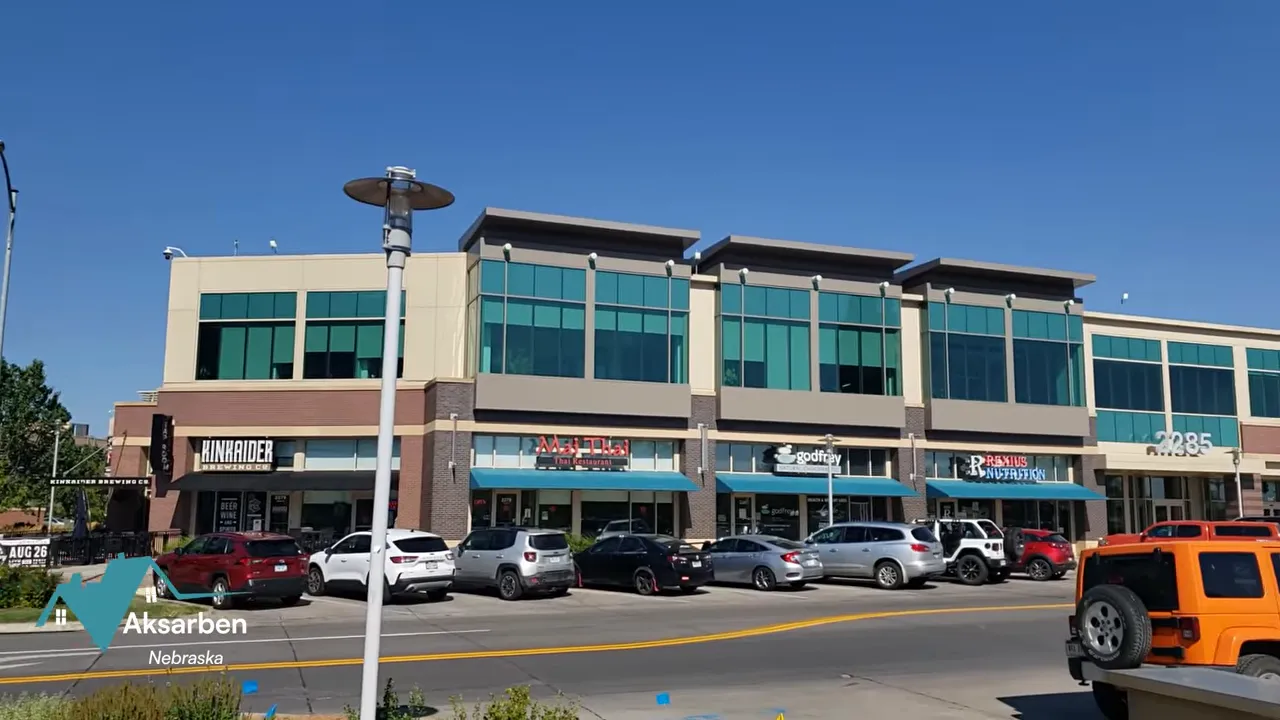
The Old Market, Midtown, and West Omaha each add their own dining options, so moving to Omaha does not mean settling for one type of weekend experience.
5. There Is Plenty to Do on the Weekends
The Henry Doorly Zoo is a legitimate national attraction, with major exhibits including the Desert Dome, Lied Jungle, Aquarium, African Grasslands, and Kingdom of the Night. It is one of those amenities that makes a real difference for families considering moving to Omaha.
Beyond the zoo, Omaha offers the Children's Museum, Durham Museum, Kiewit Luminarium, Werner Park and Storm Chasers baseball, the College World Series, the riverfront, and concerts at Steelhouse Omaha. There are also smaller local events throughout the metro. The family attractions and entertainment choices are stronger than many people expect before moving to Omaha.

6. Practical Outdoor Space for Everyday Life
Omaha is not Colorado, and we should be honest about that. What Omaha does offer is useful outdoor space that fits into everyday life. Lake Cunningham, Standing Bear Lake, Chalco Hills Recreation Area, Wehrspann Lake, Flanagan Lake, Walnut Creek, and Fontenelle Forest provide places to walk, bike, fish, kayak, take the dog out, or simply get outside after work.
Downtown has become much more usable as well. The riverfront, Gene Leahy Mall, Heartland of America Park, and Missouri River trail connections create more opportunities to spend time outside without leaving the city. For many people moving to Omaha, that practical access is more valuable than dramatic scenery that is hours away.
7. Strong Medical and Education Anchors
Healthcare and education are a major part of Omaha's foundation. UNMC, Nebraska Medicine, Methodist, CHI Health, Children's Hospital, Creighton University, Bellevue University, and Metropolitan Community College are not just names on a list. They provide care, create jobs, attract students and professionals, and contribute to long-term metro stability.

This is especially relevant when moving to Omaha for a healthcare career, a university opportunity, or access to established medical care.
8. Omaha Is Centrally Positioned
Omaha's location is easy to overlook, but it is a real advantage. Lincoln, Kansas City, Des Moines, Sioux Falls, Minneapolis, Chicago, Denver, and St. Louis are all within driving distance. That gives us options for work trips, visits, events, and regional travel.
For people moving to Omaha who want a home base in the middle of the country, that central placement can be very practical.
9. Different Versions of Omaha Fit Different Lifestyles
Neighborhood variety may be one of the most underrated reasons for moving to Omaha. If we want mature trees, character, and established homes, areas such as Dundee, Field Club, Benson, Morton Meadows, Country Club, and the Aksarben Elmwood Park area are worth comparing.
For a more urban feel, downtown, the Old Market, Midtown, Blackstone, Little Bohemia, and Aksarben offer closer access to restaurants, nightlife, employers, events, and walkability. For newer construction, more space, larger lots, or different school districts, compare Elkhorn, Bennington, Gretna, Papillion, Bellevue, La Vista, and West Omaha.
10. The Right Omaha Area Requires Homework
Here is the honest answer to whether Omaha is a good place to live: it depends on which version of Omaha we are talking about. Moving to Omaha requires more than picking a city name on a map.
Different areas can mean different school districts, property taxes, city assessments, commute patterns, home ages, and resale demand. Before deciding, compare these factors directly:
- Budget: Include the purchase price along with taxes and assessments.
- Commute: Test the drive to work, school, and regular destinations.
- Lifestyle: Decide whether walkability, nightlife, yard space, or newer construction matters most.
- Long-term plans: Consider home size, resale appeal, and how long the location will fit.
That is the key to moving to Omaha successfully. The metro offers strong job anchors, medical care, restaurants, parks, family attractions, and housing choices. The best outcome comes from matching the area to our actual priorities rather than assuming every part of Omaha works the same way.
If you’re thinking about moving to Omaha and want help narrowing down the right neighborhood, budget, and commute for your lifestyle, don’t guess—get expert guidance. Call or text 402-490-6771 to reach my team, or schedule a quick consultation.
Frequently Asked Questions About Moving to Omaha
Is Omaha affordable compared with larger metro areas?
Omaha is not cheap across the board, but it generally offers more practical housing options than many large metro areas. Buyers can choose among downtown condos, historic neighborhoods, more affordable areas, and newer suburban subdivisions.
How long is the average commute in Omaha?
Data USA reports an average commute of about 19.6 minutes. Actual travel time depends on the neighborhood, employer location, traffic, and construction.
What are good areas to compare when moving to Omaha?
For historic and established neighborhoods, compare Dundee, Field Club, Benson, Morton Meadows, Country Club, and Aksarben Elmwood Park. For newer construction and more suburban options, compare Elkhorn, Bennington, Gretna, Papillion, Bellevue, La Vista, and West Omaha.
What makes Omaha a practical place for families and professionals?
Omaha combines major employers, medical and education institutions, family attractions, parks, trails, restaurants, and a manageable metro layout. Those everyday factors are why moving to Omaha works well for many different lifestyles.