

The Pros and Cons of Living in Omaha, Nebraska

David Matney • September 21, 2020

Omaha doesn't show up on most people's bucket lists. It's not a place you stumble into by accident or visit on a whim. But if you're considering a move here, whether for a job, family, or just a change of pace, you're probably wondering what life actually looks like in Nebraska's largest city. I'm David Matney, a local realtor who's lived and worked here for years, and I've helped hundreds of people relocate to Omaha. So let me give it to you straight: the good, the bad, and the pothole-filled.

Omaha is affordable. You can buy a solid 3-bedroom, 2-bath home with a 2-car garage for around $200,000, and the cost of living sits about 8% below the national average. The job market is strong, the people are genuinely friendly, and you can get anywhere in the metro in about 20 to 30 minutes. We've got a world-class zoo, local schools, and a downtown Old Market district that punches above its weight. But we also have high property taxes, no professional sports teams, weather that swings wildly, and roads that can feel like an obstacle course every spring.

In this article, I'll walk you through the top five pros and the top five cons of living in Omaha. If you're thinking about making the move, you deserve to know what you're getting into, not a sales pitch, but the real deal.

Table of Contents

The Pros of Living in Omaha

Let's start with what Omaha does well, because there's a lot to like here if you're looking for stability, affordability, and a place where people still wave when you let them merge.

A Stable and Diverse Economy with Exceptionally Low Unemployment

If you cannot find a job in Omaha, it's because you don't want one. I mean that. The unemployment rate here is exceptionally low, and the economy is both stable and diverse. We're not a one-industry town. Top industries include healthcare, education, tech, insurance, and agriculture. That mix means when one sector slows down, others keep the city moving.

ZipRecruiter rated Omaha the number one best city for college grads in 2018, and that's not just a feel-good stat. It reflects the reality that young professionals can land good-paying jobs here without the cutthroat competition you'd face in a coastal city. Whether you're in nursing, IT, finance, or ag tech, there's work here, and it pays decently.

Friendly People and Midwestern Hospitality

People from Omaha are friendly. I know that sounds like a cliché, but it's true. People are nice and polite for the most part. If you're driving, people will let you out of a parking lot or they'll let you merge, and they'll give you the friendly wave. It's easy to start a conversation, either about the weather or the Huskers. You don't have to work hard to make small talk here.

This isn't a city where everyone's in a rush or too cool to acknowledge a stranger. If you're moving from a place where people keep their heads down and their earbuds in, Omaha will feel refreshingly open.

A Great Place to Raise a Family

Omaha has been rated as one of the best places to raise a family, and we consistently rank among the leading states in the nation for percentage of high school graduates. In 2019, we were rated number 20 of the top 100 places to live by livability.com. We have some local schools, safe neighborhoods, and a community feel that's harder to find in bigger metros.

There are parks, trails, museums, and activities geared toward children. The Omaha Children's Museum, the zoo, and the Durham Museum are all excellent. You're not going to run out of weekend plans, and you're not going to feel like you're sacrificing quality of life by raising your children here.

Affordability: Cost of Living 8% Below the National Average

The cost of living in Omaha is 8% below the national average. Even though our property taxes are high, and I'll get to that in a minute, our home prices are affordable compared to other cities. You can buy a 3-bedroom, 2-bath, 2-car garage home for around $200,000. That same house would cost you $400,000 or more in Denver, $600,000 in Seattle, and forget about it in California.

If you're relocating from a high-cost market, your dollar goes further here. You can own a nice home, have a yard, and still have money left over for travel, savings, or whatever else matters to you.

Things to Do: World-Class Amenities in a Mid-Sized City

We have a world-renowned zoo. The Henry Doorly Zoo is consistently ranked among the best in the world, and it's a legitimate draw. We have the Old Market area, which is a historic district downtown with cobblestone streets, restaurants, galleries, and shops. There are plenty of trails for hiking. We have the Joslyn Art Museum, the Omaha Children's Museum, the Durham Museum, and the Strategic Air Museum. We have the Holland Performing Arts Center, the Orpheum Theater, and the Bob Carey Pedestrian Bridge.

We also have a lot of world-class restaurants. You're not stuck with chain dining here. There's a real food scene, and it's growing. So there's plenty to do in Omaha, Nebraska. You won't feel culturally starved.

The Cons of Living in Omaha

Now let's talk about the trade-offs, because no place is perfect, and Omaha has its quirks and frustrations.

The Weather: Continental Climate Means All Four Seasons (Sometimes in One Week)

If you speak to any Nebraskan for any length of time, two things will eventually make it into the conversation. Number one is the weather, and number two is the Huskers. We are in a continental climate, which means we have all four seasons. Sometimes we have all four seasons in one week.

Summers can be hot and humid. Winters can be cold and snowy. Spring brings tornadoes and thunderstorms. Fall is beautiful, but it's short. If you're moving from a place with mild, predictable weather, Omaha will be an adjustment. You need a real winter coat, and you need to be okay with checking the forecast every morning because it will change.

No Professional Sports Teams

Omaha does not have a professional sports team. If you are from Omaha, you either like the Vikings, the Chiefs, the Broncos, or the Packers. As far as college football, we have the Huskers, and it's almost a religion. In recent times, especially for anyone over the age of 30, it is very tough to be a Husker fan.

Interesting fact: Memorial Stadium is the third largest city in Nebraska on game day. That tells you how seriously people take college football here. But if you're a die-hard NFL or NBA fan who wants to go to games regularly, you're going to have to drive to Kansas City, Denver, or Minneapolis.

High Property Taxes

Our property taxes are high, period. Other than the College World Series and the Berkshire Hathaway annual meeting, people are not going out of their way to visit Omaha. We do not get a lot of revenue from tourists. We have higher property taxes, so with that, you'd think our roads would be in great condition, right? Wrong.

This is the biggest sticker shock for people relocating here. Your home might cost $200,000, but your annual property tax bill could be $4,000 or more depending on the neighborhood. That's higher than what you'd pay in many other states. It's something you need to factor into your budget.

Potholes and Road Conditions

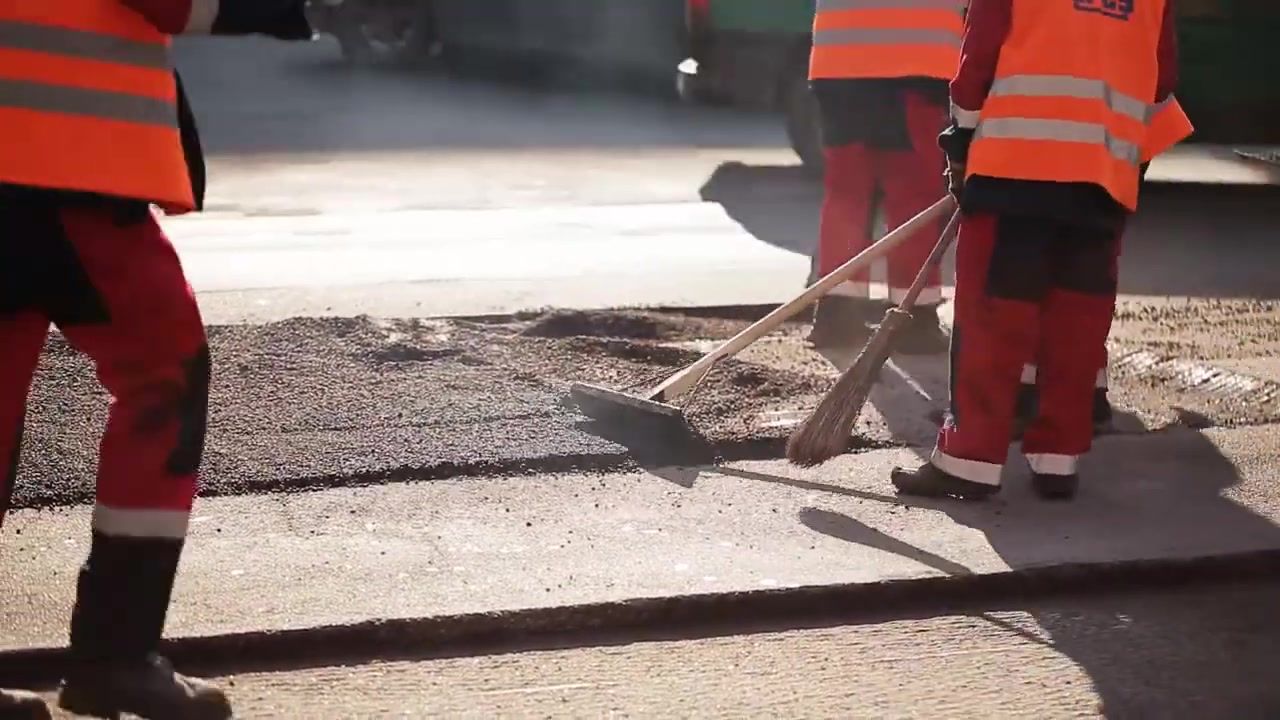
Thanks to our weather, this brings up con number four, which are potholes. Our roads can be rough, especially in early spring. Now here's a common topic of discussion in Omaha, and that's potholes. If you see someone swerving at 9 AM, it's not because they're drinking, it's because they're swerving and dodging a pothole.

Overall, the city does a fairly good job of making repairs considering the amount of potholes, but it's a never-ending battle. The freeze-thaw cycle tears up the pavement every winter, and by March, you're playing a game of Frogger on your morning commute.

No Public Transportation: You'll Need a Car

If you're in Omaha, you're going to need a car. There is no public transportation. Now the good news is you can go anywhere in about 20 minutes. I tend to drive a little bit slower, so for me it takes 30 minutes, but Omaha is a good, you can go anywhere in about 30 minutes.

If you're moving from a city with subways, light rail, or even decent bus service, this will be an adjustment. You can't walk or bike everywhere, and ride-sharing gets expensive fast. You need a reliable vehicle, and you need to budget for gas, insurance, and maintenance.

Is Omaha Right for You?

So how do you decide if Omaha is the right move? It comes down to what you value and what you're willing to trade off.

Choose Omaha if you want affordability without sacrificing quality of life. If you're tired of paying $2,500 a month for a one-bedroom apartment in a city where you can't afford to buy, Omaha will feel like a financial reset. You can own a home, build equity, and still have money left over.

Choose Omaha if you want a stable job market and a place to raise a family. The schools are solid, the neighborhoods are safe, and the community feel is real. You're not going to get lost in the crowd here.

Choose Omaha if you're okay with weather extremes and you don't need professional sports or big-city nightlife. If you can handle a real winter, if you're fine with college football as the main event, and if you're good with a mid-sized city vibe, you'll do well here.

Skip Omaha if you need public transportation, mild weather, or a major tourist destination. If you don't want to own a car, if you hate snow, or if you need constant cultural stimulation and big-city energy, Omaha might feel too small or too slow.

Final Thoughts: What to Expect When You Move to Omaha

Omaha is not flashy. It's not going to wow you with skyline views or celebrity sightings. But it's a solid, affordable, friendly place where you can build a life without the financial stress that comes with living in a high-cost city. The job market is strong, the people are genuinely nice, and you can get anywhere in 30 minutes or less.

Yes, the property taxes are high. Yes, the weather can be brutal. Yes, you'll need a car, and yes, you'll dodge potholes every spring. But if you're looking for stability, affordability, and a place where people still wave when you let them merge, Omaha delivers.

If you're thinking about relocating here, let's talk. I've helped hundreds of people make the move, and I can walk you through neighborhoods, schools, commute times, and what to expect in your price range. Call me at 402-490-6771, and we'll figure out if Omaha is the right fit for you.

FAQ: Living in Omaha, Nebraska

What is the cost of living in Omaha compared to other cities?

The cost of living in Omaha is about 8% below the national average. You can buy a 3-bedroom, 2-bath home with a 2-car garage for around $200,000, which is significantly less than what you'd pay in Denver, Seattle, or any coastal city. Property taxes are high, but home prices are affordable.

Does Omaha have good job opportunities?

Yes. Omaha has a stable and diverse economy with exceptionally low unemployment. Top industries include healthcare, education, tech, insurance, and agriculture. ZipRecruiter rated Omaha the number one best city for college grads in 2018, and there are plenty of good-paying jobs available.

What is the weather like in Omaha?

Omaha has a continental climate, which means all four seasons. Summers can be hot and humid, winters can be cold and snowy, and spring brings thunderstorms and tornadoes. Sometimes you'll experience all four seasons in one week. If you're moving from a place with mild weather, this will be an adjustment.

Do I need a car to live in Omaha?

Yes. There is no public transportation in Omaha, so you'll need a car. The good news is you can get anywhere in the metro in about 20 to 30 minutes. Traffic is not a major issue compared to larger cities.

What are property taxes like in Omaha?

Property taxes in Omaha are high. Because the city doesn't generate a lot of revenue from tourism, property taxes are a primary funding source. Your annual property tax bill on a $200,000 home could be $4,000 or more depending on the neighborhood. Factor this into your budget when you're considering a move.

What is there to do in Omaha?

Omaha has a world-renowned zoo, the Old Market district, the Joslyn Art Museum, the Omaha Children's Museum, the Durham Museum, the Strategic Air Museum, the Holland Performing Arts Center, the Orpheum Theater, and the Bob Carey Pedestrian Bridge. There are also plenty of hiking trails and world-class restaurants. The College World Series and the Berkshire Hathaway annual meeting are major events that draw visitors each year.

DAVID MATNEY

David Matney is a trusted Realtor® and local expert with over 20 years of experience in Omaha’s real estate market. 

OMAHA RELOCATION GUIDE

img

WATCH OMAHA VIDEOS

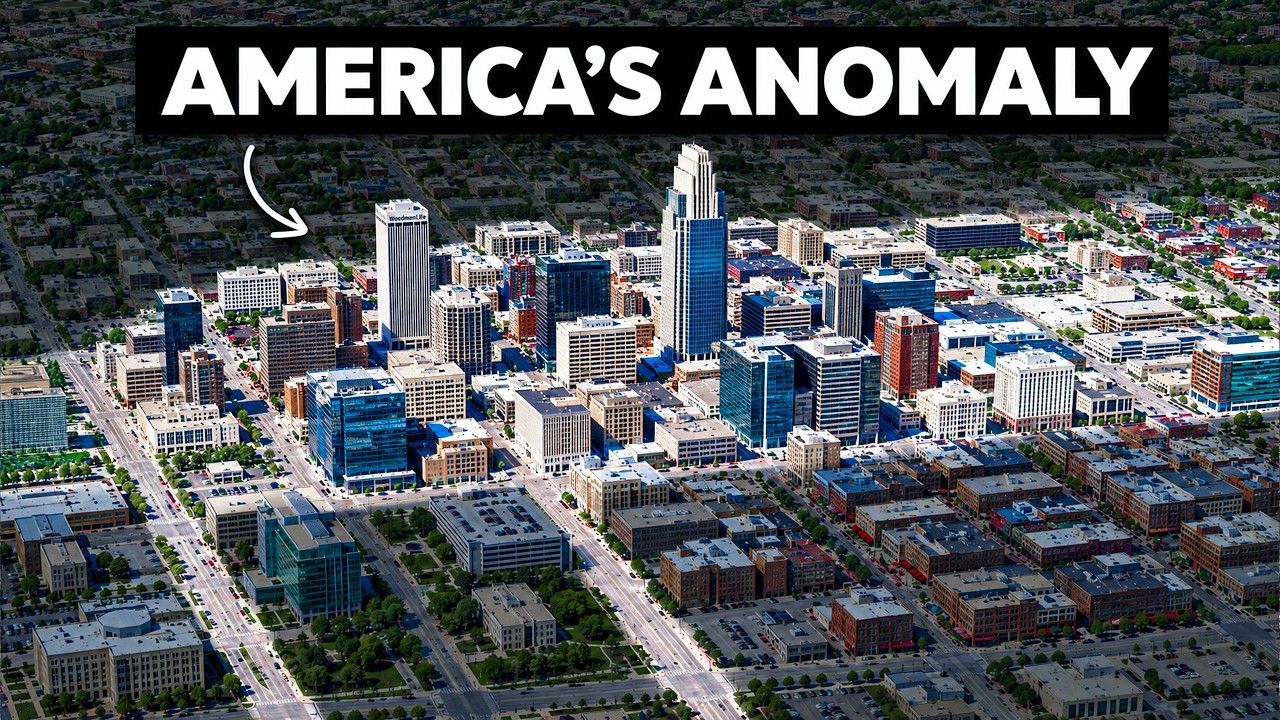
Aerial view of Omaha's downtown skyline with buildings and streets, labeled 'America's Anomaly'.
By David Matney • November 12, 2026
Omaha's history goes far beyond steaks and Berkshire Hathaway. Discover 10 ways this Nebraska city does the exact opposite of other U.S. cities.
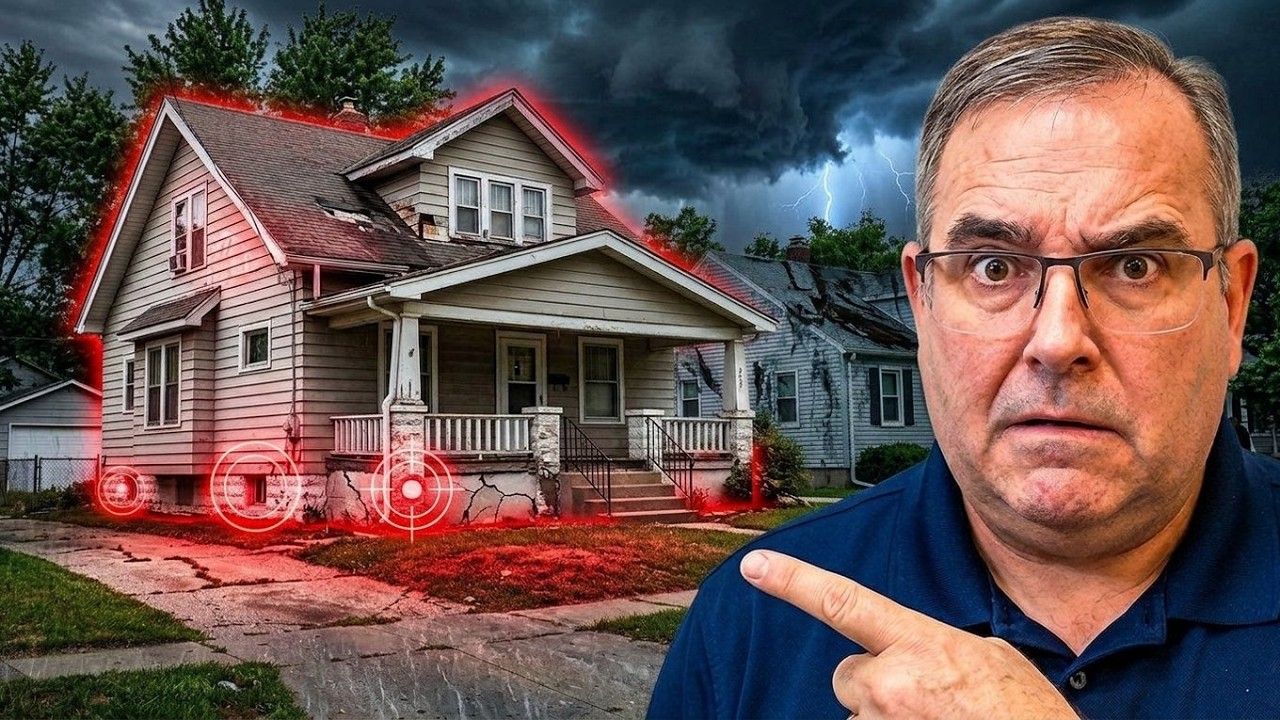
A man with glasses points at a house with a stormy sky, highlighting potential issues in a real estate video.
By David Matney • November 4, 2026
From roof age and insurance to school districts and property taxes, here are 10 critical things I would never overlook when buying a home in Omaha, Nebraska.
A man with glasses looks concerned, with a map of Nebraska and the text 'NEBRASKA COLLAPSE' in bold letters.
By David Matney • October 30, 2026
Home prices haven't crashed, but affordability is eroding. Learn how we got here, why rates haven't brought prices down, and what needs to happen next in Omaha.
A man with glasses looks shocked in front of a colorful graphic of Omaha's skyline and housing market trends.
By David Matney • October 22, 2026
Omaha housing market October 2026: inventory down 6.3%, sales down 11.7%, prices up 3.1%. What buyers and sellers need to know about Douglas and Sarpy County.
A frustrated woman points at an HOA violation sign in front of a house while a concerned man looks on.
By David Matney • October 21, 2026
Can an HOA foreclose on your home? Let's break down special assessments, rising fees, and the critical questions to ask before buying.
Aerial view comparing a barren landscape to a developed area with water features and buildings.
By David Matney • October 15, 2026
From Avenue One's 200-acre Main Street to Sarpy County's $110M expressway, explore 11 major Omaha developments reshaping West Omaha, Downtown, and beyond.

The Advantages of Buying in 2026: Less Competition, More Negotiating Room — Okay, I'm, Would
By David Matney • October 14, 2026
Mortgage rates above 7%, rising prices, and higher costs make 2026 tough for Omaha buyers. But there's a room to negotiate. Here's what you need to know.
Omaha Housing Market: Is a Crash Coming or Is Everything Changing?
By David Matney • October 8, 2026
Omaha's housing ladder has stalled. First-time buyers now enter in their 30s and 40s, equity-rich sellers won't move, and multi-generational living is reshaping demand.
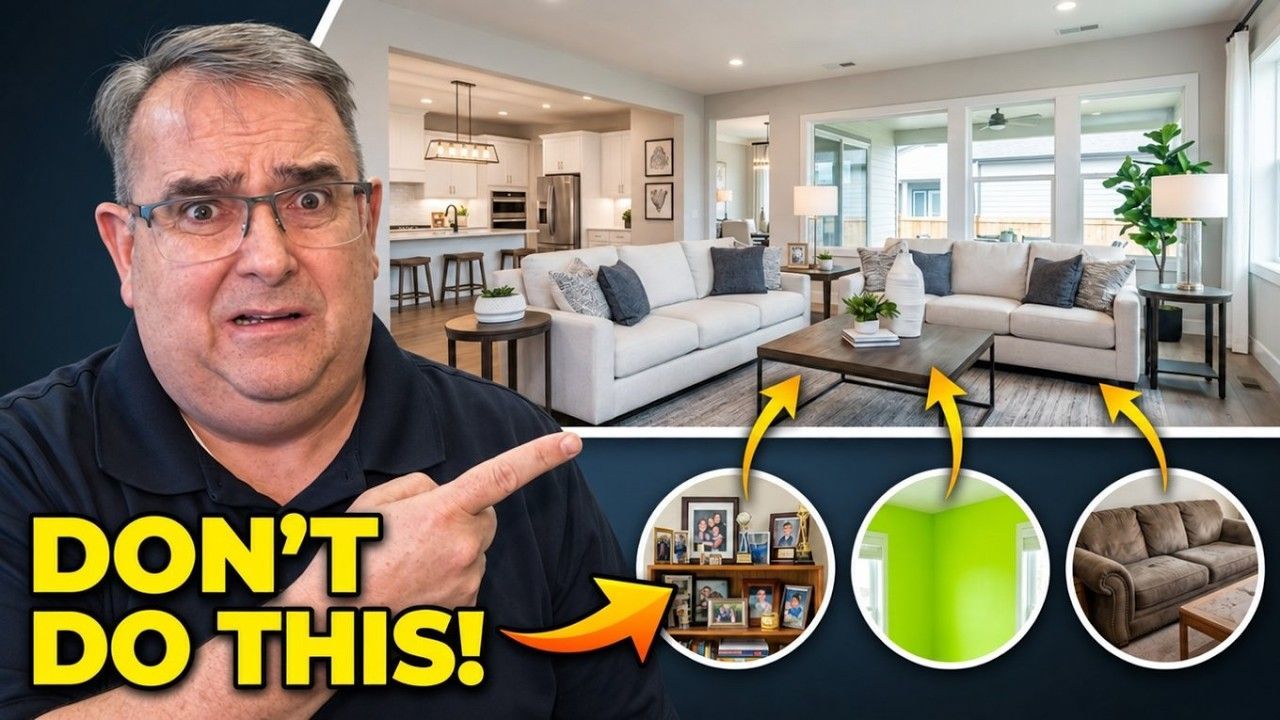
Three Things Every Seller Should Do Before Listing — That's, Wow, Yeah
By David Matney • October 7, 2026
Omaha agent David Matney and professional stager Susan Evans reveal the biggest staging mistakes sellers make and how to present your home to sell faster.

This allows hyperscale data center developers to build co-located power plants to help meet their massive energy needs
By David Matney • October 1, 2026
Data centers are reshaping Douglas and Sarpy Counties. Learn how proximity to these facilities affects home values and what you need to know before relocating.

Show More