Table of Contents
- Location & Overview of Living in Omaha, NE
- Getting Around Omaha, NE
- Weather in Omaha, NE
- Property Taxes, Public Schools, and Education in Omaha
- Jobs, Careers, and the Local Economy in Omaha, NE
- State and Local Taxes in Nebraska: What Omaha Residents Pay
- Healthcare, Environment, and Community Safety in Omaha, NE
- Crime and Neighborhood Safety: What to Know Before Moving to Omaha
- Neighborhoods and Nearby Communities in Omaha, NE
- Parks, Trails, and Lakes: Outdoor Life in Omaha
- Community, Culture, and Quality of Life in Omaha, NE
- Road Conditions, Potholes, and Construction Updates in Omaha
- Housing Market, Home Prices, and Rentals in Omaha, NE
- Top Attractions, Events, and Seasonal Activities in Omaha
- Public Transit and Infrastructure Projects in Omaha, NE
- Schools and How to Research Them Before Moving to Omaha
- Food Scene and Local Favorites in Omaha, NE
- Severe Weather Preparedness for Omaha Residents
- Home Repairs, Inspections, and Maintenance Tips
- Final Tips for New Residents Moving to Omaha, NE
- Frequently Asked Questions About Moving to Omaha, NE
Location & Overview of Living in Omaha, NE
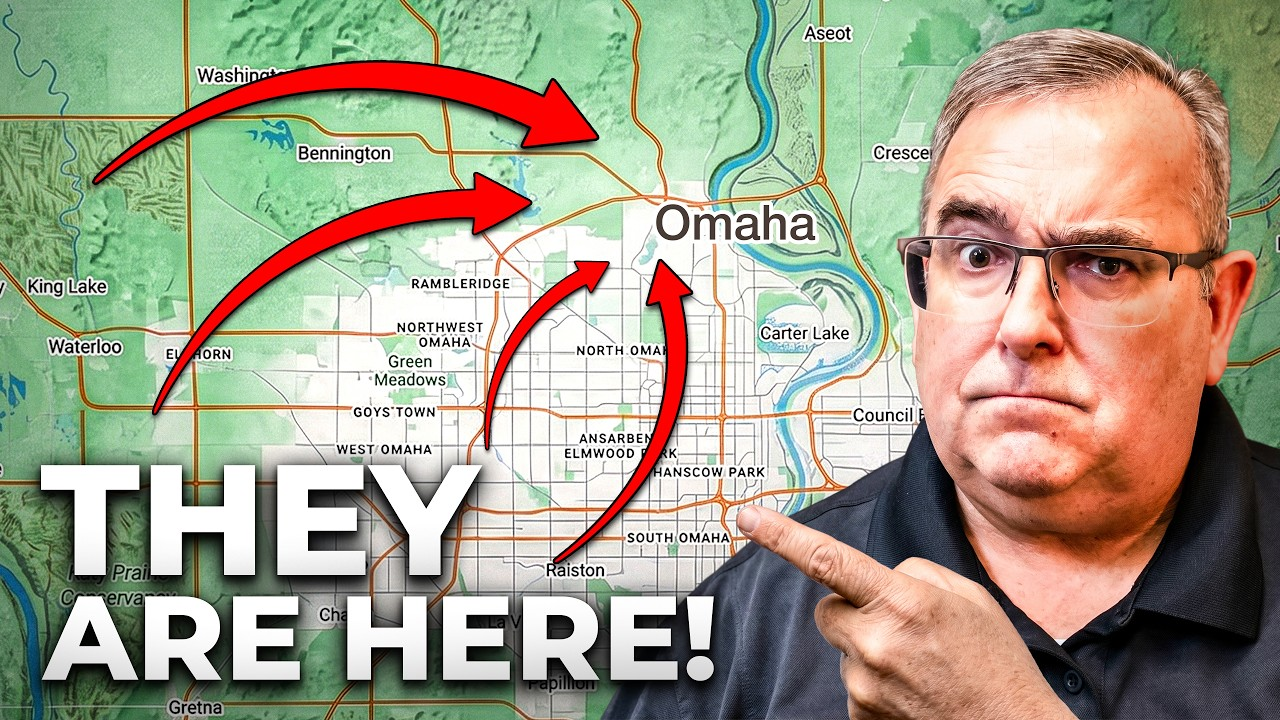
Moving to Omaha, NE means relocating to the largest city in Nebraska, located in Douglas County on the eastern edge of the state along the Missouri River. The Omaha metro area has a population approaching one million people, giving it the scale to support theaters, restaurants, corporate headquarters and cultural amenities while still feeling more accessible than larger coastal metros. Residents typically enjoy shorter-than-average commutes (about 20.5 minutes on average), a relatively affordable housing market, and a broadly stable economy that includes major employers and an emerging tech presence. With distinct neighborhoods from the Old Market and Blackstone to Dundee, Benson and Millard, Omaha combines big‑city options with a friendly Midwest pace that appeals to families, young professionals and retirees alike.
Getting Around Omaha, NE
The city uses a simple grid system that makes navigation straightforward. Dodge Street divides north and south, while numbered streets start at the Missouri River and climb as you head west. Typical commutes average about 20.5 minutes — faster than the national average — which helps explain why so many people consider moving to Omaha, NE for a more manageable daily life.
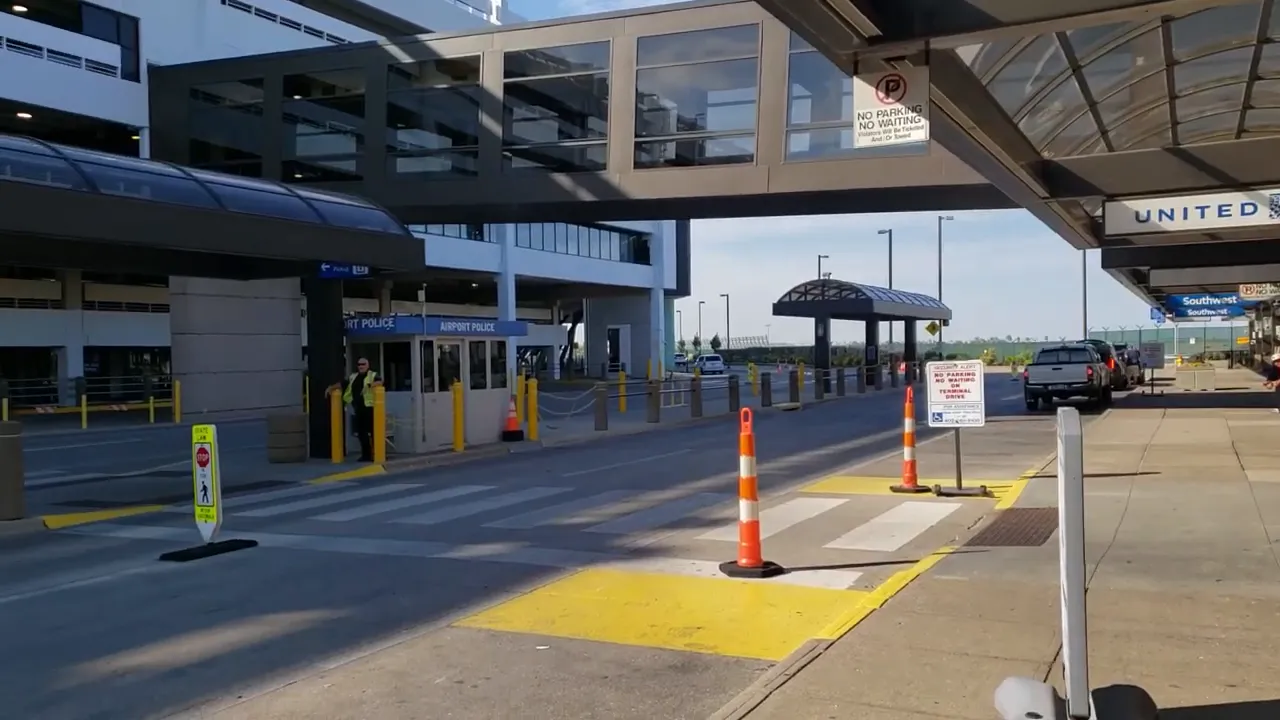
Eppley Airfield is conveniently located about four miles from downtown. It offers non-stop flights to around 30 major airports and has a quick TSA process. Many hotels provide free shuttle service, which is a useful tip when you arrive or depart.
Weather in Omaha, NE
Omaha has all four seasons: cold winters, hot and humid summers, and changeable shoulder seasons. Expect wind, thunderstorms in spring and summer, occasional hail, and the potential for tornadoes. The region averages roughly 200 days of sunshine a year, but the storm risk is real and something to plan for when moving to Omaha, NE.
Most homes include basements, which are handy during severe weather and for additional storage. Learn the difference between a tornado watch and a tornado warning and set up a plan for shelter. Sirens will sound if a tornado has been sighted; take shelter immediately when warned.
Property Taxes, Public Schools, and Education in Omaha
Property taxes in the Omaha area tend to be higher than in many parts of the country, but the funds largely support a strong public school system. Taxes are paid in arrears in Douglas and Sarpy counties, meaning last year’s tax bill comes due the following year. If you are moving to Omaha, NE and budgeting for housing, always factor property tax into your monthly and annual costs.
If you have a 100 percent service-connected disability as a veteran, you may qualify for a property tax exemption. For buyers, be aware that your home gets re-assessed annually based on county valuations — and you have options to protest a valuation if needed.
Jobs, Careers, and the Local Economy in Omaha, NE
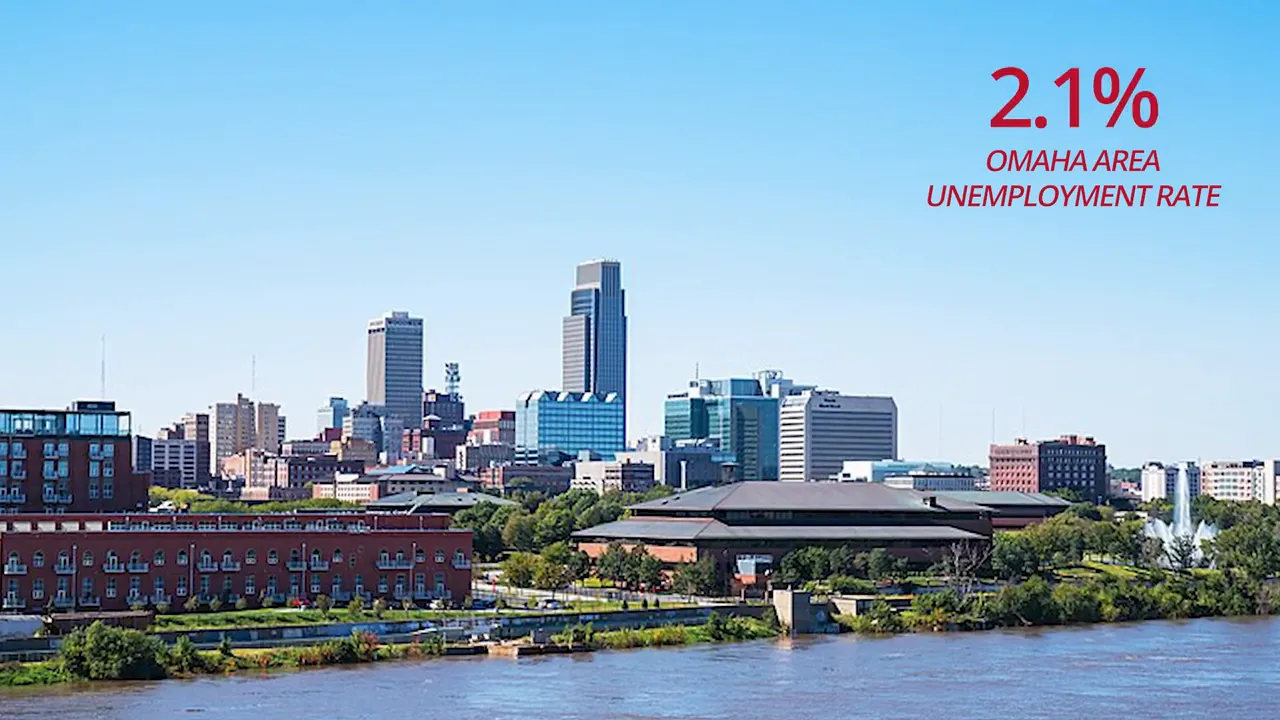
Omaha boasts one of the lowest unemployment rates in the nation, often hovering around 2.1 percent. Major employers and headquarters include Berkshire Hathaway, Union Pacific, Peter Kiewit and Sons, and Mutual of Omaha. Tech, finance, manufacturing, and healthcare all contribute to a stable and diversified economy. Omaha’s emerging tech scene — sometimes called the Silicon Prairie — includes companies such as LinkedIn and newer data center investments from Google and Facebook.
That stability is one reason why many weigh moving to Omaha, NE as a smart career move: growth without the volatility seen in other markets.
State and Local Taxes in Nebraska: What Omaha Residents Pay
Nebraska has a state income tax. Sales tax in Omaha combines state and local levies for a total around 7 percent. Dining out can add a restaurant tax on top of that in some cases. On the bright side, groceries are tax-exempt, and vehicle owners pay an annual motor vehicle tax based on the vehicle’s value. When evaluating affordability for moving to Omaha, NE include these recurring taxes in your budget calculations.
Healthcare, Environment, and Community Safety in Omaha, NE
Healthcare is a major local industry. Nebraska Medicine is the region’s only level one trauma center and is recognized nationally. The VA Medical Center and CHI Health Care System also provide significant employment and quality care options. If you work in healthcare, moving to Omaha, NE opens many professional opportunities.
Two environmental topics to understand before buying here are radon and legacy lead contamination. Eastern Nebraska has areas with elevated radon levels. A radon test costs roughly $200; mitigation systems run around $1,000 to $2,000 and can reduce levels to safe ranges (anything above 4.0 picocuries per liter is considered hazardous).
Another local environmental note: a former lead smelting plant along the river led to the Omaha Lead Superfund Site. Cleanup was completed in 2015, but homes in affected neighborhoods will include an extra disclosure. If you are moving to Omaha, NE and considering property in North Omaha, check the Superfund information and disclosures carefully.

Crime and Neighborhood Safety: What to Know Before Moving to Omaha
Crime is a common concern when relocating. Omaha is like most mid-sized American cities: it has safe neighborhoods and areas with higher reported incidents. Data sites show a roughly 1 in 172 chance of being a victim of violent crime in some assessments. Do neighborhood-level checks on crime maps and the state sex offender registry when you consider specific addresses. This research is essential when moving to Omaha, NE with a family.
Neighborhoods and Nearby Communities in Omaha, NE
Omaha has distinct neighborhoods each with a unique personality: Florence, Benson, Dundee, Blackstone, the Old Market, and Millard. Surrounding suburbs offer more variety: Bellevue (home to Offutt Air Force Base), Papillion, La Vista, Ralston, Gretna, Elkhorn, and Bennington. Across the river lies Council Bluffs, Iowa. When moving to Omaha, NE, choose your neighborhood based on commute, schools, amenities, and vibe.
VIEW HOMES FOR SALE IN OMAHA, NE
Parks, Trails, and Lakes: Outdoor Life in Omaha
Outdoor lovers find plenty to like. Omaha has over 120 miles of paved trails and several reservoir and lake recreation areas: Lake Zorinsky, Standing Bear, Lake Manawa (note: that's in Council Bluffs), Glenn Cunningham Lake, and Walnut Creek Recreation Area. Carter Lake, an oxbow lake isolated by an 1877 flood, provides additional waterfront activity near the airport.
Community, Culture, and Quality of Life in Omaha, NE
People in Omaha are known for being polite, helpful, and community-minded. The city is philanthropic; many local leaders and businesses invest back into the community. Rankings often place Omaha high for work-life balance, happiness, and as a good place for families and young professionals. Those soft factors are strong reasons for many to consider moving to Omaha, NE.
Road Conditions, Potholes, and Construction Updates in Omaha
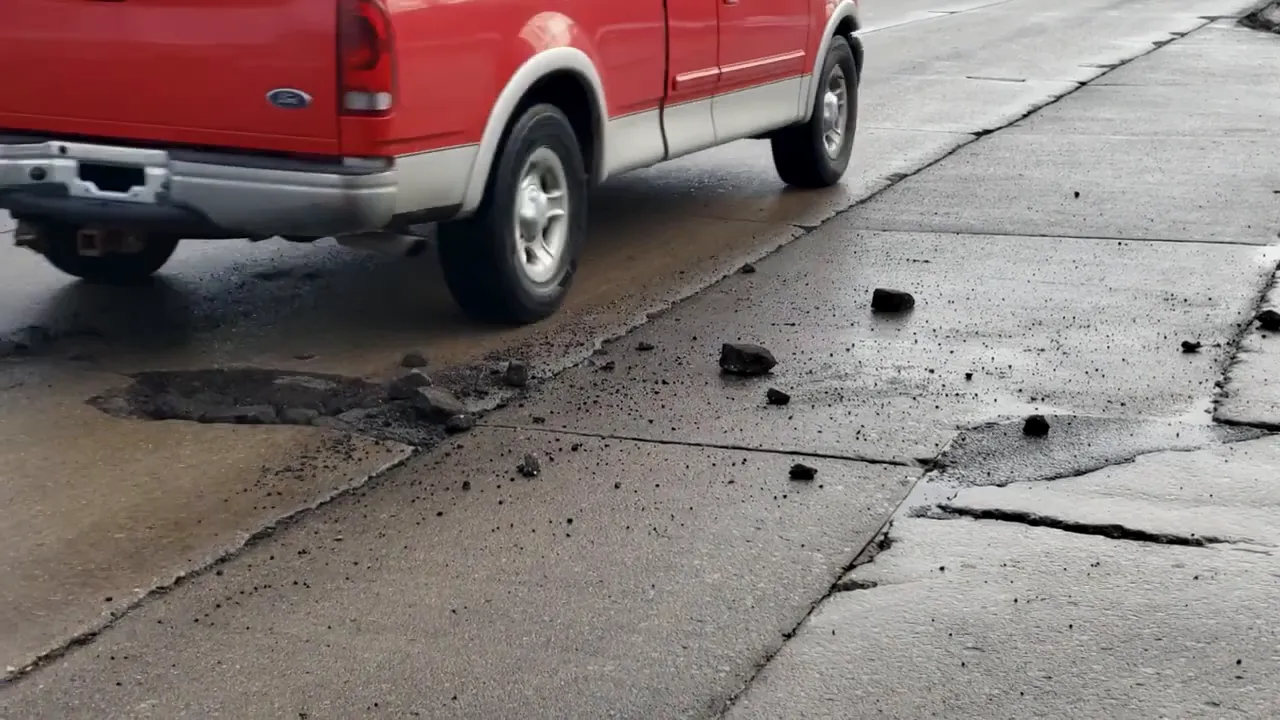
One practical caveat: Omaha’s roads take a beating from freeze-thaw cycles, leading to potholes and frequent maintenance. Winters with wild temperature swings create cracks that frost and re-freeze, necessitating continual repairs. Expect occasional detours and active construction projects in many parts of town if you are moving to Omaha, NE.
Housing Market, Home Prices, and Rentals in Omaha, NE
Housing in Omaha remains more affordable than many U.S. metros. As of early 2023, average sale prices sat in the low-to-mid $300,000s for existing homes, with higher averages for new construction. The market often favors sellers due to limited inventory, but prices are still reasonable compared to coastal cities. Renters benefit too: Omaha ranks among cities with more affordable rental rates, meaning moving to Omaha, NE can significantly lower monthly housing costs for many.
Top Attractions, Events, and Seasonal Activities in Omaha
The Henry Doorly Zoo and Aquarium is a must-see and world-class. Visit early and plan for a full day or two in summer, when parts of the zoo include splash zones for kids. The Old Market is a popular downtown destination for dining and shopping, and Gene Leahy Mall is a central green space. Each summer, Omaha hosts the NCAA Men’s College World Series, which draws large crowds and lively community energy. These attractions make moving to Omaha, NE fun for families and visitors alike.
Public Transit and Infrastructure Projects in Omaha, NE
Omaha’s public transit is improving, but owning a car remains practical for most residents. Metro buses serve over 2,500 stops. The ORBIT rapid bus service runs along Dodge Street with raised platforms and real-time arrival displays; you can bring a bike on board.
A streetcar project linking the Blackstone District to downtown is planned to be operational in the winter of 2026. Programs like Heartland Bike Share and scooter rentals provide first- and last-mile flexibility. If you are moving to Omaha, NE, expect an evolving transit landscape in the coming years.
Schools and How to Research Them Before Moving to Omaha
Education is important here. Omaha is a school-district driven town; many families choose neighborhoods based on school performance and culture. Use the Nebraska Department of Education website to research districts and individual schools before making housing decisions. If moving to Omaha, NE with children, visiting schools and talking with local parents will help you make a confident choice.
Food Scene and Local Favorites in Omaha, NE
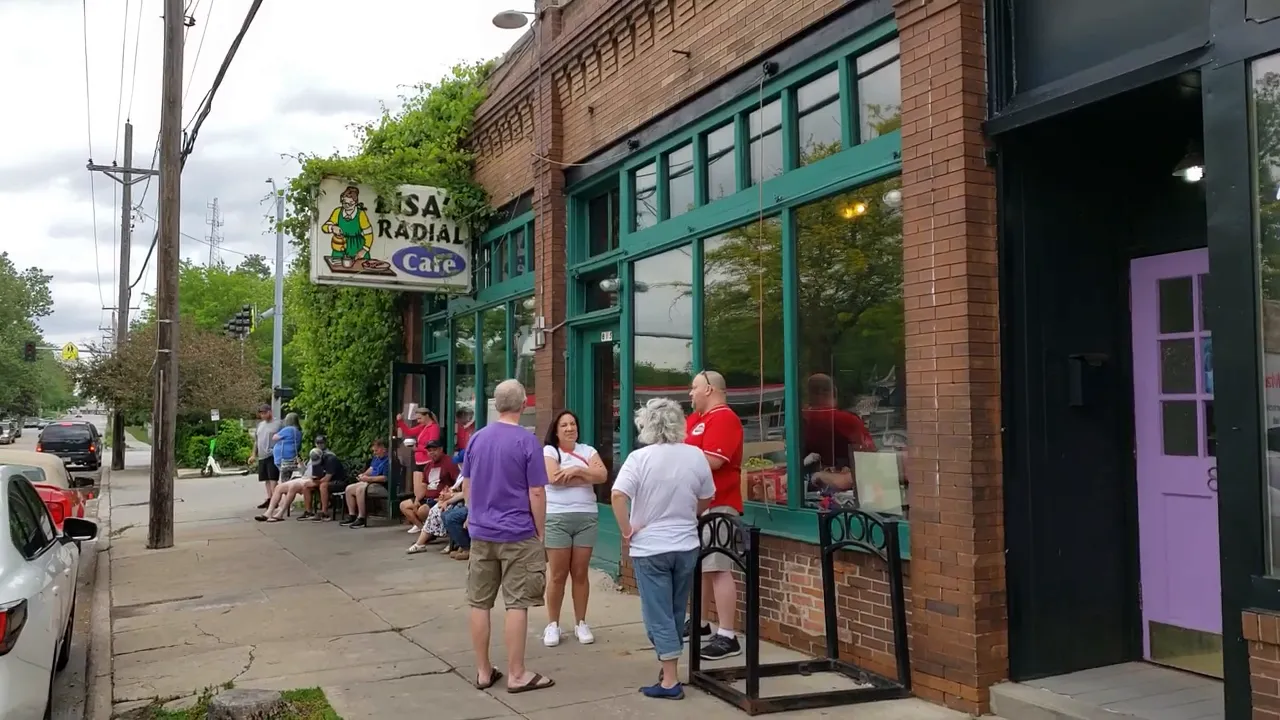
Omaha is more than steaks and Midwestern comfort food. It has a robust foodie scene from breakfast spots to late-night pizza. Popular local picks include Lisa’s Radial Cafe, Shirley’s Diner, Saddle Creek Breakfast Club, Block 16, and Oscar’s Pizza. If dining variety matters to you, moving to Omaha, NE will not disappoint.
Severe Weather Preparedness for Omaha Residents
Because of frequent storms, homeowners insurance rates can be higher. When choosing coverage, don’t shop solely for the cheapest policy. Look for comprehensive coverage at a competitive rate. After storms, especially hail, your first call should be to a reputable local roofer, not the insurance company. Have the roofer inspect and document damage and coordinate with the adjuster to avoid missed claims or underpaid repairs.
Home Repairs, Inspections, and Maintenance Tips
Look beyond the standard home inspection budget. One of the best investments when buying an older home is a sewer scope inspection. It typically costs around $200 and can save thousands if the main line is deteriorated. Cast iron mains and neighborhoods with mature trees are higher risk. A main line backup often is not covered by standard homeowners insurance and can cost $10,000 or more to repair. If you are moving to Omaha, NE and buying older stock, add a sewer scope to your inspection list.
Other recommended checks include radon testing and, when applicable, lead disclosures for older riverfront neighborhoods.
Final Tips for New Residents Moving to Omaha, NE
- Plan for weather: Keep a stocked storm kit and a shelter plan.
- Budget smart: Include property tax, vehicle tax, and local sales tax in cost calculations when moving to Omaha, NE.
- Do neighborhood research: Crime maps, school ratings, and disclosure documents matter.
- Get inspections: Radon test, sewer scope, and a reputable roofer for storm-prone roofs.
- Explore: Try the zoo, Old Market, local restaurants, and outdoor trails to find your favorite spots.
Ready to start your Omaha search? Call or text me at 402-490-6771 for a free relocation guide and personalized help. I’m happy to answer questions, share listings, or schedule a walkthrough.
Frequently Asked Questions About Moving to Omaha, NE
Is Omaha a good place to raise a family?
Yes. Omaha consistently ranks well for family living, work life balance, and school quality. The city’s parks, trails, family attractions, and strong public school funding make it an appealing option for families considering moving to Omaha, NE.
How cold are winters and do homes have basements?
Winters can be cold with occasional heavy snowfall and temperature swings that create potholes. Most homes in Omaha include basements, which provide additional living or storage space and help with storm safety.
What should I know about property taxes?
Property taxes in Omaha can be higher than the national average, but they fund strong public schools. Taxes are assessed annually and paid the following year. Veterans with certain disabilities may qualify for exemptions.
How is the job market?
The job market is stable and diverse with low unemployment. Major headquarters and employers in finance, transport, construction, healthcare, and emerging tech make moving to Omaha, NE attractive for career prospects.
Do I need a car in Omaha?
For most people, yes. Public transit is improving, and ORBIT provides rapid bus service on key corridors, but the city is still car-friendly and many neighborhoods are easier to access by car.
What environmental checks should buyers do?
Test for radon and, if buying in older or riverfront areas, check for lead-related disclosures. A sewer scope is highly recommended for older homes with cast iron mains.
Where can I research crime and schools?
Use local crime mapping tools for Douglas and Sarpy counties and the Nebraska sex offender registry. For schools, consult the Nebraska Department of Education site to research districts and individual school ratings before moving to Omaha, NE.
Read More: What Real Estate Agents Do Not Tell You About Living in Omaha