The Omaha housing market is giving us a mixed signal right now, and that is exactly why the data matters. Inventory is up. Prices are still climbing. Closed sales are down. Buyers feel stretched. Sellers are having to adjust. If we only read the headline version of the Omaha housing market, it is easy to come away with the wrong conclusion.
The better way to read this market is to slow down and separate the noise from what is actually happening in Douglas and Sarpy County. Once we do that, the picture gets much clearer. This does not look like a market falling apart. It looks much more like a market moving back toward normal.
That does not mean everything is easy. Affordability is still a real issue. But it does mean strategy matters again, and understanding the Omaha housing market can change how we buy, sell, and negotiate.
Table of Contents
- What The Omaha Housing Market Is Doing Right Now
- Inventory Is Up But The Headline Number Needs Context
- Move-Up Buyers Are Starting To Return
- Buyers Have More Options And Sellers Need To Adjust
- Do Home Prices Need To Crash For Affordability To Improve
- Prices Are Still Rising In The Omaha Housing Market
- Sales Are Down But This Looks More Like A Sales Reset Than A Price Collapse
- Mortgage Rates Are Helping A Little, Not Solving Everything
- Days On Market Are Longer But The Best Homes Still Move Fast
- What The Economy Is Telling Us
- Final Take On The Omaha Housing Market
- FAQ
What the Omaha housing market is doing right now
If we want the quick summary of the Omaha housing market, here it is:
- Total active inventory in Douglas and Sarpy County is 1,908 homes.
- That is up 1.9 percent from the same point last year.
- Median closed price is $330,000.
- That is up 4.8 percent year-over-year.
- Closed sales were 578.
- That is down 8.3 percent from last year.
- The 30-year fixed mortgage rate is around 6.15 percent.
- Median days on market for existing homes is 18 days.
Those numbers are why people feel conflicted. More homes are available, which should help buyers. But prices are still going up, which keeps pressure on affordability. Sales activity is softer, yet values are holding. That combination can feel strange if we got used to thinking only in terms of boom or bust.
Inventory is up but the headline number needs context
One of the biggest misconceptions in the Omaha housing market right now comes from inventory, especially new construction inventory.
On paper, there are 996 new construction homes on the market, which is basically flat year-over-year. Existing homes account for 911 active listings, up 3.9 percent.
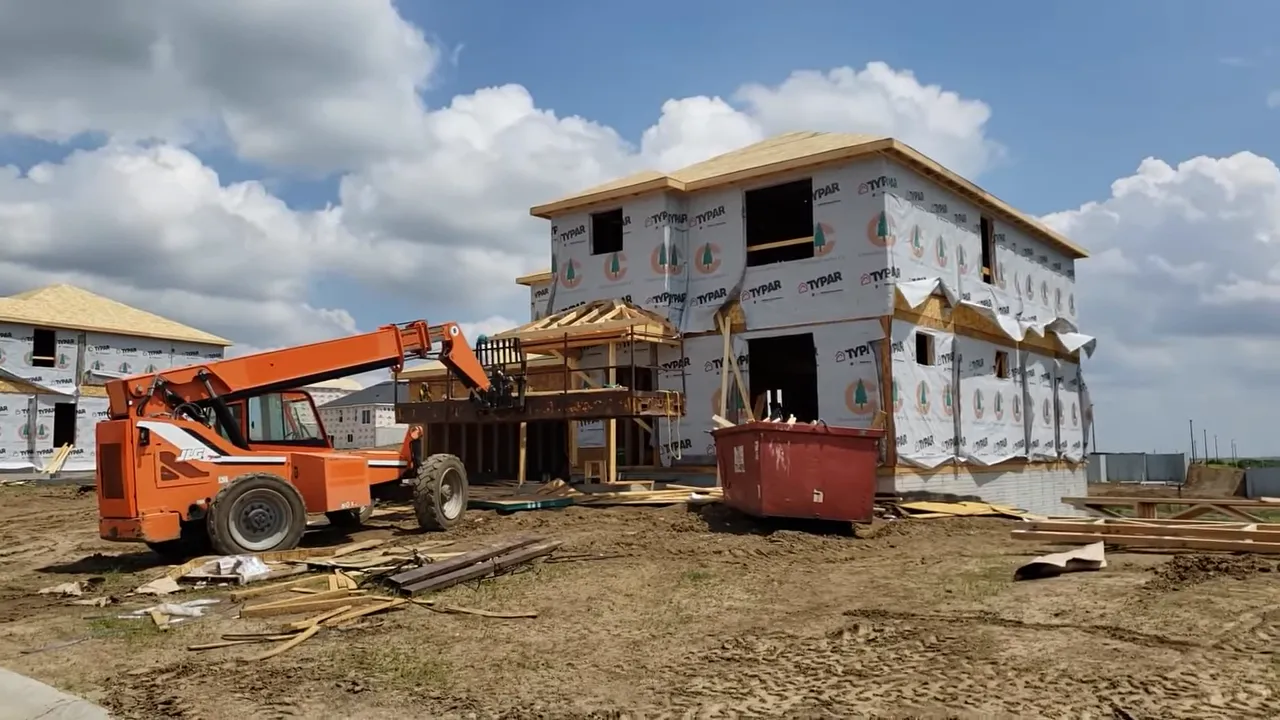
That new construction number sounds massive until we understand how builders use the MLS. Many homes listed as active are not actually finished homes sitting vacant and ready for immediate move-in. Some are still at the lot stage. Some are at the foundation stage. Others may already be under construction for a buyer, but remain listed to market the floor plan or community.
So yes, inventory is higher, but we need to be careful not to treat every active new construction listing as available finished supply. That would overstate how much relief the market really has.
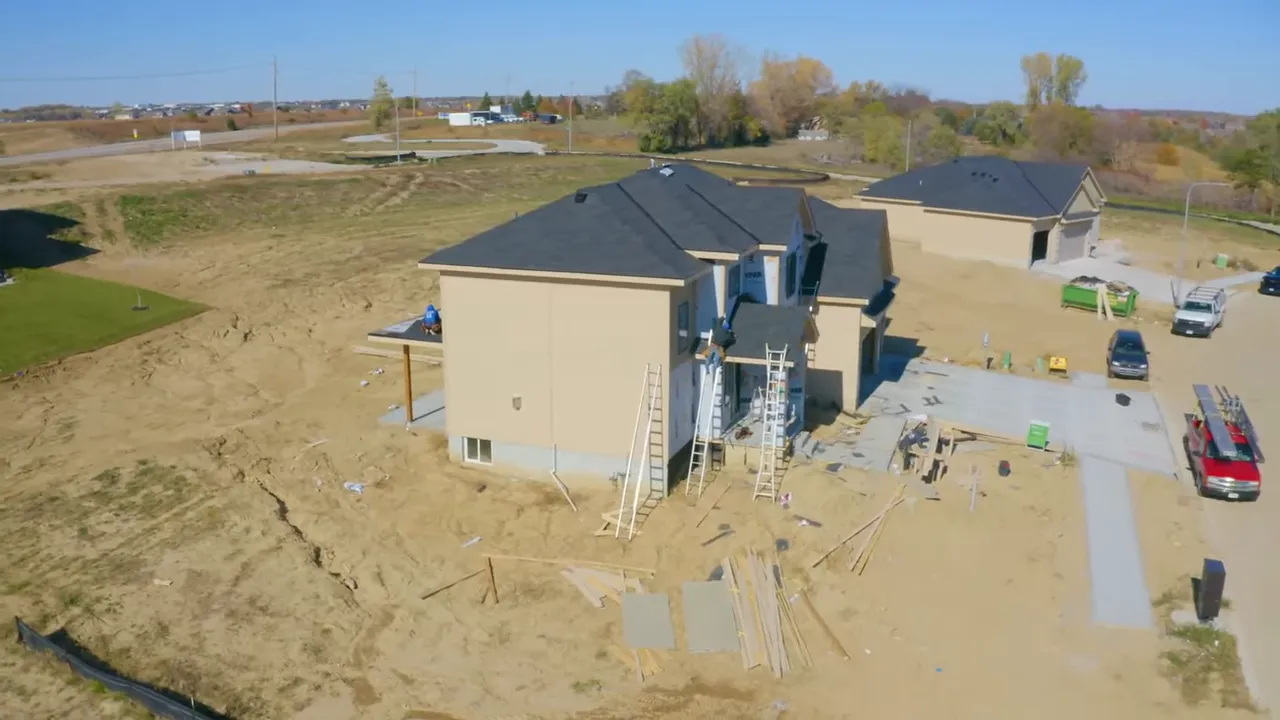
Even with that caveat, inventory in the Omaha housing market is meaningfully better than it has been. We have not had this many homes on the market since January 2016. That is a major shift.
Move-up buyers are starting to return
There is another change showing up that matters a lot. We are starting to see more move-up buyers again.
That means people who bought a smaller or less expensive home a few years ago are now willing to sell and move into something larger. Think of a household moving from a $270,000 home into a $400,000 home because life changed and they need more space.
This is healthy for the Omaha housing market. Move-up buyers create both supply and demand. They list a home and they buy a home. That helps loosen the logjam that built up when many owners were frozen in place by very low mortgage rates.
At some point, families make decisions based on how they live, not just what rate they locked in years ago. A 3 percent mortgage is fantastic, but people still outgrow houses, change school priorities, welcome kids, or simply need a different setup. As rates stabilize in the 6 percent range, more of those households are finally reentering the market.
Buyers have more options and sellers need to adjust
This is probably the most practical part of the Omaha housing market update.
For buyers, more inventory means more choice. It also means more leverage than we had during the frenzy years. We are seeing opportunities to negotiate on:
- Price
- Repairs
- Seller-paid closing costs
- Prepaids and escrow related concessions
That last point matters because concessions were a routine part of home sales before the pandemic, then mostly disappeared during the ultra competitive years. Now they are coming back. That is not a sign of disaster. It is a sign of normalization.
For sellers, the old shortcuts are not enough anymore. If we want top dollar in this version of the Omaha housing market, we have to go back to the basics:
- Make repairs
- Stage the home well
- Price correctly from day one
At the same time, we should not overcorrect. The best homes still generate strong interest. If a home is priced right and shows well, multiple offers are still possible. Buyers need to recognize good opportunities quickly, and sellers need to understand that first impression matters more than ever.
Do home prices need to crash for affordability to improve
This is where a lot of online commentary gets overly simplistic.
Many people assume the only path to affordability is a major drop in home prices. That is not how housing usually works. Nationally, home prices have declined only a handful of times since 1950. Outside of rare periods like the Great Financial Crisis, broad home price declines have been limited and often shallow.
That does not mean housing is affordable right now. It simply means betting on a dramatic crash as the only solution is risky. Buyers who wait indefinitely for a collapse that never comes can end up further behind, especially if wages rise, rates change, and prices keep inching up over time.
There is also a demographic force supporting demand. A large share of the population is in prime home-buying years. We saw a similar effect in the 1980s when baby boomers were reaching that stage of life. Even though rates were high, demand remained strong enough to support prices.
Housing always comes back to supply and demand. When supply is tight and demand is healthy, prices tend to rise. When supply grows faster than demand, prices soften. That is true in the Omaha housing market just like anywhere else.
Builders know this too. They are not trying to flood the market with unsold homes. If demand fades, builders cut back because carrying vacant inventory is expensive. New construction has a self-regulating feature built into it.
That is one reason the presence of large builders in the area matters. Major builders study markets before expanding. Their willingness to operate here is a vote of confidence in the long term strength of the Omaha housing market.
Prices are still rising in the Omaha housing market
The median closed sales price across Douglas and Sarpy County in January 2026 was $330,000, which is up 4.8 percent from a year earlier.
When we break that apart:
- New construction median sale price was $426,367, up 0.5 percent.
- Existing home median sale price was $300,000, up 4.4 percent.
That tells us something important. Price growth in the Omaha housing market has not disappeared. It has moderated in some areas, but it is still present. Existing homes in particular are still moving higher.
So if we are waiting for a giant price reset before making a move, the current local data does not support that expectation.
Sales are down but this looks more like a sales reset than a price collapse
Closed sales came in at 578, down 8.3 percent year-over-year.
That number may look alarming until we place it in context. Some of the recent weakness may simply be seasonal, and winter weather likely did not help. Extreme cold and snow tend to reduce activity temporarily.
More importantly, the last few years have already shown us the bigger pattern. When mortgage rates jumped starting in 2022, transaction volume dropped sharply. That was a sales crash, not a price crash.
In other words, fewer people moved, but prices did not fall apart the way some expected. Over a rolling 12 month view, sales are slowly improving from their low point in late 2023, though they remain below the frenzied pandemic years.
And even in a slower market, life keeps generating transactions. Marriage, children, divorce, inheritance, downsizing, relocation, and job changes all continue to create housing demand. The pace may slow, but the market does not stop.
Mortgage rates are helping a little, not solving everything
The current 30-year fixed mortgage rate is around 6.15 percent. That is meaningfully better than some of the highs we dealt with, even if it still feels expensive compared with the ultra low rate era.
Lower rates improve affordability, but we should be precise with that word. Improve does not mean cheap. It simply means the payment math gets a little less painful.
As rates ease, more buyers reenter the Omaha housing market. That helps explain why prices can continue rising even while affordability remains a challenge.
The common question is whether we should wait for rates to drop more. The honest answer is that none of us knows exactly where rates are heading next. They are influenced by the 10 year Treasury and by the spread between Treasury yields and mortgage rates. That spread has improved, which has helped mortgage rates come down.
But trying to time rates perfectly is a tough game. A better question is whether buying fits our finances, timeline, and life plans right now.
Days on market are longer but the best homes still move fast
Median days on market for existing homes is now 18 days. That is longer than the wild seller market we got used to, and for buyers that is good news.
Still, there is an important nuance here. Average homes may sit a bit longer, but the best homes do not. Well priced homes in great condition can still move quickly once they hit the market.
That means buyers cannot assume every listing will linger. If a property checks the boxes and is priced well, it can still attract fast action. And for sellers, the best chance to capture strong interest is right when the listing goes live.
What the economy is telling us
The broader economy matters because the Omaha housing market does not operate in a vacuum.
Recent GDP growth has stayed positive overall, with the last two quarters showing expansion after one negative quarter in 2025. That suggests the economy is still moving forward rather than rolling over.
On jobs, unemployment has ticked up a bit:
- US unemployment is 4.3 percent, up from 4.0 percent.
- Douglas County is 3.1 percent, up from 2.9 percent.
- Sarpy County is 2.9 percent, up from 2.6 percent.
No one wants unemployment to rise, but a softer labor market can help cool inflation. And inflation is still part of the story. It came in at 2.7 percent for December, which is better, but still above the Federal Reserve target of 2 percent.
Put it all together and the economic backdrop looks more like moderation than meltdown
Final take on the Omaha housing market
The Omaha housing market is not sending a simple message right now, but it is sending a useful one.
We have more inventory than we have had in years. We have signs that move-up buyers are returning. We have slower sales activity than the pandemic era, but not a collapse in values. We have mortgage rates that are better than they were, though still not easy. And we have a market where concessions, negotiation, and preparation matter again.
That is why this looks less like a warning siren and more like a reset to normal conditions.
If we can afford the payment, have money set aside, and expect to stay in the home for at least five years, there is nothing inherently wrong with buying in this environment. If we are selling, the path is still there too, but we need to be sharper than we had to be a couple years ago.
The Omaha housing market is no longer rewarding sloppy assumptions. It is rewarding good data, realistic pricing, and solid execution.
Want to know whether it’s the right time to buy or sell in the Omaha housing market? Call or text 402-490-6771 today for a quick, no-pressure conversation.
FAQ
Is the Omaha housing market crashing?
No. The current data points more toward a return to a normal market than a crash. Inventory is higher and sales are slower, but prices are still rising in the Omaha housing market.
Why does new construction inventory look so high?
Because many builder listings are counted as active before the home is finished, and sometimes even when a home is being built for a buyer. That can make the available supply of new construction appear larger than it really is.
Are buyers gaining more leverage in the Omaha housing market?
Yes. Buyers have more choices than they did in recent years, and they are more often able to negotiate repairs, pricing, and seller-paid closing costs. That said, strong listings can still move quickly.
Do home prices need to fall for affordability to improve?
Not necessarily. Affordability can improve through lower mortgage rates, rising household income, or a better balance between supply and demand. A major price crash is not the only path.
What is the median home price in the Omaha housing market right now?
Across Douglas and Sarpy County, the median closed sales price is $330,000. New construction is much higher, while existing homes have a median closed price of $300,000.
Should we wait for mortgage rates to come down before buying?
Trying to time rates perfectly is difficult. A more practical approach is to buy when the payment, savings, and timeline make sense for us. Rates may improve, but no one knows exactly when or by how much.
READ MORE: Omaha Real Estate Market Update: Prices Hit Record Highs Despite Higher Rates