Before falling in love with the Henry Doorly Zoo, the College World Series, and all the exciting development happening downtown, it helps to understand what is it like to live in Omaha Nebraska on an everyday basis. Omaha is growing, creating opportunity, bringing in investment, and attracting new residents. But growth also brings real tradeoffs in housing, driving, construction, property taxes, and neighborhood choice.
The good news is that living in Omaha can still offer more space and more home for the money than many larger metro areas. The important part is understanding that Omaha is not one uniform city. Your experience can look completely different depending on whether you choose downtown, midtown, West Omaha, Sarpy County, or a smaller community outside the core metro.
Key Takeaways
- Omaha is growing through major employers, development, and a metro population above one million.
- Living in Omaha usually requires driving, especially outside the more walkable urban neighborhoods.
- Housing can be comparatively affordable, but taxes, insurance, maintenance, and location-specific costs matter.
- The best area depends on daily routines, commute tolerance, housing preferences, and long-term priorities.
Table of Contents
- How Omaha Is Changing as the Metro Grows
- What Different Areas of Omaha Are Really Like
- Getting Around Omaha Without a Car
- Crime And Schools When Living In Omaha
- What Your Housing Budget Can Get You in Omaha
- Choosing the Right Area for Your Daily Life
- The Bottom Line: Is Omaha Right for You?
How Omaha Is Changing as the Metro Grows
People are moving here because of opportunity. The Omaha metro has crossed the one million person mark and recently added approximately 9,500 people in a reporting period. That is not the kind of explosive growth seen in Dallas, Phoenix, or Nashville, but it is meaningful for this market.
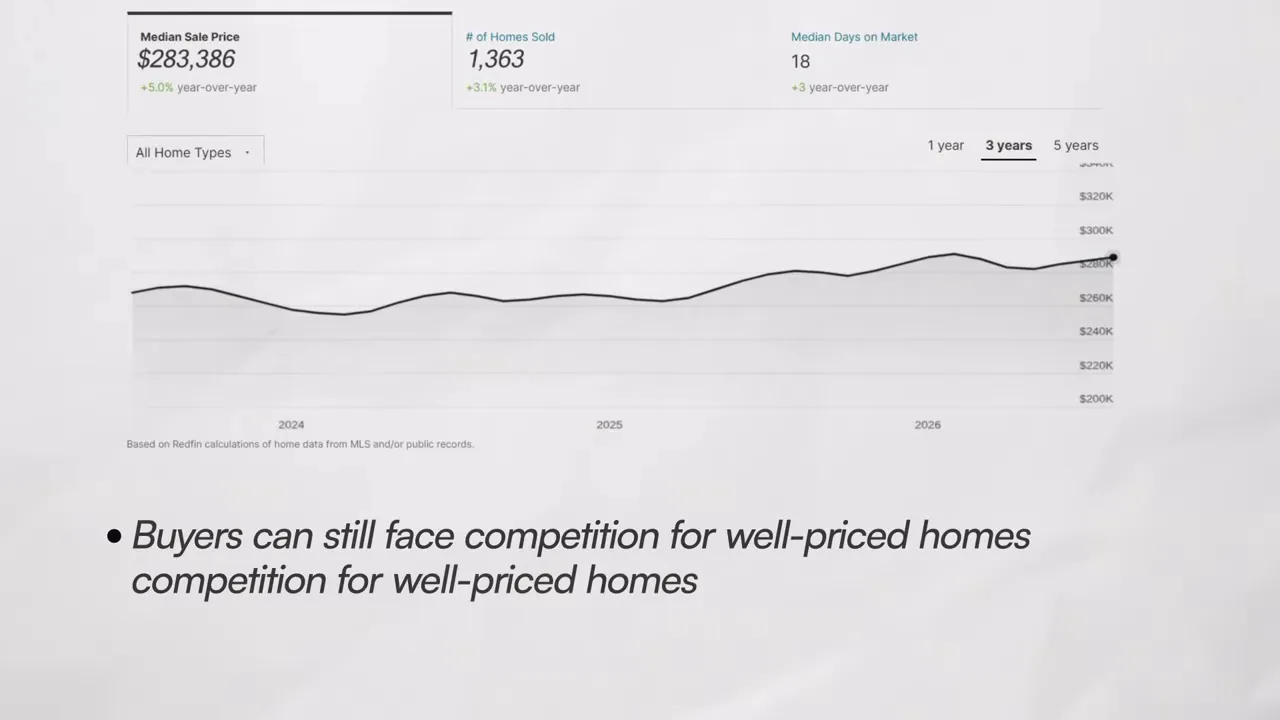
Omaha remains relatively under the radar compared with places such as Austin, Nashville, and Charlotte. That can work in its favor. Home prices are no longer what most people would call cheap, and well-priced homes can still attract competition. Yet compared with many major metropolitan areas, buyers can often get more house, more square footage, a basement, a driveway, and a yard for their money.
Business investment is another big reason the metro keeps moving forward. The region has major employers across healthcare, finance, insurance, transportation, agriculture, technology, and defense. Mutual of Omaha, Union Pacific, Berkshire Hathaway, Kiewit, major healthcare systems, and Offutt Air Force Base all play important roles in the regional economy. Expansion at the University of Nebraska Medical Center is also expected to bring further employment and investment to central Omaha.
That is the context for what is it like to live in Omaha Nebraska today. There is momentum here, but the way that momentum affects daily life depends heavily on location.
What Different Areas of Omaha Are Really Like
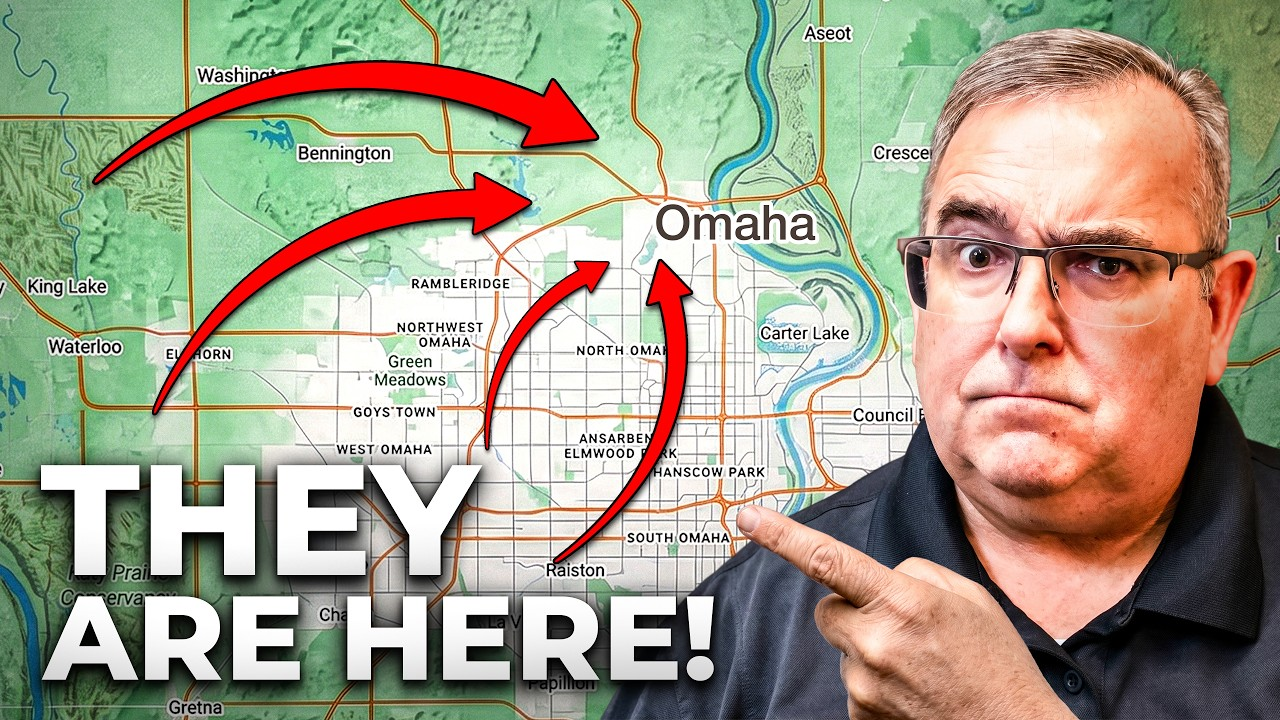
The first thing to understand is that Omaha is a collection of neighborhoods, suburbs, and surrounding communities with different housing stock, commute patterns, amenities, and development pace.
Downtown And The Urban Core
If walkability, restaurants, entertainment, and access to events are high on your list, downtown Omaha may be worth considering. Areas around the Old Market, the riverfront, Capitol District, and North Downtown put you close to Charles Schwab Field, the CHI Health Center, Gene Leahy Mall, Steelhouse Omaha, and the Old Market.
This part of town offers energy and urban activity, along with apartments, condos, restaurants, and event access. The tradeoff is usually less yard space, less convenient parking, and fewer of the suburban-style housing options found farther west.
Midtown And Established Neighborhoods
Move west into midtown and you will find places such as Blackstone, Dundee, Morton Meadows, Aksarben Village, and the area around Midtown Crossing. These neighborhoods can offer older architecture, mature trees, local restaurants, coffee shops, and a stronger neighborhood identity.
Midtown also offers relatively convenient access to downtown, UNMC, UNO, and many larger employment centers. For many people, this is the middle ground between urban convenience and neighborhood character.
West Omaha, Sarpy County, And The Outer Metro
Continue west and the environment changes quickly. Millard, Elkhorn, West Omaha, and parts of Southwest Omaha generally offer more suburban development. The farther west you go, the more likely you are to encounter new subdivisions, active construction, and land that may look very different five to ten years from now.
South of Omaha, Sarpy County includes Bellevue, Papillion, La Vista, Gretna, and Springfield. Bellevue is often practical for proximity to Offutt Air Force Base and includes both established housing and newer subdivisions. Papillion and La Vista combine established neighborhoods with newer development, shopping, parks, and recreational options. Gretna is changing quickly, especially around Highway 370 and Interstate 80.
For a smaller-town or semi-rural setting, look toward Valley, Waterloo, Springfield, Blair, Fort Calhoun, Bennington, and similar communities. More land and privacy can be appealing, but the tradeoffs can include longer drives, fewer nearby services, well or septic systems, and limited internet in certain locations.
Getting Around Omaha Without a Car
Here is the honest answer: outside of the more walkable neighborhoods, Omaha is heavily dependent on cars. Development has expanded well past 72nd Street, Interstate 680, 144th Street, and toward 204th Street and beyond. Most daily needs require driving.
Sidewalks can be inconsistent. Major streets can be difficult to cross on foot. Public transportation does not reach every part of the metro equally. Omaha traffic is not Los Angeles, Atlanta, or Washington, D.C., but that does not mean the commute is always effortless.
Interstate 80 runs through the metro, while Interstate 680, Highway 75, Highway 370, Dodge Street, and West Dodge Road connect major parts of the community. Rush hour, construction, crashes, and winter weather can quickly change the driving experience.
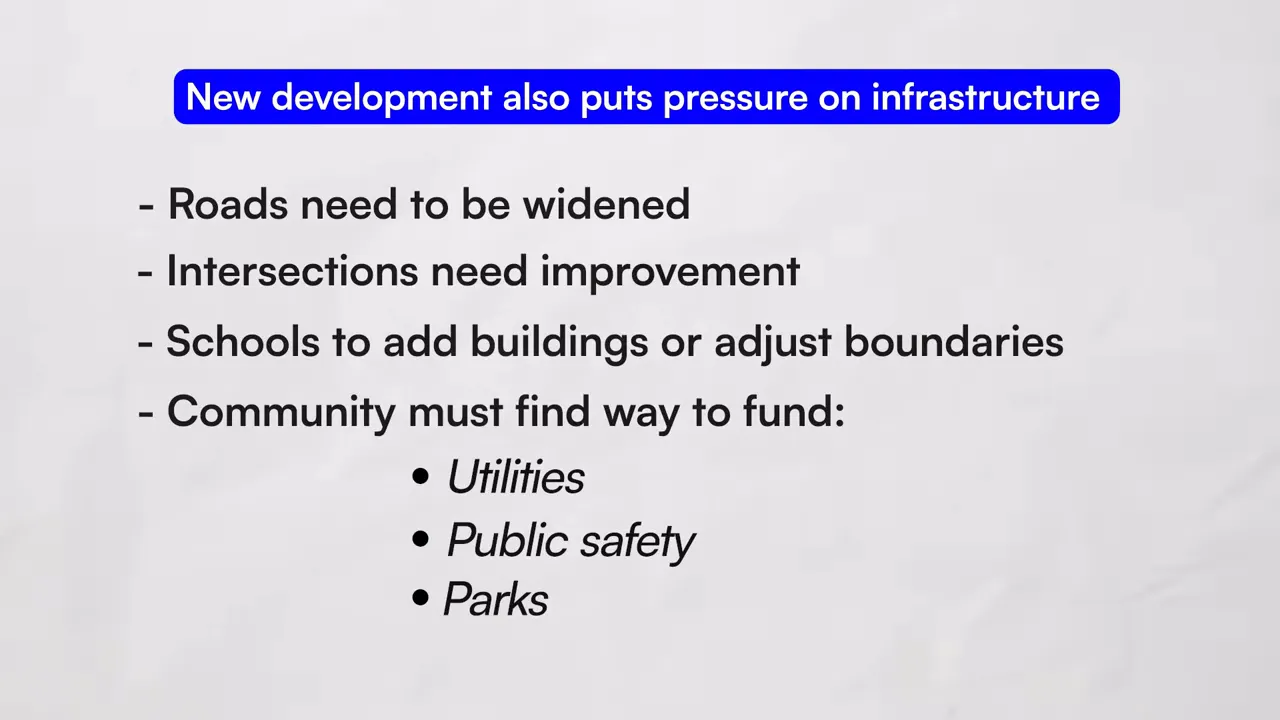
New development also puts pressure on roads, intersections, schools, utilities, public safety, parks, and other services. In exchange for a lower cost of living than many larger cities, most households should expect to need at least one vehicle, and many will need two.
Crime And Schools When Living In Omaha
When people ask what is it like to live in Omaha Nebraska, crime and schools almost always come up. Both topics require more than a broad ranking or a quick online search.
Crime patterns can differ substantially across the metro, even within the same part of the city. A citywide statistic does not tell you everything about a specific block, subdivision, or property. Instead of relying on broad labels, research the exact location under consideration.
A practical approach includes:
- Reviewing current local law enforcement crime maps.
- Visiting the area at different times of day.
- Paying attention to lighting, traffic, property maintenance, and nearby land uses.
- Speaking with local law enforcement when appropriate.
Real estate agents cannot label a neighborhood safe or unsafe. Those descriptions are subjective and can raise fair housing concerns. The better path is using objective information so you can make an informed decision based on your own needs and comfort level.
Schools also need context. Omaha Public Schools is the largest district in the area, but the metro includes Millard, Elkhorn, Westside, Bennington, Gretna, Papillion-La Vista, Bellevue, Ralston, Blair, Springfield, Platteview, and other districts.
Different households care about different factors: programs, services, class sizes, activities, transportation, and educational approaches. Review information from the Nebraska Department of Education and contact individual districts directly. District boundaries can also influence future buyer demand and marketability, so confirm them rather than assuming.
What Your Housing Budget Can Get You in Omaha
Omaha remains comparatively affordable beside Denver, Austin, Seattle, and many California markets. But affordability comes with fine print. What your money buys depends heavily on location, condition, age, lot size, and school district boundaries.
At the lower end of the market, buyers may need to accept an older home, smaller floor plan, fewer updates, or additional repairs. In established areas such as Benson, Florence, Ralston, Bellevue, and parts of Central Omaha, there may be more affordable opportunities. But older homes can come with older sewer lines, electrical systems, plumbing, foundations, roofs, and mechanical equipment.
In higher-demand locations such as Dundee, Aksarben, Elkhorn, Gretna, Papillion, and portions of West Omaha, prices can rise quickly. The key is to compare the entire ownership picture, not just the list price.
|
Property Taxes, SIDs, And Weather Costs
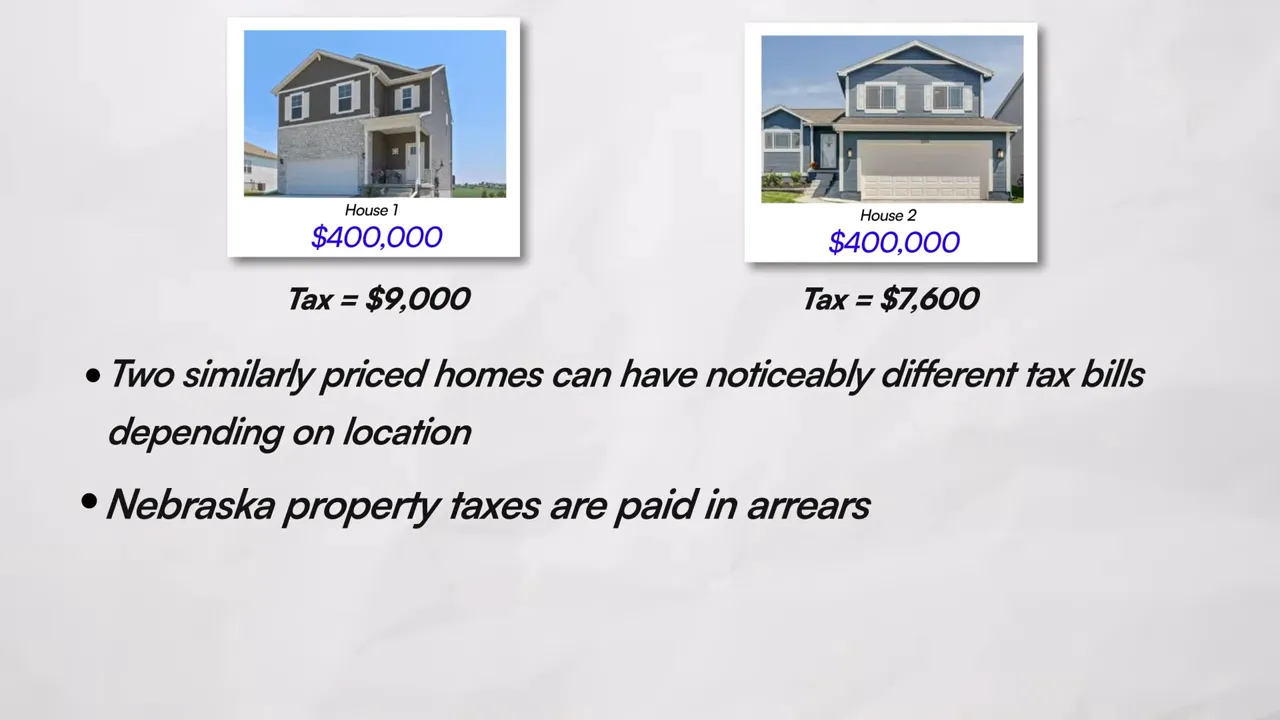
Nebraska property taxes can be a major surprise for relocating buyers. Taxes vary based on assessed value and the local taxing authorities connected to that property. Two similarly priced homes can have noticeably different tax bills simply because they are in different locations. Nebraska property taxes are paid in arrears, which can be confusing if you are moving from a state with a different system.
In newer developments, a home may be located in a sanitary improvement district, commonly called a SID. A SID can help finance streets, sewer systems, and other infrastructure before an area is annexed by the city. It can also affect the overall property tax burden.
Weather is another ownership expense. Omaha gets true four-season weather, including hail, high winds, severe thunderstorms, tornadoes, snow, and ice. Insurance premiums and deductibles can be higher than some relocating buyers expect. Heating, air conditioning, freeze and thaw cycles, snow removal, and hail damage all belong in the budget.
A reasonable planning guideline is to budget approximately 3% to 4% of an existing home's purchase price annually for ongoing maintenance and at least 1% for new construction. That does not mean every year will cost the same, but it provides a realistic cushion for repairs and upkeep.
Choosing the Right Area for Your Daily Life
The biggest mistake is falling in love with a house before considering what life in that location will actually feel like. A home can check every box, but a longer-than-expected commute, construction-heavy route, distant grocery store, or repeated trips to work, medical appointments, and activities can change the equation fast.
To understand what is it like to live in Omaha Nebraska for your situation, start with your daily routine instead of the home itself. Ask yourself:
- Where will you work, and how often do you need to be there?
- Which activities, medical providers, restaurants, and amenities matter most?
- How much driving are you comfortable with?
- Do you prefer mature trees, older architecture, and local businesses?
- Or do you prefer newer construction, larger garages, and suburban development?
For walkability, restaurants, and entertainment, consider downtown Omaha, the Old Market, Blackstone, Midtown Crossing, Dundee, Benson, or Aksarben. You may trade yard space and square footage for convenience, character, and access.
For newer housing and suburban development, explore portions of Elkhorn, Gretna, Papillion, Bennington, Millard, or West Omaha. These areas may offer newer subdivisions and more space, but also construction, SIDs, changing school boundaries, and longer drives to downtown or midtown.
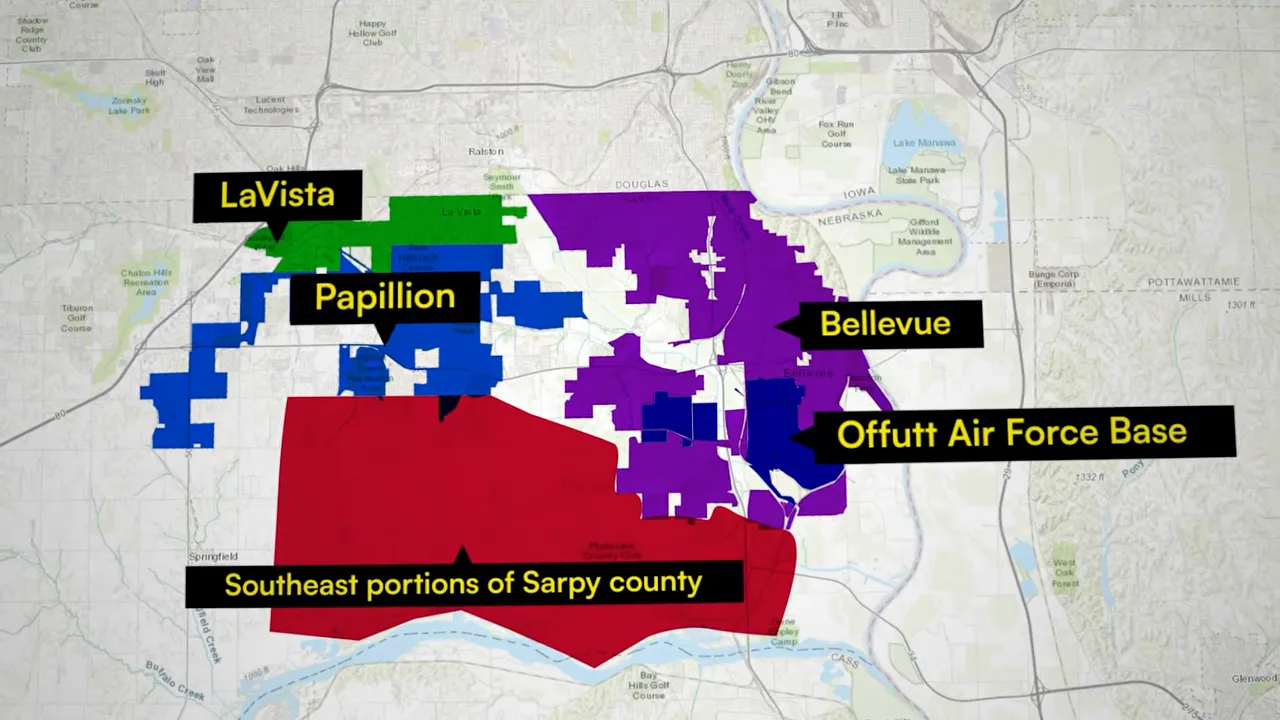
For proximity to Offutt Air Force Base, Bellevue, Papillion, La Vista, and southeast Sarpy County are practical places to start researching. For a smaller community or semi-rural environment, consider Valley, Waterloo, Springfield, Blair, Fort Calhoun, and communities farther outside the metro.
The Bottom Line: Is Omaha Right for You?
So, what is it like to live in Omaha Nebraska? It is a metro with real opportunity, major employers, growing development, diverse neighborhood choices, and more housing possibilities than many bigger cities. It is also a place where a car is usually necessary, construction is part of life, property taxes deserve attention, and the right neighborhood depends on the rhythm of your daily routine.
Living in Omaha works best when you make the tradeoffs intentionally. Decide whether convenience, walkability, a short commute, newer construction, mature neighborhoods, a larger yard, or a smaller-town setting matters most. Then choose the location that supports those priorities instead of simply choosing the house that looks best online.
Frequently Asked Questions About Living In Omaha
What Is It Like To Live In Omaha Nebraska For New Residents?
Living in Omaha can offer access to major employers, neighborhood variety, event venues, restaurants, and comparatively more home for the money than many larger metros. Daily life varies significantly by area, from walkable urban neighborhoods to fast-growing suburban communities and semi-rural towns.
Do You Need A Car When Living In Omaha?
In most parts of the metro, yes. Downtown and a few established neighborhoods are more walkable, but much of Omaha is designed around driving. Many households need at least one vehicle, and often two.
Are Omaha Homes Still Affordable?
Omaha can still be more affordable than many major metropolitan areas, but buyers should look beyond the purchase price. Location, home age, condition, lot size, property taxes, insurance, maintenance, and school district boundaries all affect the real cost of ownership.
Which Omaha Areas Are Best For New Construction?
Portions of Elkhorn, Gretna, Papillion, Bennington, Millard, and West Omaha often have newer subdivisions and active development. Those areas may also involve construction, longer drives to central Omaha, SIDs, and changing school boundaries.