When we say living in Omaha, most of us picture the neighborhoods, the schools, maybe a shorter drive to work, and the feeling of finally landing somewhere that feels like home. But the real decision is rarely just about the house. It is about the true monthly cost, the day-to-day experience, and the trade-offs you only notice after you move in.
That is also where we run into a problem. Some agents focus on what moves the deal forward, not what prevents expensive surprises. They highlight affordability and friendliness, but skip the details that change your monthly payment, impact your commute, or shape your day-to-day life.
Below is a practical guide to the things many people wish they had known earlier, especially in the Omaha metro. We will cover why the uncomfortable conversations get avoided, what buyers and sellers often do not hear, the Omaha-specific realities that can affect your wallet and your peace of mind, and how we can find an honest agent who protects us with clarity.
Table of Contents
- Why Some Agents Aren’t Honest
- General Truths Agents Don’t Tell Buyers and Sellers
- Omaha’s Hidden Trade-Offs
- Right vs Wrong Neighborhoods for Your Lifestyle
- How to Find an Honest Agent
- FAQs About Living in Omaha
Why Some Agents Aren’t Honest
We have to start with the incentives that shape behavior. Real estate is commission-based, which means most agents get paid when the deal closes. That is not automatically the same thing as dishonesty. It is just the system that creates pressure.
When a conversation slows the deal down, or forces a buyer to pause, it can affect whether the agent gets paid. And that can cause a pattern: tough conversations get avoided, even when they would protect the client.
In practice, avoiding the uncomfortable usually looks like this:
- Skipping friction that might change the outcome, like telling a seller their price is not supported, or that an inspection could signal bigger ownership costs ahead.
- Using vague reassurance instead of clear guidance.
- Staying surface-level, like focusing on listing highlights while skipping the true monthly payment discussion.
- Steering away from topics that make people reconsider, such as taxes, insurance, maintenance, neighborhood noise, or future resale challenges.
In living in Omaha, the part that often gets glossed over is the “true monthly payment” math. In Nebraska, property taxes and ownership costs can shift your monthly number more than many people expect. And when people do not fully understand the payment, they sometimes discover it later, after they are already committed.
The good news is that understanding the system helps us protect ourselves. Once we know why the hard conversations get avoided, we can look for the agents who will actually have them.
General Truths Agents Don’t Tell Buyers and Sellers
Once we understand the incentives behind real estate deals, it gets easier to predict which details might get skipped. Here are the most common examples that show up in the Omaha market and, honestly, in real estate everywhere.
Sellers: Overpricing to Win the Listing
Some agents agree to an aspirational price just to get the listing. The assumption is often that they can ask for price reductions later.
The problem is timing. When a home first hits the market, it gets the best window of attention. If the price is unrealistic, we lose leverage right when it matters most.
Another issue is that an agent can promise a fast sale based on optimism, but the timeline is usually set by the market, not by the agent.
In a payment-sensitive environment, presentation matters. Basic prep is not optional if we want leverage with buyers. That includes:
- Decluttering
- Paint touch-ups
- Clean inspection optics
When a home sits, buyers start asking why. Even in living in Omaha, buyers track days on market and price reductions closely. They often do not say it out loud, but assumptions form. Sometimes the real net is not explained clearly by the agent, but it shows up in the outcome.
Sellers and buyers: Taxes and insurance change the buyer pool
In Nebraska, property taxes and increasingly homeowners insurance can affect monthly payment in a meaningful way. That matters for sellers because buyers are shopping based on the payment, not just the purchase price.
When taxes and insurance push the number up, it changes who can afford the home. Even if the listing looks affordable on paper, the payment may not feel as friendly in real life.
Buyers: “It’s Always a Good Time to Buy” Can Be True or Misleading
One of the most common lines we hear is that there is “always a good time to buy.” Sometimes it is true in a broad sense. But for some buyers, it is not a good time in practical terms.
Here is the reality most people learn the hard way: when we buy, things break. That is maintenance. And rent versus buy math can be closer than many expect, especially if we do not factor time horizon.
Break even can take years. If we do not have the right time horizon for a purchase, renting can be the smarter move financially.
Buyers: Ignoring Inspection Red Flags Gets Expensive
Inspections are where deals become expensive when red flags get ignored. We are talking about the kinds of issues that can cost thousands:
- Age of the roof
- Age of the HVAC system
- Foundation movement
- Grading problems
- Replacing a main sewer line
- Water intrusion risk
The big pattern is simple: people look at the price and the rate, then downplay the cost of taxes and insurance. They also may not realize that insurance is not one-size-fits-all. For example, it matters whether coverage is actual cash value or replacement coverage.
What Gets Skipped: The Full Monthly Payment Conversation
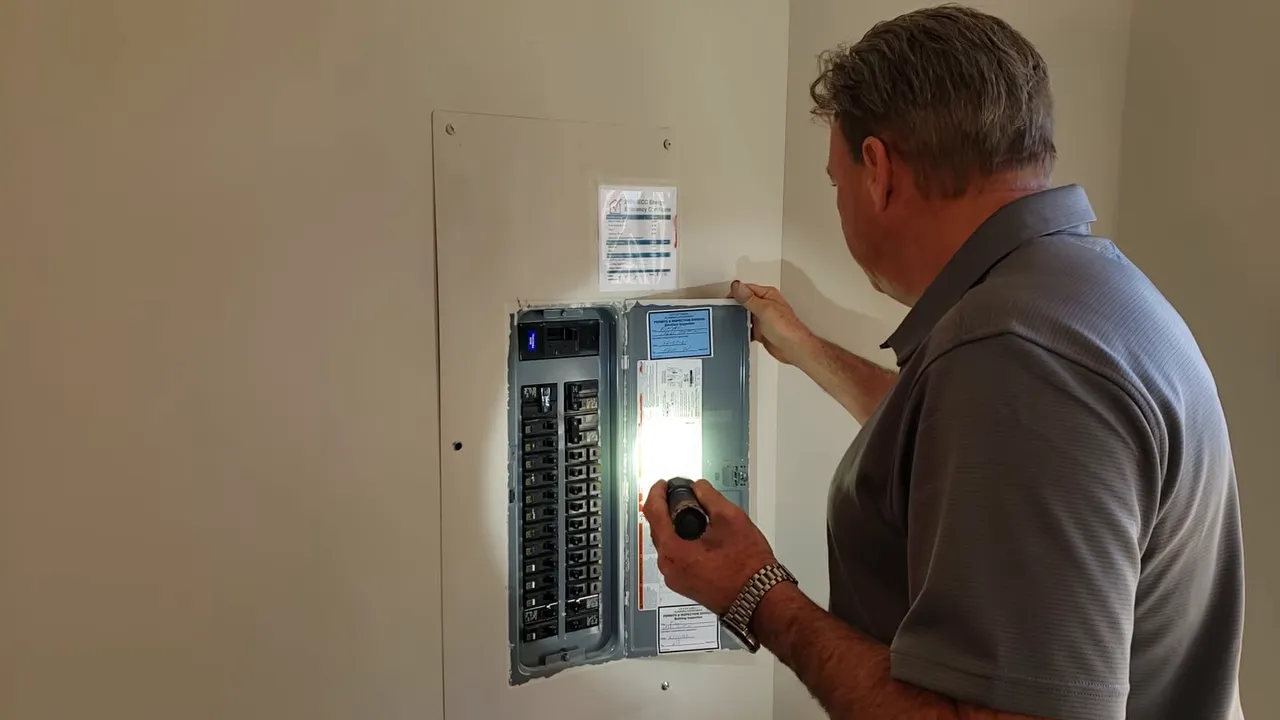
Nebraska is not just about the interest rate and listing price. It is about ownership costs. If an agent does not walk us through a realistic monthly payment and ownership cost plan, we are missing key data.
Omaha’s Hidden Trade-Offs
Now we get Omaha specific. Because living in Omaha is not one uniform experience. The trade-offs that matter most often come from three big categories: weather and lifestyle, home systems and maintenance realities, and location-based impacts like growth and development.
Weather and the Built Environment: Basements, Wind, and Hail
Omaha is a true four-season city. That means real winter, real summer heat, and plenty of wind. Severe weather can happen in late spring and early summer, including thunderstorm activity and occasional tornadoes.
In practical terms, that is why most homes in Nebraska have basements. Weather affects:
- Roof wear and hail damage
- Insurance coverage
- Maintenance planning
Omaha also has many neighborhoods with older homes and basements. That can be great for storage, but we have to pay attention to drainage, sump pumps, and water management.
Finishes Are Not the Real Money: Systems Are
Agents often talk about finishes because they are easy to market. But the real cost tends to live in the systems:
- Roof life
- HVAC system age
- Foundation movement
- Moisture control
And there are additional due diligence factors most people do not ask about.
Radon: The Invisible Risk
Radon is a real item in Nebraska. Radon is a naturally occurring radioactive gas that comes from the breakdown of uranium in rock and soil underground. You cannot see it, smell it, or taste it, but it can seep into homes through cracks in the foundation or basement floor.
It is the second leading cause of lung cancer in the United States, behind smoking. Eastern Nebraska has some of the highest radon levels in the country.
The good part is that radon can be tested. A radon test costs about $150. When we write an offer, we can include contingencies for inspections conducted within a specific window. If radon levels are high, we can negotiate for a radon mitigation system to be installed.
Lead Superfund Area: Disclosures You Need Before You Buy
There is a lead superfund area tied to a former lead smelting plant called Sarco, historically located near the downtown Omaha area by the Bob Kerrey pedestrian bridge. The plant operated for over 125 years and polluted portions of North and South Omaha.
After closure, the EPA designated large portions of North and South Omaha as a lead superfund site. If we purchase in this part of town, we will need to sign a disclosure acknowledging that status.
Growth and Redevelopment: Projects That Change Access and Experience
Omaha is on a growth spurt. That can be exciting, but growth comes with growing pains. Some redevelopments are not equally welcomed by everyone, and they can disrupt routines.
Two projects specifically can change the way an area feels:
- Omaha Street Car: a roughly 3 mile rail line between downtown Omaha and Midtown Blackstone area, aiming to improve mobility and encourage development along the corridor. Construction is underway with an opening expectation around 2028.
- Epley airfield terminal expansion: a roughly $950 million project currently underway, which means airport experience and access patterns may differ from expectations for a while.
The key point is that some trade-offs are not captured in listing photos. They show up in your daily routine. That is why we need to research what is happening now and what is expected next.
Right vs Wrong Neighborhoods for Your Lifestyle
When we talk about neighborhoods, we often start with what looks best online. But the better starting point is the commute lane.
Omaha is not one uniform experience. Your drive time, daily routine, and honestly your stress level come down to which side of town you live on and how your area connects to the places you actually want to go.
Before we choose a neighborhood, we should pull up a map and identify our top three destinations:
- Work
- School
- Where we want to spend most of our time
Then we build around those routes, not around listing photos.

Housing Stock Changes Weekends
One neighborhood might offer older homes with basements, mature trees, and more ongoing maintenance. Another might offer newer subdivisions with different upkeep patterns and HOA rules.
Neither option is automatically right or wrong. It is a fit question based on cost and responsibilities.
If we are not honest about what we actually want to maintain, we may end up resenting the house, even if it was marketed as a dream.
Monthly Payment Includes Location-Based Ownership Costs
In living in Omaha, monthly payment is more than the rate and price. Property taxes matter, and not every location or subdivision is taxed equally.
A newer subdivision might come with a higher mill levy or tax rate. It may also be subject to covenants and an HOA.
Many newer subdivisions have an HOA that might be around $150 a year, often tied to basic maintenance of subdivision entrance areas. But we still need the actual HOA documents and a full understanding of what we are agreeing to.
Hidden Older Home Issues: Sewer Scope, Roots, and Clay Lines
Older homes can be beautiful, and we love the character. But they come with older realities. One common issue in older neighborhoods involves tree roots in the main sewer line.
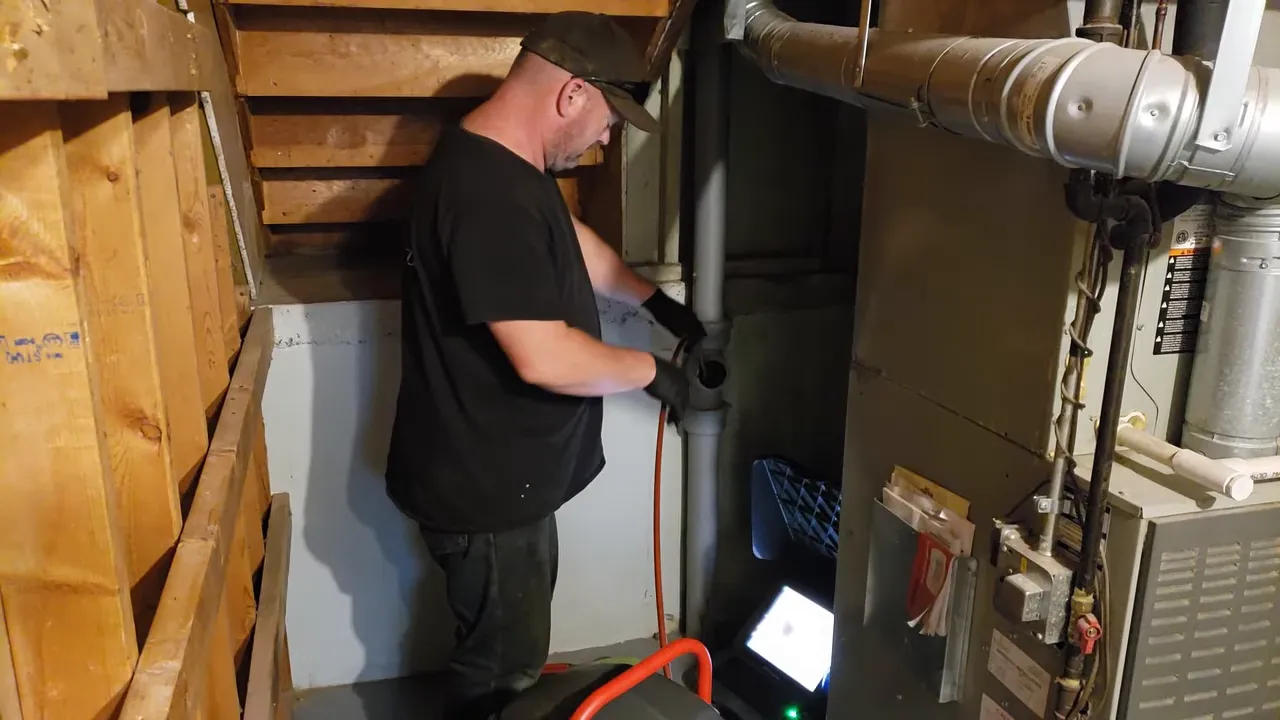
In older neighborhoods, the sewer line between the house and the street may have been installed in clay sections. Over time, joints can open slightly. When tree roots find those openings, they can grow and eventually block the main line.
A sewer scope inspection helps. It involves running a camera down the main line, which can identify blockage issues. It can cost under $100 when done through a plumber. For older homes, it is one of the most valuable inspections we can consider.
Roof Age and Insurance Coverage: ACV vs Replacement Coverage
After we purchase a home, we need to secure homeowners insurance right away. Insurance providers often ask about the age of the roof.
If the roof is over 5 years old, we might have difficulty obtaining full replacement coverage.
Insurance companies typically offer two coverage types:
- ACV(actual cash value)
- Replacement coverage
If we only have ACV and the roof needs replacing, the insurance company pays a portion of the cost, and we pay the remainder out of pocket. That is exactly the kind of detail that matters for real budgeting.
Basements and Water Intrusion: The Dry Basement “Holy Trinity”
Most Nebraska homes have basements, and the area gets ample precipitation. There are basements that have already experienced water intrusion and basements that will have intrusion in the future.
The dry basement “holy trinity” is:
- Grading
- Downspouts
- Gutters
When we buy, we should ensure the grading slopes away from the home. In new construction, we might see a “swale,” which directs water away from the foundation.
Online Looks Great, Real Life Can Frustrate
Photos do not show traffic patterns, and they cannot show noise or lighting. A home may look remodeled, but we should ask:
- Did the seller pull permits?
- What about traffic noise?
- Does the home back to a negative influence, like a busy area?
- Or does it front to one, like a busy street?
Some factors also require direct checking. For example, we can check the Nebraska Sex Offender Registry before making an offer.
A smart approach is to visit areas at different times of day. Morning, peak traffic, and evening. We are checking for noise, parking, lighting, and commute friction.
Don’t Let the Prettiest Kitchen Make the Decision
We can love a kitchen and still run the math. Before we commit, we should:
- Check covenants
- Run a real ownership cost check, including taxes, insurance deductibles, and roof age
- Review HVAC age and HOA documents
- Ask questions about real maintenance realities
How to Find an Honest Agent
After hearing all of this, the big question becomes: how do we make sure we work with an agent who tells us the truth, not just sells us the highlights?
We can filter for honesty using a practical, repeatable approach: look for accountability and standards, not just slogans.
Verify Licensing and Check Complaints
Start by verifying the agent is properly licensed in Nebraska. We can use the Nebraska Real Estate Commission website to search for the licensee name and check whether any complaints have been filed.
Read Reviews Differently: Look for Patterns
Don’t just count stars. Look for language that indicates transparency and direct problem solving. Some especially strong signals include:
- They pointed out problems
- They advised us not to buy
- They protected us in negotiation
Those language patterns often suggest truth telling behavior.
Watch for Pressure Language
Pressure language matters. If multiple comments mention being rushed, pushed, or forced to decide immediately, that is a yellow flag. Not always wrong, but it tells us something about their style.
Understand Nebraska Buyer-Broker Agreements
Nebraska has updated rules. Buyer broker agreements are now required, meaning to see a home you often need to sign two documents: a buyer broker agreement and an agency disclosure.
A buyer broker agreement is a written contract between a home buyer and an agent that spells out:
- Representation
- Compensation
- Terms of the relationship
Before we sign anything, we should know what we are agreeing to.
Interview Agents With Better Questions
The most reliable protection is an agent who anticipates uncomfortable moments. When we interview agents, we should ask better questions, like:
- Tell us about a time you advised a buyer not to buy a house. What was the issue, and what did you do instead?
- What is your negotiation plan if the inspection reveals five-figure items?
- If we are unhappy with your services, can we cancel the contract?
- Can you provide a list of clients you have helped in the past?
A good agent brings up negatives early. They tell us what they do not love about a house before we fall in love with it. That is what protection looks like.
Strong agents give options, not pressure. They can say: here are the trade-offs, here is the risk, here are your best two paths, and here is what I would do if I were in your shoes.
That kind of clarity makes living in Omaha feel less like a gamble and more like an informed choice.
Ready for a clearer, no-surprises Omaha plan? Call or text David Matney at ( 402)-490-6771 to get honest guidance on neighborhoods, true monthly costs, and your next best move. You can also book a quick consultation so we can map out the right options for your budget.
FAQs About Living in Omaha
Why do some agents avoid talking about true monthly payment in Omaha?
Real estate is commission-based, so there can be pressure to move deals forward. Conversations that create friction, like taxes, insurance, and maintenance costs, may make buyers pause and can affect the deal closing. Some agents default to vague reassurance or focus on highlights instead of the full math.
What costs in Nebraska can change the monthly payment the most?
Property taxes and homeowners insurance can meaningfully shift the monthly payment. In many cases, those ownership costs move the true monthly number more than people expect when they only look at price and interest rate.
What Omaha-specific issues should buyers consider beyond the listing photos?
The transcript highlights weather and its impact on basements, hail and roof wear, water management, and major systems like HVAC, roof, foundation movement, and moisture control. It also calls out due diligence items like radon and location-based disclosures.
What is radon and how do we handle it during a purchase?
Radon is a naturally occurring radioactive gas that can seep into homes through foundation or basement floor cracks. It is invisible and cannot be smelled. The guidance provided includes testing for about $150 and using an inspection contingency window to test. If levels are high, buyers can negotiate for a radon mitigation system.
How can we tell if an agent is honest and protective?
Look for accountability, verify Nebraska licensing and check complaints, and read reviews for patterns like transparency and direct problem identification. Watch for pressure language. During interviews, ask scenario-based questions, like whether they would advise a buyer not to buy and how they handle major inspection findings.
What inspections or checks are especially important for older Omaha homes?
The transcript emphasizes sewer scope inspections for potential main sewer line blockage and roots, checks related to roof age and insurance coverage, and basement water intrusion prevention through grading, downspouts, and gutters. It also notes that permit questions and real ownership cost checks matter even when a home looks great online.
Final thought: living in Omaha can be a great decision when we choose with our eyes open. We can love the look of a home and still demand the real numbers, the real neighborhood trade-offs, and the real risks we need to plan for.
READ MORE: If I Were Moving to Omaha, I'd Move Here!