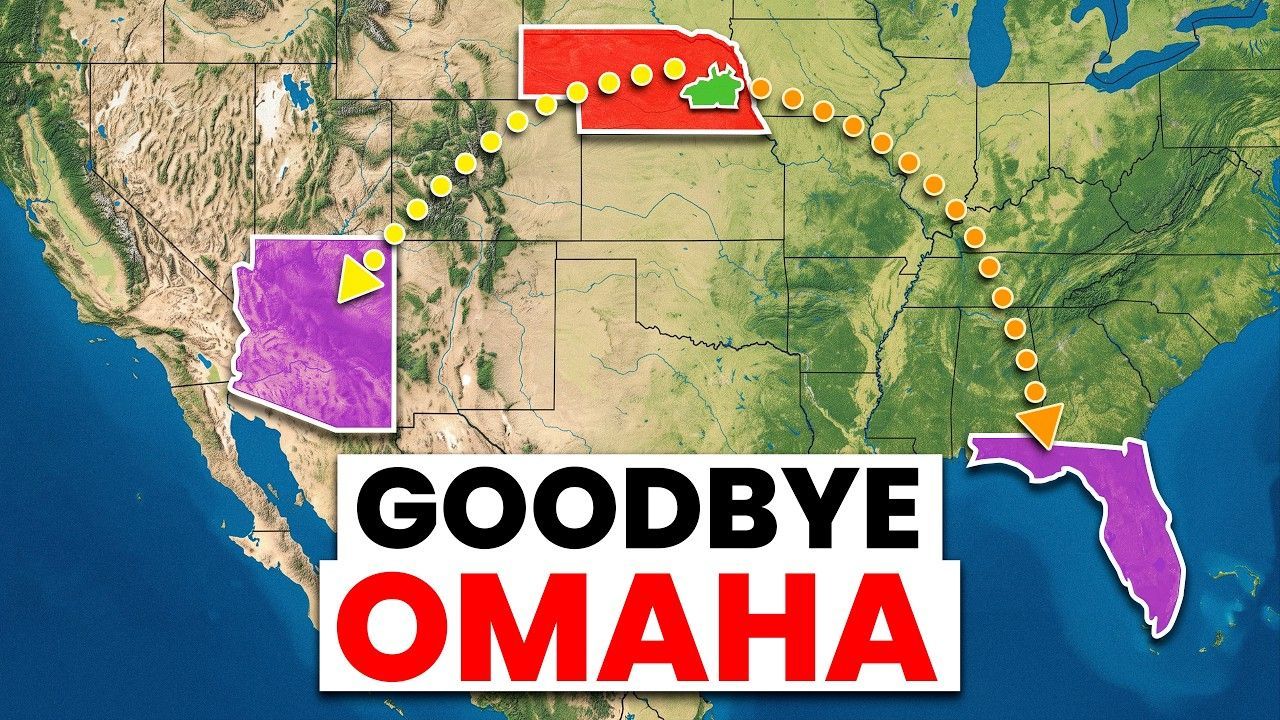
If you are moving to Omaha, one of the biggest mistakes we can make is assuming the entire metro is growing the same way. It is not. Some areas are expanding fast with new construction and retail, some are holding steady with dependable demand, and some are more about location and convenience than raw growth.
That matters whether we are buying our first home, relocating from out of state, upsizing, downsizing, or trying to choose an area that fits long-term goals. In this market, where we choose matters more than it has in years.
Omaha is acting like several markets at once. Affordability, school districts, new development, resale competition, commute times, and housing inventory all vary depending on which side of the metro we are talking about. So instead of treating Omaha like one big bucket, it helps to break it down area by area.
This guide covers eight of the top areas drawing attention right now and, more importantly, what is actually driving demand in each one.
Table of Contents
- Why Moving to Omaha Takes a Local Market Mindset
- 8. Ralston: Affordable and Conveniently Located
- 7. Bellevue: Consistent Demand Driven by Military Relocation
- 6. Midtown and Aksarben Village: Where Location Creates Value
- 5. Gretna: Fast Growth and New Construction
- 4. Papillion: One of Omaha’s Most Balanced Markets
- 3. Bennington: Growth Potential With a Developing Feel
- 2. Elkhorn: Strong Demand and Limited Inventory
- 1. West Omaha: The Metro’s Main Direction of Growth
- How to Choose the Right Area When Moving to Omaha
- FAQ
Why Moving to Omaha Requires a Local Market Mindset
When people start moving to Omaha, they often search by city name first and neighborhood second. That sounds reasonable, but it can lead to bad decisions.
The Omaha metro has clear differences in how each area behaves. A neighborhood with heavy new construction will show different stats than a mature resale market. A centrally located area with walkability and employer access will behave differently than a suburban growth corridor. A place anchored by a major employer or military base may remain active even when other parts of the market cool down.
So before we jump into the list, here is the bigger framework:
- Some areas are driven by affordability.
- Some are driven by convenience and proximity.
- Some are driven by builder activity and outward expansion.
- Some are driven by stable, reliable demand.
That is why choosing the right fit is more important than just chasing a popular zip code.
8. Ralston: Affordable and Central
Ralston earns a spot on this list because it continues to attract buyers looking for a lower price point and a more central location.
Compared with some of the faster-growing suburban parts of the metro, Ralston usually offers:
- Lower entry prices
- Smaller homes
- Older, more established housing stock
For buyers focused on affordability, that can be a strong value. Not everybody wants to stretch their budget for a newer home farther west. Some people would rather stay closer in, spend less, and get into a neighborhood with a more established feel.
The trade-off is that Ralston is not seeing the same scale of outward development as the west side of the metro. We do not typically see massive new neighborhood build-outs, major expansion corridors, or the same level of growth momentum tied to brand-new construction.
So if we are moving to Omaha and our priority is value plus central access, Ralston deserves a look. If the goal is to buy into the path of aggressive future expansion, there are stronger options higher on the list.
7. Bellevue: Consistent Demand And Military Relocation
Bellevue has one of the most dependable demand drivers in the metro, and that is Offutt Air Force Base.
That single factor creates a very different market dynamic than what we see in some other communities. Because of the base, Bellevue benefits from:
- Ongoing relocation activity
- Reliable housing demand
- A steady resale market
- A steady rental market
Even when the broader market slows, Bellevue often keeps moving because there is a built-in stream of people coming in and out of the area.
That consistency makes Bellevue appealing for buyers who value predictability more than explosive growth. It is a market that tends to have a stable pulse.
The downside is that Bellevue generally does not offer the same level of westward expansion or rapid appreciation potential as some of the growth-heavy suburban areas. Price growth tends to be more measured.
For anyone moving to Omaha who wants stability, dependable activity, and a market supported by a major long-term employer, Bellevue can make a lot of sense.
6. Midtown and Aksarben Village: Location Drives Value
Midtown and Aksarben Village are different from the suburban growth markets because demand here is less about expansion and more about location.
This part of Omaha appeals to buyers who want convenience built into daily life. The draw includes:
- Restaurants and entertainment nearby
- Shorter commute times
- Access to the University of Nebraska at Omaha
- Proximity to Nebraska Medicine
That combination creates strong interest from people who care about accessibility, amenities, and staying close to work or campus-related activity.
But there is a natural limitation in this part of town. Inventory is tighter. Because there is less room to sprawl, buyers often run into:
- Higher price per square foot
- Lower turnover
- More competition when desirable homes hit the market
So Midtown and Aksarben are not usually where we look for large lots or broad new-construction choices. They are where we look when lifestyle and location matter more than square footage or suburban expansion.
If we are moving to Omaha and want a more connected, convenience-focused experience, this area stands out.
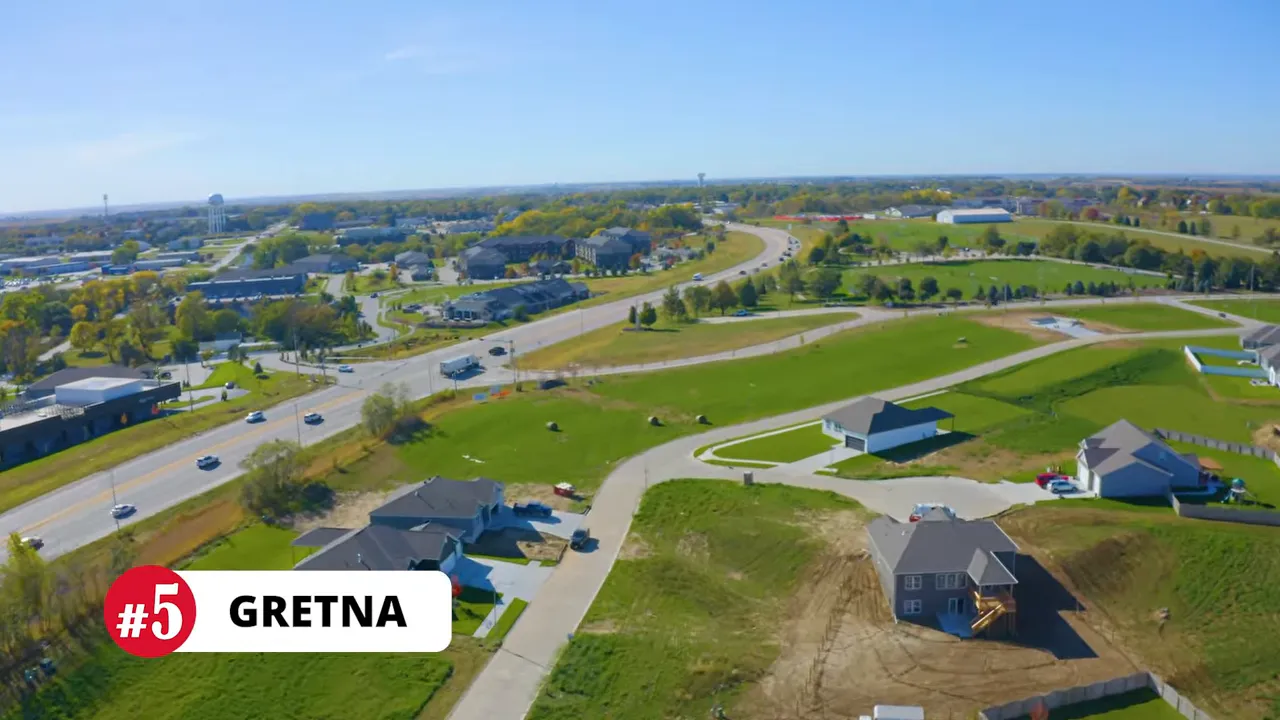
5. Gretna: Fast Growth And New Construction
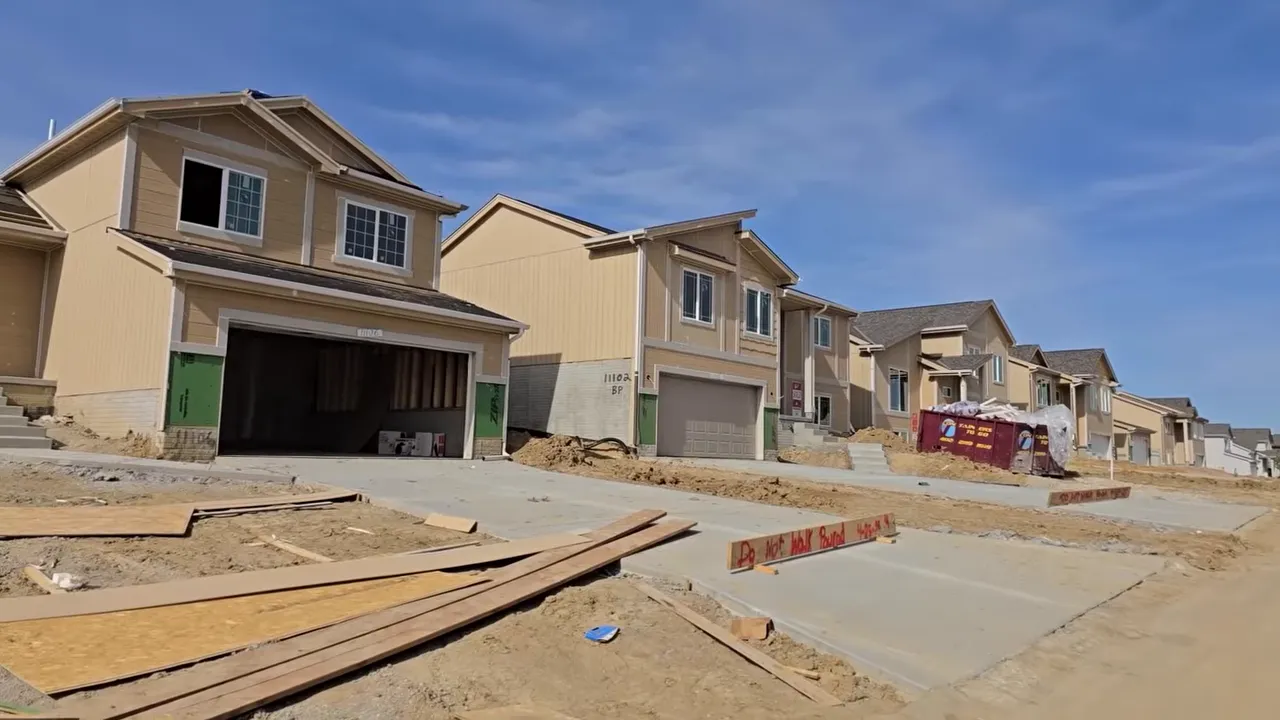
Once we get to Gretna, the conversation changes. This is one of the faster-growing parts of the metro, and the growth is easy to see.
Gretna’s momentum is being driven by a few major factors:
- New construction
- Expansion along the I-80 corridor
- Retail growth near Nebraska Crossing
- Entire new neighborhoods being built out quickly
For buyers who want newer homes, modern layouts, and the feeling of getting into an area while it is still expanding, Gretna is attractive.
There is one important thing to understand, though. Markets with a lot of builder inventory do not always behave like mature resale markets. Data points such as days on market and total inventory can look very different. That does not automatically mean demand is weak. It often means the market has to be interpreted in the right context.
In other words, a new construction-heavy market can look slower on paper while still being very active in real life.
Gretna is a strong fit if our goal is development, newer neighborhoods, and buying into a growing area. If we prefer an older, more settled community with mature landscaping and less ongoing construction, it may not be the best match.
4. Papillion: One Of The Most Balanced Markets
Papillion is one of the most balanced areas in the Omaha metro. It does not usually swing wildly in one direction or the other, and that is part of the appeal.
What keeps Papillion strong is its mix of:
- Access to employment
- Steady development
- Reliable resale demand
- Consistent activity
For many buyers, Papillion hits the middle ground. It offers stability without feeling stagnant. It has growth without feeling overly speculative. It stays active without the same level of pressure that can show up in the hottest submarkets.
That makes Papillion a smart option for buyers who want a more predictable experience. It is often the type of market where people feel comfortable because there are fewer dramatic surprises.
When people are moving to Omaha and want something steady, practical, and broadly appealing, Papillion tends to be one of the safest places to start the conversation.
3. Bennington: Growth Potential With A Developing Feel
Bennington is one of the more rapidly developing areas in the metro, and it has been attracting more buyer attention for a simple reason: it offers a growth story that can be appealing from both a lifestyle and pricing standpoint.
What stands out in Bennington:
- New construction continues to spread outward
- Infrastructure is still being added and improved
- Buyer interest has been increasing
- Pricing often comes in below Elkhorn while following a similar growth path
That last point matters. For buyers who like the general direction of west and northwest expansion but want a slightly different price position, Bennington often gets a close look.
The trade-off is that Bennington is still developing. That means we may be buying into a place that does not feel fully built out yet. Some amenities are still catching up. Construction may still be active around us. Change is ongoing.
For the right buyer, that is not a drawback. It is an opportunity. If we are comfortable buying into growth, Bennington may offer long-term upside. If we want everything mature and complete right now, it may feel a little early.
2. Elkhorn: Strong Demand And Limited Inventory
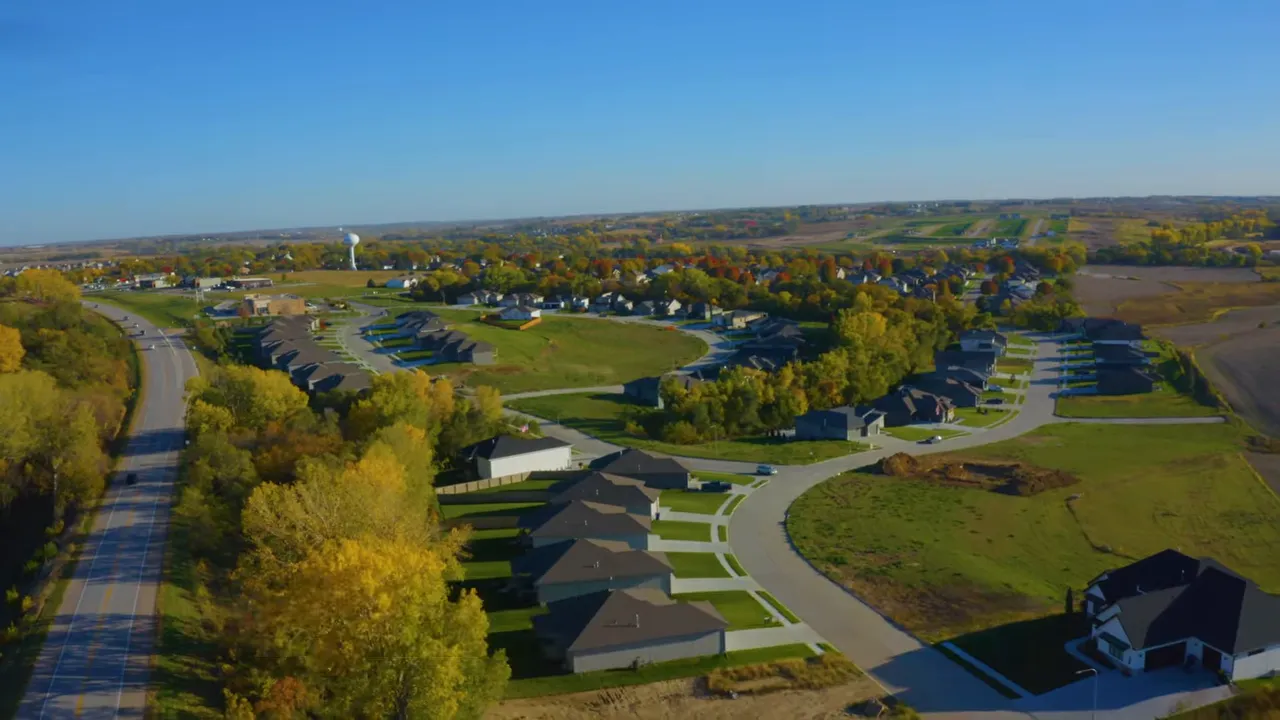
Elkhorn remains one of the most in-demand areas in the Omaha metro, and it has built that reputation over time.
Its appeal comes from a combination of factors:
- Established neighborhoods
- Strong resale demand
- Continued westward growth
- A track record of buyer interest
One of the most important characteristics of Elkhorn is low turnover. People move there, settle in, and often stay. That creates a tighter inventory environment, which usually leads to:
- More competition
- Stronger pricing
- Fewer available options at any given time
The obvious challenge is the higher entry point. Buyers need to be prepared for that. In a market with limited supply and strong demand, affordability can be tougher.
Still, for buyers focused on long-term stability, Elkhorn continues to stand out as one of the stronger parts of the metro. If we are moving to Omaha and want an area with an established reputation plus ongoing growth around it, Elkhorn stays near the top of the list.
1. West Omaha: The Main Direction of Growth
West Omaha takes the top spot, but it is important to define what that means. This is not a single neighborhood. It is the broad direction the city continues to grow.
Expansion keeps pushing farther west, including areas around 180th, 192nd, 204th, and beyond. That growth includes:
- New resale development
- Retail expansion
- Infrastructure moving outward
- Continued residential build-out
Historically, Omaha has expanded westward, and that pattern is still very much in place. That is why West Omaha continues to attract so much attention from buyers, builders, and developers.
For anyone thinking long term, this matters. The path of growth often shapes future convenience, amenities, neighborhood options, and demand patterns. Buying in the direction a city is naturally expanding can be a strategic move, especially for people who want a newer home or want to be near where future retail and services are likely to land.
That does not mean West Omaha is automatically the best choice for everyone. It simply means this is where a large share of the metro’s visible momentum is happening right now.
How to Choose the Right Area When Moving to Omaha
The biggest takeaway is simple: Omaha is not one market moving in one direction. It is several submarkets doing different things at the same time.
That is why the right area for us depends on what we value most.
Choose Ralston if we want:
- Lower entry prices
- A central location
- Established housing stock
Choose Bellevue if we want:
- Stable demand
- Military-related relocation activity
- A consistent resale and rental environment
Choose Midtown or Aksarben if we want:
- Convenience
- Restaurants and entertainment
- Shorter commutes and proximity to major institutions
Choose Gretna if we want:
- New construction
- Fast development
- Access to a rapidly growing corridor
Choose Papillion if we want:
- Balance
- Predictability
- Steady market activity
Choose Bennington if we want:
- Growth potential
- Newer development
- A price point that may compare favorably with nearby high-demand areas
Choose Elkhorn if we want:
- Strong long-term demand
- Established neighborhoods
- A proven and competitive market
Choose West Omaha if we want:
- To be in the main path of expansion
- Newer communities
- Access to future growth and development patterns
If we are moving to Omaha, the real goal is not just to find a house. It is to match the right area to the reason we are making the move in the first place. Budget, commute, lifestyle, growth potential, and comfort with new development all matter. Once we get clear on those priorities, choosing the right part of the metro gets much easier.
Ready to find the Omaha neighborhood that fits your priorities? Call or text 402-490-6771 to book a free relocation consultation.
FAQ
What is the fastest-growing area for people moving to Omaha?
West Omaha and Gretna stand out for visible growth. West Omaha is the broader direction of expansion, while Gretna is seeing strong new-construction activity and rapid neighborhood development.
Which Omaha area is best for affordability?
Ralston tends to offer lower entry prices than many of the higher-growth suburban areas. It is often considered by buyers who want affordability and a more central location.
Is Bellevue a good choice when moving to Omaha?
Yes, especially for buyers who value consistency. Bellevue benefits from steady housing demand tied to Offutt Air Force Base, which supports both resale and rental activity.
Why is Elkhorn so competitive?
Elkhorn has a combination of established neighborhoods, strong resale demand, and low turnover. Many people who move there stay, which keeps inventory tight and competition high.
Are Midtown and Aksarben better for lifestyle than expansion?
That is a fair way to look at it. These areas are driven more by convenience, entertainment, shorter commutes, and proximity to employers and institutions than by large-scale outward development.
What should we look at first when moving to Omaha?
Start with priorities. Decide whether affordability, commute time, new construction, long-term growth, or market stability matters most. Different Omaha areas align with different goals, and that is the key to making a better decision.
When people talk about moving to Omaha, the conversation usually starts with cost of living or weather. In reality, the smarter conversation starts with geography. The metro is growing, but it is not growing evenly. Once we understand that, we can make much better decisions about where to land.
And that is really the whole point. The best area is not the one with the loudest buzz. It is the one that fits what we are trying to accomplish.
READ MORE: Moving to Omaha: 9 Things No One Tells You Before You Pack