Moving to Omaha can make a lot of sense on paper. The metro just crossed 1 million residents, housing is cheaper than the national average, and the overall cost of living is still below what many relocators are used to. Major employers are here. The city has real economic anchors. Those are legitimate strengths.
But if we are serious about moving to Omaha, we need to look past the glossy version. A weekend trip, a few neighborhood tours, and a Zillow search do not tell us what day-to-day life actually feels like. The gap between “looks affordable” and “works for our lifestyle” is where expensive mistakes happen.
This is the practical side of moving to Omaha. Not fear-mongering. Not hype. Just the details that matter before we buy a house, choose a suburb, or build a monthly budget around assumptions that may not hold up here.
Table of Contents
- Why Moving to Omaha Appeals to So Many People
- 1. Omaha Is A Car City
- 2. Suburbs Can Mean Longer Commutes Than Expected
- 3. The Tax Picture Is More Complicated Than The Home Price
- 4. The Job Market Is Stable, But Not Unlimited
- 5. Housing Is Still Competitive
- 6. School Districts Carry A Lot Of Weight
- 7. Property Taxes And SIDs Can Catch Buyers Off Guard
- 8. Homeowner’s Insurance Is Not A Small Line Item
- 9. Flood Zones And Basement Risk Need Real Due Diligence
- 10. Severe Weather Is Part Of Life Here
- 11. Winter Storms Can Disrupt Daily Life
- 12. Career Growth Deserves An Honest Look
- Final Thoughts On Moving to Omaha
- FAQ
Why Moving to Omaha Appeals to So Many People
There is a reason moving to Omaha keeps showing up on people’s radar. The city offers a combination that is hard to ignore:
- Housing costs below the national average
- Overall living costs that remain lower than many larger metros
- Major employers like Berkshire Hathaway, Union Pacific, Mutual of Omaha, Nebraska Medicine, and Offutt Air Force Base
- A growing metro with strong suburban development
Those are real advantages. We should not pretend otherwise. But moving to Omaha works best when we evaluate the full picture, including transportation, taxes, schools, insurance, and weather. That is where the city can surprise people.
1. Omaha Is A Car City
If we are moving to Omaha from a place with strong transit options, this adjustment can be bigger than expected.
Omaha is overwhelmingly built around the car. There are bus routes, and the Orbit rapid bus line serves a corridor along Dodge Street, but this is not a city where most households can comfortably rely on transit for daily life. Rail is not part of the system, and even the planned streetcar is not going to solve suburb-to-job-center commuting for large parts of the metro.
That matters because many relocators focus on home price and forget to budget for the total cost of transportation. In Omaha, we usually need to think in terms of:
- At least one dependable vehicle, often two
- Insurance and fuel
- Maintenance and repairs
- A backup plan when a car is in the shop
Before moving to Omaha, it is smart to test our routes, not just admire neighborhoods.
2. Suburbs Can Mean Longer Commutes Than Expected
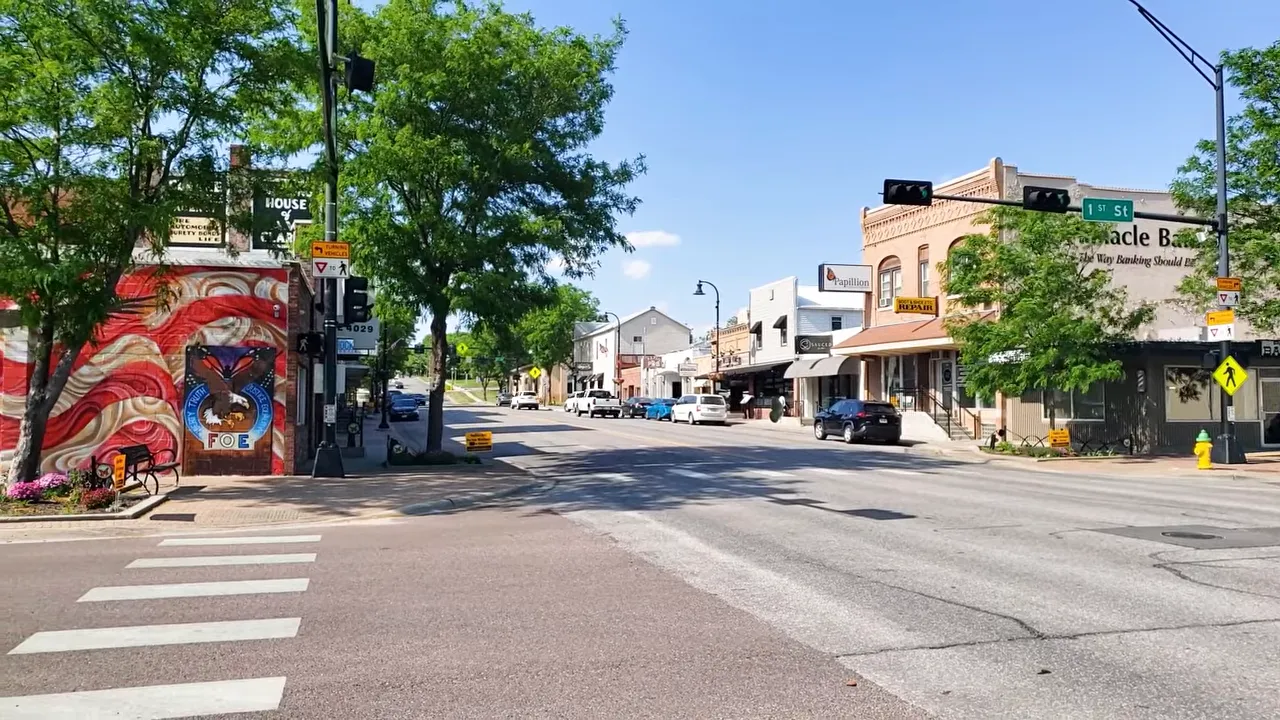
Omaha’s desirable suburbs are spread out. Elkhorn, Gretna, Papillion, Bennington, and Bellevue all appeal to different buyers, but they are not clustered in a way that makes every commute easy.
Cross-suburb drives can stretch into the 35 to 50 minute range in rush hour, especially when school traffic is in play. Dodge Street and I-80 are recurring pressure points, and the metro has added tens of thousands of car commuters over the last decade.

One of the simplest ways to avoid a bad decision when moving to Omaha is to map the commute at the actual times we would drive it. Not on a Sunday. Not in summer break. A school-year Tuesday morning is far more revealing.
If two adults are commuting to different parts of the metro, run both routes before making an offer. A beautiful house can become a frustrating one fast if the daily drive wears us down.
3. The Tax Picture Is More Complicated Than The Home Price
This is where moving to Omaha can look affordable at first glance and less affordable after the numbers are complete.
Nebraska has a state income tax, sales tax, and property taxes that run well above the national average. There is also an inheritance tax in Nebraska, which is unusual compared with most states. On the other hand, some categories such as military retirement income and Social Security are exempt from Nebraska state income tax, which can materially improve the picture for the right household.
The point is not that Omaha is unaffordable. The point is that we need to run our after-tax take-home pay for a Nebraska address, not rely on headline home prices alone.
A lower mortgage payment does not automatically mean a lower total cost of ownership.
4. The Job Market Is Stable, But Not Unlimited
Moving to Omaha for work can be a strong move, depending on the field. The metro is not dealing with a jobs collapse. Unemployment has remained relatively low, and the city benefits from major corporate and institutional employers.
But salary levels in Omaha run below national averages, and that gap matters more than many people realize. On average, annual wages and weekly pay both trail U.S. norms by a noticeable amount.
Where Omaha looks strongest is in sectors like:
- Healthcare
- Logistics
- Warehousing
If our background lines up there, moving to Omaha may fit very well. If our career depends on a deep and highly competitive market with multiple employers chasing specialized talent, we should research the local salary range carefully before assuming the move will improve our long-term trajectory.
5. Housing Is Still Competitive
Many people moving to Omaha expect a slower, easier housing market because prices are lower than on the coasts. That assumption can lead to disappointment.
In the areas most relocators target, inventory has been tight. A balanced market would normally carry several months of supply. Omaha has been operating far below that in key counties, and well-priced homes can still attract multiple offers quickly.
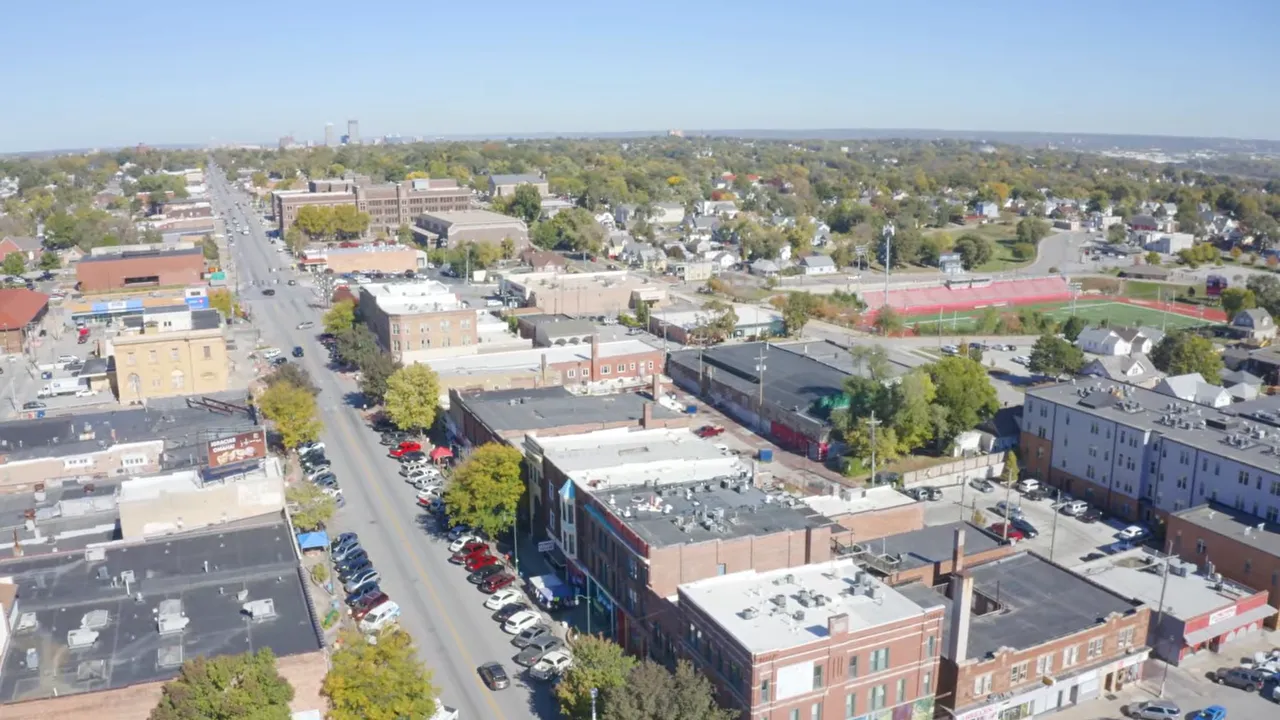
That means moving to Omaha often requires more preparation than expected, especially for out-of-state buyers. We want to be:
- Pre-approved before seriously searching
- Clear on budget and must-haves
- Ready to make decisions on a compressed timeline
Remote buyers often need more time to evaluate a house. The market may not give us that time if the property is in a hot corridor.
6. School Districts Carry A Lot Of Weight
For families moving to Omaha, school districts are not a side note. They are one of the biggest drivers of home search strategy and home values.
District performance varies significantly across the metro. That means the same budget can buy very different things depending on where the district lines fall.
Just as important, school boundaries do not always line up with what seems obvious on a map. We should verify a property’s exact district assignment directly with the district office before writing an offer. Assuming based on neighborhood name or general location is risky.
When moving to Omaha with kids, district research needs to happen early, not after we fall in love with a house.
7. Property Taxes And SIDs Can Catch Buyers Off Guard
This is one of the biggest financial surprises for people moving to Omaha from out of state.
Property taxes in the metro are high, especially in some of the newer and faster-growing areas. On top of that, Nebraska has a development tool called a Sanitary Improvement District, or SID. In newer subdivisions, developers use SIDs to finance infrastructure like roads, water lines, and sewer systems. That cost eventually flows through to homeowners in the form of added tax burden, often over a period of many years.
SIDs are not automatically bad. In fact, they help make development possible. But if we are moving to Omaha and buying in a newer subdivision, we need to know:
- The current mill levy
- Whether the home is in a SID
- How long that SID is expected to remain in place
There is a second issue here too: new-construction payment shock.
When a lender first sets up escrow on a brand-new house, it may be based on the tax bill for the vacant lot. After reassessment, the property tax bill can jump dramatically once the completed house is valued. That can trigger a major escrow shortage and a sudden monthly payment increase that the buyer did not budget for.

If we are buying new construction while moving to Omaha, we need to estimate taxes based on the improved property, not the dirt.
8. Homeowner’s Insurance Is Not A Small Line Item
Another budget item that catches people off guard when moving to Omaha is insurance.
Nebraska ranks among the more expensive states in the country for homeowner’s insurance, and rate increases have been steep. The reason is straightforward: this state sits in a high-risk weather corridor, especially for hail and wind damage.
Large hail events are not theoretical here. Neither are tornadoes. That risk shows up directly in premiums.
So before we finalize a budget for moving to Omaha, we should get a real quote from a licensed Nebraska insurance provider on the specific property we are considering. A national average or online estimate is not enough.
9. Flood Zones And Basement Risk Need Real Due Diligence
Flood risk is another issue that deserves much more attention than it usually gets.
Updated flood maps have affected parts of Omaha and surrounding counties, which means some homes that previously did not require flood insurance may now fall into a flood zone. In some cases, even current owners may not fully understand the change yet.
Omaha can be affected by flooding from several sources:
- The Missouri River
- The Papillion Creek basin
- Urban stormwater runoff
For a buyer, the issue is not just whether the house has ever flooded. It is whether the property’s current map status could require separate flood insurance and what that would cost. In higher-risk situations, that extra premium can significantly affect monthly housing expenses.
And because basements are common in this area, drainage, grading, and water intrusion are not minor inspection items. They are central items.
10. Severe Weather Is Part Of Life Here
If we are moving to Omaha, we need to be honest about climate. This area deals with major temperature swings, severe storms, tornado risk, hail, extreme heat, and winter weather. That is simply part of the package.
Recent years have included very large temperature spreads, major tornado activity across Nebraska, heat waves, and destructive storm systems near the Omaha metro, including the Elkhorn area.
This does not mean daily life is unsafe or unmanageable. People live here just fine. But it does mean we should prepare like locals prepare. That includes:
- A weather alert plan
- A basement or shelter strategy
- Respect for roof condition, siding condition, and drainage
- Utility budgeting for both hot summers and cold winters
When moving to Omaha, the inspection process is not a box to check. It is where we learn whether a specific property is set up well for the realities of this climate.
11. Winter Storms Can Disrupt Daily Life
People often think first about tornadoes, but winter weather can create equally practical problems.
Blizzards and high-wind storm systems can knock out power, close sections of interstate, and affect infrastructure across the metro. Omaha is not unique in having winter weather, but it does get events serious enough to interrupt work, school, travel, and home systems.
That matters when moving to Omaha because home features suddenly become more important:
- Garage access
- Driveway exposure
- Tree risk
- Backup heating considerations
- Basement condition during freeze-thaw cycles
These are practical ownership issues, not abstract weather headlines.
12. Career Growth Deserves An Honest Look
This is the most important long-term question for many people moving to Omaha.
Nebraska continues to lose a meaningful number of college-educated adults each year, and a notable share of that outflow comes from the Omaha metro. What is especially worth paying attention to is that this is not only a young-graduate issue. More established adults in their early career-building years are also part of that trend.
Combined with the wage gap between Omaha and national averages, this points to a real issue: for some professionals, the local market may offer stability but a lower ceiling.
That does not mean Omaha is a bad city. Far from it. It means moving to Omaha is strongest for households whose careers align with the metro’s structure and opportunities.
We should ask a direct question before relocating: Is this market the right fit for our career path over the next 5 to 10 years?
If the answer is yes, Omaha can be a very smart move. If the answer is uncertain, we need to figure that out before we buy into a lifestyle that becomes hard to unwind.
Final Thoughts On Moving to Omaha
Moving to Omaha is not for everyone, and that is exactly why it works so well for the right people.
If we want lower home prices than many major metros, a strong suburban housing pipeline, major employers, and a city that still offers real value, Omaha deserves a serious look.
But if we ignore the full cost picture, underestimate weather, skip insurance and flood research, or assume any suburb will work for any commute, we can make an expensive mistake.
The smart approach to moving to Omaha is simple:
- Run the complete monthly budget, not just the mortgage
- Research commute patterns by time of day
- Verify school district boundaries
- Check tax rates, SID status, and reassessment risk
- Get real insurance quotes early
- Review flood zone status and basement condition carefully
- Be honest about whether the career market fits our long-term plans
When we do that work upfront, moving to Omaha becomes much less about hope and much more about fit. And that is how we make a confident decision.
If you’re seriously considering a move to Omaha, call or text 402-490-6771 for a free, no-pressure relocation conversation. We’ll walk through your budget, commute, and key risks so you can decide with confidence—without costly surprises.
FAQ
Is moving to Omaha a good idea for families?
It can be, especially for families looking for more house for the money and access to suburban communities. But school district research needs to happen early because district assignment strongly affects both home choice and resale value.
Is Omaha affordable compared with other cities?
In many ways, yes. Housing and overall living costs are below national averages. But affordability needs to be measured after factoring in Nebraska property taxes, income taxes, insurance costs, and transportation needs.
Do you need a car when moving to Omaha?
For most households, yes. Omaha is highly car-dependent, and public transportation is limited compared with many peer metros. Commute planning should be part of the housing search.
Are Omaha suburbs far from downtown?
Some are. More importantly, suburb-to-suburb commutes can be longer than expected during peak traffic. Places like Gretna, Papillion, Bennington, and Elkhorn can all work well, but commute patterns vary a lot depending on where we work.
What is a SID in Nebraska real estate?
A SID, or Sanitary Improvement District, is a financing structure often used in new subdivisions to pay for infrastructure such as roads, sewer, and water lines. Homeowners in those areas can pay higher property taxes for years because of it.
Is homeowner’s insurance expensive in Omaha?
It can be significantly higher than many buyers expect because of hail, wind, and tornado risk. It is wise to get a property-specific quote early instead of relying on a national average.
Should flood zones be a concern when moving to Omaha?
Yes. Updated flood maps have affected properties in Omaha and nearby counties. Some homes may require separate flood insurance, and standard homeowner’s policies do not cover flood damage.
Is Omaha a good place for career growth?
That depends heavily on the field. Healthcare, logistics, and warehousing are strong areas. For highly specialized roles, especially where income growth depends on a broader employer base, more research is necessary before moving to Omaha.
READ MORE: Moving to Omaha, NE? 12 Things to Know Before You Move