One of the first questions we all ask when considering a move is simple: what is the cost of living? But that question only tells part of the story. We also have to weigh the cost of living in Omaha, NE against the quality of life we get in return.
That is where Omaha tends to surprise people.
For many folks relocating here, the big shock is not just that Omaha is affordable. It is that Omaha pairs a relatively low cost of living with a quality of life that feels higher than expected. Housing is still more attainable than in many larger metro areas. Commutes are manageable. Day-to-day expenses are generally reasonable. At the same time, there are a few costs people do not always anticipate, especially taxes and insurance.
If you are comparing cities, planning a move, or trying to decide whether Omaha makes financial sense for your lifestyle, here is a practical look at the cost of living in Omaha, NE in 2024.
Table of Contents
- How The Cost Of Living In Omaha, NE Compares To The National Average
- Where Omaha Is Cheaper And Where It Is Not
- Transportation, Commutes, And Getting Around
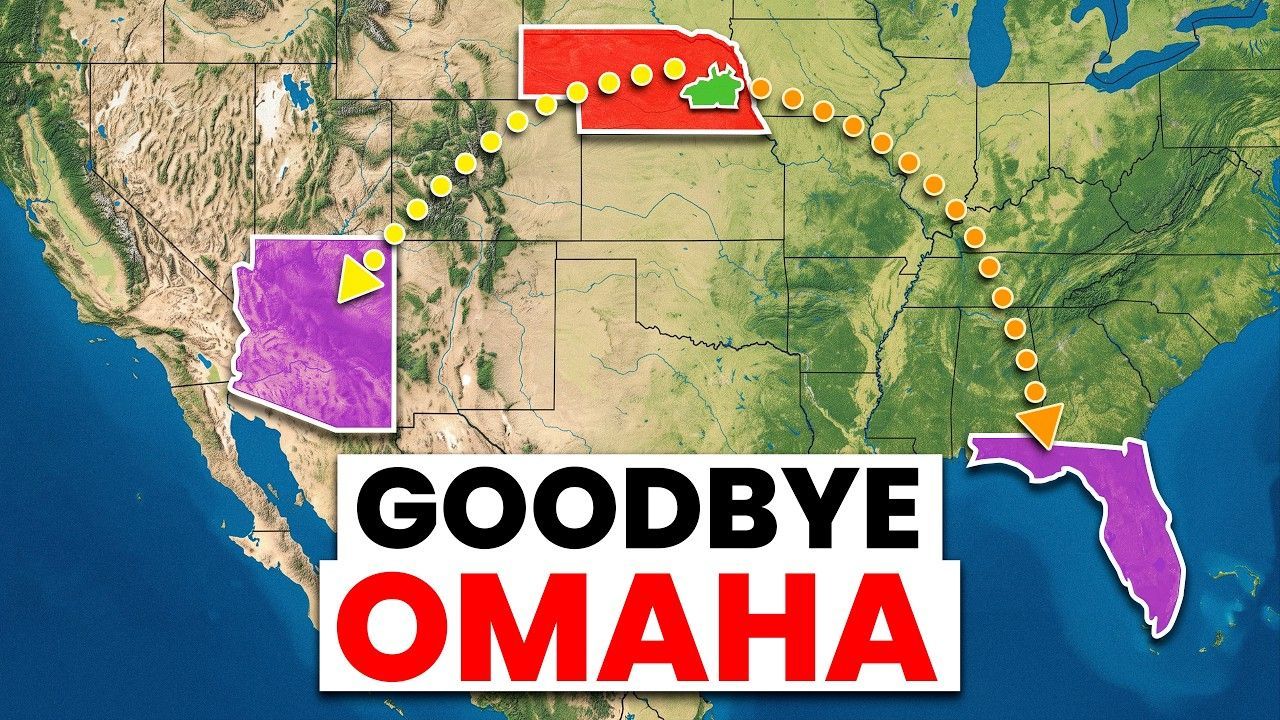
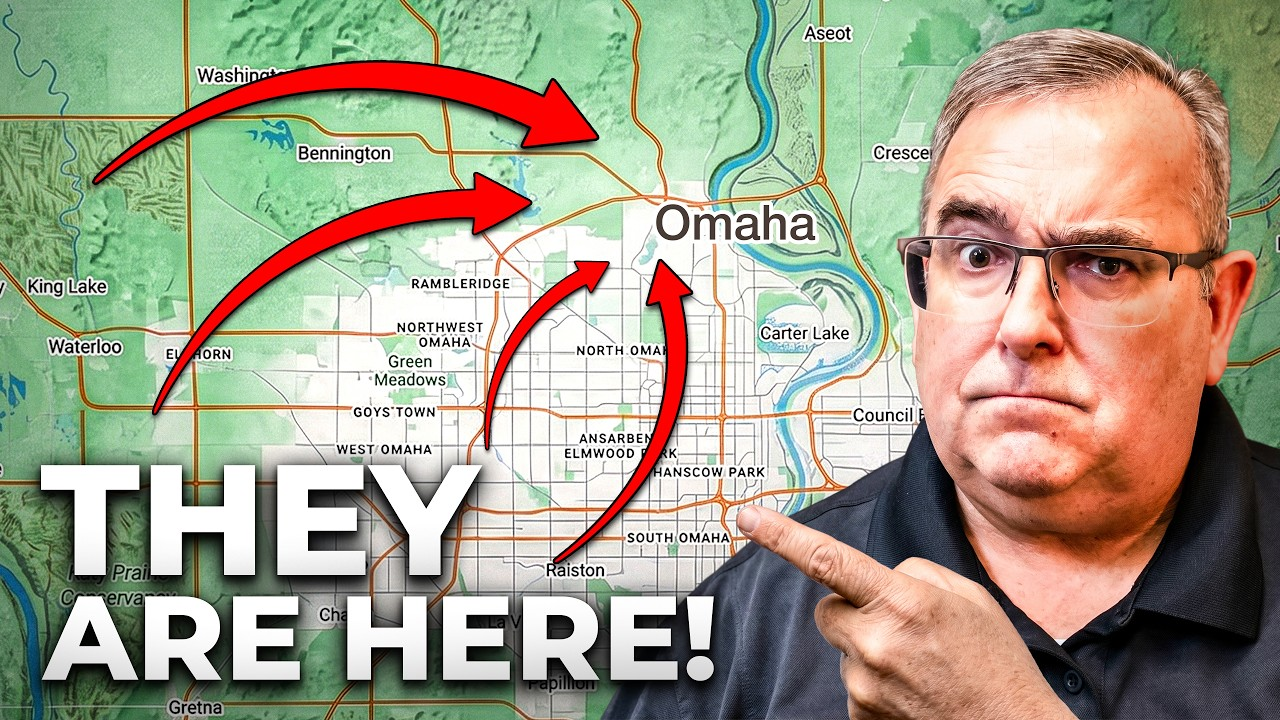
- Where People Moving To Omaha Are Coming From
- Omaha Vs Seattle: A Real-World Cost Comparison
- Home Prices And Rent In Omaha
- Taxes In Omaha: What Catches People Off Guard
- Homeowners Insurance In Nebraska
- Final Thoughts On The Cost Of Living In Omaha, NE
- Frequently Asked Questions
How The Cost Of Living In Omaha, NE Compares To The National Average
Using Payscale data, the overall cost of living in Omaha, NE comes in 7% lower than the national average. That is a helpful starting point because it tells us Omaha is not just slightly cheaper in one category. It is broadly more affordable across everyday life.
That said, averages only get us so far. When people move, they do not buy “average.” They pay for housing, utilities, groceries, transportation, taxes, and insurance. So it helps to break things down by category.
Where Omaha Is Cheaper And Where It Is Not
Compared to the national average, Omaha looks like this:
- Housing: 16% lower
- Utilities: 6% lower
- Groceries: 3% lower
- Transportation: 3% higher
The biggest win in the cost of living in Omaha, NE is clearly housing. That is often the expense that makes or breaks affordability in a city, and Omaha still performs well here relative to much of the country.
Utilities being lower is also a nice bonus. Groceries are not dramatically cheaper, but even a modest difference helps over time.
The category that surprises some people is transportation. Omaha is slightly higher than the national average there, and the reason is pretty straightforward: public transportation is still limited for a city of this size.
Transportation, Commutes, And Getting Around
Omaha has made progress. We now have the ORBT system, which stands for Omaha Rapid Bus Transit. These are the orange articulated buses running east and west along Dodge Street. A streetcar system is also scheduled to come online in spring 2027.
That is good news, but we still have room for improvement.
Where you live matters a lot. If you are near downtown or Midtown Omaha, you have more options for public transportation. If you live farther west or in the suburbs, you are very likely going to need a car.
Even so, Omaha does have one transportation advantage that many larger cities cannot match: time.
The average commute in Omaha is about 20.5 minutes, which is 6 minutes faster than the national average. That may not sound dramatic at first, but over the course of a year, that adds up to a lot of time not spent sitting in traffic.
So while the transportation category may cost a bit more because of car dependence, daily life often feels easier because the city is simply more manageable to move around in.
Where People Moving To Omaha Are Coming From
Redfin inbound migration data highlights a wide range of cities sending people to Omaha. The top ten listed were:
- Kansas City
- Seattle
- Los Angeles
- San Francisco
- Lincoln
- Washington, DC
- New York
- Sacramento
- Boston
- San Diego
That list says a lot. Omaha is not just attracting people from nearby Midwestern cities. It is also pulling interest from some of the most expensive housing markets in the country.
And when people arrive from places like Los Angeles or Seattle, the affordability gap can be eye-opening.
One recent relocation from Los Angeles really sums it up. The buyer purchased a brand-new home in Omaha for just over $300,000 and was shocked at both the affordability and the overall quality of life. In Los Angeles, that same home would have been over $750,000.
He also pointed out something small but telling: people in Omaha leave their lawn furniture out during the day. To him, that felt like stepping back into a different era. His description of Omaha was simple and memorable: a hidden gem.
Omaha Vs Seattle: A Real-World Cost Comparison
To understand the cost of living in Omaha, NE, it helps to compare it to a city where affordability is a much bigger challenge.
Take Seattle.
Compared to Seattle, the overall cost of living in Omaha is 38.3% lower. Housing is where the difference becomes even more dramatic: Omaha housing is 60.2% lower than Seattle.
Another way to think about it is income equivalency. Someone earning $80,000 a year in Seattle would only need to make about $49,336 in Omaha to maintain the same standard of living.
That is a massive shift in buying power.
Kansas City, on the other hand, is much closer to Omaha. The cost of living is only about 1% lower in Omaha compared to Kansas City. So if you are moving from Kansas City, the difference may feel modest. If you are moving from the West Coast or Northeast, it can feel enormous.
Home Prices And Rent In Omaha
Omaha remains affordable, but that does not mean prices have stayed flat. Like many markets, we have seen a real jump in housing costs over the past few years.
For January 2024, the median closed sales price in Douglas and Sarpy Counties was $300,000, up 7.4% from January 2023. And in January 2023, prices had been up 35% compared to the prior year.
So yes, Omaha is still relatively affordable, but the days of ultra-cheap housing are not what they once were. People moving here from coastal cities still tend to feel relief. Longtime locals, however, have definitely noticed the increase.
What you get for your money
A side-by-side example paints the picture well.
In Seattle, a three-bedroom, two-bath home with about 1,660 finished square feet, no garage, built in 1909, was priced at $985,000.
In Omaha, a three-bedroom, two-bath home with about 1,590 finished square feet, built in 1924, was listed for $375,000. That home was in a highly desirable area near Elmwood Park, the University of Nebraska Omaha, Nebraska Medicine, and Aksarben.
And that location matters. Elmwood Park is a popular part of town with green space and a golf course. UNO brings energy to the area. Nebraska Medicine is the state’s only Level I trauma center. Aksarben Village adds restaurants, businesses, and entertainment. It is the kind of area where people want to be, and even there, the pricing still compares favorably against much pricier metros.
There is also a little local color in that neighborhood. Warren Buffett has lived just a few blocks away on Farnam Street since 1958. That is one of those details that reminds us Omaha has a very grounded, understated personality.
Rent comparison
Rent tells a similar story.
In Seattle’s University District, a studio apartment at the Accolade was listed around $2,229 per month for 387 square feet.
In Omaha, near Nebraska Medicine, a comparable studio at The Zag offered 324 square feet for $890 per month.
That is not a tiny difference. That is a major shift in monthly living costs.
And if you happen to live around that part of Omaha, there is another perk: great local food. Three Happiness on Leavenworth has been a longtime favorite for affordable Chinese food. It is not fancy, but it is one of those places people keep going back to for decades.
Taxes in Omaha: What Catches People Off Guard
If there is one area that can offset some of the savings in the cost of living in Omaha, NE, it is taxes.
Nebraska is not shy about taxing things, and this is one of the most important parts of the budget conversation for anyone moving here.
Property taxes
Nebraska property taxes are high, and Omaha buyers need to plan for that.
Using the earlier example of the $375,000 home on Leavenworth Street, the annual property tax bill was $5,542.42.
In Douglas County, property taxes fund more than 10 government agencies, and the majority of those dollars go toward public schools.
That means a home price that feels affordable at first glance can come with a tax payment that is noticeably higher than what buyers from some other states are used to.
State income tax
Nebraska uses a graduated state income tax system, with rates ranging from 2.46% to 6.64%.
This is another category people should factor in when comparing take-home pay between states.
Sales tax
The Nebraska state sales tax is 5.5%. In Omaha, the local sales tax is 1.5%, bringing the combined total to 7%.
Local municipalities can go as high as 2%. For example, Papillion has a combined sales tax of 7.5%.
There is a little relief here: food and prescription drugs are exempt from sales tax in Nebraska.
Restaurant tax
If we like to eat out, and in Omaha that is easy to do because we have a lot of strong local restaurants, there is another tax to know about.
Omaha adds an extra 2.5% restaurant tax on top of the 7% sales tax. So dining out costs a bit more than some people expect.
Vehicle taxes
Nebraska also taxes vehicles annually. The motor vehicle tax is based on the age and value of the car. This is another recurring expense that people sometimes overlook when budgeting for a move.
A simple way to summarize it is this: Omaha can be very affordable on the housing side, but Nebraska’s tax structure means we need to look at the full picture, not just the sale price of the home.
Homeowners Insurance in Nebraska
Homeowners insurance is another cost that deserves attention.
According to Insurance.com, Nebraska ranks third behind Oklahoma and Kansas for the highest homeowners insurance rates. A likely reason is our severe thunderstorm activity in spring and summer.
That weather risk affects premiums, especially when it comes to hail damage and roofing claims.

Why the cheapest policy is not always the best deal
When shopping for insurance, we do not want to focus only on the lowest premium. We want the best policy at the lowest reasonable rate.
One of the biggest coverage issues to understand is the difference between:
- Replacement cost coverage
- Actual cash value coverage (ACV)
With replacement cost coverage, if a hailstorm damages the roof and replacement is required, we pay the deductible and the insurer generally covers the rest.
With ACV coverage, the insurer depreciates the roof based on age and wear. That means even after paying the deductible, we may still owe a significant amount out of pocket because the insurance company only reimburses part of the replacement cost.
This is one of those details that can become painfully important after a storm. It is worth talking through the policy carefully with a trusted insurance professional before buying a home.
A practical hail claim tip
After a storm, if we suspect hail damage, it is often smarter to call a trusted roofer first rather than immediately filing with insurance.
Why? Because if an adjuster comes out and there is no damage, that can still show up as a zero-paid claim. Too many claims, even zero-paid claims, may create problems with future coverage.
That is a small but useful piece of advice for living in Nebraska, where weather is simply part of the equation.
Final Thoughts On The Cost Of Living In Omaha, NE
The cost of living in Omaha, NE is one of the city’s strongest selling points, especially for anyone relocating from the West Coast, the Northeast, or another high-cost market.
Omaha is 7% below the national average overall, with housing running 16% below the national average. Commutes are short. Rent and home prices are still much more manageable than in many major metros. And for a lot of people, the quality of life feels better than expected.
At the same time, Omaha is not cheap in every category. Transportation can run a little higher because a car is often necessary. Property taxes are significant. State and local taxes add up. Homeowners insurance can be expensive because of weather risk.
So the right way to think about Omaha is not “cheap across the board.” It is good value.
For many households, that is actually better. We are not just looking for the lowest costs possible. We are looking for a place where our money goes farther without giving up livability. That balance is where Omaha tends to stand out.
Want to estimate your moving budget for Omaha, NE? Call or text 402-490-6771 today to talk with David Matney. He’ll help you compare neighborhoods and plan for the real costs before you commit.
Frequently Asked Questions
Is the cost of living in Omaha, NE below the national average?
Yes. The overall cost of living in Omaha, NE is about 7% lower than the national average based on the figures discussed here.
What is the biggest affordability advantage in Omaha?
Housing is the biggest advantage. Omaha housing costs are about 16% lower than the national average, and compared to cities like Seattle, the difference is much larger.
Why is transportation more expensive in Omaha than the national average?
Transportation runs about 3% higher largely because public transportation options are limited in many parts of the metro. In much of Omaha and the suburbs, owning a car is necessary.
Are property taxes high in Omaha?
Yes. Property taxes are one of the most important costs to budget for in Omaha. A $375,000 home example carried annual property taxes of $5,542.42.
What is the sales tax in Omaha, Nebraska?
The combined sales tax in Omaha is 7%, which includes the 5.5% state sales tax and 1.5% local city sales tax. Dining out also includes an additional 2.5% restaurant tax.
Is Omaha affordable compared to Seattle?
Very much so. Omaha’s overall cost of living is 38.3% lower than Seattle’s, and housing costs are 60.2% lower.
Are groceries taxed in Nebraska?
No. Food and prescription drugs are exempt from sales tax in Nebraska.
Is homeowners insurance expensive in Nebraska?
Yes. Nebraska ranks among the states with the highest homeowners insurance rates, likely due in part to thunderstorm and hail activity.
READ MORE: Pros and Cons of Living in Omaha in 2026: A Practical Guide