Omaha Development: Everything New and Coming Soon Around the Metro
Omaha development is moving fast right now, and if you have not been paying attention for the couple of years, parts of the metro are starting to look very different. We are seeing major money going into downtown, transportation, the airport, sports facilities, civic spaces, and suburban growth corridors. Some of these projects are easy to cheer for. Some are controversial. Some are honestly a little funny. But all of them tell us something important about where Omaha is headed.
That is really the bigger story with Omaha development. These are not random one-off projects. They are signals about where jobs are growing, where density is being encouraged, where tourism is being chased, and where local leaders believe the next phase of the metro will happen.
If we want to understand real estate, traffic, neighborhood change, and the direction of the city over the next three to five years, these are the projects worth watching.
Table of Contents
- Why Omaha Development Matters Right Now
- Mutual of Omaha Tower Changing the Skyline
- The Omaha Streetcar Big Debate Big Bet
- Bellevue Bay Water Park an Economic Play Disguised as Fun
- Eppley Airfield Expansion a Bigger Front Door for the City
- The New Central Library a Different Kind of Public Space
- Memorial Stadium Rebuild Football Culture Meets Infrastructure
- Union Omaha Stadium and the North Downtown Push
- What All of This Means for Real Estate and Growth
- FAQ
Why Omaha Development Matters Right Now
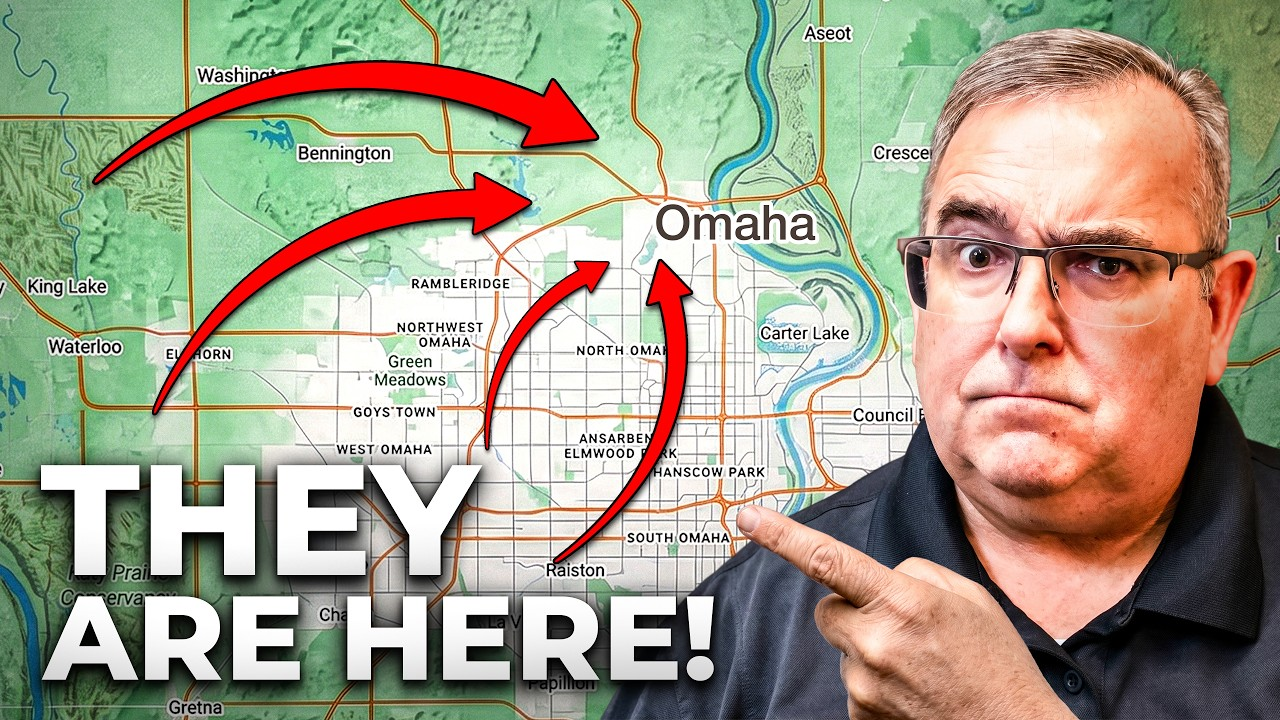
One of the biggest misunderstandings about Omaha is that people assume it changes slowly. In some ways it does. Omaha still has a practical, car-oriented, Midwest personality. But underneath that, the metro keeps evolving. Downtown has been transformed in stages, from the Old Market to Gene Leahy Mall and now into a more modern skyline and entertainment district. Westward growth continues. Sarpy County keeps expanding. Bellevue, Papillion, La Vista, Gretna, and Elkhorn are all part of that larger regional story.
The reason Omaha development matters is simple. Development affects more than appearance. It affects:
- Job growth
- Housing demand
- Property taxes and city budgets
- Traffic patterns and commute times
- The feel of neighborhoods
- Whether younger residents and new employers choose the metro
Some of these projects are directly about utility. Others are really about image, momentum, and long-term positioning. Cities do that all the time. They build things not only because people need them today, but because they want to shape what the city becomes tomorrow.
Mutual Of Omaha Tower Changing The Skyline
The most visible piece of Omaha development is the new Mutual of Omaha Tower downtown. This will be the tallest building in the region at 677 feet with 44 floors. It is the new headquarters for Mutual of Omaha, clocking in at roughly 800,000 square feet and designed for hybrid work.
The plan includes a multi-level sky lobby, dining, fitness space, meeting areas, and outdoor terraces. Target completion is fall 2026.
From a city-building standpoint, this is a major statement. When a company commits to a signature headquarters in the urban core, it says something about confidence in the market. It adds jobs, construction activity, and long-term energy to downtown. It also gives Omaha one of those projects that immediately changes the mental picture people have of the city.
Now, we would be kidding ourselves if we ignored the other thing people keep talking about, which is the shape of the building. Depending on the angle, people have had an awful lot of fun. If you have spent any time online, you already know exactly what I mean. Maybe that was intentional. Maybe it was not. Either way, people are talking about it, and that alone has made it one of the most discussed projects in the city.
Jokes aside, this tower matters because it sits right next to the broader downtown reinvestment around Gene Leahy Mall. And if you have not been downtown in a while, Omaha has done a genuinely impressive job with that area. It is cleaner, more polished, and more active than a lot of people expect.
The Omaha Streetcar Big Debate Big Bet
If the Mutual tower is the flashy project everybody notices, the Omaha Streetcar is probably the one that sparks the most argument.
This is a 3-mile route connecting downtown Omaha through Farnam Street toward the Med Center and the Blackstone area. The project cost is around $420 million, and plenty of people are skeptical. Fair enough.
The main question is obvious: how many people in Omaha are actually going to use it?
Omaha is still a city where most people need a car. Even if someone lives downtown and works near the Med Center, that does not suddenly make the rest of the metro car-free. This is not a city built around urban transit in the way some larger places are.
But here is the key point. The streetcar is not really just a transportation project. It is a development project. The strategy is to use the route to encourage higher-density housing, more mixed-use construction, and increased property value around the corridor. In other words, the city is betting that the development around the line will help justify and support the investment.
That does make a certain amount of sense if the surrounding growth actually shows up. Blackstone is the obvious example people point to. That district looks dramatically different than it did a couple of decades ago. What used to feel worn down and forgotten has become one of the city’s trendier restaurant and bar areas.
The problem right now is the disruption. The project is reportedly running roughly a year and a half to two years behind schedule, with utility conflicts contributing to delays. Along Farnam and around Blackstone, construction has made parts of the corridor difficult to navigate. Businesses in those areas are taking the hit while everyone waits for the long-term payoff.
That is the tension with this kind of Omaha development. If it works, people eventually celebrate the finished product. If it drags on too long, the businesses that survived the construction zone may feel like they carried the burden for everybody else.
Bellevue Bay Water Park An Economic Play Disguised As Fun
The Bellevue Bay Water Park sounds like a family entertainment project, and of course it is that. But like a lot of modern public-private style projects, it is really about economic development first.
The plan is for a $60 million indoor water park in Bellevue, roughly 100,000 to 140,000 square feet, designed for year-round use. Features include:
- Retractable roof
- Lazy river
- Wave pool
- Water slides
- Surf simulator
The expected opening is 2027.
Location matters here. The site is near Highway 75 and Highway 34, not far from Offutt Air Force Base and south of Omaha in Bellevue. That puts it in a strategic position for pulling traffic and supporting surrounding development.
Bellevue is a city with its own identity, and that matters because it sits in Sarpy County. Omaha cannot simply annex across county lines, so Bellevue, Papillion, La Vista, and other Sarpy County cities are shaping their own growth paths. Bellevue Bay is one way Bellevue is trying to strengthen tourism, hotel demand, retail activity, and long-term tax base growth.
The funding idea, as presented, is that taxes generated by the park and related development help support the project. That is the theory anyway. Government development plans always sound cleaner on paper than they feel in real life, but the goal is clear enough: bring in visitors, bring in spending, and create more economic activity around the site.
It also fits the larger regional story. Offutt is a major stabilizing force for the metro with aerospace, defense, and related jobs. That area is not going away. In fact, the runway expansion at Offutt reinforces the long-term significance of Bellevue and surrounding Sarpy County communities.
Eppley Airfield Expansion: A Bigger Front Door for the City
The airport is one of the biggest practical pieces of Omaha development now underway. Eppley Airfield is in the middle of a $950 million terminal transformation, nearly doubling terminal space from 375,000 square feet to 646,000 square feet. Expected completion is 2028.
If you have flown through Omaha recently, you already know it is a construction zone. But there is a reason this project matters beyond the airport itself.
Airports are a city’s front door. For people relocating, doing business, or visiting family, the airport often shapes their first and last impression. Omaha’s airport has traditionally had one big advantage: it is manageable. Compared with massive hubs where getting to your gate feels like a regional excursion, Eppley has been relatively easy to use.
The expansion is intended to improve the passenger experience while also creating room for future growth, including the possibility of expanded international travel options. That is a meaningful upgrade for a metro that keeps attracting new residents and employers but still hears the same complaint about air travel: too many connecting flights.
Funding is also worth noting. Travelers are effectively helping pay for this through higher parking costs and airport-related revenue. That does not make anyone thrilled to pay more, but it does explain how this kind of project gets financed without simply dropping the entire burden somewhere else.
If Omaha wants to keep growing, a stronger airport is part of the package. Not the most glamorous project maybe, but one of the most useful.
The New Central Library A Different Kind of Public Space
One of the more interesting civic projects in recent Omaha development is the new Omaha Central Library near 72nd and Dodge. It officially opened on April 19, 2026, and it is not built as a traditional library in the old sense.
This is a $158 million, tech-forward public facility with:
- 3D printing lab
- Podcast studio
- Community gathering spaces
That tells us something about how cities now think about libraries. They are no longer just book storage. They are public workspaces, learning labs, and civic meeting places.
The history around this project is also part of the story. The former W. Dale Clark library downtown was removed, and that site became part of the land tied to the new skyscraper downtown. So in a very literal way, one era of civic infrastructure gave way to another. The old library footprint became part of a skyline project, while the city shifted the concept of the central library into a more modern format.
Funding came through private donors and local taxpayers as part of the city’s capital budget. That makes it one of the larger public investments in Omaha’s civic infrastructure in recent years.
There is also a symbolic piece here. 72nd and Dodge used to feel like the edge of West Omaha to a lot of longtime locals. Now it sits in a very different context because the city has stretched so far west. That is one of those reminders that Omaha is always expanding, even if longtime residents still mentally map the city the way it looked decades ago.
Memorial Stadium Rebuild Football Culture Meets Infrastructure
You cannot talk about major Nebraska projects without talking about Memorial Stadium. This one is not in Omaha, but it matters to the whole state because Husker football is woven into daily life around here.
The approved plan is a roughly $600 million rebuild focused heavily on the south stadium area. Work is expected to begin after the 2026-27 football season, with completion targeted for the 2028 season.
The current stadium capacity sits above 90,000, but the remodel is expected to reduce that into the 80,000 range. Why reduce seating? Comfort. Seat backs, updated infrastructure, and a better experience for people who are currently packed in there like carry-on luggage.
Anyone who has spent time in Memorial Stadium knows the truth. It is fun. It is loud. It is historic. It is also not exactly spacious. People are bigger than they used to be, and old stadium designs do not magically stretch to match.
This project matters because football in Nebraska is not just entertainment. It is identity, routine, and state culture. Fall weekends are scheduled around it. Pregame and postgame coverage are events in themselves. On game day, Memorial Stadium effectively becomes one of the largest population centers in the state.
Whether you are a die-hard fan, a frustrated fan, or the kind of person who enjoys shopping on Saturdays because everyone else is glued to kickoff, this is a major piece of regional infrastructure with statewide economic and cultural weight.
Union Omaha stadium and the North Downtown push
Another sports-related piece of Omaha development is the future home for Union Omaha. The project is part of a $300 million mixed-use stadium district in North Downtown, just north of Charles Schwab Field and the CHI Health Center.
The stadium is expected to serve as the permanent home for Union Omaha and host much more than soccer. The vision includes concerts, events, community use, and more than 100 events annually. Groundbreaking is targeted for 2026, with opening expected in 2028.
This one fits a broader pattern in Omaha. The city has shown repeatedly that when there is a sporting event or a major event district, people show up. College World Series. Olympic swim trials. Volleyball events. Concerts. Big gatherings tend to perform well here.
The larger story is that North Downtown continues to evolve into a concentrated event and entertainment zone. That clustering effect matters. Stadiums, arenas, hotels, nearby restaurants, public spaces, and corporate investment start feeding each other. That is often how districts become destinations instead of one-off venues.
What All Of This Means For Real Estate And Growth
When we step back and look at all of this together, the theme is pretty clear. Omaha development is spreading across several fronts at once:
- Downtown identity through the Mutual tower and surrounding public investment
- Transit-oriented growth bets through the streetcar corridor
- Suburban economic development through Bellevue’s water park strategy
- Regional connectivity through airport expansion
- Civic modernization through the new central library
- Sports and entertainment expansion through stadium investments in both Omaha and Lincoln
For real estate, that matters because development tends to pull demand behind it. Not evenly, not perfectly, and not always without pain. But it does matter. More jobs and infrastructure generally mean more housing pressure somewhere in the system.
We are already seeing signs of a market that is still moving. Closed prices and sales activity have remained up year over year, even with all the usual anxiety people carry about the economy. Life keeps happening. People still relocate for jobs. Families still need more space. Empty nesters still move closer to kids. Military households still cycle through Offutt. And buyers keep trying to figure out which parts of the metro are likely to benefit most from the next wave of growth.
Omaha also has one structural advantage that helps fuel new construction: the use of sanitary improvement districts, or SIDs, to finance infrastructure in new subdivisions through bonds rather than having cities shoulder all of that cost upfront. It is one of the reasons the metro has been able to keep building at a pace that surprises some people.
None of this means every project is automatically wise or every promise will play out exactly as planned. Some will overperform. Some will frustrate people. Some will go over budget, take too long, or spark fights about taxes, priorities, and who actually benefits.
That is normal.
But if the question is whether Omaha is changing, the answer is absolutely yes. And if the question is whether Omaha development is worth paying attention to, especially if you care about housing, business growth, or where the metro feels more dynamic five years from now, the answer is yes again.
If you’re thinking about buying or selling in Omaha while all of this development is reshaping the market, reach out to David Matney for local guidance you can trust. Call or text 402-490-6771 to get started.
FAQ
What is the biggest Omaha development project right now?
The Mutual of Omaha Tower is one of the most prominent projects because it is reshaping the downtown skyline and will become the tallest building in the region. Eppley Airfield’s nearly $950 million expansion is also one of the largest projects in terms of total investment.
Why is the Omaha Streetcar so controversial?
The debate centers on cost, practicality, and usage. Many people question how often it will be used in a car-oriented city. Supporters argue the streetcar is less about transit alone and more about driving denser development and redevelopment along the corridor.
What is Bellevue Bay supposed to do for the area?
Bellevue Bay is intended to be more than an indoor water park. The larger goal is to attract tourism, hotel stays, retail growth, and a broader tax base for Bellevue and the surrounding area.
How will the Eppley Airfield expansion affect travelers?
The airport project is designed to improve the passenger experience, expand terminal capacity, and support future growth. In the short term, it means construction disruptions. In the long term, it should mean a larger, more capable airport for the metro.
Is the new Omaha Central Library just a regular library?
No. It was designed as a broader public-use facility with technology, creative space, and community functions, including a 3D printing lab and podcast studio.
What does all this Omaha development mean for real estate?
Major development often points to future housing demand, neighborhood change, and investment shifts. Projects that bring jobs, entertainment, infrastructure, or new identity to an area can influence home values and buyer interest over time.
READ MORE: Omaha Development 2026: Major Projects, Growth Areas and Where to Buy Smart
DAVID MATNEY
David Matney is a trusted Realtor® and local expert with over 20 years of experience in Omaha’s real estate market.