Moving to Omaha is exciting, but buying a home here comes with a few local realities. Omaha has a lot to offer, including a strong public school system and a great quality of life. At the same time, there are some region-specific issues and transaction details that can trip people up if they do not plan for them.
Based on what we routinely see in our Omaha market, these are the 10 things we recommend learning before you buy. If you get these right, you lower your risk, avoid expensive surprises, and make your purchase process smoother.
Table of Contents
- 1. Sewer Scope Inspection
- 2. Homeowners Insurance And Roof Age
- 3. Property Taxes And Closing Pro Rations
- 4. Radon Testing And Mitigation
- 5. Lead Superfund Area Disclosures
- 6. Wire Fraud Risk
- 7. Schools Are Spotty By Location
- 8. Choosing A Local Lender
- 9. New Construction Contracts And Process
- 10. Inspection Period And Deadlines
- FAQs About Moving to Omaha
- Final Thoughts As We Move To Omaha
1. Sewer Scope Inspection
The best 250 dollars we have ever seen people spend before buying an older home is on a sewer scope inspection of the main line.
Here is the simple idea. A plumber runs a camera down the main sewer line to inspect what is happening inside the pipe.
In Omaha, older homes may have had clay pipes from the house to the street. Clay pipes can have joints. Over time, tree roots look for water sources, find those joints, and then roots can clog the main line.
We especially see this concern when you are buying an older home built before 1980 and there are mature trees in the neighborhood. If the main stack is made of cast iron, that also raises the odds of eventual issues.
The big reason to do this before closing is cost and timing. Replacing a main sewer line can be up to 20000 dollars. And this type of repair is not covered by insurance in most situations.
Without a sewer scope inspection, the only way many buyers ever learn about a problem is when raw sewage shows up through a basement floor drain. By then, the damage and disruption are real.
We have seen how it plays out. An older couple sells to a younger family. The younger family uses more water because of laundry and daily routines. Then, raw sewage starts to come up through the floor drain. The sellers often did not notice, because they were never using enough water to reveal the issue.
Our advice: If the home is older and you see mature trees, budget for a sewer scope inspection. It is one of the most practical ways to reduce uncertainty before moving to Omaha and buying.
2. Homeowners Insurance And Roof Age
Omaha homeowners insurance rates tend to be higher than average, and we want buyers to plan for that as part of their monthly budget.
When you finance a home, homeowners insurance is required by the lender. In addition, some insurance carriers may require inspections to keep coverage active.
Roof age matters. If you buy a home with a roof that is 10 years old or older, in some cases even 5 years old, the insurance company may drop coverage.
When you purchase, the seller completes a seller property condition disclosure statement, and that document asks, among other things, how old the roof is. Read it carefully, because insurance risk is not something you want to find out about at the last minute.
We also see how insurance companies handle older roofs. They may depreciate the roof. For example, if it would cost 115000 dollars to replace a roof, an insurer might only pay out around 44000 dollars if the roof is 10 years old. That means you could need to cover the difference out of pocket.
And with Omaha weather, hail damage is a real possibility. Even if you are paying higher premiums, you still may have to come up with extra money after a claim.
Important practical tip: If you suspect hail damage, do not call your insurance company first. Call a roofer to evaluate the roof and determine whether it is worth filing a claim. Some insurers may penalize you for filing a claim even when they do not pay on it.
3. Property Taxes And Closing Pro Rations
Omaha property taxes are high compared to the average. People understand this when they arrive, but we still recommend getting clear on what the taxes mean for your offer and closing timeline.
One example helps make it real. Suppose a home is priced at 284000 dollars and the tax amount is 5376 dollars. That is just the number you start from. Then you have to understand when you pay.
In Nebraska, property taxes are paid in arrears. That means you pay 2023 taxes in 2024. Your property got a new assessment after the January period, but you generally do not pay 2024 taxes until 2025.
The tax system can feel confusing, including how delinquency dates work. Many people hear that the first half is delinquent after March 31, and the second half after July 31. The key takeaway is that buyers need to understand how those taxes are treated in the purchase contract.
How it affects your offer: When the taxes are paid in arrears, the contract typically treats taxes as if they are due in the current year, and they are often pro rated as of the date of closing.
For example, if you close February 1, the seller is usually responsible for taxes for January, and the buyer is responsible from the closing date through the end of the year. The contract explains the details, so we always recommend reading the purchase agreement carefully before you sign.
Our advice: Budget for property taxes and make sure your contract language and pro ration assumptions are clear. Moving to Omaha is easier when you understand the payment rhythm.
View Homes For Sale in Omaha, Nebraska
4. Radon Testing And Mitigation
Radon is naturally occurring, colorless, odorless, and radioactive gas. Eastern Nebraska is known for higher radon levels than some other parts of the country.
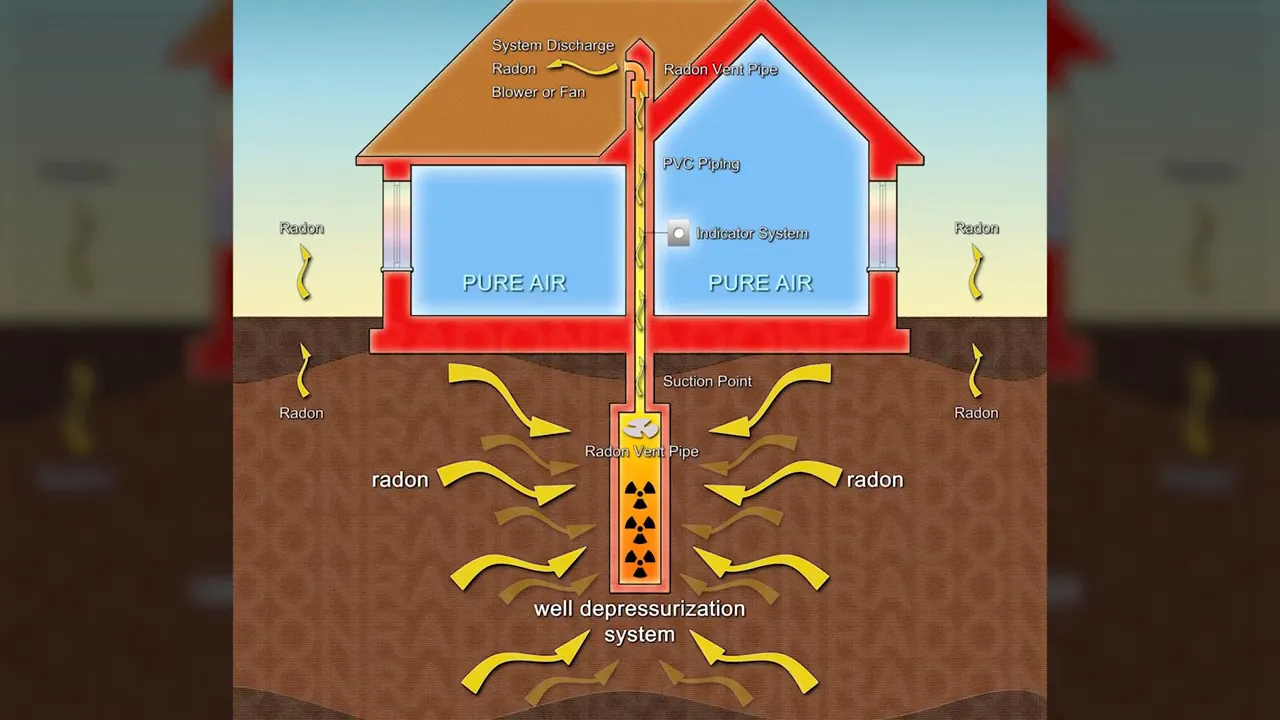
Radon is produced from the natural decay of uranium in rocks and soil. The reason buyers care is that radon is the second leading cause of cancer behind smoking.
Radon levels can vary from house to house, even within the same neighborhood. That is why we do not treat radon as a neighborhood-wide assumption. You test the specific property.
Testing cost and timing: A radon test usually costs around 200 dollars and can take a couple of days.
The actionable radon level mentioned is 4.0 picocuries per liter. If the radon level is above acceptable levels, you can negotiate the installation of a radon mitigation system.
Mitigation systems can cost somewhere around 22000 dollars, sometimes more depending on the house. A properly designed system lowers radon to an acceptable level.
New construction note: Many builders install passive radon mitigation systems for new homes. If it is offered, take the option, because it can save money over time and it helps lower radon levels.
5. Lead Superfund Area Disclosures
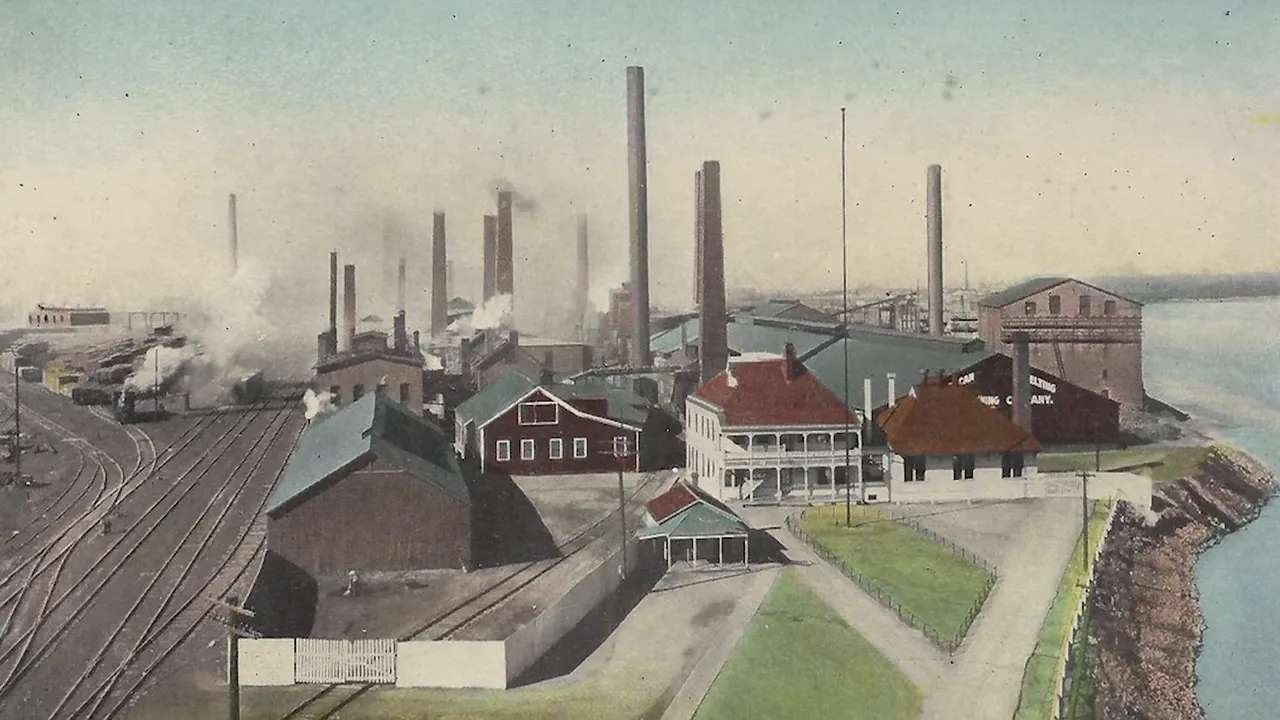
There is a major piece of Omaha history that can affect certain neighborhoods: the EPA lead superfund site from the 1870s to 1997. That site was the ASARCO lead smelting plant operating in downtown Omaha near the current convention center area.
Operations at the plant resulted in emissions of lead and other heavy metals into the atmosphere. The EPA sampled more than 41000 residential properties and found widespread lead contamination across much of North Omaha.
Blood sampling of young children near the site also showed high rates of elevated lead levels.
Because of this, the EPA added the site to the Superfund program’s National Priorities List in 2003. Cleanup activities included removal of contaminated soil from tested residential properties.
What that means for buyers: If you purchase a home in this area, you will have to sign an additional disclosure. If you want to dig into the details, a good starting resource is omaha.org.
Our advice: Do not rely on assumptions. Verify whether the property you want is in the disclosure area and read the additional paperwork so you know what you are signing up for before moving to Omaha.
6. Wire Fraud Risk
Wire fraud is one of those problems that sounds rare until it hits you, and then it becomes extremely real extremely fast.
We want you to be alert for wire fraud and to be especially careful with emails. Even if an email looks like it is from your agent or the title company, hackers can compromise those email accounts or spoof messaging.
The common playbook goes like this. The hacker gains access to an email system, monitors what transaction is happening, figures out the parties and the closing day, and then reaches out to the buyer shortly before closing.
The message instructs the buyer to wire funds using wiring instructions included in the email. The buyer follows it, and the funds end up somewhere they should never go.
The most important rule is simple:
- Never accept wiring instructions from email.
- Always verify using a trusted method.
- Assume phone numbers may be spoofed if the situation is suspicious, and use established contacts from your closing documentation.
In this market, it has happened with real dollar amounts, including examples around 70000 dollars, 1137000 dollars, and over 200000 dollars. It is a big deal because it can wipe out savings before closing even completes.
7. Schools Are Spotty By Location
When people think about moving to Omaha, schools are often top of mind. The challenge is that school boundaries are not always clean or consistent. They can vary from subdivision to subdivision.
In the Omaha real estate market, school district information strongly influences how people decide. What might be the best school district for one family might not be the best for another, depending on what matters most to your children.
Some families care most about academics. Others care about coaching for a sport. Others care about music programs or other activities.
One reference point we suggest is the Nebraska Department of Education site at ed ne gov, where schools are classified into categories like excellent, great, good, or needs support to improve.
Our advice: Use available resources, but also visit, talk to people, and think about your child’s interests and needs. Only you can determine what will feel like the right fit when you relocate.
8. Choosing A Local Lender
Omaha is a midsize city with a small town feel. That matters when you are buying a home, especially in situations with multiple offers.
We recommend using a local lender from Omaha if you are relocating. If you use an out of state lender or an online lender, you can be at a disadvantage in a competitive situation.
When everything else is equal, the tie often goes to the lender with a great reputation and the ability to respond quickly and communicate effectively.
Also important: If you want to shop for rates, do it before you submit an offer. Many sellers expect to see a pre approval letter, and they get nervous when buyers change lenders mid process.
Our advice: Choose your lender early, get your pre approval in place, and keep the process stable so you do not add friction after you go under contract.
9. New Construction Contracts And Process
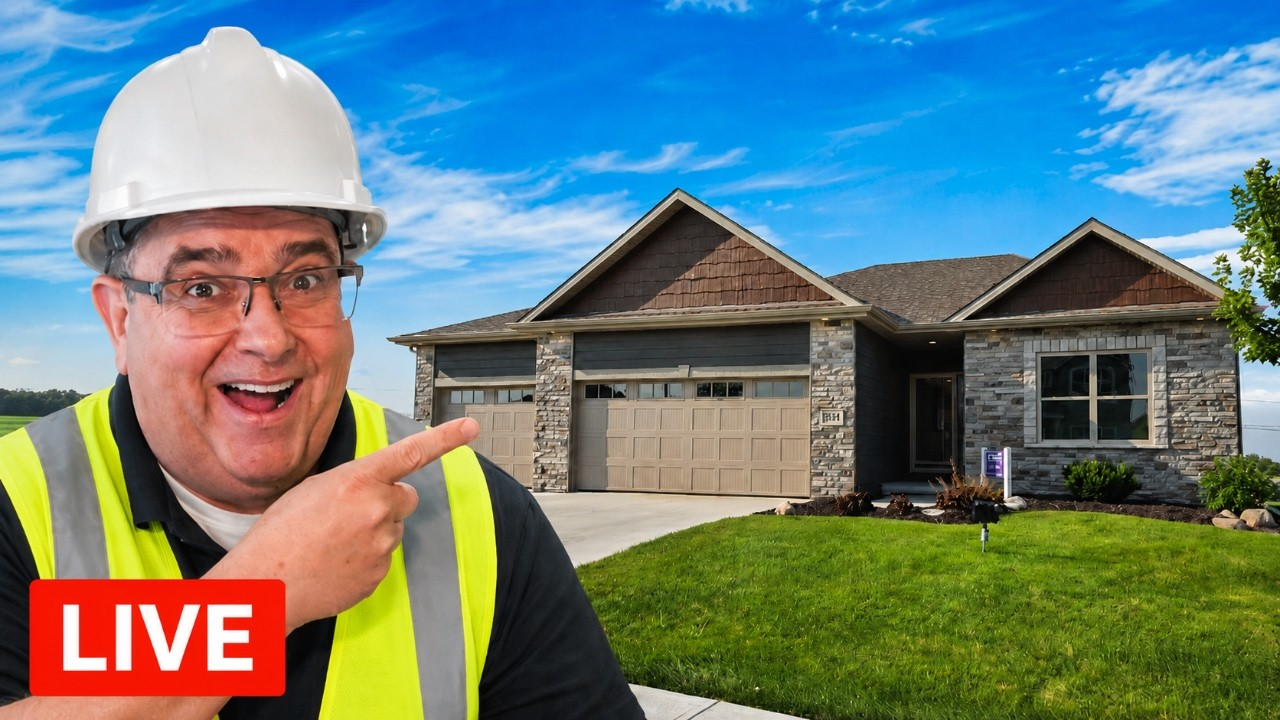
New construction can be a great option when moving to Omaha, but it is different from buying an existing home.
For starters, many local builders have a policy that the agent must be with you on the client’s first visit to the property. Do not visit a builder or model home without your agent present on that first visit.
New construction affordability can surprise people in Omaha. Many local builders also run incentives, which can make timing and negotiation important.
Then there is the contract itself. When you buy new, the builder writes the contract, and the contract structure often favors the builder.
So read it carefully. When we talk about negotiation power, the only thing that counts is what is in the contract. If something is important to you, it needs to appear in writing in the contract terms.
During the build, you may or may not be allowed to make changes. If changes are allowed, ask which ones cost time and which cost money before you commit to anything.
Property taxes for new builds: Buyers often get a break in the first year, but then taxes can increase sharply the next year because the property is fully assessed. Budget for those increases.
View Homes For Sale in Omaha, Nebraska
10. Inspection Period And Deadlines
Inspections are where you protect yourself. They also come with strict timelines.
For existing homes at the time this information was recorded, the contract commonly provides 14 calendar days to conduct any and all inspections. That can include:
- Whole house inspection
- Sewer scope inspection
- Radon test
- Termite test
- Mold test
- HVAC inspection
- Structural engineer inspection
- Roof inspection
There is also a practical cutoff time. After 5:00 p m. on the 14th calendar day, you typically have to submit either a rejection notice or an inspection notice addendum. If you do not submit by that deadline, the property is usually deemed satisfactory to the purchaser.
What if you change your mind? This is the one time during the contract when you can generally bail on the deal without treating it like a legal binding move, because the inspection period gives you the exit option.
Outside of that window, the contract is legally binding.
Bonus tip: Since many contracts are submitted and signed electronically, do not skim. Take the time to read the offer to purchase signed by both parties. That is what governs the process.
FAQs About Moving to Omaha
Do we really need a sewer scope inspection in Omaha?
If you are buying an older home, especially built before 1980, and there are mature trees nearby, yes. The sewer scope helps you identify problems with the main line before you find out the hard way through basement drains. Replacing a main sewer line can be very expensive, and the repair is generally not covered by insurance.
How does roof age affect homeowners insurance when moving to Omaha?
Roof age can affect whether you can get replacement coverage at all. Some insurance carriers may drop coverage if the roof is 10 years old or older, and sometimes even if it is 5 years old. Older roofs can also be depreciated, which can mean you pay the difference out of pocket after a claim.
What is radon testing and why does it matter?
Radon is a naturally occurring gas that can vary from house to house. It is colorless, odorless, and radioactive, and it is a leading cancer risk. Testing is usually around 200 dollars and can take a couple of days. If levels are above the actionable threshold, mitigation can be negotiated.
What should we do to reduce the risk of wire fraud?
Never accept wiring instructions from email. Always verify closing wiring instructions through a trusted, independent method. Be cautious because hackers can spoof contact details and send instructions just before closing.
How important are school districts when buying a home in Omaha?
They are extremely important, and boundaries can vary from subdivision to subdivision. The best district for one family may not be the best for another based on academics, sports coaching, music programs, and more. Use state resources and evaluate what fits your family.
When should we schedule home inspections after making an offer?
Plan right away. Common contracts provide 14 calendar days to complete inspections, with deadlines that require submission of notices by 5:00 p m on the 14th day. If you miss the deadline, the property is typically treated as satisfactory, and the contract becomes harder to exit.
Final Thoughts As We Move To Omaha
Moving to Omaha is a big step, and buying a home should feel confident, not stressful. The biggest wins come from planning early: run the sewer scope, verify insurance realities like roof age, understand taxes and pro rations, test for radon when appropriate, and read disclosures carefully.
When you make smart decisions before closing, you protect your budget and your peace of mind. That is how we help families truly enjoy their new life in Omaha.
If you want help turning these tips into a clear plan for your specific purchase, reach out to us anytime. Call 402-490-6771 and we’ll walk you through what to check before you submit an offer.
Read More: Living in Omaha, NE: The Honest Pros, Cons, and Who Actually Thrives Here