Some of the most expensive homebuying mistakes in Omaha do not show up in the listing photos, and they usually do not jump out during a quick walk-through either. A house can look clean, updated, and move-in ready, then quietly cost another $20,000, $30,000, or even $50,000 after closing.
That is the real issue here. This is not about judging neighborhoods or communities. It is about protecting your money, protecting your monthly budget, and protecting resale value down the road.
In Omaha, hidden risk tends to show up in a few predictable ways: flood exposure, aging systems, foundation movement, drainage problems, insurance surprises, and HOA issues that buyers do not fully investigate until it is too late. These are the kinds of homebuying mistakes that can turn a great-looking purchase into a stressful one.
If we want to avoid costly homebuying mistakes, we need to understand two things: first, why Omaha creates these risks, and second, which homes deserve extra caution before an offer ever gets written.
Table of Contents
- Why Omaha Has More Hidden Risk Than Most Buyers Expect
- 1. Homes in Flood Zones
- 2. Homes With Foundation Issues
- 3. Homes With Outdated Electrical
- 4. Homes With Cosmetic Renovations but Old Systems
- 5. Condos and Townhomes With Problem HOAs
- 6. Homes With Water and Drainage Problems
- How to Avoid These Homebuying Mistakes in Omaha
- FAQ
Why Omaha Has More Hidden Risk Than Most Buyers Expect
One reason buyers make so many homebuying mistakes in Omaha is that the market is more complicated than it looks on the surface. You are not dealing with one simple set of housing conditions. You are dealing with different construction eras, different soil conditions, multiple river systems, and insurance costs that have changed fast.
There are four major factors behind that hidden risk.
1. Water is a real issue in the Omaha area
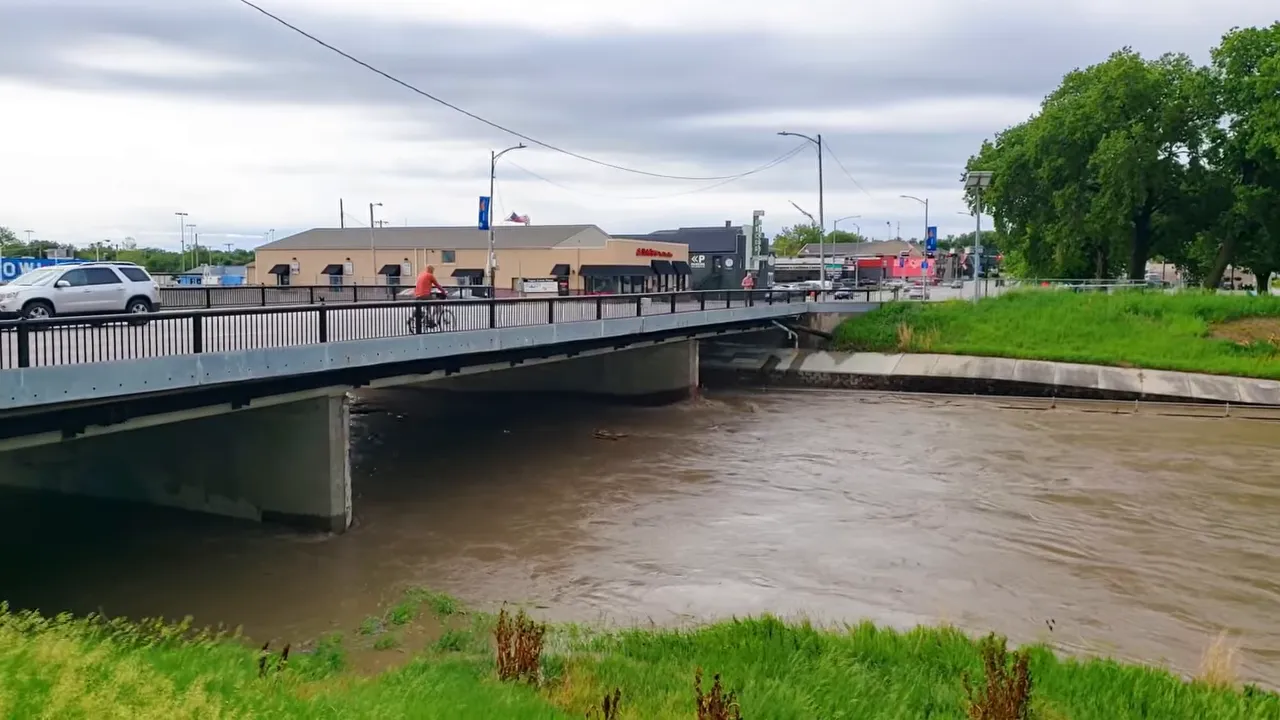
The metro is shaped by water. We have the Missouri River on the east side, the Platte River to the south, the Elkhorn River to the west and northwest, and the Papillion Creek watershed running through a large part of Douglas and Sarpy County.
That matters because flood exposure is not theoretical here. It affects what homes cost to own, what insurance is required, and how easy a property will be to resell later.
2. Omaha has homes from very different eras
Omaha is not one-age housing stock. You can be looking at a 1940s or 1950s home in Dundee or Benson, a 1960s or 1970s ranch in Ralston or Bellevue, or a 1980s and 1990s build in Elkhorn or Papillion. Every era has different strengths and different likely trouble spots.
If we do not know the age and character of the area we are buying in, we can miss the specific risks that tend to come with it.
3. The soil moves
Heavy clay soil is common in this region. Clay expands and contracts over time, and that movement can put pressure on foundations. That is one reason foundation issues are so common in local deals.
4. Hail and insurance costs have changed the math
Nebraska has been hit hard by hail claims in recent years, and insurance costs have risen quickly because of it. That means some homes that look affordable on paper are much more expensive in real life once insurance premiums are factored in.
When we understand those four background issues, the biggest Omaha homebuying mistakes start to make a lot more sense.
1. Homes in Flood Zones
This is one of the most common homebuying mistakes in Omaha. Buyers fall in love with the property first, then discover after going under contract that the home sits in a flood zone.
That can mean an extra $300 to $400 per month in flood insurance, or roughly $3,000 to $5,000 per year on top of the mortgage and standard homeowner's insurance.
That cost usually does not stand out in the listing. It also can change the way the home competes when it is time to sell.
Flood risk tends to show up around:
- The Missouri River
- The Platte River
- The Papillion Creek watershed
- The Elkhorn River
And this got even more important after new FEMA flood maps took effect in March 2025. Some homes that never required flood insurance before now do.
Here is the trap. If you are using a federally backed loan, flood insurance is not optional when the property requires it. And when you eventually resell, the buyer pool can be smaller, especially for FHA and VA buyers who are already payment-sensitive.
One of the easiest homebuying mistakes to make is assuming the whole street has the same flood situation. That is not always true. Two houses right next to each other can have completely different requirements.
What to do before making an offer:
- Check the flood zone for the exact address
- Ask for an elevation certificate
- Get a flood insurance quote before writing the offer
Once that insurance number is in front of you, the true monthly cost of the home can look very different.
2. Homes With Foundation Issues
This is another major category of Omaha homebuying mistakes, especially with older homes. Foundation problems are easy to underestimate and expensive to fix.
Depending on severity, repairs can run from around $5,000 on the low end to $15,000, $20,000, or more.
In this market, foundation concerns often tie back to clay soil movement, age, and water pressure around the home.
What to look for:
- Stair-step cracks, which often point to settling
- Horizontal cracks, which can suggest outside soil pressure
- Bowing basement walls
- Uneven floors
- A damp or musty smell in the basement
That last one matters. A musty basement is not just an old-house smell. It is information. It may be telling you there is moisture intrusion, poor drainage, or a bigger structural issue that has not been fully addressed.
Foundation trouble also creates financing issues. It is one of the fastest ways to lose a deal, particularly with FHA and VA financing, where property condition matters more.
What to do before moving forward:
If the home is 35 to 40 years old or older, and anything questionable shows up in the inspection report, it is smart to go beyond a general inspection. Bring in a structural engineer if something looks off.
This is one of those areas where a little extra diligence can prevent one of the biggest homebuying mistakes a buyer can make.
3. Homes With Outdated Electrical
Electrical problems tend to blindside buyers late in the process. The house may seem perfectly fine during a showing, then the insurance company asks for proof the electrical has been updated.
If the documentation is not there, the insurer may refuse to write the policy. And if there is no insurance, there is no loan and no closing.
This is especially common in older Omaha homes with original systems, particularly pre-1950 homes with knob-and-tube wiring. Some insurance carriers will not insure those homes unless the wiring has already been replaced.
Repair costs can be steep. Updating electrical can land somewhere around $8,000 to $15,000 or more.
Red flags to check
- A fuse box instead of breakers
- A panel labeled Federal Pacific Stab-Lok
- Two-prong outlets, which can signal the system was never grounded or updated
- Discoloration or warmth at outlets, which may suggest overheating
General inspections help, but this is not an area where we want to guess. If anything looks questionable, bring in a licensed electrician. Also ask for actual permits or invoices for any claimed upgrades, because that is the kind of proof insurance companies often want.
Many avoidable homebuying mistakes happen because buyers hear, "the electrical was updated," but never verify what that means.
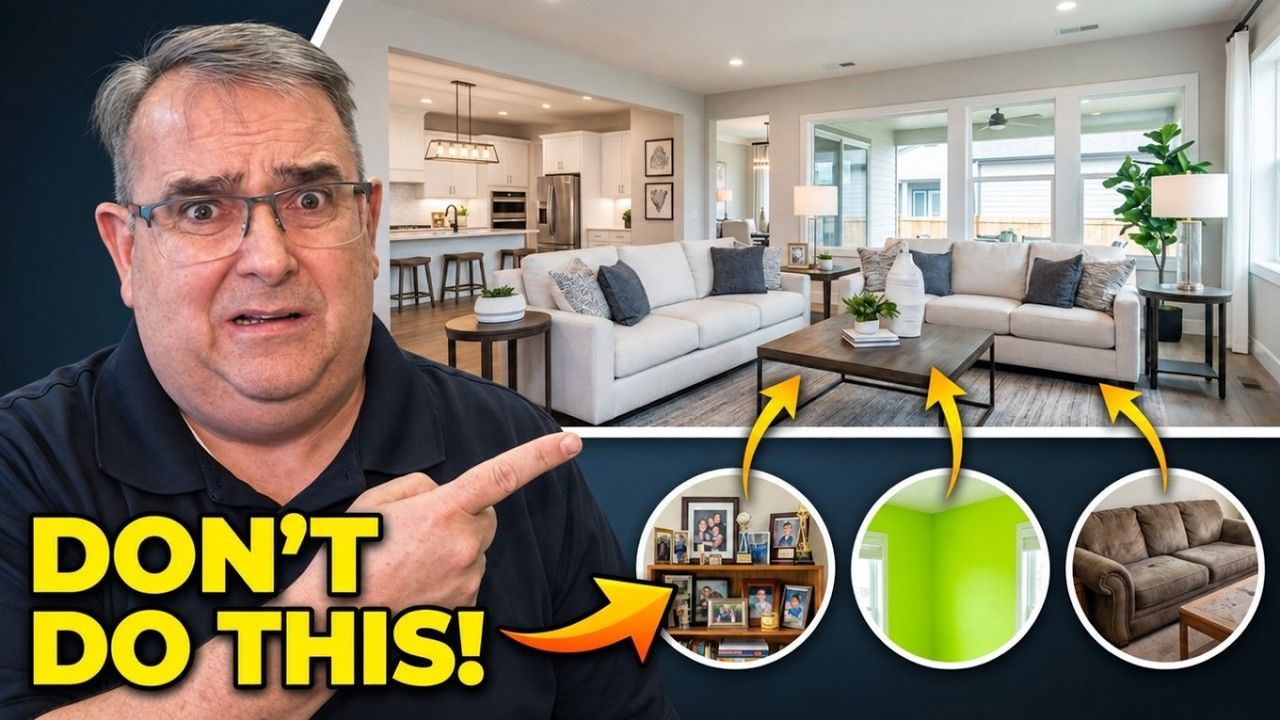
4. Homes With Cosmetic Renovations but Old Systems
This is probably the category that fools buyers the most.
The house looks fantastic. Fresh paint. New floors. Updated light fixtures. Nice staging. It feels like an easy yes.
But sometimes what you are really buying is a surface-level renovation sitting on top of old, expensive systems.
That is how buyers can end up $30,000 to $50,000 behind after closing. Not because the house looked bad, but because the expensive components were untouched.
When a home has been cosmetically renovated, stop focusing only on finishes and start asking about the systems:
- How old is the roof?
- How old is the HVAC?
- What condition is the plumbing in?
- Have the windows been updated?
- What was actually done, and is there proof?
If there is no documentation showing what was replaced or improved, it is safer to assume it was not done. That mindset alone can eliminate a lot of expensive homebuying mistakes.
Beautiful finishes are great. They just should never distract us from the cost of deferred maintenance hiding behind them.
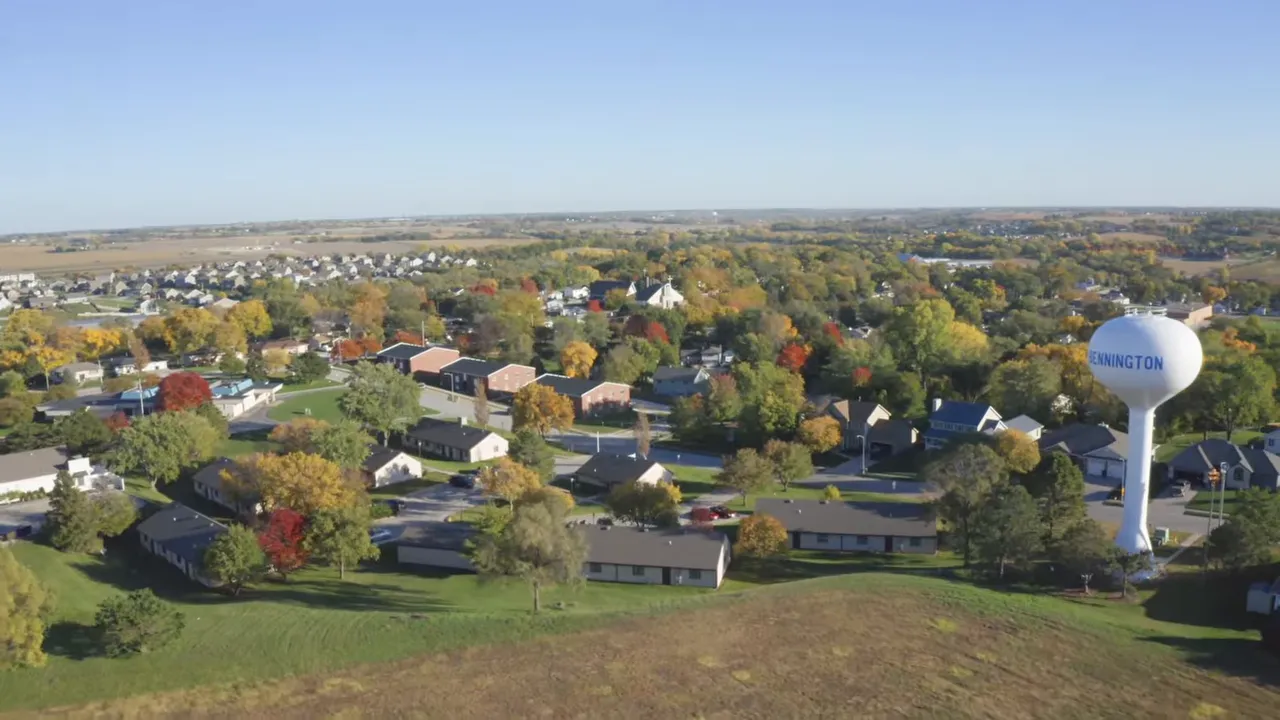
5. Condos and Townhomes With Problem HOAs
With condos and townhomes, buyers often focus on the unit and ignore the homeowners association. That can be a costly mistake.
Monthly dues in some communities may run somewhere around $200 to $500 per month. But the bigger issue is often special assessments.
Special assessments can be brutal. It is not unusual to see charges of $10,000 or $15,000 per unit, and if that assessment is attached to the property, you can inherit it as soon as you close.
There is another resale issue too. Some complexes are not FHA or VA approved. That shrinks the future buyer pool and can make resale harder.
What to review before buying in an HOA:
- Walk the property and look for deferred maintenance
- Ask whether there are any current or pending special assessments
- Review the HOA financials
- Confirm whether the complex is FHA or VA approved if that matters for resale
A nice unit in a poorly managed HOA can still become one of the worst homebuying mistakes you make.
6. Homes With Water and Drainage Problems
Water and drainage issues are some of the most expensive homebuying mistakes because they can stay hidden until after you move in.
A house can look dry during a showing and still have a serious water history.
One thing to watch for is efflorescence, the white residue that can show up on basement walls. That is a sign water has already been there. It may also point to a moisture issue that could lead to mold.
Repair costs can range from a few thousand dollars to more than $10,000, depending on the cause and the damage.
What to check:
- Trust your nose. A musty smell matters.
- Look closely at the basement walls.
- If there is a sump pump, check it.
- Look at the grading outside and make sure it slopes away from the house.
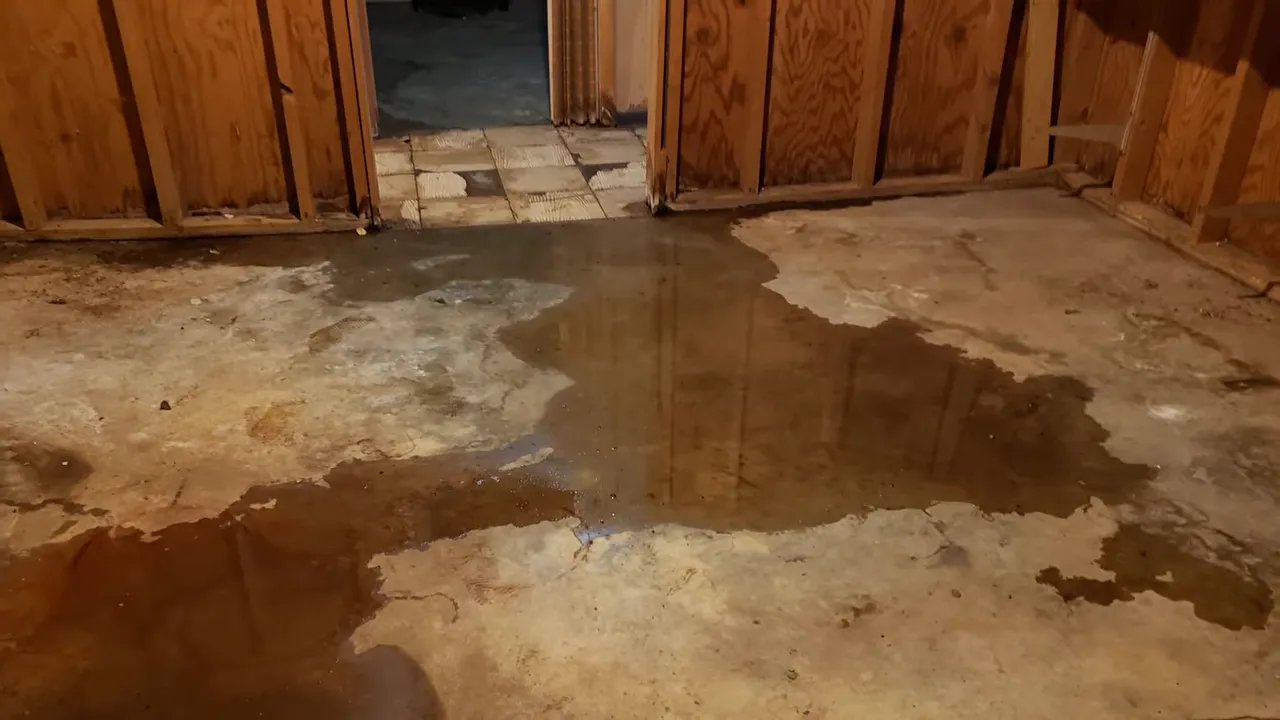
Drainage problems are easy to miss when the weather is dry, but they are not minor. They can lead to mold, foundation stress, and repeated water intrusion over time.
How to Avoid These Homebuying Mistakes in Omaha
The biggest takeaway is simple. Omaha is a great place to buy, but it is not a simple market.
The difference between a good purchase and a bad one usually comes down to what we catch before closing. Most major homebuying mistakes are not random. They are predictable if you know what to look for.
Here is a practical way to approach any property before making an offer:
- Check the location risk
Flood zone, drainage patterns, and broader water exposure matter more than many buyers realize. - Match the home to its construction era
A 1940s home should be evaluated differently than a 1990s home. - Look past cosmetics
Fresh finishes do not replace a roof, electrical system, HVAC, plumbing, or windows. - Take basement clues seriously
Cracks, smells, residue, and wall movement are not small details. - Verify insurability early
Outdated electrical and flood requirements can derail financing. - Investigate the HOA, not just the unit
Monthly dues are one thing. Special assessments and poor management are another.
If we approach homes this way, we dramatically reduce the chance of making the kind of homebuying mistakes that wreck a budget after move-in.
Ready to avoid these Omaha homebuying mistakes? Call or text ** 808-646-2882** for a quick, no-pressure consultation. Let’s make sure the home you’re considering is actually the right fit for your budget.
FAQ
What are the most common homebuying mistakes in Omaha?
The most common homebuying mistakes in Omaha include buying in a flood zone without checking insurance cost first, missing foundation issues, overlooking outdated electrical, assuming cosmetic updates mean the whole house was renovated, failing to review HOA financials, and ignoring drainage problems around the home.
How much can flood insurance add to the cost of an Omaha home?
For some properties, flood insurance can add about $300 to $400 per month, or roughly $3,000 to $5,000 per year. That is why checking the exact flood status of a property before writing an offer is so important.
Are foundation issues common in Omaha?
Yes. Omaha's heavy clay soil expands and contracts over time, which can contribute to foundation movement. Older homes are especially important to evaluate carefully for cracks, bowing walls, uneven floors, and moisture-related warning signs.
Why is outdated electrical such a big issue when buying a house?
Outdated electrical can become an insurance problem, not just a repair issue. Some insurance companies may refuse to insure homes with older systems like knob-and-tube wiring or certain older panels unless updates are documented. Without insurance, financing can fall apart.
What should we look for in a flipped or cosmetically updated home?
Look beyond paint, flooring, and fixtures. Ask about the roof, HVAC, plumbing, windows, and electrical. If updates were done, request proof such as permits or invoices. If documentation is missing, it is wise to be cautious.
Why can HOA properties create homebuying mistakes?
The risk is often not the unit itself but the HOA's financial condition. Monthly dues may be manageable, but special assessments can cost thousands per unit. Some communities also are not FHA or VA approved, which can hurt resale later.
How can we spot water or drainage problems before buying?
Check for musty odors, white residue on basement walls, signs of past moisture, the presence and condition of a sump pump, and exterior grading that should slope away from the home. These clues can point to hidden water issues that may become expensive later.
Omaha offers a lot of opportunity for buyers, but it rewards careful due diligence. The homes that cause the biggest headaches are often the ones that looked completely fine at first glance. Avoiding those expensive homebuying mistakes comes down to asking better questions early, checking the right things before you commit, and not confusing a good first impression with a good long-term purchase.
READ MORE: Moving to Omaha, NE? Here Are The 10 Must-Know Warning Signs!