Omaha development is lining up for a stacked year in 2026. That is really the story. This is not one project here and one announcement there. Multiple major city changes are landing at roughly the same time, and when that happens, the metro starts to feel different in real life, not just on paper.
Some of that change is exciting. Some of it is inconvenient. Some neighborhoods get a real quality of life boost. Others feel the construction pain first. And if we are buying, selling, or investing, the difference between a smart move and an expensive mistake is usually not the headline. It is how that project changes your daily routine, your resale strength, your commute, and your ability to live with the area during the messy middle.
That is the lens we want to use for Omaha development in 2026.
Table of Contents
- Why 2026 Feels Bigger Than a Normal Growth Year
- Five Major Omaha Development Projects to Watch in 2026
- Where New Construction and Growth Are Concentrated in 2026
- What Buyers Need to Understand About Omaha Development in 2026
- What Sellers Should Take From All of This
- Where the Best Opportunity Usually Is
- FAQ
Why 2026 Feels Bigger Than a Normal Growth Year
Every metro has projects in motion. What makes 2026 stand out is that Omaha development is shifting from concept mode into visible, daily-life mode. This is the year when cranes, closures, openings, and new anchors start affecting habits.
We are not just talking about future promises anymore. We are talking about:
- major downtown momentum
- street-level disruption in Midtown and the urban core
- new civic anchors in central Omaha
- airport modernization that affects the city’s relocation story
- continued growth pressure in suburban and new construction areas
That combination matters because the best-positioned pockets tend to get picked off first. Once people can see where convenience is improving, where traffic patterns are shifting, and where long-term demand is getting stronger, pricing starts to move.
Five Major Omaha Development Projects to Watch in 2026
1. Mutual of Omaha’s new downtown headquarters reaches the final stretch
One of the clearest Omaha development signals for 2026 is the new Mutual of Omaha headquarters downtown. This is the 44-story tower near the riverfront and Gene Leahy Mall area, and when it is complete, it is expected to be the tallest building in Nebraska.
But this is not just a skyline flex.
Big anchor employers change the gravity of a downtown. More workers in the core means more service demand, more daily activity, and more reasons for people to spend time in central Omaha. That is what gives a city center confidence.
Completion is targeted for fall 2026, so this is the year the project starts to feel less like a construction headline and more like an opening countdown.
The areas most likely to feel the benefit are:
- Downtown
- Midtown
- Blackstone
- UNMC-adjacent neighborhoods
- central Omaha pockets with quick core access
For buyers, the key is simple. Do not buy “downtown adjacent” as if every block performs the same. It does not. Parking, street noise, actual walkability, and how easily you can move in and out of the area matter more than a broad map label.
For sellers, this is a convenience story. Specificity wins. Saying “close to downtown” is weaker than saying “easy access to Mutual of Omaha headquarters, the riverfront, and Midtown with a short drive time.”
For investors, stable demand near the core usually beats hype-based speculation.
2. The Omaha streetcar enters the phase nobody can ignore
This is where Omaha development gets very real for a lot of people. The streetcar project moves into visible mainline construction in 2026, with track installation expected to begin in January in key areas including Midtown Crossing, the Farnam corridor, and parts of downtown.
That means the conversation changes.
It is no longer “Is this actually happening?” It becomes “How long is my route changing?” and “What does this mean for getting through Midtown and downtown?”
The biggest early impact areas are likely to be:
- Midtown
- Blackstone
- the Farnam Street corridor
- downtown entry and exit routes
Even if we never ride the streetcar, we can still feel it through detours, lane shifts, bridge work, and the way people start adjusting where they go during construction.
This is one of the easiest places for people to overpay for a headline. A property being near the streetcar does not automatically make it a better buy. In fact, during disruption, the best properties are often the ones that still function well while construction is happening. Can you park? Can you get in and out easily? Is the noise manageable? Does the block still feel livable?
That block-by-block reality matters much more than a streetcar map.
If we are selling in the corridor, the right move is honesty. Acknowledge the disruption. Explain access clearly. Then sell the long-term lifestyle upside without pretending the short term is painless.
3. The new central library becomes a major civic anchor
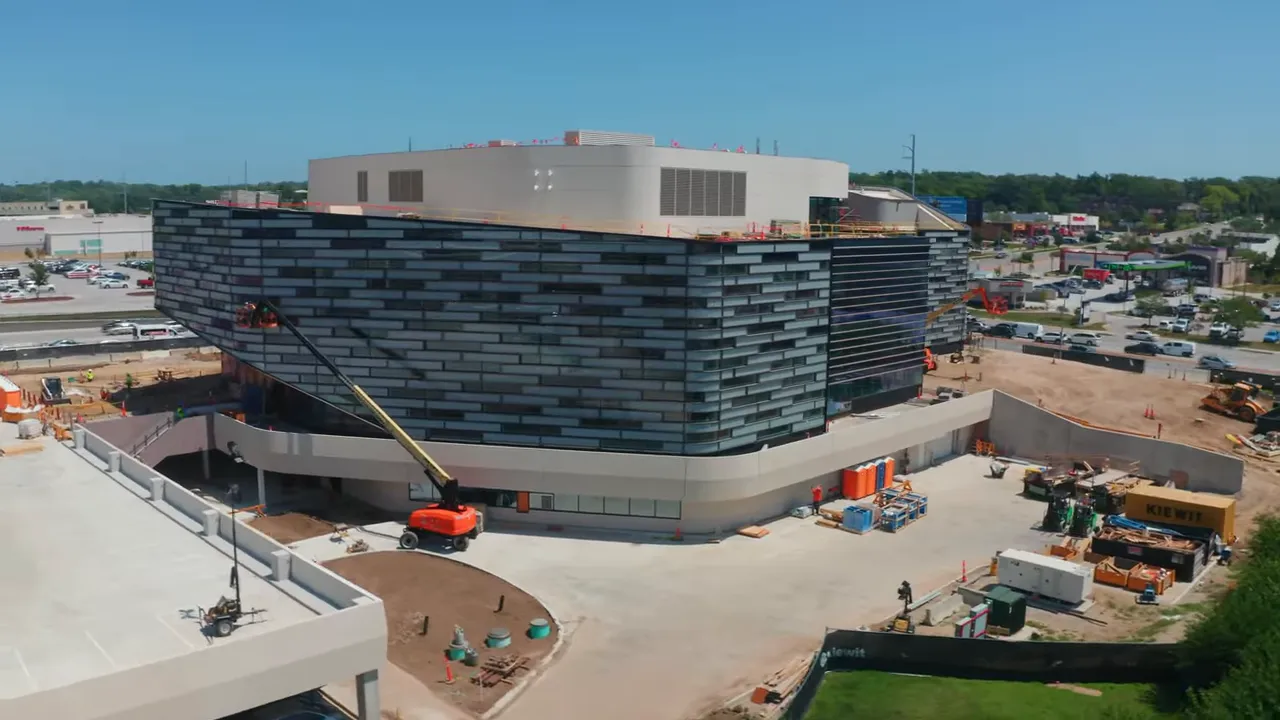
Another important piece of Omaha development in 2026 is the new central library near 72nd and Dodge. This is not just a building for books. It is intended to be a flagship civic space with events, meeting space, study space, and daily-use programming that draws people in year round.
That matters because the moment a place like this opens, habits change.
People start meeting there. Students use it. Families build it into their weekly routine. Community programming gets a central home. A new default destination in the middle of the city instantly adds quality of life value to a large part of the metro.
The strongest impact is in central Omaha, but this is bigger than one neighborhood. Since 72nd and Dodge is already a major corridor, the library also gives people from West Omaha, Millard, Elkhorn, Bennington, and Sarpy County another reason to come into the center without having to go downtown.
For buyers, this is a real lifestyle upgrade, but not an excuse to overpay. The sweet spot is being close enough to use it easily without taking on traffic friction that makes daily life worse.
For sellers, this becomes a clean and credible value story because it is tangible. You are not selling some someday promise. You are selling proximity to an active, open city anchor.
4. Eppley Airfield’s modernization keeps moving
Eppley Airfield is in deep build mode through 2026 as part of its multi-year terminal expansion and modernization effort. The goal is a more efficient, unified terminal experience, including structural changes tied to a new central pavilion and unified concourse.
The major milestone is targeted for 2027, but 2026 is still a meaningful Omaha development year because the airport remains actively under construction. Travelers will keep seeing route shifts, updated wayfinding, and changing access patterns.
Why does this matter beyond frequent flyers?
Because airport quality is one of those quiet signals people use when comparing cities. A modern, easier airport experience supports Omaha’s relocation story. It helps business travel. It improves the experience for visitors. And over time, it reduces friction for the people who use it regularly.
This especially matters for:
- business travelers
- families who fly often
- households with regular out-of-town visitors
- relocators comparing Omaha to other metros
From a real estate angle, this is more of a slow-burn tailwind than an instant pricing event. It supports the city’s competitiveness. It is not a reason to stretch financially for a house, but it does strengthen the broader case for Omaha.
5. Crossroads starts looking real
If there is one Omaha development project that sits right in the middle of how people use the metro, it is Crossroads at 72nd and Dodge. This massive mixed-use redevelopment replaces the old mall site with a walkable district planned around entertainment, retail, housing, and parking.
2026 is the year this shifts from concept to visible progress.
Excavation and early site work move into foundation work, and the site begins to show real vertical change. Timeline clarity has also tightened, with first-phase and first major tenant deliveries pushed into the late 2027 to early 2028 range.
That timing matters because visible progress changes buyer psychology before a project is even open. Once people feel confident a major convenience upgrade is inevitable, they start pricing in the future earlier.
Crossroads is especially important because it touches almost everyone. Whether we live east, west, or in Sarpy County, 72nd and Dodge is a major spine through the metro.
The smartest move here is not buying “near Crossroads” just because it sounds exciting. The better move is finding an area that benefits from the convenience while avoiding the worst traffic and access headaches.
That is where long-term demand tends to hold up best.
Where New Construction and Growth Are Concentrated in 2026
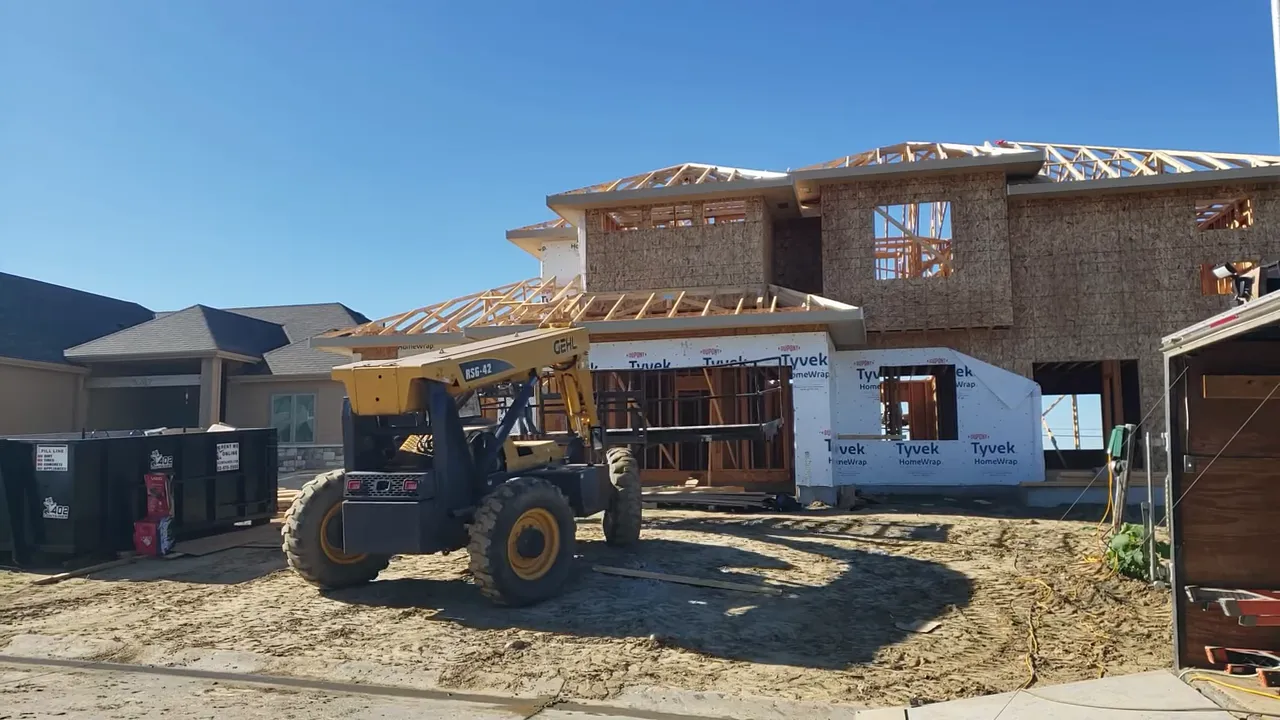
Major Omaha development projects are only half the story. The other half is where buyers are still pulling hardest for newer homes, predictable resale, and suburban lifestyle fit.
These areas are not interchangeable. Each one wins for a different reason, and each one has tradeoffs that matter more than people think.
1. West Omaha and Millard remain the safe default
For many relocating buyers, West Omaha and Millard continue to be the cleanest default choice. This area checks a lot of practical boxes:
- newer housing stock
- subdivision living
- school-driven demand
- easy access to major routes
- active builder presence across multiple price points
The big appeal is predictability. Families often feel like they are buying into stability. The neighborhoods are familiar, the resale lane is deep, and there is enough new construction inventory that buyers can still choose layouts, lots, and finishes without going fully custom.
But safe does not automatically mean best value.
Sometimes the premium for new construction shows up in smaller lots, more cookie-cutter layouts, and higher monthly costs than expected once taxes are factored in. Some pockets also carry more traffic pressure than buyers assume at first.
Millard works best when we choose the right pocket, not just the right brand name.
2. Elkhorn stays the premium west growth engine
Elkhorn remains one of the clearest premium lanes in west Omaha. Buyers looking here are usually after the full suburban package: newer homes, more space, polished neighborhoods, and strong long-term resale confidence.
The appeal is obvious:
- bigger homes
- modern floor plans
- open kitchens
- larger primary suites
- bigger garages
- newer infrastructure and cleaner streetscapes
Elkhorn also benefits from the broader westward growth trend. People who want newer housing and more space keep pushing farther west, and Elkhorn remains a name buyers actively search for.
But this is also where buyers can pay a brand premium without checking the details closely enough. Not every Elkhorn pocket lives the same. Some feel tucked away and calm. Others feel busier, more exposed, and more traffic-heavy than expected. Once taxes and insurance are layered in, the monthly payment can move fast.
The lesson here is simple: premium areas still require block-level discipline.
3. Gretna keeps pulling relocation buyers
Gretna is one of the strongest southwest growth stories in the metro. It continues to attract buyers who want newer neighborhoods, a suburban feel, and straightforward access to major routes, even if that means living a little farther out.
This is a classic “space and newness” market. Buyers often feel like they can stretch their dollar further here than in more central or premium west locations. Newer builds, bigger garages, modern layouts, and lower immediate maintenance all help.
It is especially attractive to relocation buyers coming from higher-cost markets who want new construction without going all the way into luxury pricing.
The tradeoff is the commute. A place can feel perfect on a weekend drive and very different on a workday. That is why Gretna decisions should always be tested against actual routine, not just weekend impressions or map distance.
Taxes, HOA costs, insurance, and future traffic exposure also vary more than people expect. Some pockets feel peaceful and tucked away. Others are more exposed to growth corridors and future congestion.
4. Bennington keeps rising as the northwest growth lane
Bennington has become one of the most compelling “smart middle ground” areas in the Omaha metro. It attracts buyers who want newer homes, suburban neighborhood feel, and long-term upside without always paying full premium west pricing.
That is a strong position in a market like this.
Bennington often appeals to practical move-up buyers and families who want space, modern layouts, and growth runway. Newer subdivisions, bigger garages, open kitchens, and newer infrastructure all help the area stay on short lists.
The usual tradeoffs still apply. Newer neighborhoods can come with monthly cost creep from taxes, insurance, HOA fees, and in some cases special assessments. Commute fit also matters more than people think, especially depending on where work is located.
And again, pockets matter. Some areas feel calm and residential. Others are more exposed to traffic patterns. In a fast-growing area, those differences can shape how a home feels day to day and how it performs on resale.
5. Sarpy County wins on stability, commute fit, and repeat demand
Papillion, La Vista, and Bellevue are a different kind of Omaha development story. This is less hype and more stability. Less “what is the next big thing” and more “does this work for real life?”
Sarpy County continues to attract buyers because it offers a strong mix of convenience, value, commuter access, and established neighborhoods. It also serves a different buyer profile than westward growth areas.
The pull here includes:
- quick access into Omaha
- solid internal commuter patterns
- established neighborhoods with mature trees
- options across a wider range of price points
- strong repeat demand without premium west pricing
That does not mean every part of Sarpy feels the same. Some pockets are older and more established. Some are newer and faster moving. That difference affects feel, convenience, and resale.
The wrong location can bring more traffic noise or commercial spillover than expected. And newer construction pockets still need the same payment discipline around taxes, HOA fees, and total monthly cost.
The smartest Sarpy move is not simply buying there because it is cheaper than farther west. It is choosing the specific city and pocket that fit your commute and day-to-day routine.
What Buyers Need to Understand About Omaha Development in 2026
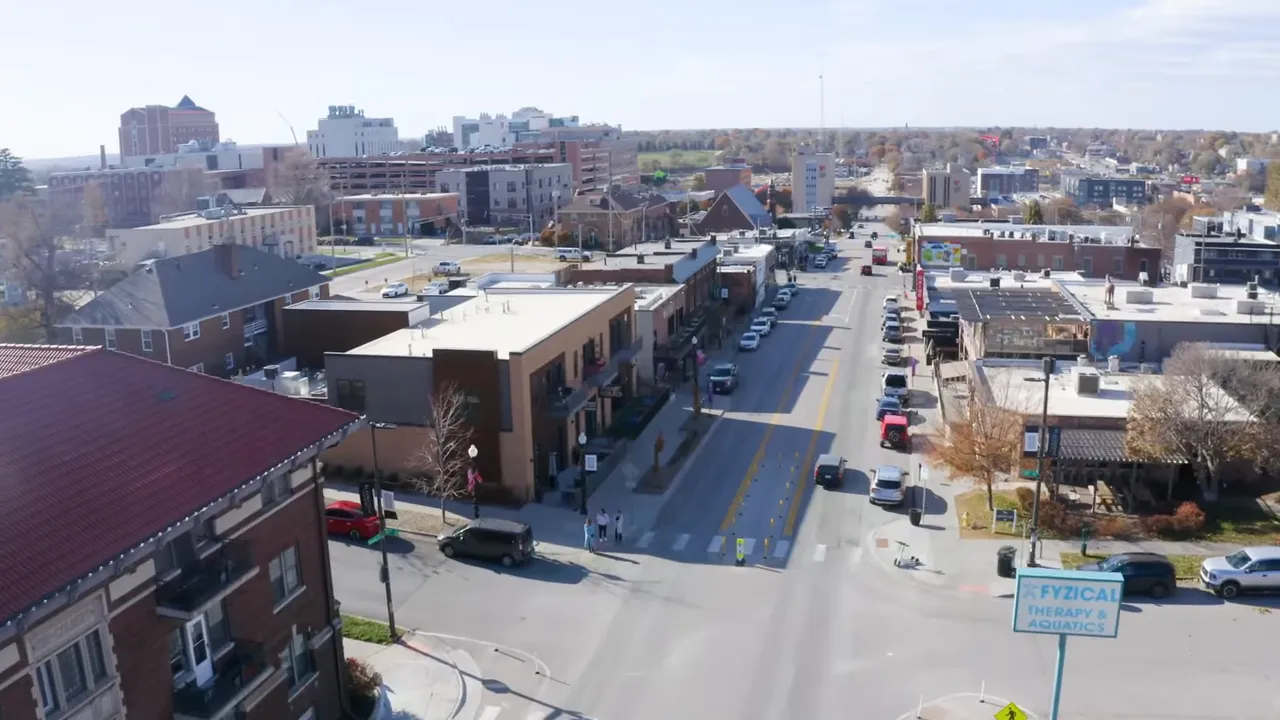
Here is the headline: Omaha development is improving the metro, but it is not improving every area in the same way or on the same timeline.
Some places get stronger because of new anchors and convenience upgrades. Other places get harder to live in for a while because of construction, traffic changes, and route disruption.
That is why the smartest buying strategy in 2026 starts with area first, house second.
Downtown and Midtown are convenience plays. West Omaha is more of a space-and-schools play. Sarpy County is often a commute-and-stability play. If we do not choose the area first, it is easy to fall in love with a house and then rationalize a location that does not fit real life.
A few rules matter more than ever:
- Do not pay a headline premium without testing daily life. Near the streetcar or near Crossroads sounds great until parking gets harder or the route gets more annoying.
- Use disruption as leverage when the property itself still works. A home that fits your life today can become even better after surrounding improvements are done.
- Separate yes homes from maybe homes. Yes homes are clean, priced right, and in strong locations. Maybe homes have layout friction, traffic problems, parking issues, or pricing that assumes perfection.
- Watch the monthly payment closely. Taxes, HOA fees, insurance, and assessments can turn a decent purchase into an uncomfortable one.
One of the biggest mistakes in a changing market is paying yes-home money for a maybe-home product.
What Sellers Should Take From All of This
For sellers, Omaha development creates opportunity, but only when the story is told accurately.
If your property benefits from a new anchor, say exactly how. If access is improving, explain the route. If your area is gaining a stronger lifestyle story, make it tangible.
What does not work is vague hype.
Buyers are getting more sophisticated about location, disruption, and total monthly cost. They want the real version of the area, not the brochure version. The sellers who win in 2026 will usually be the ones who market the true convenience and acknowledge the temporary friction honestly.
Where the Best Opportunity Usually Is
The strongest opportunities in Omaha development cycles are usually not in the loudest headlines. They are in the pockets that:
- already work well today
- have easy access to improving corridors
- avoid the worst of the immediate disruption
- offer stable resale or rental demand
That is true downtown. It is true near Crossroads. It is true in west growth areas. And it is true in Sarpy County.
The pattern is consistent. The best play is rarely the most obvious address on the map. It is the location that gets the upside without taking on too much friction.
Ready to make sure your 2026 move is smart (and not just hype)? Call or text David Matney at 402-490-6771 for a quick, no-pressure conversation about the best Omaha areas for your lifestyle and budget.
FAQ
What is the biggest Omaha development story in 2026?
The biggest story is that multiple major projects are hitting visible, real-life stages at the same time. Mutual of Omaha’s downtown headquarters, the streetcar construction phase, the new central library, Eppley Airfield modernization, and visible progress at Crossroads all combine to make 2026 feel meaningfully different across the metro.
Which Omaha areas are most affected by construction in 2026?
Midtown, Blackstone, the Farnam corridor, downtown access routes, and the 72nd and Dodge corridor are among the areas most likely to feel construction impacts first. That includes streetcar disruption and visible work around central redevelopment projects.
Is buying near the streetcar or Crossroads automatically a smart move?
No. Proximity to a major project does not automatically equal better value. The smarter move is usually finding a pocket that benefits from improved convenience while avoiding the worst traffic, parking, noise, or access headaches.
What are the best suburban growth areas to watch in 2026?
West Omaha and Millard remain the safe default for many buyers. Elkhorn stays the premium west growth engine. Gretna continues to attract relocation buyers looking for newer homes and space. Bennington keeps rising as a strong northwest growth lane. Sarpy County stays attractive for buyers focused on stability, convenience, and commute fit.
How should buyers approach Omaha development in 2026?
Start with the area, not the house. Match the location to your real routine first, then evaluate homes within that area. Test daily life, not just the sales pitch. And pay close attention to total monthly cost, including taxes, HOA fees, insurance, and any assessments.
What does Omaha development mean for sellers?
It gives sellers stronger marketing stories when a property benefits from a real anchor or convenience upgrade. The best approach is to be specific and honest. Explain the actual access, lifestyle benefit, or area improvement without overhyping the temporary inconvenience.
Omaha development in 2026 is not just about what is being built. It is about how the metro starts functioning differently once those projects become visible, usable, or disruptive. That is the year’s real opportunity. If we read the city through daily life instead of headlines, the smart moves get much easier to spot.