Table of Contents
- Introduction
- 1. Road Construction
- 2. Omaha, Nebraska is Windy
- 3. Omaha, Nebraska is More Humid
- 4. Radon Gas
- 5. Omaha Lead Superfund Site
- 6. Homeowners Insurance
- 7. Basements and Water
- 8. Sewer Scope Inspection
- 9. Trail System
- 10. Vehicles
- Omaha, Nebraska Property Taxes
- Shopping and Retail Options in Omaha, Nebraska
- Final Tips for Anyone Moving to Omaha
- FAQs About Moving to Omaha
Introduction
Thinking about moving to Omaha? The city sells itself easily: a world-class zoo, the College World Series energy, and that friendly Midwestern vibe people call Nebraska Nice. But the useful stuff rarely shows up in brochures. This guide lays out the practical realities I wish everyone knew before moving to Omaha—things that affect daily life, homeownership, and your wallet. Expect honest, actionable advice with a few local quirks thrown in.
1. Road Construction
One running joke here is that Omaha has two seasons: winter and road construction. That is not far from the truth. Freeze thaw cycles shred pavement and spring pothole season is real. Growth-driven construction—think new developments and the upcoming streetcar—adds to the mess. Farnam Street near downtown is a good example: frequent closures and utility work are common around 42nd Street and east.

If you are moving to Omaha and want to check whether a neighborhood is generally well-maintained, use the city reporting site. OmahaHotline.com lets residents submit and track reports about potholes, graffiti, litter, and code violations. It is a surprisingly useful reconnaissance tool for prospective buyers and renters because you can see what types of complaints get filed in a given area.
Street layout and the tricks of navigation
Omaha is surprisingly easy to navigate once you learn the pattern. Numbered streets run north south and increase as you go west from the Missouri River. Named streets like Dodge, Maple, Pacific, and Center run east west. Dodge Street is the major divider between north and south. That said, there are local driving quirks worth memorizing before moving to Omaha.
Left turns on Dodge? That can test your Nebraska Nice. East of 72nd there is a reversible center lane with time-of-day control. In the morning it favors eastbound traffic and in the evening westbound. If you see a green arrow, go; if you see a red X, you do not. Locals even call it the suicide lane. Farnam Street has similar directional rules near the medical center and Happy Hollow: it switches direction during rush hours. If you plan to explore neighborhoods by car, pay attention to lane signals and signage.
Omaha, Nebraska is Windy
Weather is a central part of life here. Winters are cold and windy; a 20 degree day can feel like minus five with the windchill. Summers bring real heat and humidity in July and August. If you are moving to Omaha from a milder climate, that seasonal swing will be one of the first things you notice.
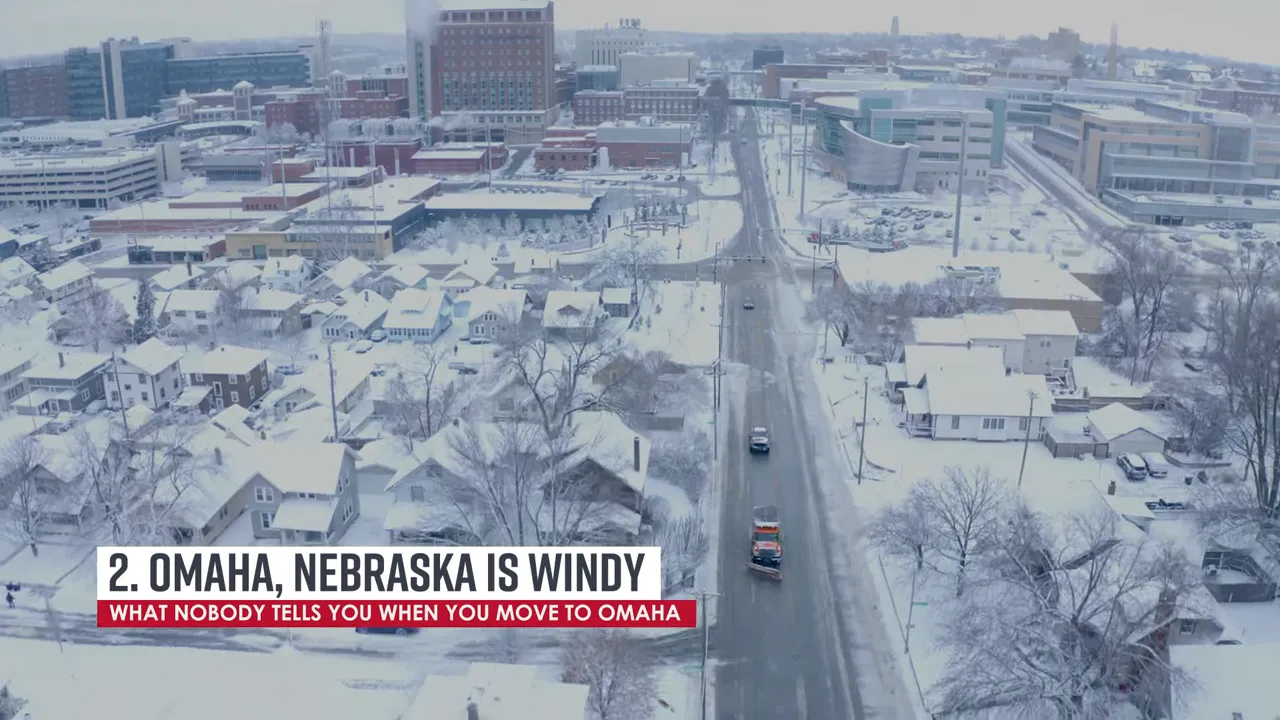
Omaha also ranked among the higher allergy cities in recent national lists. Cottonwood trees are everywhere, and those fluffy seeds clog up air conditioning condensers in late spring and early summer. That, paired with higher winds that distribute pollen across the area, makes allergy season uncomfortable for many newcomers. If allergies are a concern, check seasonal pollen maps and consider a preemptive visit to an allergist.
3. Omaha, Nebraska is More Humid
Because summers get hot and humid, AC is not a luxury in Omaha — it’s a necessity for comfort and health. If you are moving to Omaha and buying a home, budget for annual professional HVAC maintenance and make it part of your purchase checklist. A full seasonal tune‑up (typically done in spring for the cooling side and fall for the heating side) catches small problems before they become failures, keeps efficiency high, and extends equipment life. In metro areas like Omaha, HVAC companies are extremely busy right when the weather swings warm; late May and early June are peak demand times for techs. If your unit fails during that window you may face long wait times — sometimes a week or more — for a service call or replacement part, so schedule inspections earlier in spring (April or early May) when possible.
Professional service should include checking refrigerant levels, inspecting electrical connections, testing capacitors and contactors, lubricating motors where applicable, cleaning or inspecting the evaporator coil, verifying proper thermostat operation, and clearing the condensate drain. Ask your contractor for a written maintenance checklist and proof of license/insurance before you hire them. A basic tune‑up cost varies by company and system age, but expect roughly $75–$200 for a typical visit; consider a maintenance agreement that includes priority or discounted emergency service if you want extra peace of mind.
Simple, consistent homeowner maintenance also helps prevent expensive breakdowns. Replace or clean return air filters regularly (every 1–3 months depending on use and filter type), keep the area around the indoor unit free of clutter, and seal obvious duct leaks or gaps you can access safely. Because Omaha summers are humid, consider adding or verifying dehumidification in your system (a whole‑house dehumidifier or a higher‑efficiency AC can make a big difference in comfort and mold prevention) and use a programmable thermostat to limit excessive runtime while you’re away.
Watch for early warning signs of trouble so you can call a pro before a full failure: sudden increases in your electric bill, uneven cooling between rooms, weak airflow, unusual noises (clanking, buzzing, or hissing), or ice forming on the indoor coil. Older systems (around 10–15 years) often become less efficient and more expensive to repair; if a technician recommends replacement, get multiple quotes and consider lifecycle costs — higher initial efficiency can pay back through lower energy bills. Finally, when selecting an HVAC company, check online reviews, ask for references, confirm they will check refrigerant charge and airflow, and consider a seasonal maintenance plan that includes a written report after each visit.
4. Radon Gas
Eastern Nebraska has elevated radon potential. Radon is an invisible, odorless, radioactive gas produced from the natural decay of uranium in soil, rock, and groundwater. It migrates through soil and can enter homes through cracks in slabs, gaps around pipes, crawlspaces, and sumps. Because it accumulates in basements and other lower-level living spaces, long‑term exposure increases lung cancer risk — radon is the second leading cause of lung cancer after smoking, and the risk is especially high for current and former smokers. Public‑health agencies therefore take indoor radon seriously and recommend homeowners test and, if necessary, mitigate.
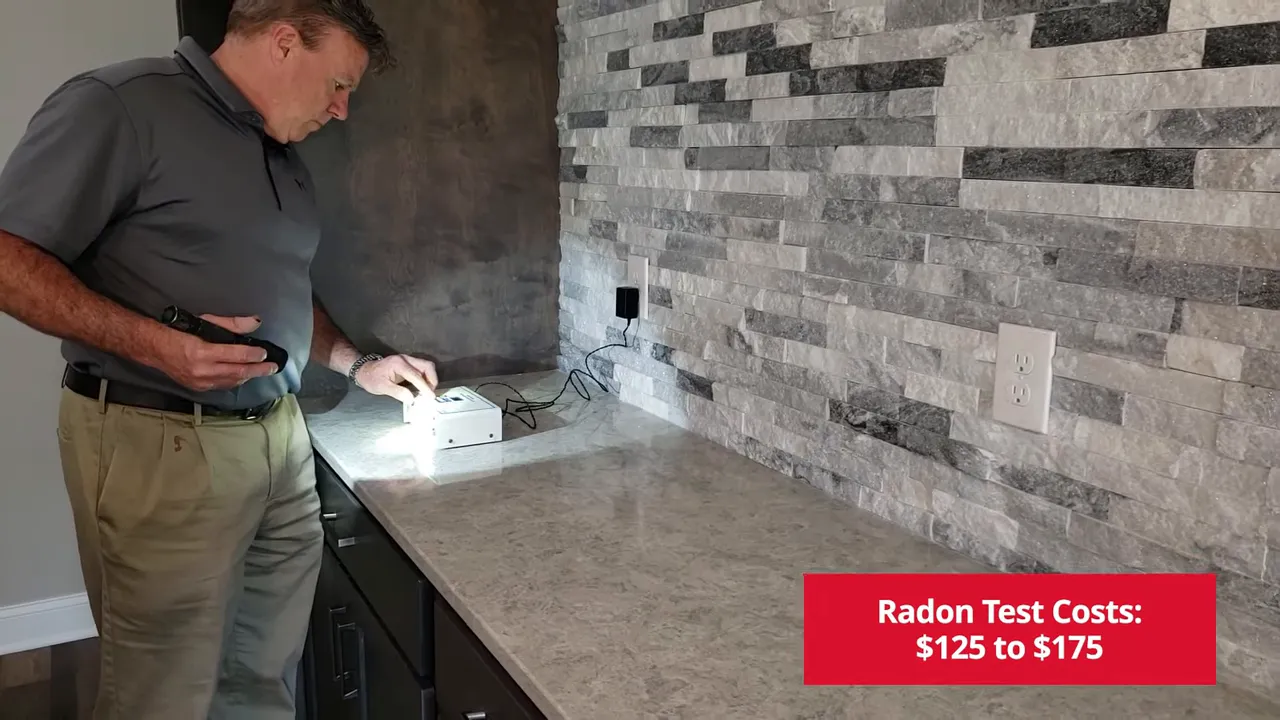
If you are moving to Omaha and your new home has a basement or a finished lower level, budget for a radon test as part of your inspection period. Typical professional testing runs about $125–$175; DIY short‑term kits are cheaper (often $10–$30) but a professionally run short‑term (48–96 hour) or long‑term (90+ day) test gives more reliable results. When testing, place the device in the lowest lived‑in level, follow the closed‑house protocol (keep windows and exterior doors closed for 12 hours before and during short‑term tests), and avoid running fans or fireplaces that could bias results. The EPA action level is 4.0 picocuries per liter (pCi/L); the World Health Organization recommends a lower reference level (about 2.7 pCi/L). Any reading above these benchmarks warrants attention — many radon professionals and public‑health experts will discuss mitigation for repeated or long‑term averages above 2.0 pCi/L.
For buyers: ask for radon testing during your inspection contingency and request either remediation prior to closing or a negotiated credit if levels are high. Always insist on mitigation work from an experienced, certified contractor (check the Nebraska Radon Program or national certification lists such as NRPP/NRPP‑listed professionals) and get a written warranty and post‑mitigation test showing results. After mitigation, retest to confirm reductions (a designer/tester will recommend short‑term or continuous testing) and plan for periodic monitoring — annual spot checks are common, and a continuous monitor can alert you to system failures. For more information and certified tester/mitigator lists, consult the EPA radon website and the Nebraska Department of Health and Human Services Radon Program.
5. Omaha Lead Superfund Site
The riverfront area now features parks, the Bob Kerrey pedestrian bridge, and civic attractions. But a few decades ago that same ground hosted the Asarco lead smelting plant. Over its long operation, the plant released lead and other heavy metals across parts of North Omaha. The Omaha Lead Superfund site is a reminder that industrial legacy affects neighborhoods.
If you are moving to Omaha and considering a home near the designated Superfund area, you will need to sign a disclosure and check public remediation records. The city and county sites list testing and cleanup information for affected properties. Always research environmental history when buying in older industrial corridors.
6. Homeowners Insurance
Nebraska experiences severe spring and summer thunderstorms, frequent hail, high straight‑line wind events, and the occasional tornado — all of which drive up homeowners insurance costs compared with many parts of the country. Insurers price for frequent roof and siding claims, and underwriters pay close attention to a property’s storm history, roof age, and construction materials. If you are moving to Omaha, three practical points are especially important to get right up front to avoid surprises and protect your coverage and pocketbook:

- Check the roof- Don’t just glance up from the street. Note the roof’s age, shingle type (architectural vs. 3‑tab), evidence of granule loss, curling or buckling shingles, soft spots at the eaves, and previous patchwork. Many insurers will mark a roof over a certain age as “high risk” or charge higher premiums; others may require a roof certification before issuing or renewing coverage. Before you buy, get a documented roof inspection (date‑stamped photos and a written report), and consider whether a newer roof or a certification from a licensed roofer could lower your premium or improve claims outcomes.
- Understand coverage type- Know whether your policy is Replacement Cost Value (RCV) or Actual Cash Value (ACV). RCV typically pays to replace damaged materials (subject to the deductible and coverage limits) while ACV deducts depreciation — which for a 7–15 year old roof can leave you owing thousands. Also look for exclusions or separate wind/hail deductibles, whether your policy includes Ordinance & Law coverage (important if code upgrades are required during repairs), and if there’s a guaranteed or extended replacement cost endorsement that covers costs above your dwelling limit. Confirm limits for outbuildings, detached garages, and roof replacements so there are no surprise gaps.
- Call a roofer first- After any suspected hail or wind event, document everything (photos, dates, weather reports) and have a reputable, licensed roofer inspect the roof before you call your insurer. A contractor can identify subtle damage and provide a professional estimate; if nothing is found, avoid filing an insurer‑initiated inspection that will still record a claim activity. If repairs are needed, get a line‑item estimate and retain receipts for temporary repairs (tarps, plywood) because insurers often reimburse mitigation expenses. Beware of storm‑chaser contractors: ask for local references, proof of insurance, and a written contract with clear timelines and payment terms.
- Check the roof- Don’t just glance from the curb. Note the roof’s age, shingle type, granule loss, previous patching, and get a documented inspection or certification from a licensed roofer; these details affect underwriting and premiums.
- Understand coverage type- Replacement cost policies will pay to replace damaged materials (minus your deductible) while actual cash value policies subtract depreciation, which can leave large out‑of‑pocket expenses. Check for separate hail/wind deductibles, ordinance & law coverage, and guaranteed replacement cost endorsements.
- Call a roofer first- After suspected hail damage, photograph everything and hire a reputable roofer to confirm and estimate damage before contacting your insurer. Insurer inspections that find no damage still show up as claims; multiple such "zero paid" inspections can increase premiums or risk nonrenewal. Keep written estimates, receipts for emergency repairs, and contractor credentials to support any future claim.
7. Basements and Water
Most Omaha homes have basements. To keep them dry, focus on the Holy Trinity: gutters, downspouts, and grading. Leaves clog gutters in the fall. Downspouts should direct water away from the foundation. The ground around your house should slope away to prevent pooling against the foundation.

If you are moving to Omaha and buying new construction, expect some settling. The backyard may compact and you might need to add soil to restore the slope. Avoid dense plantings at the foundation that keep moisture against the house and invite water problems.
Disconnect hoses in winter
An easy but often overlooked step: disconnect the outside hose before freezing weather. A hose left attached can trap water in the pipe, which freezes, expands, and can burst the interior valve. When it thaws, the basement floods like a garden hose left on full blast. If you manage rental property, make sure tenants know this rule.
8. Sewer Scope Inspection
Beautiful mature trees can also be trouble for old clay sewer lines. Tree roots seek moisture and often invade clay junctions, causing blockages and collapse. If a home is 40 years or older and sits among mature hardwoods, pay for a sewer scope before purchasing. A sewer scope costs around $275 and can save you from a surprise replacement bill that can approach tens of thousands of dollars.
9. Trail System
On the positive side, Omaha has an extensive trail system that follows old rail lines and creek corridors. If you bike or enjoy outdoor recreation, these trails are a big win. The Papio Creek trails and the dam site lakes were built to control flooding and double as great weekend destinations.
That said, parts of the metro are in floodplains. Before moving to Omaha and buying property, confirm flood insurance requirements with your agent. The region has a history of major floods—along the Missouri River in 2011 and local river flooding in 2019—so flood risk is real in low-lying neighborhoods.

10. Vehicles
While people often say you need a car in Omaha, few explain the cost structure tied to registration. Nebraska vehicle taxes and fees can add up. Aside from a basic registration fee, there is a Motor Vehicle Tax that is based on the vehicle value and declines over years. For a new $40,000 vehicle the first year tax might be several hundred dollars.
Additional charges include county fees, license plate fees, and municipal wheel taxes in some cities. If you drive electric, expect an alternative fuel fee that offsets lost gas tax revenue. In Nebraska that fee is currently a noticeable annual charge.
Property Taxes in Omaha, Nebraska
Nebraska property taxes are often described as high. A less talked about quirk is the payment timing in Douglas and Sarpy counties: taxes are assessed one year and paid the next. That means when you buy a home in 2025 you will be responsible for 2024 taxes as part of the closing conversation. The first half of the yearly bill becomes delinquent in April and the second half in August. Have a clear discussion with your lender and closing agent about prorations and when taxes are paid to avoid surprises.
Shopping and Retail options
If retail is a priority, know that Omaha lacks certain high-end department stores found in larger metros. There is no Nordstrom or Macy's regionally. The nearest IKEA is in Kansas City. However, Omaha offers a variety of malls and shopping areas—Village Pointe, Regency, Shadow Lake Town Center, Westroads Mall, Nebraska Crossing in Gretna—and a healthy selection of boutiques and national specialty shops.
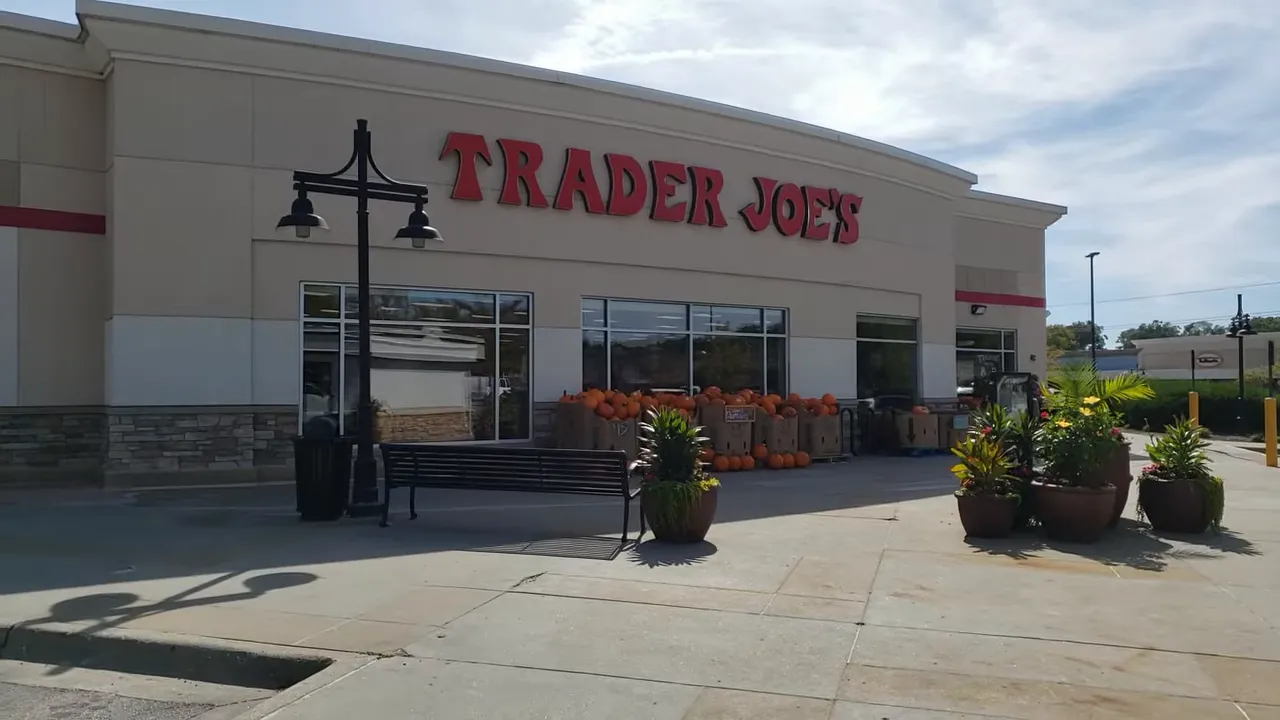
For grocers, Trader Joe’s is at 1035 Pacific Street, and there is a Whole Foods near Regency Parkway. Costco fans will be happy; the metro has several locations. Shopping variety is decent, but if you expect luxury flagship stores you will need to drive to a larger city.
Final Tips for Anyone Moving to Omaha
Moving to Omaha is a tradeoff: you get shorter commutes, friendly neighborhoods, and strong community amenities in exchange for seasonal extremes and a few local headaches. Here are the key practical takeaways:
- Test basements for radon and budget for mitigation if needed.
- Get a sewer scope on older homes before buying.
- Maintain gutters and downspouts to keep basements dry.
- Service your AC annually and clean the condenser in cottonwood season.
- Understand your homeowners insurance type—replacement cost versus actual cash value matters.
- Use OmahaHotline.com to research neighborhood maintenance and construction trends.
- Plan for vehicle registration fees and local taxes if you are bringing a car.
VIEW HOMES FOR SALE IN OMAHA, NEBRASKA
FAQs About Moving to Omaha, Nebraska
Do I need a car if I am moving to Omaha?
Yes. Omaha is spread out and public transit is limited. Most residents find a car essential for commuting, errands, and reaching many amenities.
How bad are property taxes when moving to Omaha?
Property taxes are higher than the national average. In Douglas and Sarpy counties taxes are assessed one year and paid the next, so understand prorations at closing to avoid surprises.
Should I test for radon before buying a house?
Absolutely. Eastern Nebraska has elevated radon potential. A test costs around $125 to $175 and mitigation systems are usually a few thousand dollars if required.
How often should I service my HVAC after moving to Omaha?
Annually. Have both the furnace and AC cleaned and inspected before peak seasons. Clean the exterior AC condenser in late spring to remove cottonwood fluff.
When should I do a sewer scope?
Before the home inspection and before you make a final purchase decision. If the home is older than 40 years in a tree-lined neighborhood, a $275 sewer scope could prevent a much larger expense.
Is flooding a common issue in Omaha?
Some areas are flood-prone. Omaha has invested in dams and flood control, but river and creek flooding have occurred historically. Verify flood maps and insurance needs with your agent.
Read More: The Pros and Cons of Living in Omaha, Nebraska! (What You Need to Know Right Now!)