If you are moving to Omaha, NE, this guide cuts through the noise and gives you practical, on-the-ground answers to the questions people ask most. Whether you're drawn by jobs, schools, lower costs, or the food scene, I’ll walk you through neighborhoods, money matters, lifestyle, and the small details that make life in Omaha feel like home.
Table of Contents
- Is Omaha A Good Place To Live?
- What Is The Cost Of Living In Omaha?
- Where Are The Omaha Best Neighborhoods And Suburbs?
- Which School District Is Best?
- How Much Do Home Costs In Omaha?
- Jobs, Economy, And Major Employers In Omaha
- What Is The Food Scene Like In Omaha?
- Where Are The Best Parks And Recreation Areas In Omaha?
- Do You Need A Car In Omaha?
- What About Healthcare And Safety In Omaha?
- What Is The Weather Like In Omaha?
- What Is The Culture And Vibe Like In Omaha?
- Practical Tips When Moving To Omaha, NE
- FAQ About Moving To Omaha?
Is Omaha A Good Place To Live?
Short answer: yes. Omaha is the largest city in Nebraska and sits at the center of a metro of nearly one million people. It delivers many of the amenities of a larger city—quality healthcare, strong schools, corporate headquarters—while keeping a lower cost of living and shorter commutes.
Recent national rankings highlight why people are moving to Omaha, NE: notable placements on lists for best cities to move to, best places for young professionals, and top family-friendly cities. If you're moving to Omaha, NE for quality of life, you’ll find easily accessible parks, neighborhood character, and a friendly, community-minded vibe.
What Is The Cost Of Living In Omaha?
One of the most tangible benefits when moving to Omaha, NE is the dollar-stretch. Cost of living in Omaha sits below the national average—about 7% lower. Put another way, moving to Omaha, NE from a high-cost city can substantially increase your purchasing power.
Example: someone earning $100,000 in Los Angeles could expect to need roughly $63,500 to maintain that lifestyle in Omaha. Housing costs can be 60%+ lower versus coastal markets. Transportation expenses, groceries, and other everyday costs are also usually lower.
Commutes matter too. The average commute in Omaha is about 20.5 minutes, significantly faster than many major cities. If you are moving to Omaha, NE and plan to work remotely but come into the office occasionally, that shorter commute is a real quality-of-life win.
Where Are The Best Omaha Neighborhoods And Suburbs?
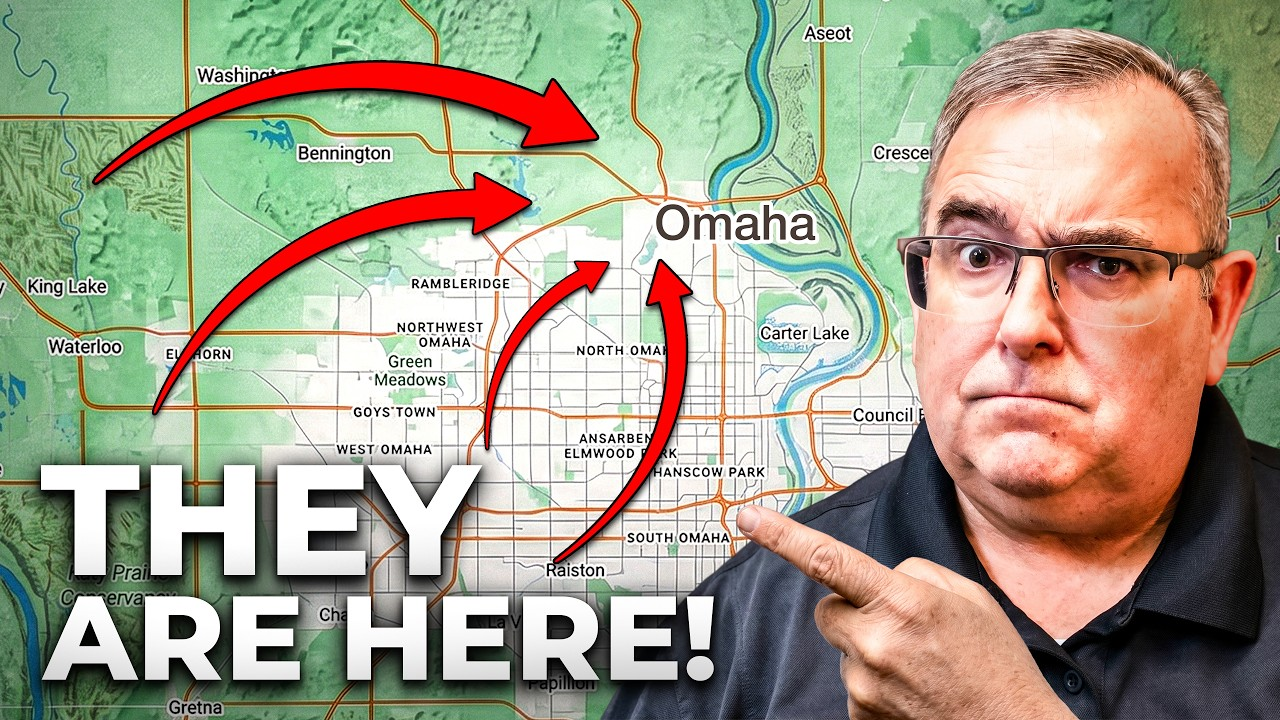
There is no single “best” neighborhood when moving to Omaha, NE—the right choice depends on work location, budget, and lifestyle. Omaha is traditionally divided into North, South, Northwest, and Southwest quadrants. Many people just call the expanding area West Omaha.
Quick neighborhood guide when moving to Omaha, NE:
- North Omaha: older, more affordable homes; pockets of charm like Florence and Dundee.
- Benson: a hipper, artsy area with bars, shops, and affordable homes.
- Country Club: older brick homes on a desirable street; historically the location of a golf course.
- Aksarben: close to UNO and the med center, good walkability and parks.
- Happy Hollow / Memorial Park area: upscale brick homes—Warren Buffett’s neighborhood is here.
- Suburbs like Gretna, Elkhorn, Bellevue, La Vista, Papillion: offer newer construction, family-friendly amenities, and good access to Omaha without being inside city limits.
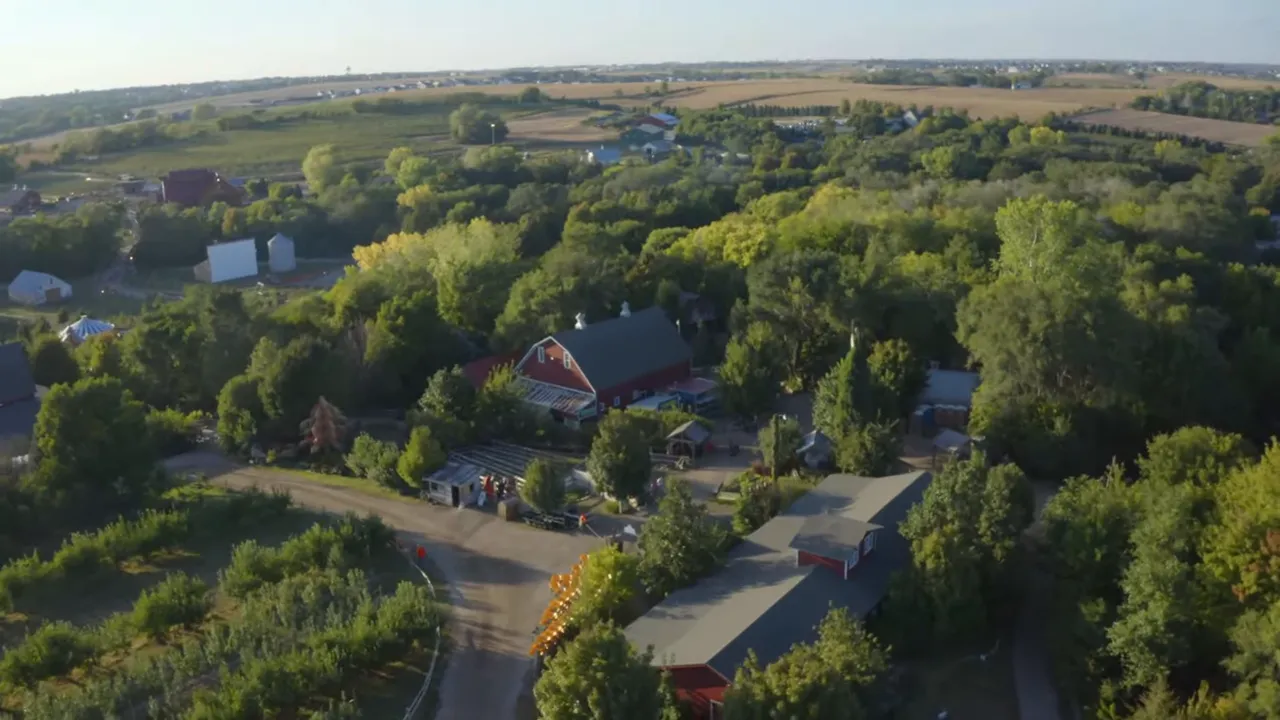
If the school district matters, remember that Omaha’s real estate market is often school-driven. If you are moving to Omaha, NE with kids, spend time checking district maps and, when possible, visit neighborhoods at different times of day.
Which School District Is Best?
School quality varies across districts. The Nebraska Department of Education rates districts from “excellent” to “needs support.” Some top-rated districts near Omaha include Millard, Gretna, and Bennington, while Omaha Public Schools has areas needing improvement and ongoing development.
Nebraska has open enrollment. If you are moving to Omaha, NE and want a child to attend a school outside your assigned district, open enrollment lets you apply. It depends on space, and transportation is typically not provided by the receiving district.
Resources: use the Nebraska Education Profile site when researching schools. If a district is crucial to your move, verify school boundaries before committing to a house.
How Much Do Home Costs In Omaha?
Median sale prices over a 12-month rolling average:
- Existing homes in Douglas and Sarpy counties: around $299,000.
- New construction in the same counties: around $426,000.
Two financial notes about moving to Omaha, NE: property taxes and homeowners insurance are higher than average, especially in newer subdivisions. Budget for that. There has been some property tax relief, but taxes still deserve attention when planning.
Rent vs buy: Unless you plan to stay five years or more, renting often makes sense. Mortgage math generally favors ownership in the long term, but competitive rental markets mean you might face high rents in desirable areas. If you’re moving to Omaha, NE on uncertain timing, consider a short-term lease or Airbnb while you explore.
Jobs, Economy, And Major Employers In Omaha
Omaha’s economy is diversified. Four Fortune 500 companies are headquartered here: Berkshire Hathaway, Mutual of Omaha, Kiewit Corporation, and Union Pacific. Other major employers include Nebraska Medicine, Creighton University, CHI Health, Methodist Health System, First National Bank, and Charles Schwab.
Tech and data presence has grown—Google and Facebook have built large data centers nearby. If you are moving to Omaha, NE seeking work in healthcare, finance, transportation, defense, or tech operations, there are solid opportunities and a below-average unemployment rate.
What Is The Food Scene Like In Omaha?
Omaha’s food scene is richer than many expect. When moving to Omaha, NE you’ll discover local gems and quirky classics:
- Runza: the local fast-food staple (meat and cabbage in a bread pocket).
- Blackstone and Benson neighborhoods: great for restaurants and nightlife.
- Standouts: fine sushi, top-ranked ice cream shops, and eclectic diners.
- Local traditions: you’ll find annual events and festivals that celebrate local tastes—some more adventurous than others
Bottom line: if you are moving to Omaha, NE for the food, you won’t be disappointed.
Where Are The Best Parks And Recreation Areas In Omaha?
Omaha has a strong parks and outdoor offering. The riverfront and Gene Leahy Mall are central attractions with paths, dog parks, and event spaces. The Henry Doorly Zoo and Aquarium is world-class and worth a full day trip for families.

Lakes and trails around Douglas County—Standing Bear, Lake Cunningham, Walnut Creek—give options for fishing, trails, and picnicking. Mahoney State Park to the southwest offers camping, horseback riding, and other outdoor fun. If birding is your thing, there are national wildlife refuges nearby with fascinating history exhibits.
Do You Need A Car In Omaha?
Do you need a car when moving to Omaha, NE? Yes. Public transit exists—the Metro Bus and Orbit rapid buses—but it does not reach every neighborhood. Expect to rely on a car in most areas.
Good news on air travel: Eppley Airfield is undergoing a major expansion to add gates and expand international service; projects are scheduled into the latter half of the decade. A planned streetcar and other transit improvements are in the works, which will improve connectivity over time.
What About Healthcare And Safety In Omaha?
Healthcare is a city strength: Nebraska Medicine, CHI, and Methodist Health System provide comprehensive services. If you’re moving to Omaha, NE for medical jobs or for access to specialty care, you’ll find major facilities and clinics across the metro.
Safety: like any mid-sized city, Omaha has areas with higher crime rates and areas that are very safe. Crime statistics can be startling on paper—violent and property crime indices vary across neighborhoods—but context matters. Driving through neighborhoods, talking to locals, and checking trends are better than relying on a single dataset. Use common sense, neighborhood visits, and local police resources when evaluating safety for a particular area.
What Is The Weather Like In Omaha?
Omaha has a humid continental climate—hot, humid summers; cold, snowy winters; and dramatic shoulder seasons. Average summer highs sit in the mid-80s. Winters average highs in the mid-30s with typical annual snowfall between 20 and 30 inches.
Tornado risk exists. The metro experienced a violent tornado in April 2024. Understand the difference between a tornado watch and a tornado warning: a watch means conditions are favorable; a warning means a tornado has been sighted and you should seek shelter immediately. Most homes come with basements, and phone alerts and local systems are robust.
What Is The Culture And Vibe Like In Omaha?
People who move to Omaha, NE often mention the friendliness and community orientation first. The city supports local businesses, arts, and family-friendly events. There’s a slower pace than a major coastal city, but with plenty of cultural outlets—museums, concerts, festivals, and college sports that matter to the local identity.

Politically, the state skews conservative, but Omaha is a blue dot inside a red state. That mixture shapes local conversations and civic life. If politics matter to your neighborhood sense, you’ll find a mix across the metro.
Practical Tips When Moving To Omaha, NE
- Visit first and spend several days exploring neighborhoods at different times.
- Research school boundaries and confirm them before purchase if schools matter.
- Budget for higher-than-average property taxes and homeowners insurance if you buy in newer developments.
- Plan for a car. Public transit will improve, but it’s not yet comprehensive.
- Consider short-term leases or an Airbnb while you learn the city—moving to Omaha, NE with flexibility pays off.
- Check local job markets and employers; Omaha has a strong base for healthcare, finance, transportation, and data centers.
Ready to make the move or have questions about Omaha neighborhoods, schools, or housing? Call or text David at 402-490-6771 and I’ll send the FREE relocation guide and help you plan your next steps.
FAQ About Moving To Omaha?
Is Omaha safe to move to?
Safety varies by neighborhood. Crime statistics show higher rates in some parts of the city and much lower rates in suburbs. The best approach is to visit, drive neighborhoods at different times, and check local resources. Many people find Omaha to be a family-friendly, community-oriented place.
How much will I pay for a house in Omaha?
Median sale prices for existing homes are around $299,000; new construction averages roughly $426,000. Expect lower prices than coastal markets but plan for higher property taxes and insurance in newer subdivisions.
Do I need a car in Omaha?
Yes, a car is recommended. Public transit exists and is improving, but most residents rely on private vehicles for daily commuting and errands.
Are there jobs in Omaha?
Yes. Major employers span healthcare, finance, transportation, and tech infrastructure. Four Fortune 500 companies are headquartered here, and data centers from major tech firms provide additional employment.
What neighborhoods are best for families?
Suburbs like Gretna, Millard, Bennington, and areas in West Omaha are popular for families due to schools, parks, and newer housing. But great family neighborhoods exist throughout the metro—visit to see which fits your lifestyle.
How is the food and nightlife?
Omaha has a surprisingly strong food scene—local restaurants, unique regional foods, and neighborhoods with nightlife and live music. Expect comfort food, excellent steaks, creative dining, and beloved local chains.
What should I research before moving to Omaha, NE?
Check school districts, commute times to your workplace, property tax rates for potential neighborhoods, local crime trends, and job availability. Visit multiple times and talk to locals to get a feel for community fit.
Moving to Omaha, NE offers a balance of affordability, opportunity, and community. Whether you want shorter commutes, strong healthcare, a growing job market, or a welcoming food scene, Omaha deserves a close look. Take your time, come visit, and you might find it’s the best move you make.
Read More: Renting vs Buying in Omaha