Table of Contents
- Introduction
- Omaha Geography Explained: Why County Lines Matter When Buying a Home
- How I Break Down the Omaha Metro When Helping Buyers Choose Where to Live
- North Omaha Neighborhoods: Affordable and Historic Pockets
- Benson Omaha: Local Nightlife, Walkability, and Character Homes
- Midtown Omaha Neighborhoods: Historic, Walkable, and In-Demand Areas
- Aksarben Village and the Elmwood Park Area in Omaha
- South Omaha Neighborhoods: Cultural Diversity and Community Feel
- West Omaha Neighborhoods: New Construction, Family Suburbs, and Growth
- Ralston, Nebraska: Small-Town Living Inside the Omaha Metro
- Sarpy County Near Omaha: Bellevue, Papillion, and Gretna — What to Expect
- Omaha Schools Explained: Open Enrollment and Why You Must Verify Districts
- Crime and Safety in Omaha: What Your Agent Can and Cannot Tell You
- Omaha Lead Superfund Area: What to Know Before Buying Near Downtown
- Commuting in Omaha, Nebraska: Traffic, Weather, and Practical Living Tips
- New Construction Homes in Omaha and Sarpy County: Builder Policies
- How to Narrow Down the Best Areas to Live in Omaha for Your Situation
- FAQs About Living in Omaha, Nebraska
- Final Thoughts
Introduction
Searching for the best areas to live in Omaha often starts on a map and quickly becomes confusing. Omaha looks simple until you realize the metro includes multiple cities, counties, school districts, and very different lifestyles. This guide walks through the metro region by region so you can focus your search on the neighborhoods that match your budget, commute, and priorities.
Omaha Geography Explained: Why County Lines Matter When Buying a Home
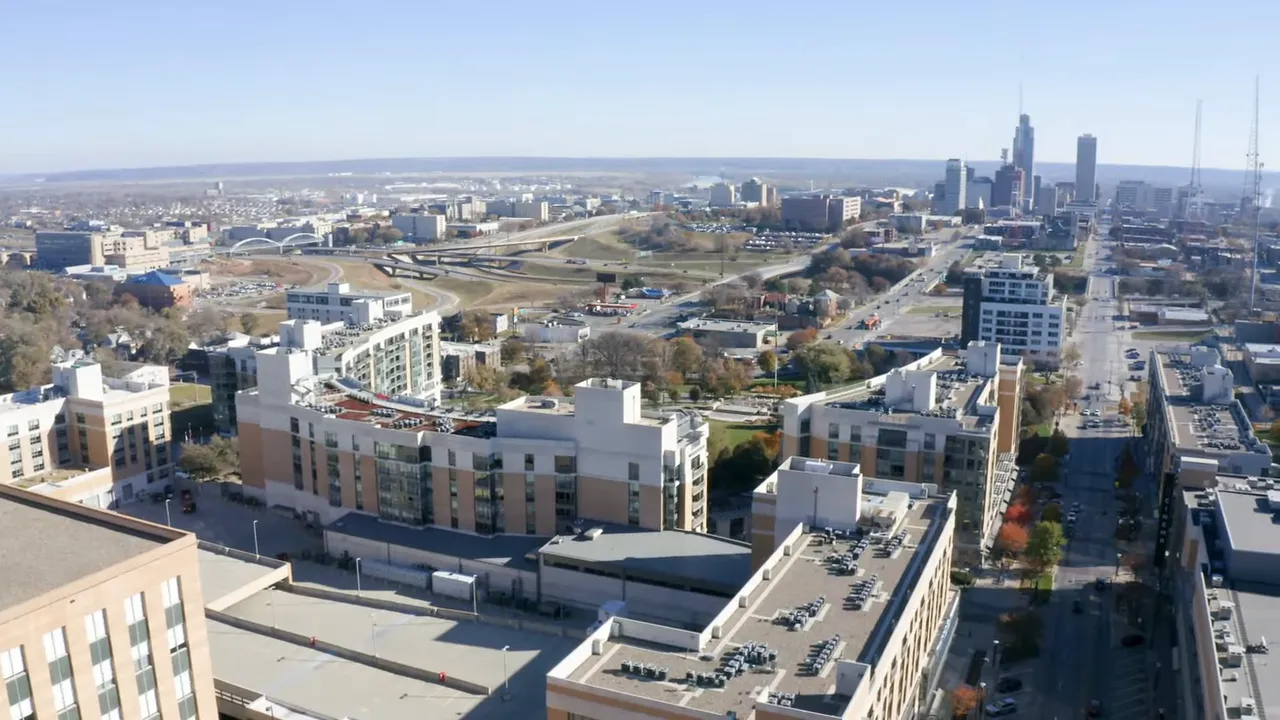
Omaha is the largest city in Nebraska and sits on the west bank of the Missouri River. Across the river is Iowa and the city of Council Bluffs. When people say Omaha they might mean the city limits of Omaha in Douglas County, or the greater Omaha metro that includes multiple cities and Sarpy County to the south.
Key geographic points to know:
- Douglas County contains Omaha proper plus smaller towns like Ralston, Bennington, Waterloo, and Valley.
- Sarpy County(south of Douglas) contains Bellevue, Papillion, La Vista, Gretna, and Springfield.
- The Missouri River forms the eastern border between Nebraska and Iowa.
- The Platte River runs on the west side and helps form county lines to the south.
- Interstate 80 runs east-west and Interstate 29 runs north-south on the Iowa side — both shape commuting patterns across the metro.
County lines affect more than maps. Nebraska law prevents Omaha from annexing land in a different county, which means growing suburbs in Sarpy County (Papillion, Gretna, Papillion) will remain independent cities even as they expand. That matters for taxes, services, and long-term planning.
How I Break Down the Omaha Metro When Helping Buyers Choose Where to Live
I divide the city into practical regions: Downtown, Midtown, North Omaha, South Omaha, and West Omaha — then expand to the neighboring towns in Sarpy County. Each area has different price points and lifestyles. Figuring out which region fits you will make your home search far easier.
Downtown and urban living
Downtown Omaha sits only a few miles from Eppley Airfield and offers the most urban lifestyle in the metro. Expect condos, walkable pockets, restaurants, and entertainment. Some things to consider:
- Older, established neighborhoods sit close to the river and downtown core.
- Downtown is in the middle of a transformation with new office towers and a planned streetcar system, which will boost walkability and options.
- Condo living is common here — smaller living spaces, but proximity to nightlife and cultural amenities.
North Omaha Neighborhoods: Affordable and Historic Pockets
North Omaha is one of the older, often more affordable parts of the city. Within it are neighborhoods like Florence, which was once a separate town and keeps a lot of historic charm.
- Florence — older homes, affordable, and often overlooked; good for buyers who want character without the premium price.
- North Omaha more broadly — has affordable housing options and older housing stock. It is worthwhile for first-time buyers or investors looking for value.
VIEW HOMES FOR SALE IN NORTH OMAHA, NE
Benson Omaha: Local Nightlife, Walkability, and Character Homes
Benson began as an independent town and now is a lively, walkable district inside city limits known for nightlife, bars, and local restaurants. Home styles range from 1920s bungalows to mid-century houses. If you want a neighborhood with character and things to do within walking distance, Benson is a contender.
Midtown Omaha Neighborhoods: Historic, Walkable, and In-Demand Areas
Midtown is where you’ll find some of the metro’s most coveted neighborhoods: Country Club, Dundee, Happy Hollow, and Morton Meadows. These areas have:
- Historic brick homes and tree-lined streets
- Short drives to Nebraska Medicine and the University of Nebraska at Omaha
- Higher price points driven by location and home quality
These neighborhoods often top lists for the best areas to live in Omaha for buyers prioritizing schools, walkability, and established community feel. Warren Buffett lived in the Happy Hollow area for decades, a testament to its long-term appeal.
VIEW HOMES FOR SALE IN MIDTOWN, NE
Aksarben Village and the Elmwood Park Area in Omaha
Aksarben (Nebraska spelled backwards) is a popular, slightly more affordable urban neighborhood close to parks, the university, and major employers. Aksarben Village sits near Elmwood Park and Memorial Park, providing green space and easy access to I-80. Homes here date from the 1940s and 1950s in many pockets.
South Omaha Neighborhoods: Cultural Diversity and Community Feel
South Omaha grew around the stockyards and meatpacking industry and remains a hub of cultural diversity and working-class neighborhoods. It’s a great place to find authentic restaurants, local businesses, and a strong community feel. Housing tends to be more affordable compared to Midtown and parts of West Omaha.
West Omaha Neighborhoods: New Construction, Family Suburbs, and Growth
If you prefer new construction, bigger lots, and newer schools, West Omaha is the primary area of choice. Suburbs like Elkhorn, Bennington (on the northwest edge), and parts of Millard and West Omaha are where builders are active and new neighborhoods pop up.
- Elkhorn — once a separate town, now annexed. Lots of family-friendly subdivisions and newer schools.
- Bennington — still a separate town but growing fast; upscale lakefront homes exist alongside mid-range new builds.
- Millard — large suburban area with its own identity, schools, and shopping.
Ralston, Nebraska: Small-Town Living Inside the Omaha Metro
Ralston is a separate city surrounded by Omaha on three sides. It remains independent due to agreements from past decades (a 1960s‑era arrangement that preserved its city status) and even borders Sarpy County along its southern edge. The community is small and community‑oriented, with its own Ralston Public Schools, local shops, parks, and a modest commercial corridor — giving it the feel of a tight‑knit town inside the larger metro. For buyers who want shorter commutes to downtown but prefer quieter streets, lower‑density neighborhoods, and a distinct local identity, Ralston is definitely worth considering.
VIEW HOMES FOR SALE IN RALSTON, NE
Sarpy County Near Omaha: Bellevue, Papillion, and Gretna — What to Expect
Sarpy County communities south of Omaha are among the fastest growing parts of the metro. If you search for the best areas to live in Omaha and your priorities include newer schools, military access, or employment hubs like data centers and fulfillment centers, Sarpy County should be on your list.
Bellevue
Bellevue is Nebraska’s third-largest city and home to Offutt Air Force Base. It offers a mix of smaller, affordable homes near the base and elevated neighborhoods with larger properties. Bellevue is also investing in amenities like a large water park and newer subdivisions.
Papillion
Papillion (Papillion) has become very popular with families and with people working in tech and logistics. It’s home to data centers and large distribution facilities. Papillion mixes old railroad-town charm with expanding residential subdivisions.
Gretna
Gretna sits about 30 minutes from downtown and has experienced a major growth spurt with new parks, retail, and housing. Commuting across the Omaha metro is generally short — many drives across town are around 30 minutes — which makes suburban living practical for many buyers.
VIEW HOMES FOR SALE IN SARPY COUNTY
Omaha Schools Explained: Open Enrollment and Why You Must Verify Districts
Nebraska allows open enrollment, meaning a child can attend a different district than the one in the address — but there is an application process and not all applications are accepted. You may have an Omaha postal address but actually fall into a different school district.
Always verify the specific school district and school assignment before making an offer. Resources like the Nebraska Department of Education profiles and third-party sites can help you confirm boundaries and performance. If schools are a top priority, spend time confirming enrollment policies and capacity.
Crime and Safety in Omaha: What Your Agent Can and Cannot Tell You
Omaha, like any midsize city, has crime. What’s considered safe varies from person to person. Real estate agents are bound by fair housing rules and the Realtor Code of Ethics and cannot steer you toward or away from neighborhoods based on protected characteristics. That means the safest route is to research crime maps and statistics yourself using sources such as NeighborhoodScout, local police crime maps, and community resources.
Omaha Lead Superfund Area: What to Know Before Buying Near Downtown
Omaha’s downtown contained the ASARCO lead smelting plant for over a century. The EPA designated a large adjacent area as a lead superfund site after the plant closed. Cleanup occurred over many years. If you plan to buy in areas near the old plant, expect to sign a disclosure acknowledging the superfund history. It does not automatically disqualify properties, but it is a serious disclosure buyers should understand.
Commuting in Omaha, Nebraska: Traffic, Weather, and Practical Living Tips
One advantage of the Omaha metro is reasonable commute times. Many trips across town take around 30 minutes. With growth comes road construction, so expect periodic delays and projects.
Weather: winters include snow, but most drivers manage without four-wheel drive. The city pre-treats and plows streets well, though some side streets may be cleared later. Omaha is not as flat as people assume — there are rolling hills that affect drainage, views, and storm driving.
New Construction Homes in Omaha and Sarpy County: Builder Policies
Omaha has a strong new-construction market, especially in West Omaha and Sarpy County. Builders commonly require a buyer’s agent to be present for first visits. If you plan to tour model homes, coordinate with a buyer’s agent who knows local builder incentives, timelines, and negotiation points.
Book Your FREE Omaha Real Estate Consultation Call
How to Narrow Down the Best Areas to Live in Omaha for Your Situation
Make your decision by matching lifestyle and budget to region:
- If you want urban walkability: focus on Downtown, Aksarben, Benson, and Midtown.
- If you want historic charm and mature trees: consider Dundee, Country Club, Happy Hollow, and Morton Meadows.
- If you want affordability and character: look to North Omaha and Florence.
- If you want new construction and family-oriented suburbs: West Omaha, Elkhorn, Gretna, Papillion, and Bellevue are top choices.
- If you are military or connected to Offutt AFB: Bellevue and Papillion are convenient for base access and military-friendly services.
Use the neighborhood fit, commute, school district, and long-term resale potential as your filtering criteria. That approach will surface the list of neighborhoods that genuinely match your needs instead of forcing a one-size-fits-all pick.
Summary: where to start searching
There is no single “best” answer. The best areas to live in Omaha depends on whether you prioritize walkability, historic architecture, new homes, schools, or commute times. Start with the region that matches your top two priorities and drill into neighborhoods. Verify school districts, check crime data, and look at long-term growth plans for the city or town you choose.
FAQs About Living in Omaha, Nebraska
What are the overall Best areas to live in Omaha for families?
For families, West Omaha suburbs like Elkhorn, Millard, Gretna, and parts of Papillion and Bellevue are popular due to new construction, larger lots, and school choices. Midtown neighborhoods with strong school options also appeal to families seeking older homes and established communities.
Is North Omaha a good place to buy an affordable starter home?
Yes. North Omaha and neighborhoods like Florence offer more affordable homes and character. They are often good for first-time buyers and investors, but be sure to research local amenities, schools, and long-term plans.
How do county lines affect where I can live in Omaha?
County lines affect annexation, taxes, and services. Omaha cannot annex across county lines, so rapidly growing Sarpy County cities like Papillion and Gretna will remain independent. That independence can mean different property taxes and municipal services versus being inside Omaha city limits.
Should I worry about the lead superfund area when buying downtown?
You should understand the history. The ASARCO site required EPA cleanup and properties in the area include a disclosure. It does not automatically rule out buying, but you should read disclosures carefully and consult with environmental or public-health resources if concerned.
Are schools easy to change via open enrollment?
Nebraska allows open enrollment, but it is application-based and acceptance is not guaranteed. You might have an Omaha address but belong to another district. Always verify the district for a specific address before making an offer.
Does Omaha get heavy snow and do I need four-wheel drive?
Omaha gets snow, but four-wheel drive is not required for most people. The city does a good job pre-treating and plowing major streets. Some side streets may be cleared later, so plan accordingly in winter.
How long are commutes across Omaha?
Commutes are generally reasonable — many cross-town trips take around 30 minutes. Road construction can add time, so allow for variability during peak growth years.
Where should I begin if I want new construction?
Start in West Omaha, Elkhorn, Gretna, Papillion, and parts of Bellevue. Builders often require a buyer’s agent to be present on first visits, so connect with an agent before touring models.
Final Thoughts
Choosing one of the best areas to live in Omaha comes down to matching lifestyle, budget, and priorities with what each region offers. Explore the neighborhoods that align with your top needs, verify school and district boundaries, check crime resources, and understand local disclosures like the lead superfund history. With a clear priority list and a region-focused search, you’ll find the right place in the Omaha metro.
Ready to find the right neighborhood in Omaha? Call or text me now at (402) 490-6771 to get a free consultation and personalized neighborhood recommendations — I help relocating buyers every week.
READ MORE: Downtown Omaha’s Massive Transformation: What’s Changing, When, and Why It Matters