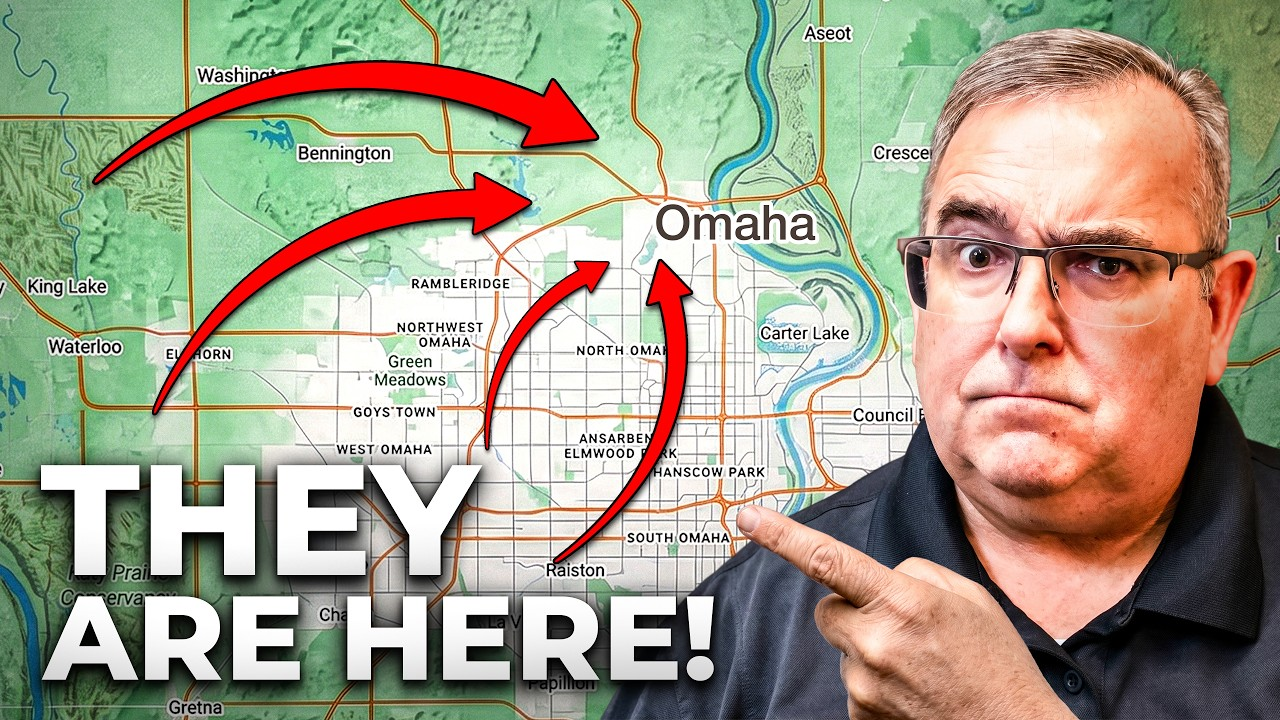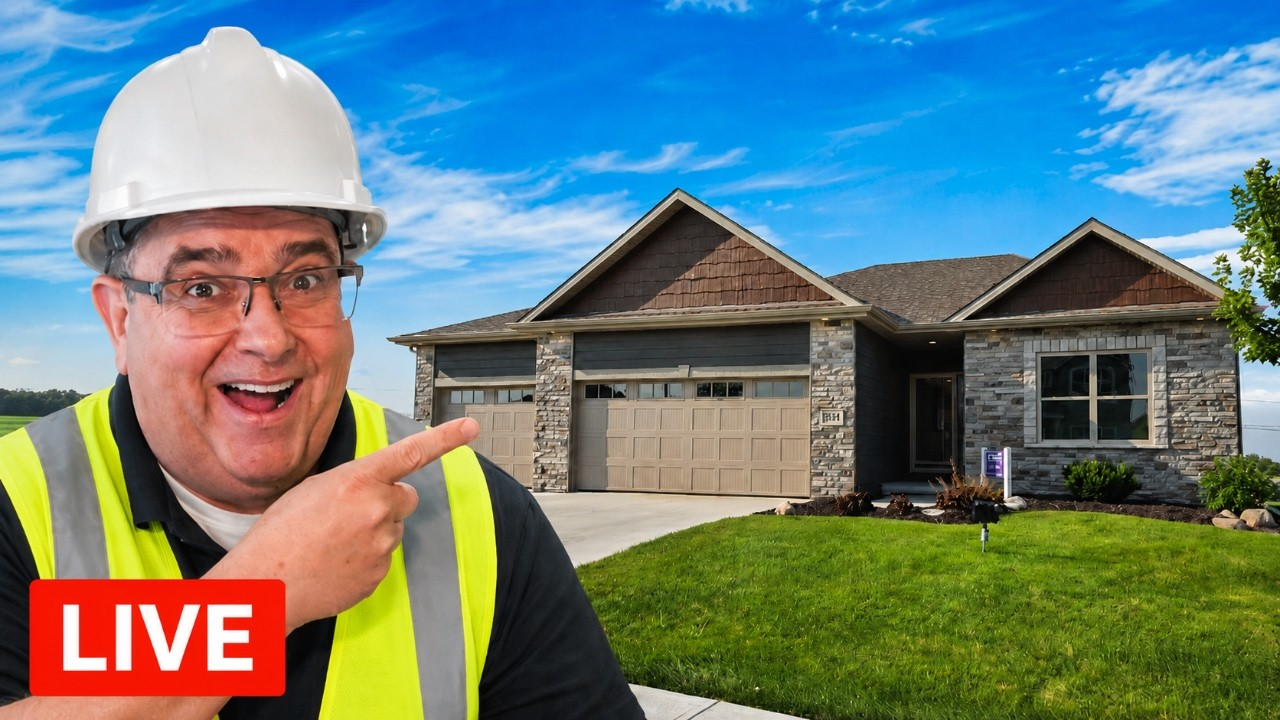
Living in Omaha often triggers mental images of endless corn fields and nowhere to go. That stereotype is outdated. Omaha is a midwestern city with a surprising skyline, a diverse economy, cultural institutions, and neighborhoods that suit families, young professionals, and retirees alike. This guide debunks the 10 biggest myths about Living in Omaha and gives practical context for anyone considering a move or just curious about city life here.
Table of Contents
- What this article covers
- Myth 1 — Omaha is nothing but corn fields and cows
- Myth 2 — The landscape is flat and boring
- Myth 3 — Omaha is boring and there’s nothing to do
- Myth 4 — The cost of living is dirt cheap
- Myth 5 — You need four-wheel drive to survive winter
- Myth 6 — Omaha is unsafe
- Myth 7 — Homelessness is out of control
- Myth 8 — The weather is always miserable
- Myth 9 — Everyone here is obsessed with Husker football
- Myth 10 — Real estate and schools are impossible to navigate
- Practical tips for anyone moving to Omaha
- Why many people pick Omaha
- FAQs about living in Omaha
- Final thoughts
Myth 1 — Omaha is nothing but corn fields and cows
The truth is Omaha is a regional center with a metro population of just over one million people and is the 40th most populous metro area in the country. Agriculture matters to Nebraska, but Omaha is an economic hub with strong sectors in finance, insurance, transportation, telecommunications, education, health care, food processing, and technology. Four Fortune 500 companies call the city home.
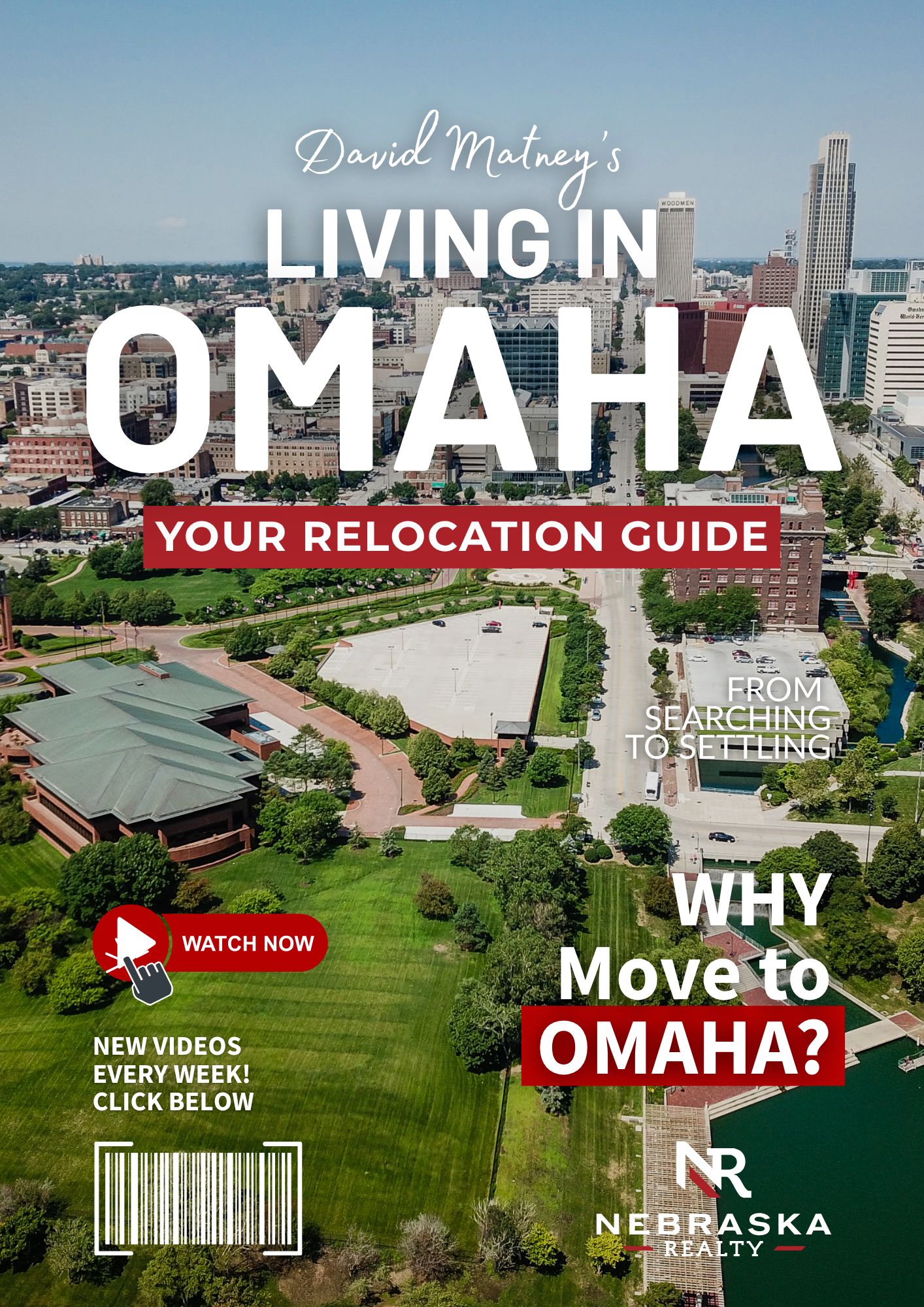
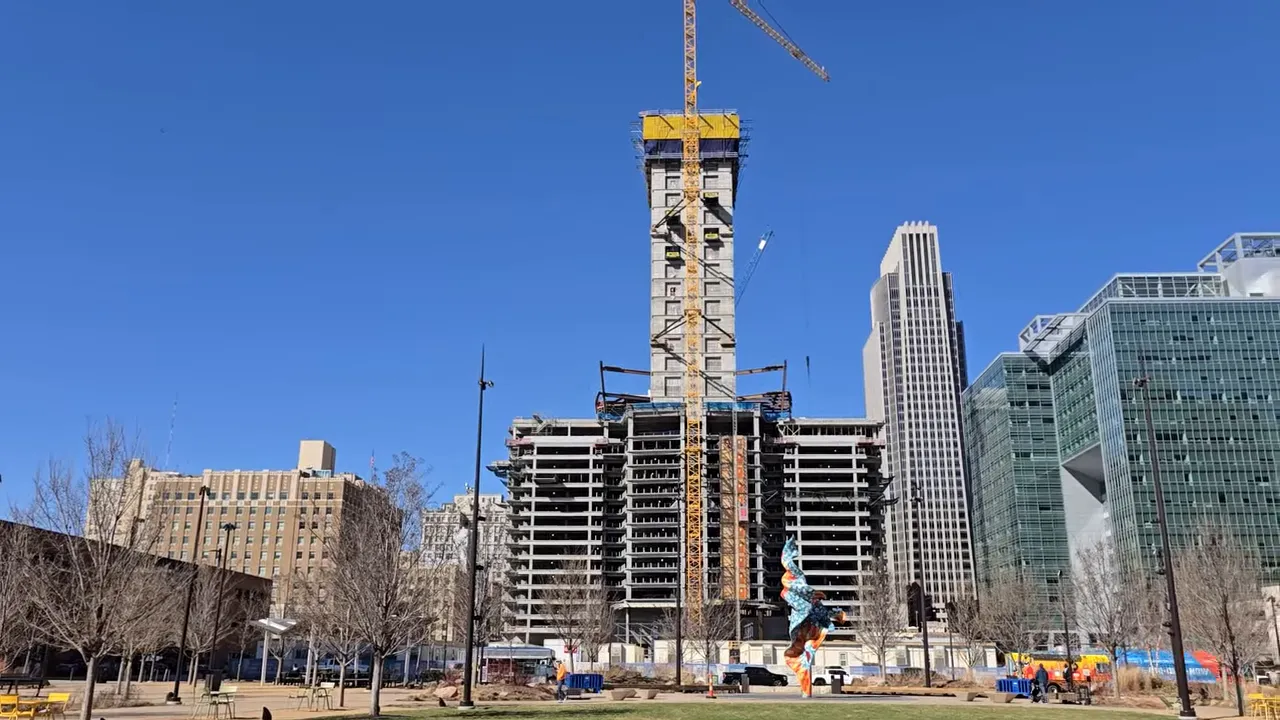
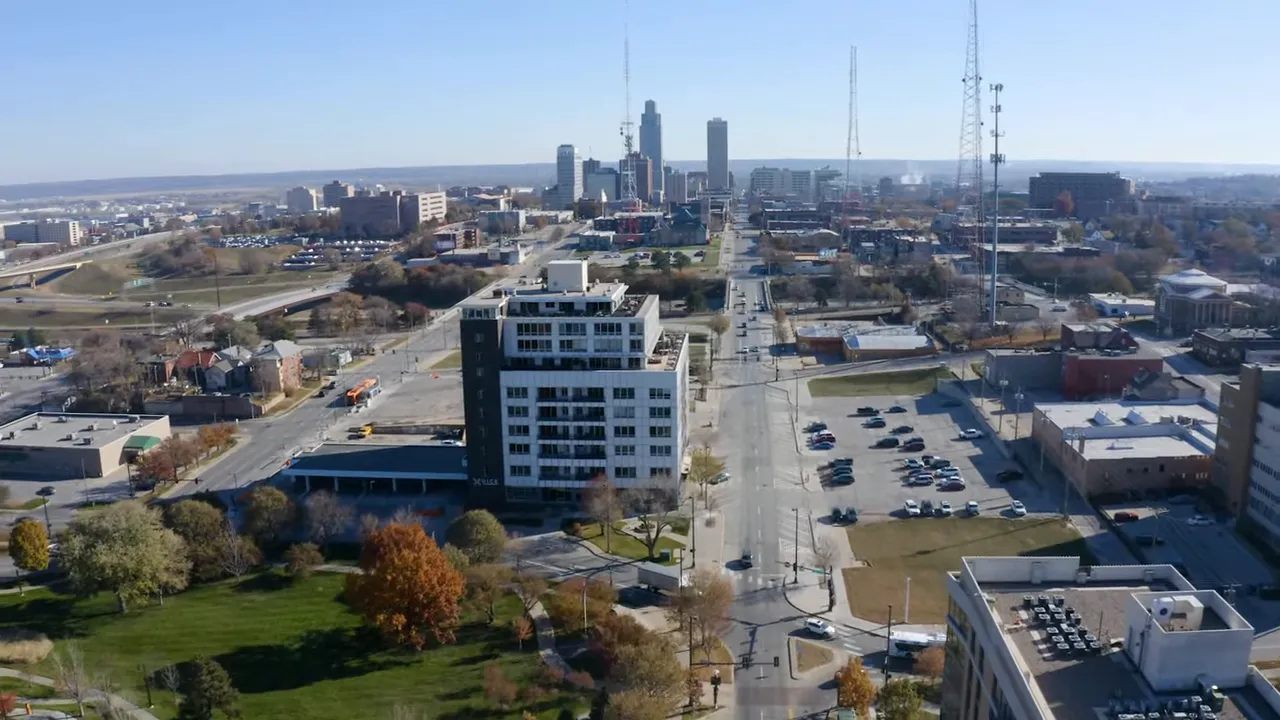
The skyline is actively changing. A new 44-story tower under construction will become the tallest building in the state when it opens. That development is just one sign that Omaha is growing and not stuck in a rural-only identity. If you picture only rural landscapes when you think of Living in Omaha, update that mental map.
Myth 2 — The landscape is flat and boring
Eastern Nebraska, including the metro area, has rolling hills and surprising pockets of topography. At one point in the city’s history there were massive grading projects to reduce slopes so Omaha could expand westward. You can still see evidence of those changes in older neighborhoods.
Beyond the city limits there are beautiful hilly and wooded areas like Ponca Hills and Fontenelle Forest. If you have a free weekend, a road trip to the Niobrara River near Valentine reveals waterfalls and canoe trips that are genuinely breathtaking. Living in Omaha doesn’t mean you miss out on varied landscapes.
Myth 3 — Omaha is boring and there’s nothing to do
Omaha has a lively cultural scene. The Joslyn Art Museum is the largest art museum in Nebraska with thousands of objects spanning 5,000 years. It recently completed a major expansion and remains free to the public. The Durham Museum, housed in an Art Deco former Union Station, tells the region’s history in a beautiful setting.
The Old Market is a walkable historic district full of restaurants, galleries, and boutiques. Along the river the Gene Leahy Mall and Riverfront Park have been revitalized into a premier outdoor gathering space with walking trails, playgrounds, and interactive water features. Downtown has become more walkable with pedestrian bridges connecting parks, the convention center, and new entertainment venues like the Steelhouse.
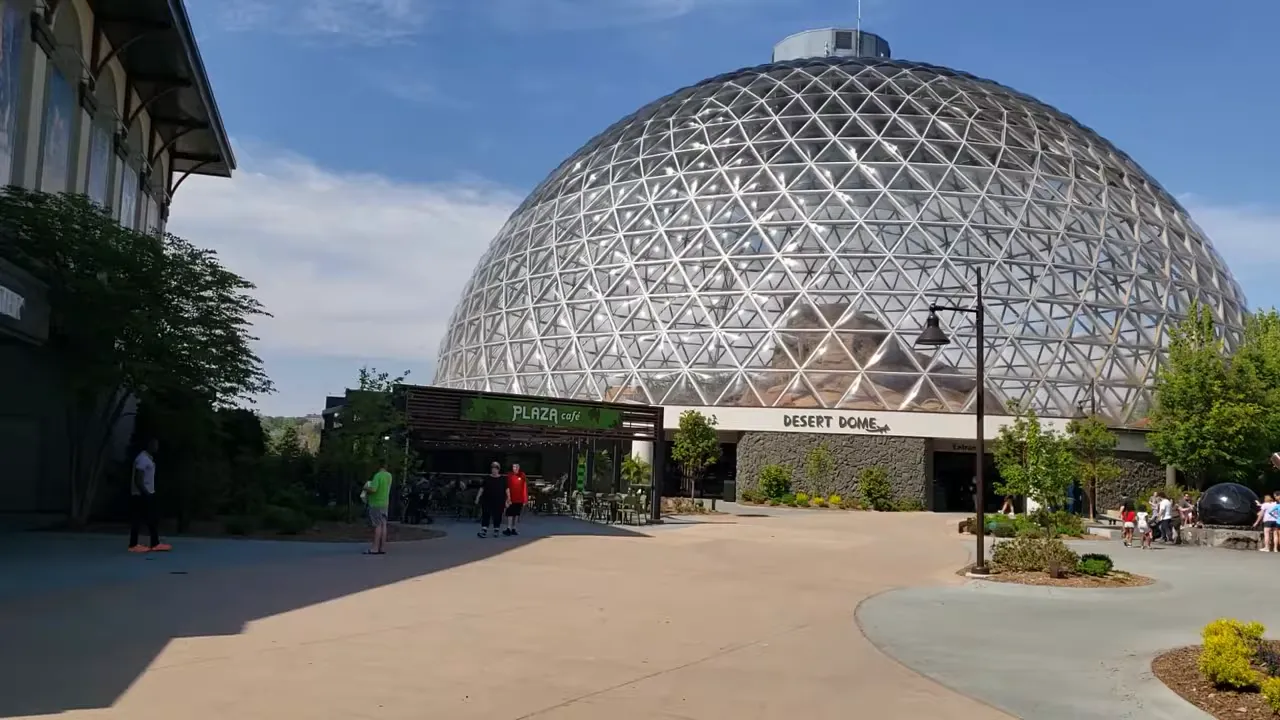
For families the Henry Doorly Zoo and Aquarium is world class — an indoor desert, a massive rainforest, and a tunneled aquarium. A thriving live music scene, performing arts center, hands-on science museums, botanical gardens, and upcoming developments such as a destination water park make Omaha an active city year-round. If you’re exploring Living in Omaha, expect variety and local traditions, not boredom.
Myth 4 — The cost of living is dirt cheap
Omaha is more affordable than many coastal metros, but it is not costless. On average the cost of living is about 7 percent lower than the national average, but slightly higher than the Nebraska state average. Home prices in many neighborhoods are reasonable and builders are active, so brand-new homes can still be found for attractive prices compared to larger metros.
However, some costs stand out. Property taxes, state income tax, and homeowners insurance rates can be higher than you expect. Frequent spring and summer storms bring hail and wind damage that increase insurance premiums. When budgeting for Living in Omaha, plan for higher insurance and property tax lines even if home prices look appealing.
Myth 5 — You need four-wheel drive to survive winter
Winters happen and snow does fall, but Omaha’s streets are well maintained. City crews pretreat and plow main roads, and a front-wheel drive vehicle is usually sufficient for daily needs. The brine solution used on roads can be tough on vehicles, though, and potholes are a seasonal issue. Consider a car wash membership and routine underbody cleanings if you plan to stay long term.
Rear-wheel drive cars can be a challenge on some neighborhood streets. Basements are common in homes and storm shelters are widespread, both a reflection of our climate and a practical perk during severe weather seasons.
Myth 6 — Omaha is unsafe
Any midsize city will have crime. Compared to smaller rural towns, some areas of Omaha have higher crime rates. Compared to major metropolitan areas, Omaha often feels safer. Context matters. Neighborhood choice makes a big difference in how safe you feel and commute times are generally shorter here than in many large cities—average commute hovers around 20 minutes.
When evaluating safety for Living in Omaha, do research on neighborhoods, visit at different times of day, and talk to locals. Steering is illegal in housing—real estate professionals cannot direct you away from neighborhoods based on protected characteristics. Your decision about where to live should reflect your priorities and experience.
Myth 7 — Homelessness is out of control
Homelessness is a growing issue in many American cities, and Omaha is no exception. That said, the scale of homelessness here is smaller than in larger coastal metros. The city is working on services and shelters, and neighborhood support networks are active. For most people considering Living in Omaha, visible homelessness will not be the defining feature of daily life, but it is a real civic issue people are addressing.
Myth 8 — The weather is always miserable
Unpredictability is the better word. Omaha experiences all four seasons—sometimes all in a week. Summers can be hot and humid with thunderstorms that bring high winds, hail, and occasional flooding. Winters can be cold, but snowfall varies year to year. Spring and fall often offer beautiful, comfortable weather with colorful foliage and local festivals.
Tornadoes do occur in Nebraska. The region has an effective warning system with phone alerts and outdoor sirens. Many homes have basements and prepared shelters. When budgeting, remember that weather-driven risks like hail have real impacts on insurance and roof maintenance.
Myth 9 — Everyone here is obsessed with Husker football
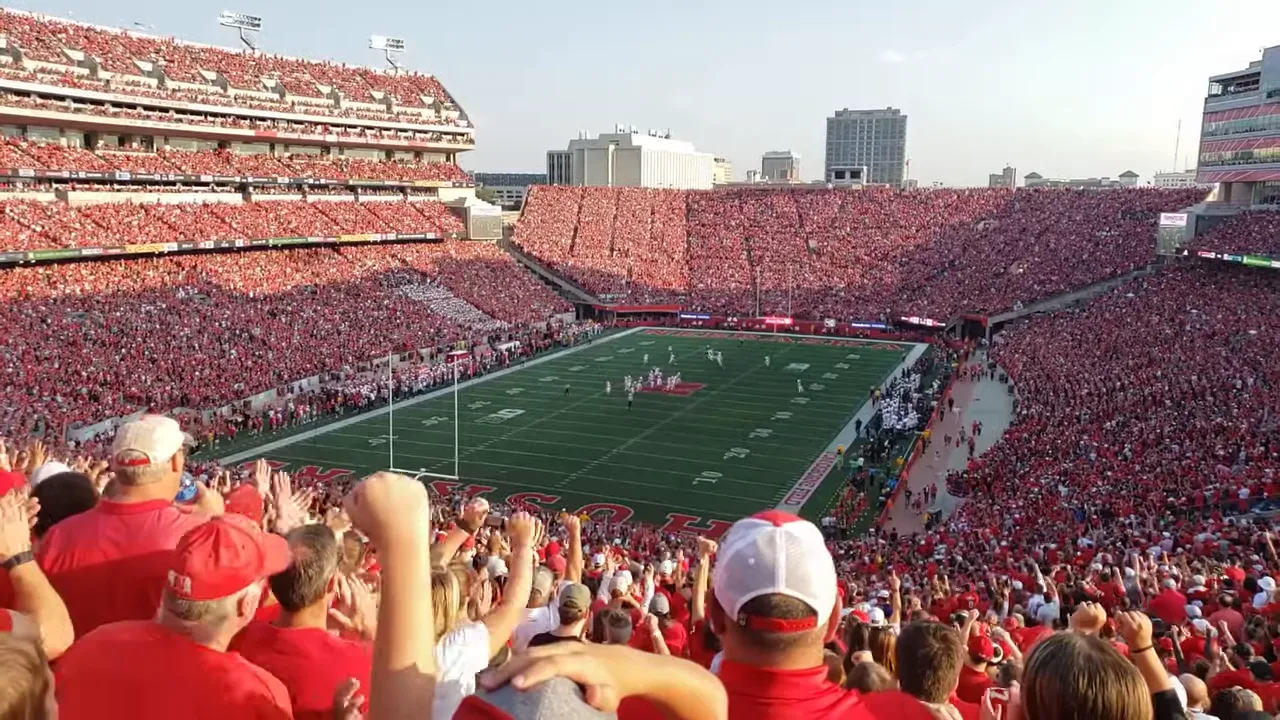
College sports are a big part of Nebraska culture and the University of Nebraska at Lincoln draws statewide attention every fall. Memorial Stadium becomes a sea of red on game days and volleyball has a passionate following. That said, not every resident centers their life around the Cornhuskers. There are fans of other teams and many people participate in a wide variety of cultural, recreational, and civic activities.
The city also supports professional and minor league sports, festivals, and a nationally recognized event: the College World Series each June. These events bring energy and tourism to the city and add to the reasons people consider Living in Omaha.
Myth 10 — Real estate and schools are impossible to navigate
School districts matter a lot in Omaha’s housing market. People often choose neighborhoods based on school boundaries. Nebraska supports open enrollment, so families can apply to attend schools outside their assigned district, but acceptance is not guaranteed.
There are many neighborhoods to consider inside Omaha—Midtown, Benson, Dundee, Old Market, Country Club, North and South Omaha—and suburbs around the metro such as Bellevue, Papillion, Gretna, and Elkhorn. If you are exploring Living in Omaha, renting for the first few months is a smart strategy: it gives you time to get your bearings and find the neighborhood that matches your lifestyle and commute preferences.
Practical tips for anyone moving to Omaha
- Visit first — Spend a day or a weekend driving around neighborhoods and nearby suburbs before committing.
- Budget for insurance and taxes — Homeowners insurance and property taxes can be higher than expected due to storm risk.
- Consider a basement — Basements are common and useful for storage and storm safety.
- Try renting initially — Renting gives you the freedom to explore neighborhoods and schools.
- Get a yearly zoo pass — For many locals, the Henry Doorly Zoo becomes a favorite family spot.
Why many people pick Omaha
People choose Omaha for the combination of affordability, access to jobs in diverse industries, short commutes, quality health care, and strong community amenities. The city is what some would call a sleeper market: it doesn’t always make national headlines, and many residents appreciate the quieter pace combined with cultural and recreational depth.
If your idea of Living in Omaha is a flat, empty plain with no opportunities, you are missing the story of a dynamic midwestern city that blends small-town friendliness with big-city offerings. From the arts to the riverfront to major employers and family-friendly neighborhoods, Omaha has options for many life stages.
View Home For Sale in Omaha, NE
FAQs About Living in Omaha
Is Omaha good for families?
Yes. Omaha has strong schools, family-friendly neighborhoods, accessible health care, parks, and attractions like the Henry Doorly Zoo that make it a popular choice for families looking for a high quality of life at a moderate cost.
How is the job market in Omaha?
The job market is diverse and stable. Key industries include finance, insurance, transportation, telecommunications, healthcare, education, food processing, and technology. Several Fortune 500 companies are headquartered in the metro.
Do I need a four-wheel drive vehicle?
Not usually. Front-wheel drive handles most winter conditions well, thanks to effective city snow removal on main roads. Rear-wheel drive can be problematic on some smaller neighborhood streets. Assess your commute and parking situation before deciding.
Is Omaha affordable?
Relative to large coastal cities, yes. Overall cost of living sits below the national average, but plan for higher property taxes and homeowners insurance than you might expect.
How are the seasons?
Omaha experiences all four seasons strongly. Spring brings thunderstorms and severe weather risk, summer is warm and humid, fall is pleasant and colorful, and winter can be cold with occasional heavy snow. Weather can be changeable day-to-day.
Where should I live if I want quick commutes?
Many residents enjoy average commute times around 20 minutes. Suburbs like Bellevue, Papillion, Gretna, and Elkhorn offer short drives to downtown and major employment centers while providing suburban amenities and schools.
Are cultural amenities available?
Yes. Museums, performing arts venues, galleries, riverfront parks, botanical gardens, and festivals are all part of city life. Cultural institutions have expanded and new venues make downtown more vibrant than in past decades.
Final thoughts
Living in Omaha offers a balance of affordability, community, and amenities that surprises many newcomers. The myths about empty plains, a boring downtown, and a lack of culture do not hold up when you look at the museums, parks, festivals, growing skyline, and steady economy. If you are evaluating a move, spend time exploring neighborhoods, compare the numbers for taxes and insurance, and remember that the Midwest often rewards people who dig a little deeper than the stereotypes.
Whether you want a walkable downtown life, family-friendly suburbs, or access to outdoor escapes, Living in Omaha gives a surprising range of choices for a city of its size.
READ MORE: My 2025 Omaha Predictions: What Actually Happened