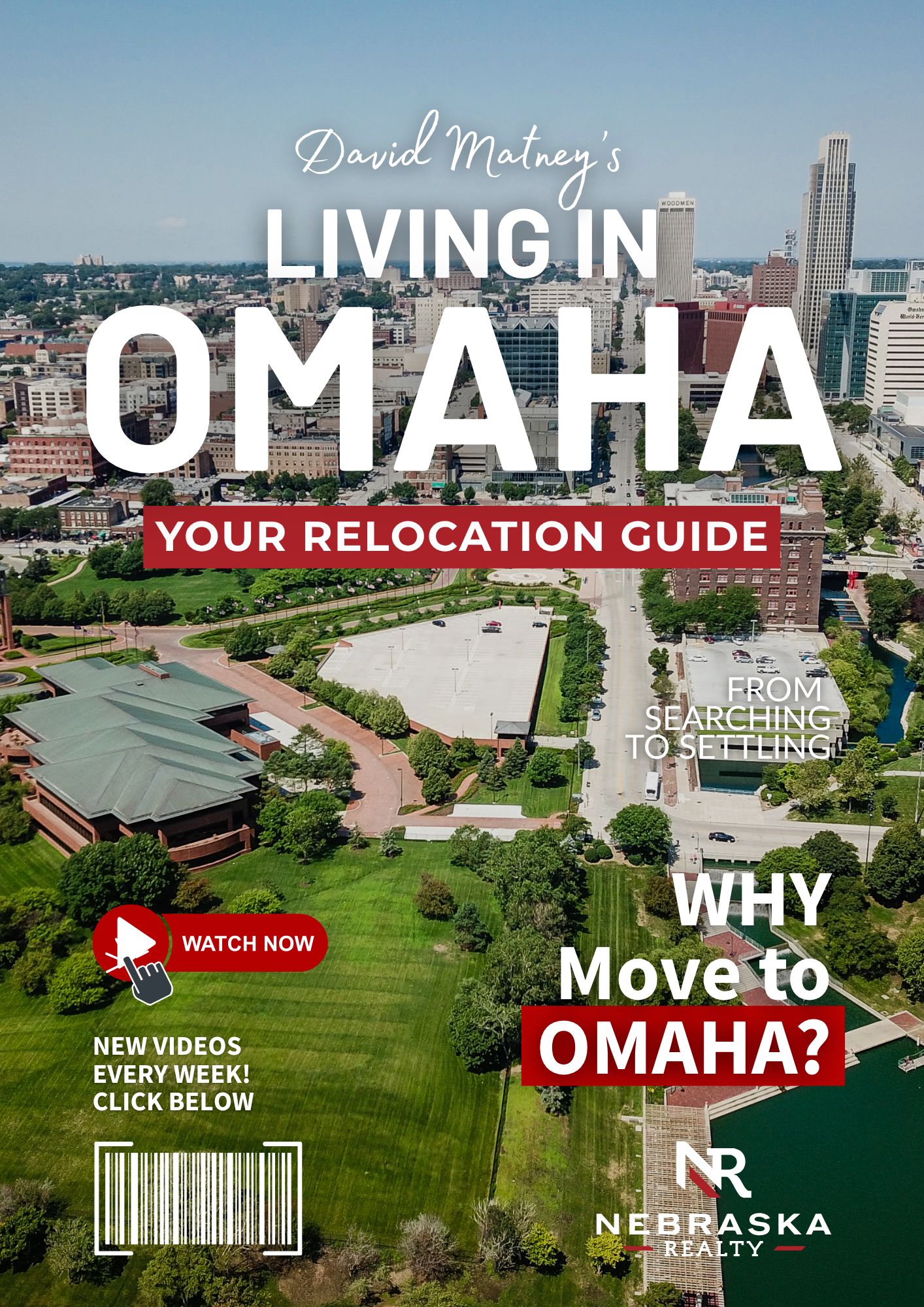
Downtown Omaha is in the middle of one of the biggest urban makeovers this region has seen in decades. New transit, a record-setting tower, a real grocery district, and riverfront living are all converging to reshape where people choose to live, work, and invest. If you care about property values, walkable neighborhoods, or where the next wave of development will land, this matters.
Table of Contents
- Introduction
- 1. Omaha Streetcar Project
- 2. New Skyscraper Developments in Downtown Omaha
- 3. Civic Square Omaha
- 4. The Mercantile and Riverfront Omaha
- 5. North Downtown Omaha Growth
- Impact on the Omaha Real Estate Market
- What to Watch Next in Downtown Omaha
- Practical Tips for Buyers, Sellers, and Investors in Omaha
- FAQs About Downtown Omaha’s Transformation and Real Estate
- Final Thoughts
Introduction
The heart of Downtown Omaha is becoming noticeably denser, more connected, and materially more livable. What once felt like a scattering of isolated projects is coalescing into a coordinated push to build a modern urban core: a fixed-rail streetcar to stitch neighborhoods together, a new corporate flagship tower that will redefine the skyline, mixed-use districts that finally bring daily conveniences like grocery and fitness within easy walking distance, and extensive parkfront housing and retail hugging the river. Taken together these are not simply individual developments—each new transit stop, office anchor, grocery, or riverside block amplifies demand and value for the others, creating momentum that’s greater than the sum of its parts.
That momentum shows up in practical ways: denser housing options that make car-free or car-light living realistic for more people; more foot traffic that supports neighborhood cafes, shops, and services; high-quality office space that attracts employers and jobs downtown; and public parks and riverfront amenities that make the area desirable year-round. Mixed-income and affordable housing commitments tied to these projects aim to spread those benefits, while the flow of new residents and workers creates a more resilient, 24/7 urban economy instead of one that spikes only around events or tourist seasons.
There are trade-offs to recognize. Construction will bring detours, noise, and short-term disruption; successful outcomes will require careful housing policy to avoid squeezing affordability; and activation of ground-floor retail depends on people actually living and working nearby. Still, for homebuyers, sellers, and investors who pay attention to timing and proximity to transit and parks, this coordinated transformation presents a clear window of opportunity to participate in Downtown Omaha’s next chapter rather than chasing it after the premium has already been paid.
1. Omaha Streetcar Project
The Omaha streetcar is the engine that ties many of these projects together. The plan is a fixed-rail system running from the riverfront through Downtown Omaha and up to the Blackstone district. The goal is simple: make car-free and car-light living practical while unlocking dense housing, offices, and retail along the route.
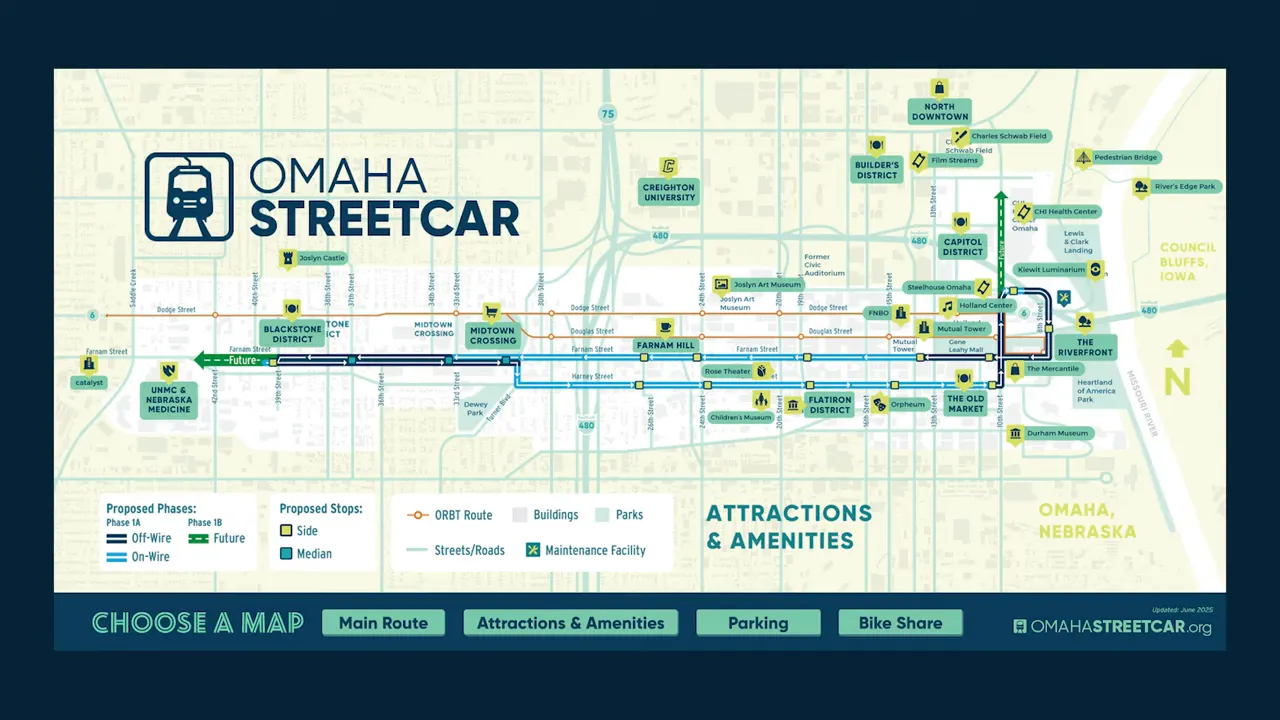
Key facts to know:
- Construction start: January 2026.
- Testing: 2027.
- Service launch: 2028.
- Bond estimate: Approximately $421 million (currently within budget).
- Development pipeline: More than $1 billion in projects proposed or started along the route.
- Affordable housing tie-in: Plans to integrate roughly 1,900 affordable units through TIF growth.
What is TIF? Tax increment financing is a common redevelopment tool where new tax revenue generated by rising property values in a designated area helps pay for infrastructure and public improvements in that same area. In practice, TIF can speed up development along the streetcar corridor and help fund things like streets and utilities.
Why the streetcar matters for Downtown Omaha:
- Higher housing density becomes viable along the corridor.
- Car-free daily life becomes realistic for more residents.
- Property values around high-frequency stops tend to rise over time, creating new comps and investment returns.
There are trade-offs. Construction will mean detours and closures, and there's political and community pushback. Affordability can be squeezed if policy makers don’t actively manage housing outcomes. Still, the streetcar is a catalytic piece that changes how Downtown Omaha will function.
2. Mutual of Omaha: New Skyscraper Developments in Downtown Omaha
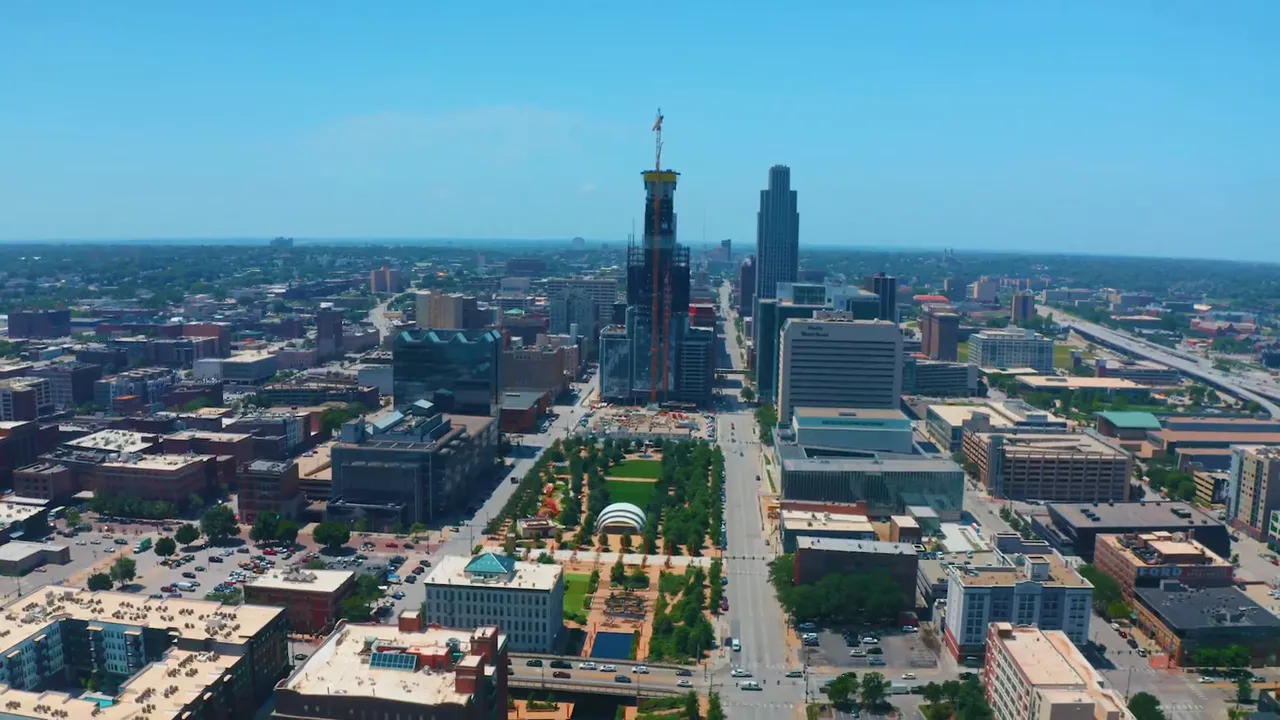
A new centerpiece for Downtown Omaha is on the way: a 44-story corporate tower that will become Nebraska’s tallest building at approximately 677 feet. This project brings 800,000 square feet of modern office space to 15th and Douglas, directly facing the Gene Leahy Mall and the riverfront.
Practical details:
- Opening: Scheduled for 2026.
- Location: 15th and Douglas, Downtown Omaha.
- Amenities: Modern office features and a planned streetcar stop at the base.
Why this matters for Downtown Omaha:
- Confidence: A major corporate move signals that Downtown Omaha can compete for class A tenants.
- Foot traffic and jobs: High-paying jobs and daily commuters will bring more demand for retail, coffee shops, and services.
- Skyline and identity: The tower will change the skyline and act as a visible anchor for continued investment.
The challenge is activation. If hybrid work patterns stick, the ground-floor retail and dining that turn office zones into lively neighborhoods won’t fill themselves. Downtown Omaha needs grocery stores, housing, and daily retail to support a 9-to-5 population that actually lives nearby.
3. Civic Square
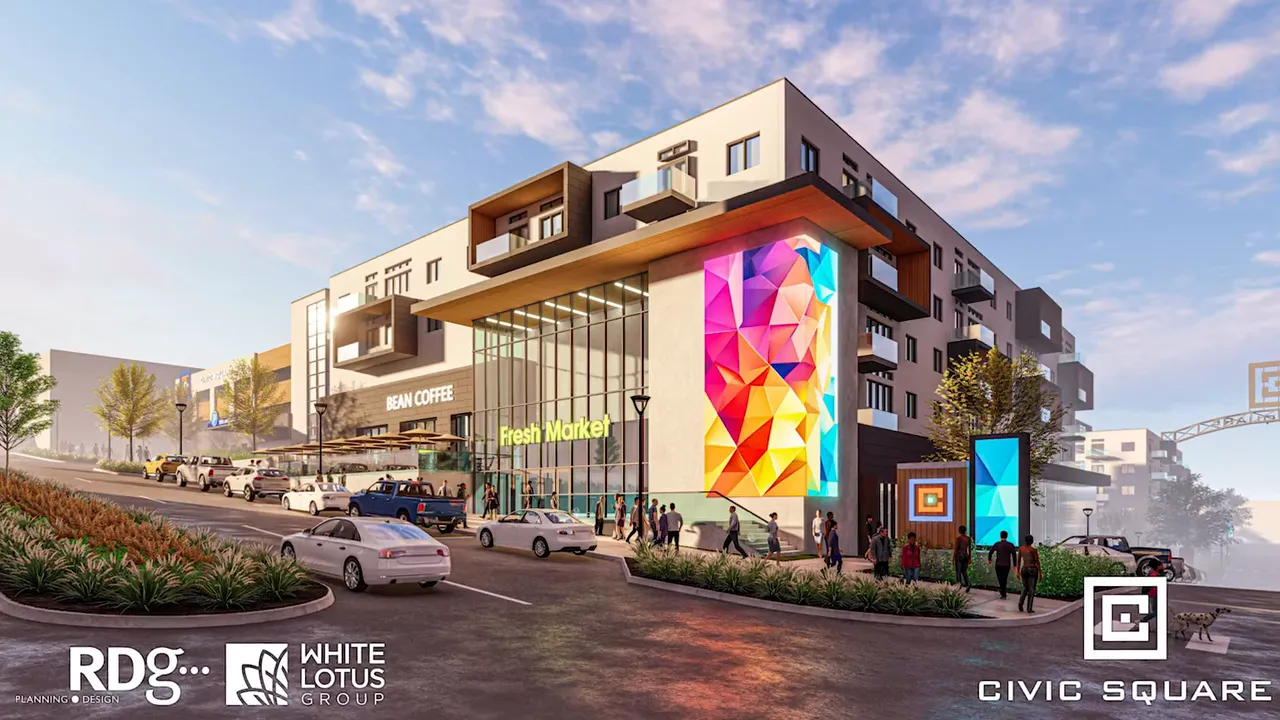
The Civic Square redevelopment addresses one of Downtown Omaha’s long-standing gaps: everyday retail and groceries close to the core. The former Civic Auditorium site is being transformed into an 8-to-9-acre mixed-use district between 17th and 19th, from Chicago to Capitol.
What’s coming:
- Grocery anchor: Downtown grocery shopping for the first time in a long while.
- Housing: Mixed-income residential options.
- Services: Health care, fitness, and everyday retail within walking distance of the streetcar.
- Timeline: Next phase approved; site work under way for 2025.
Why Civic Square changes the equation for Downtown Omaha:
- Practical living: The development enables a true 15-minute city lifestyle where daily errands don’t require a car.
- Added housing: New units will increase full-time downtown residency.
- Everyday retail: Brings the daily destinations Downtown Omaha has been missing to make neighborhoods more sustainable.
Drawbacks include a multi-year build-out and the importance of timing the grocery opening. When done right, Civic Square will be a game-changer for livability and retention of downtown residents.
4. The Mercantile and the Riverfront
The riverfront is already one of Downtown Omaha’s biggest assets. The Gene Leahy Mall, Lewis and Clark Landing, and Heartland of America Park have been revitalized and reopened, and adjacent land—formerly home to office campuses—is being transformed into a major parkfront mixed-use district.
Project highlights:
- Scale: More than 20 acres being developed into apartments, shops, offices, and restaurants.
- Cost: Roughly $400 million invested into riverfront development and amenities.
- Taste of life: True parkfront living where residents can step out their front door to concerts, green space, and the river.
- Timeline: Parks reopened in 2022 and 2023; multiple development phases rolling through 2026 and beyond.
Why this matters for Downtown Omaha:
- New housing: Hundreds of units will attract residents seeking urban and waterfront lifestyles.
- Retail and restaurants: Will create year-round activity instead of a seasonal or event-driven bump.
- Premium locations: Expect higher pricing immediately adjacent to parks and the river.
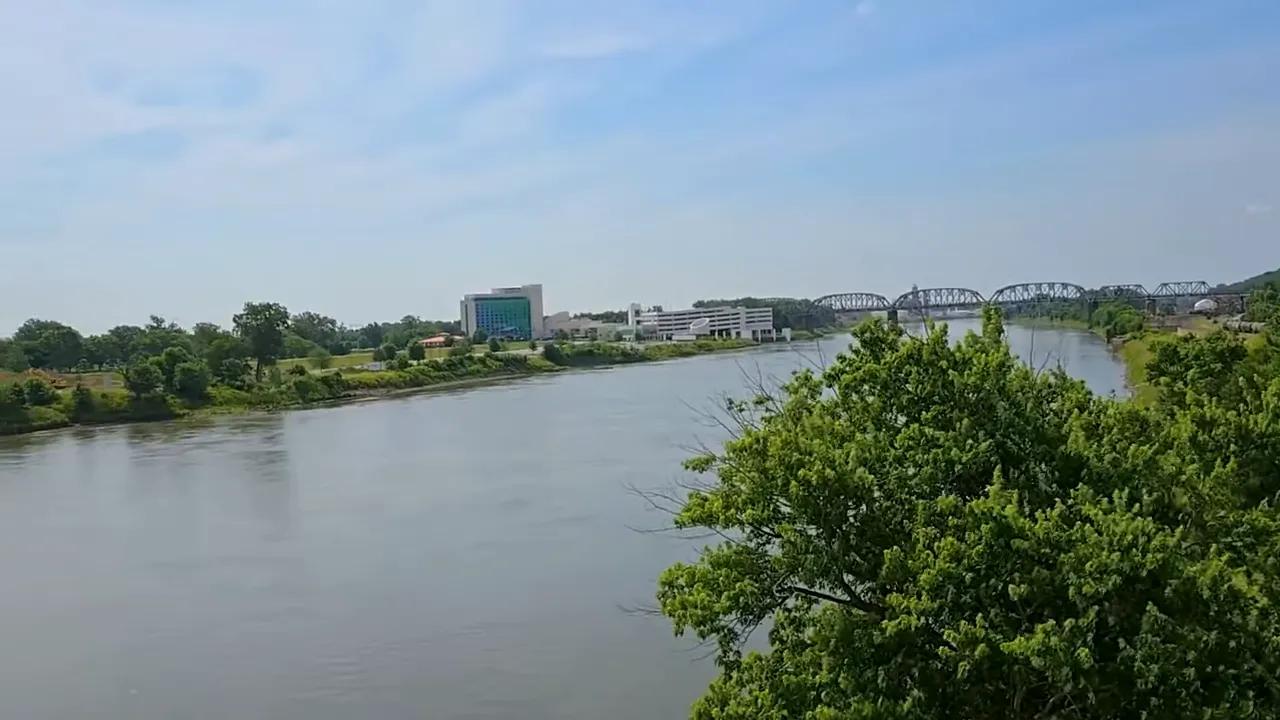
The trade-off is pricing pressure. Parkfront units will command a premium, but further phases could include more affordable options if planned intentionally.
5. North Downtown Growth
North downtown is filling in rapidly and becoming a cultural and entertainment hub. The area between the arena, Symphony Park, and the riverfront is seeing a cluster of projects that together will make the district active around the clock.
Key pieces:
- Live music venue: The Steelhouse opened as a flexible live-music venue with capacities reported in a wide range to accommodate different setups.
- New construction: Hotels, apartments, and a 600-space parking garage are planned, with the garage aimed at completion around 2027.
- Connectivity: Once the streetcar and garage are running, this becomes a walkable triangle: Steelhouse, riverfront, and the Old Market.
Why it matters for Downtown Omaha:
- 24/7 economy: More concerts, hotel rooms, and housing push the downtown market from event-driven spikes to steady activity.
- Parking and traffic: Expect near-term congestion until the garage and streetcar reduce car-dependency.
Long term, this area will be much more walkable and integrated into Downtown Omaha’s day-to-day fabric.
Impact on the Omaha Real Estate Market
When transit, corporate headquarters, grocery anchors, riverfront living, and cultural venues converge, the real estate market responds. Here’s a practical breakdown of what to expect and where to focus.
For buyers
Buying before the streetcar launches in 2028 means getting in ahead of the demand spike. Cities with similar programs saw property values near lines increase quickly once service started. If you want a walkable, car-lite, parkside lifestyle in Downtown Omaha, the next few years are a window of opportunity.
For sellers
New projects create new comparable sales. Expect pricing benchmarks to shift upward when major anchors open—particularly when the new tower completes in 2026. Listing near those openings can capture attention, but timing and presentation will matter.
For investors
Downtown Omaha’s demand is now diversified: corporate tenants, cultural visitors, and full-time residents. That mix supports more stable, year-round rental demand than single-stream event markets.
- Where to focus: Properties within walking distance of streetcar stops, Civic Square, or the riverfront will likely hold value best.
- Short-term: Expect construction-related headaches through 2028—detours and noise are part of the transition.
- Long-term: A more walkable, amenity-rich downtown will attract renters and buyers at a higher price point.
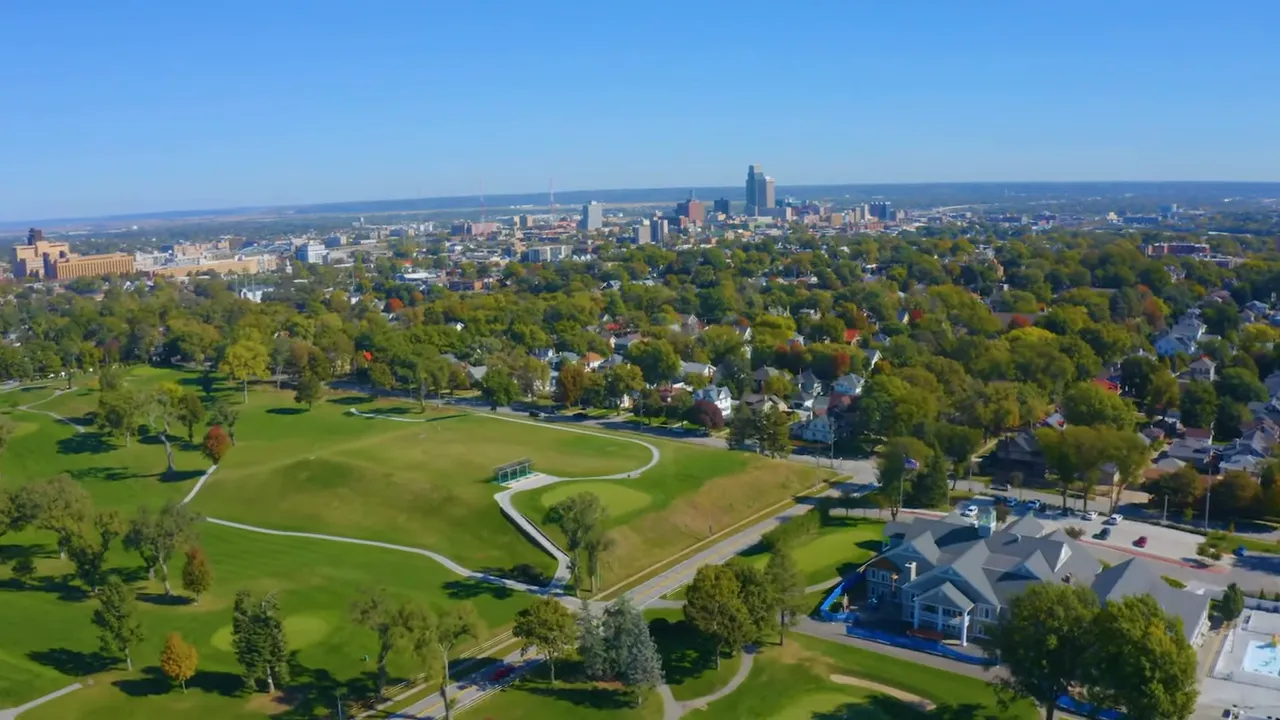
Downtown Omaha is changing faster than at any time in recent memory. If you wait until everything is finished, you will likely pay a premium and compete with more buyers who recognized the opportunity earlier. For many, proactive timing is the differentiator.
What to Watch Next
- Streetcar construction milestones: Bridge and utility work along planned routes.
- Tower completion: The big office flagship opening in 2026 will be a market moment.
- Civic Square progress: Grocery anchor timing and phase completions.
- Riverfront phases: The Mercantile build-out and residential leasing windows.
- Parking and garage completion: North downtown parking structure due around 2027.
Practical Tips for Buyers, Sellers, and Investors
- Buyers: Identify properties within a 10- to 15-minute walk of future streetcar stops and riverfront parks to capture convenience premiums down the road.
- Sellers: Stage and price to reflect the new comps that will emerge as anchors open—highlight walkability, transit access, and proximity to parks.
- Investors: Prioritize locations tied to multiple demand streams—corporate tenants, nightly visitors, and long-term residents reduce vacancy risk.
FAQs About Downtown Omaha’s Transformation and Real Estate
When will the Omaha streetcar be operational?
Construction on the main line starts in January 2026, testing is planned for 2027, and regular service is targeted for 2028.
How will these projects affect property values in Downtown Omaha?
Historically, areas with new transit and major anchors see property values rise. Expect values near streetcar stops, the new tower, Civic Square, and the riverfront to appreciate, particularly after key openings like the tower in 2026 and streetcar service in 2028.
Is downtown living becoming more affordable or less?
Short answer: pricing pressure is likely near premium amenities like parkfront housing. However, planned affordable units tied to development incentives and mixed-income projects aim to preserve some affordability. Watch local housing policy and TIF allocations to see how equity is managed.
Where should investors concentrate in Downtown Omaha?
Focus on properties within walking distance of the streetcar corridor, Civic Square, and the riverfront. These areas will benefit from multiple demand drivers—corporate tenants, cultural venues, and residents—making them more resilient investments.
What are the main short-term risks?
Expect construction disruptions, detours, and temporary parking constraints through 2028. Political pushback and policy shifts can also affect timelines or funding for specific phases. That said, the long-term trajectory for Downtown Omaha is strong if the projects proceed as planned.
Final Thoughts
Downtown Omaha is no longer just a collection of isolated projects. Transit, corporate investment, grocery anchors, riverfront development, and cultural venues are converging to create a connected, livable urban core. That shift changes the calculus for anyone considering buying, selling, or investing in the area.
If you want to be part of the next chapter of Downtown Omaha—whether as a homeowner, seller, or investor—understand the timelines, focus on proximity to transit and parks, and be prepared for short-term construction trade-offs in exchange for long-term gains.